
Maintaining the exterior of your home is not merely about aesthetics; it’s a critical component of preserving and enhancing your property’s long-term financial value. Vinyl siding, a popular and durable choice for many homeowners, requires periodic cleaning to prevent degradation, maintain curb appeal, and protect its inherent investment. Understanding the most effective and cost-efficient methods and materials for cleaning vinyl siding is key to maximizing its lifespan and avoiding costly repairs or replacements down the line. This article delves into the financial rationale behind regular vinyl siding maintenance and guides you through making smart choices about cleaning products and tools, all while keeping your budget and property value in sharp focus.
Protecting Your Home’s Investment: The Financial Case for Regular Vinyl Siding Maintenance
Your home is likely your largest asset, and every aspect of its upkeep contributes to its market value. Vinyl siding, while low-maintenance in comparison to other materials, is not maintenance-free. Over time, it accumulates dirt, grime, mold, mildew, and algae, particularly in humid climates or shaded areas. Ignoring these issues can lead to more than just an unsightly exterior; it can result in significant financial repercussions.
The Cost of Neglect: Why Procrastination Costs More
Allowing mold and mildew to fester on vinyl siding does more than just diminish curb appeal; it can begin to degrade the material itself. While vinyl is resistant to many elements, prolonged exposure to organic growth can lead to staining that becomes increasingly difficult, if not impossible, to remove without aggressive, potentially damaging treatments. Beyond aesthetic damage, severe mold or algae growth can trap moisture, potentially leading to issues with the siding’s integrity or even underlying structural components if left unchecked for extended periods. The cost of replacing stained or damaged vinyl siding sections is exponentially higher than the recurring expense of routine cleaning. Furthermore, neglect can void warranties, leaving homeowners responsible for full replacement costs. By investing a modest amount of time and money in regular cleaning, you effectively pre-empt these larger, more financially burdensome issues.
Boosting Curb Appeal for Resale Value
When it comes time to sell your home, first impressions are paramount. A clean, well-maintained exterior signals to potential buyers that the property has been cared for, justifying a higher asking price. A dirty or neglected exterior, conversely, can deter buyers or lead them to assume broader maintenance issues, often resulting in lower offers or longer time on the market. Data consistently shows that homes with excellent curb appeal sell faster and for more money. Cleaning your vinyl siding is one of the most cost-effective ways to immediately enhance your home’s exterior appeal, offering a substantial return on investment (ROI) for minimal effort and expense. Consider it an essential part of staging your home for sale, directly impacting your bottom line.
DIY vs. Professional Cleaning: A Cost-Benefit Analysis
Once you’ve committed to cleaning your vinyl siding, the next financial decision revolves around whether to tackle the job yourself or hire a professional service. Both options have distinct financial implications and benefits.
Calculating the Savings of a DIY Approach
The most obvious benefit of a do-it-yourself (DIY) approach is cost savings. By opting to clean your siding yourself, you eliminate labor costs, which typically constitute the largest portion of a professional cleaning bill. Your primary expenses will be for cleaning agents, a brush, a garden hose, and potentially a rented or purchased pressure washer.
Typical DIY Costs:
- Cleaning Solutions: $10-$50 (depending on brand, concentration, and type)
- Brushes/Sponges: $5-$20
- Garden Hose & Nozzle: (Assumed already owned)
- Pressure Washer Rental: $40-$70 per day
- Pressure Washer Purchase: $100-$400 (entry-level electric) to $500-$1000+ (gas-powered)
For a single cleaning, renting a pressure washer and purchasing cleaning solutions might cost you $50-$120. If you already own a pressure washer, the cost drops significantly to just cleaning solutions. Compared to professional services that can range from $200-$600 or more depending on home size and condition, DIY cleaning offers substantial immediate savings. Over several years, owning a pressure washer and performing annual cleanings yourself can save thousands of dollars, making the initial investment in equipment highly justifiable for financially savvy homeowners.
When to Hire a Pro: Understanding the Value Proposition
While DIY cleaning offers undeniable cost savings, there are scenarios where hiring a professional power washing service presents a superior value proposition, particularly when considering time, safety, and specialized expertise.
Reasons to Consider Professional Service:
- Time Constraints: If your time is valuable and scarce, outsourcing the job frees you up for other pursuits or income-generating activities. The opportunity cost of spending a full day cleaning your siding might outweigh the monetary savings.
- Safety Concerns: Cleaning multi-story homes or homes with complex architectural features can be hazardous, involving ladders and working at heights. Professionals are equipped with the right safety gear and experience to mitigate risks. Injuries sustained during DIY cleaning can lead to medical bills that far exceed professional service costs.
- Expertise and Equipment: Professional services possess industrial-grade equipment and specialized knowledge of cleaning agents and techniques for different siding types and stains. They can often achieve a deeper, more uniform clean more efficiently, minimizing the risk of damage (e.g., stripping paint, forcing water behind siding panels) that can occur with improper pressure washer use.
- Insurance: Reputable professionals carry liability insurance, protecting you from potential damage to your property during the cleaning process. This peace of mind can be invaluable.
- Severe Staining: For homes with extensive mold, mildew, or ingrained dirt, professional-grade chemicals and high-powered equipment may be necessary to restore the siding without causing damage.
When evaluating professional services, always obtain multiple quotes, inquire about their insurance and experience, and ask for references. The slightly higher cost can be a worthwhile investment for a thorough, safe, and worry-free cleaning experience, ultimately protecting your larger home investment.

Essential Cleaning Tools and Solutions: Smart Spending for Optimal Results
Whether you choose DIY or professional, understanding the core components of effective vinyl siding cleaning empowers you to make informed decisions and optimize your spending. The right tools and solutions ensure an efficient clean without damaging your siding or wasting money on ineffective products.
Budget-Friendly Cleaning Solutions That Deliver
For most routine cleaning tasks, a simple, cost-effective solution is often all that’s required.
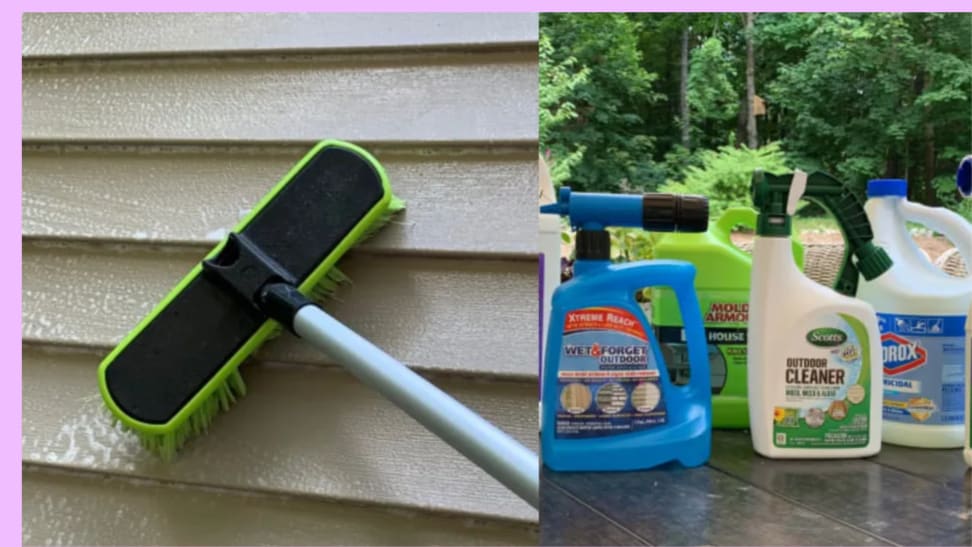
- Household Cleaners: A mix of warm water and dish soap is an excellent, non-toxic, and inexpensive starting point for light dirt and grime. For tougher stains, adding 1 cup of white vinegar per gallon of water can boost cleaning power, especially against mildew.
- Bleach Solutions: For stubborn mold, mildew, or algae, a diluted solution of oxygen bleach or household liquid chlorine bleach is highly effective.
- Oxygen bleach (e.g., OxiClean): A gentler option, less likely to harm plants or colored siding. Mix according to product directions (typically 1 cup per gallon of water). It works by breaking down organic stains through oxidation.
- Liquid Chlorine Bleach: More potent but requires careful handling. A ratio of 1 part bleach to 4 parts water (e.g., 1 quart bleach to 1 gallon water) is generally sufficient. Always test on an inconspicuous area first, wear protective gear, and rinse thoroughly to protect landscaping. Never mix bleach with ammonia or other cleaners.
- Commercial Siding Cleaners: Various commercial vinyl siding cleaners are available, often formulated with surfactants and mild detergents. While they tend to be more expensive per gallon than DIY mixes, some are concentrated and provide specific benefits like slow-release mold inhibitors. Evaluate their cost-effectiveness based on coverage and specific cleaning needs. Look for products designed to be safe for plants and pets if that’s a concern.
Always apply cleaners from the bottom up to avoid streaking and let the solution dwell for 5-10 minutes (do not let it dry) before rinsing thoroughly from top to bottom.
Investing in the Right Equipment for Longevity and Efficiency
The right equipment can significantly reduce the effort and time involved in cleaning, thereby enhancing the financial appeal of a DIY approach.
- Garden Hose with Spray Nozzle: For light cleaning or rinsing, a standard garden hose with a jet-setting nozzle is often adequate. Invest in a high-quality hose that won’t kink and a durable nozzle for long-term use.
- Soft-Bristle Brush: A long-handled, soft-bristle brush is indispensable for scrubbing away stubborn dirt and mildew, especially in hard-to-reach areas. Choose one designed for siding to prevent scratching.
- Pressure Washer: This is arguably the most impactful investment for vinyl siding cleaning.
- Electric Pressure Washers (1300-2000 PSI): Ideal for most homeowners. They are lighter, quieter, require less maintenance, and are powerful enough for vinyl siding without risking damage. An electric model in this PSI range is a smart purchase for periodic use, costing $100-$400.
- Gas Pressure Washers (2000+ PSI): Offer more power and mobility but are heavier, louder, and require more maintenance. They are often overkill for standard vinyl siding cleaning and carry a higher risk of damage if not used carefully. Purchase only if you have other heavy-duty cleaning needs.
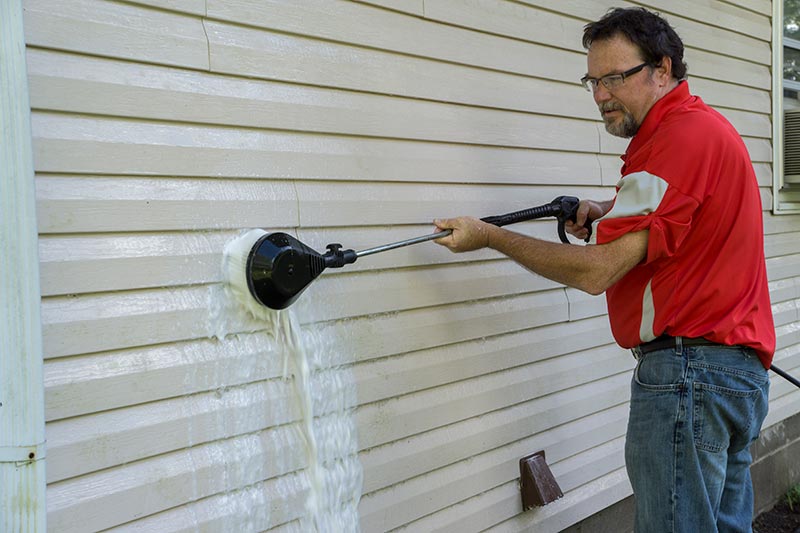
When using a pressure washer on vinyl siding, always use a wide-angle tip (25-degree or 40-degree) and maintain a safe distance (at least 6-12 inches) to avoid forcing water behind the panels or causing etching. Start with lower pressure and increase only if necessary. This preventative measure protects your investment in the siding itself and avoids costly water damage.
Beyond Cleaning: Maximizing Your Siding’s Lifespan for Long-Term Savings
Cleaning is a reactionary measure; proactive maintenance ensures the longevity of your vinyl siding and delivers continuous financial benefits.
Preventive Measures for Sustained Value
Preventive actions minimize the frequency and intensity of necessary cleaning, directly translating into time and cost savings.
- Strategic Landscaping: Trim trees and shrubs away from your house to improve air circulation and reduce shade, which discourages mold and mildew growth. Ensure plants are not directly touching the siding, as they can scratch it and transfer dirt.
- Gutters and Downspouts: Regularly clean and maintain your gutters and downspouts. Proper water diversion away from the house prevents streaks, standing water, and excessive moisture on the siding, all of which contribute to organic growth. Consider extending downspouts away from the foundation.
- Annual Inspections: Conduct a quick visual inspection of your siding annually. Look for loose panels, small cracks, or areas where moisture might be accumulating. Addressing minor issues early prevents them from escalating into expensive repairs.
Understanding Warranties and Maintenance Schedules
Your vinyl siding likely came with a manufacturer’s warranty. Familiarize yourself with its terms, as some warranties might stipulate specific cleaning practices or void coverage if certain chemicals or high-pressure washing techniques are used improperly. Adhering to manufacturer guidelines is crucial for protecting your investment and ensuring you can leverage the warranty if a defect arises.
Establishing an annual or bi-annual cleaning schedule is a wise financial habit. Consistent maintenance at reasonable intervals is far more effective and less strenuous (and costly) than sporadic, intensive deep cleans necessitated by prolonged neglect. By treating your vinyl siding not just as an exterior covering but as a significant asset, you safeguard your home’s appearance, structural integrity, and ultimately, its market value for years to come.
aViewFromTheCave is a participant in the Amazon Services LLC Associates Program, an affiliate advertising program designed to provide a means for sites to earn advertising fees by advertising and linking to Amazon.com. Amazon, the Amazon logo, AmazonSupply, and the AmazonSupply logo are trademarks of Amazon.com, Inc. or its affiliates. As an Amazon Associate we earn affiliate commissions from qualifying purchases.