
Maintaining household appliances is often overlooked in personal financial planning, yet it represents a significant opportunity for cost savings and asset protection. A glass top stove, a popular and aesthetically pleasing kitchen fixture, is an investment that, with proper care, can serve your household efficiently for many years, delaying costly replacements or repairs. Understanding the most effective and financially prudent methods for cleaning it is not just about aesthetics; it’s about smart asset management.
Protecting Your Investment: The Financial Wisdom of Regular Cleaning
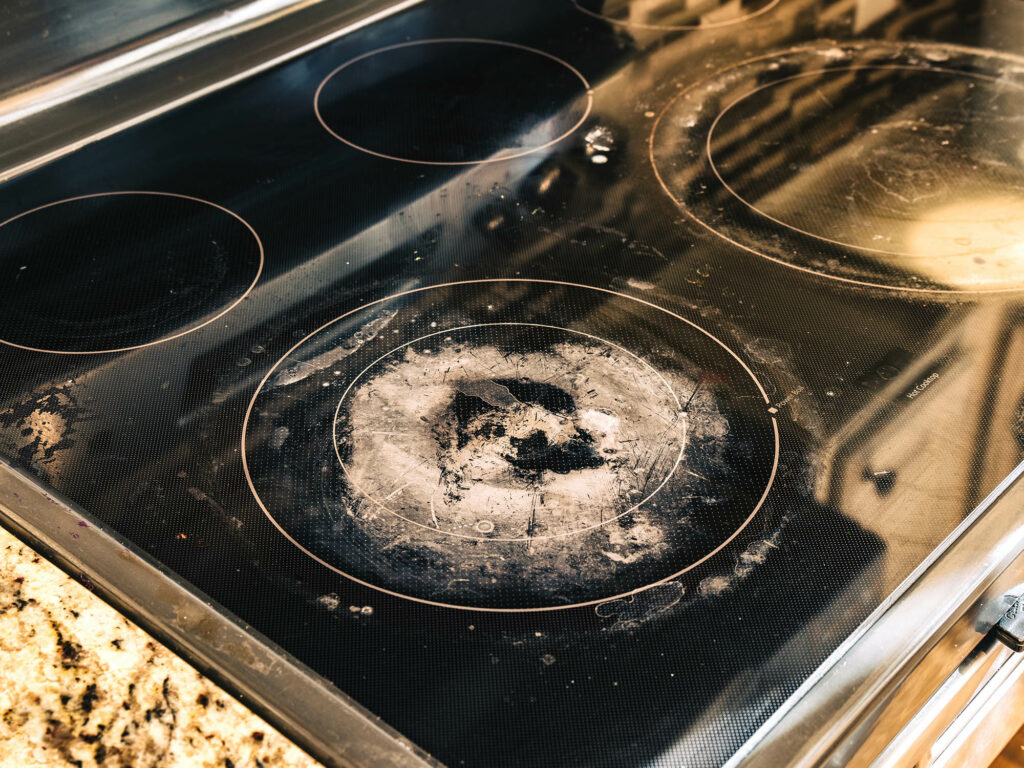
Your glass top stove isn’t just a cooking surface; it’s a valuable asset in your home, impacting both your daily budget and your property’s overall value. Neglecting its cleanliness can lead to premature wear, reduced efficiency, and ultimately, significant financial outlays. Burned-on food, grease, and mineral deposits, if left unchecked, can scratch the surface, pit the glass, or even compromise the heating elements beneath. Such damage can degrade cooking performance, increase energy consumption due to inefficient heat transfer, and necessitate professional repairs or even a full unit replacement long before its expected lifespan.
From a financial perspective, preventative maintenance through regular cleaning is an insurance policy. It protects the initial investment made in the appliance, which can range from a few hundred to several thousand dollars. Extending the lifespan of your stove by even a few years can translate into substantial savings, freeing up funds that would otherwise be earmarked for an unplanned appliance purchase. Moreover, a well-maintained kitchen, including pristine appliances, contributes positively to your home’s appeal and resale value, acting as a small but tangible boost to your overall financial equity. Prioritizing routine cleaning is a simple, low-cost strategy to safeguard your assets and optimize your household budget.
The Hidden Costs of Neglect
The true cost of a dirty glass top stove extends beyond the visible grime. A compromised surface can lead to:
- Increased Energy Bills: Scratches, pits, and residue can create uneven heating, forcing the stove to work harder and consume more electricity to reach and maintain desired temperatures. This incremental increase in utility costs can accumulate significantly over time.
- Premature Depreciation: Just like a car, an appliance depreciates over time. However, a poorly maintained stove depreciates at an accelerated rate, losing its functional and aesthetic value much faster. This impacts its potential resale value should you move or decide to upgrade.
- Expensive Repairs: Burned-on sugars or plastics can bond permanently with the glass, requiring specialized tools or professional service to remove, often at a premium. Deep scratches can weaken the glass, making it susceptible to cracking, a repair that often costs as much as a new entry-level stove.
- Reduced Culinary Efficiency: Cooking on a grimy surface is less efficient and less enjoyable. This might subtly push you towards more takeout or restaurant meals, adding to your food budget unnecessarily.
Cost-Effective Cleaning Solutions for Optimal Performance
Choosing the right cleaning products for your glass top stove is a balance between effectiveness, safety, and financial prudence. While a plethora of specialized cleaners exist, many affordable and readily available household items can achieve excellent results, minimizing your recurring cleaning expenses.
Budget-Friendly DIY Solutions
For routine cleaning and light spills, several common household items offer powerful, non-abrasive cleaning at a fraction of the cost of commercial products:
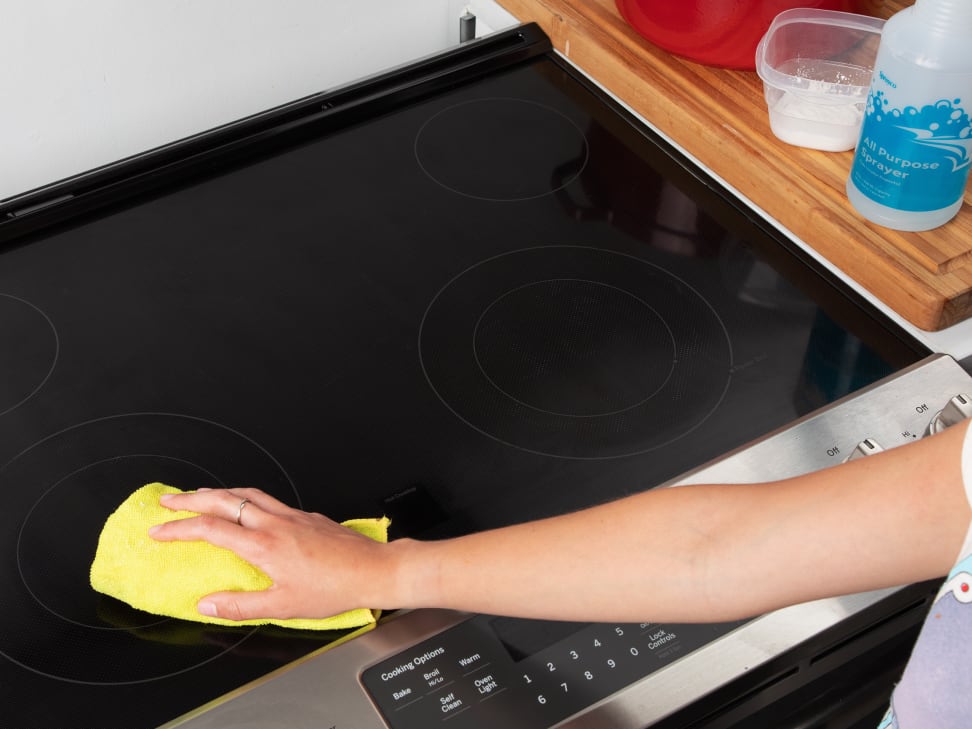
- White Vinegar: An acidic powerhouse, white vinegar is excellent for cutting grease and dissolving mineral deposits. For daily wipedowns, a spray bottle filled with a 1:1 solution of white vinegar and water can be used. After cooking, let the surface cool, spray generously, and wipe with a soft microfiber cloth. This method is incredibly cost-effective, using a product often bought in bulk for various household uses, thus reducing your overall cleaning budget.
- Baking Soda: A mild abrasive and deodorizer, baking soda is superb for tackling more stubborn grime without scratching the glass. For dried spills, sprinkle a generous layer of baking soda over the cooled surface. Then, soak a clean towel in hot water, wring it out slightly, and lay it over the baking soda. Let it sit for 15-30 minutes. The baking soda, activated by the moisture and heat, will gently lift the grime. After removing the towel, use it to wipe away the paste. Finish with a vinegar spray for a streak-free shine. This method leverages an inexpensive pantry staple, offering significant savings compared to proprietary pastes.
- Dish Soap: For general grease and food splatters, a few drops of mild dish soap diluted in warm water can be effective. Use a soft sponge or cloth to wipe down the cooled surface. Its degreasing properties make it a good first line of defense before resorting to stronger methods, and it’s a product already present in most kitchens, requiring no extra purchase.
When to Invest in Specialized Cleaners
While DIY solutions are excellent for routine maintenance, some challenges warrant the use of specialized glass top stove cleaners. These products are formulated with mild abrasives and chemical compounds designed to tackle tough, burned-on stains without damaging the ceramic or glass surface.
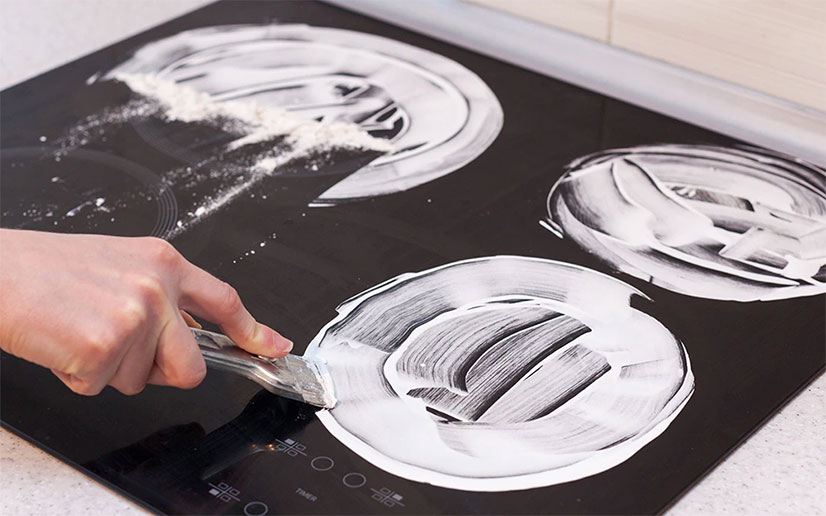
- Ceramic Cooktop Cleaner: For heavily burned-on food, sugar spills that have hardened into a plastic-like residue, or stubborn discoloration, a dedicated ceramic cooktop cleaner is a wise investment. These typically come in a cream or paste form and often include a non-scratch scrubbing pad. While more expensive per application than vinegar or baking soda, they are highly effective at preventing permanent damage that could lead to costly repairs. A small tube can last for months, making the per-use cost negligible when weighed against the alternative of a damaged stove. Look for brands specifically recommended by stove manufacturers, as these often guarantee non-abrasive action.
- Scrapers (Razor Blades): For extremely hardened, localized spots (like melted plastic or stubborn burnt sugar), a single-edge razor blade scraper, held at a shallow angle (around 30 degrees) to the surface, can be carefully used. This should be a last resort and used with extreme caution to avoid scratching. The cost of a scraper is minimal, often a one-time purchase, and it can prevent professional intervention.
When selecting specialized cleaners, consider their value proposition: effectiveness against specific tough stains, non-abrasive properties to protect the stove’s surface, and the longevity of the product. Investing a few dollars in the right cleaner can save hundreds in repair or replacement costs down the line.
Integrating Appliance Maintenance into Your Financial Plan
A proactive approach to appliance maintenance should be a cornerstone of any sound personal finance strategy. Just as you budget for car maintenance or home repairs, allocating resources and time for household appliance care is crucial for long-term financial stability and asset preservation.
Establishing a Maintenance Routine
Consistency is key to preventing costly build-ups. A simple, three-tiered cleaning strategy can effectively manage both cleanliness and cost:
- Daily Wipe-Down (Post-Cooking): After every use, once the stove has cooled, wipe it down with a damp microfiber cloth or a vinegar/water solution. This removes fresh spills before they have a chance to harden. This daily habit costs virtually nothing beyond the initial purchase of a cloth and a bottle of vinegar, yet it’s the most impactful preventative measure.
- Weekly Deep Clean: Once a week, use baking soda and the hot towel method to address any minor build-up or more stubborn stains. This ensures nothing accumulates to a point where a specialized cleaner or scraper becomes necessary, keeping your recurring expenses minimal.
- Monthly/Quarterly Intensive Treatment: Depending on usage, every month or quarter, inspect the stove for any hard-to-remove residue. This is when a specialized ceramic cooktop cleaner might be employed. The cost here is occasional, perhaps a few dollars per application, but it prevents irreversible damage.
Budgeting for Cleaning Supplies
Instead of viewing cleaning supplies as an incidental expense, integrate them into your household budget. A small monthly allocation – perhaps $5-$10 – can cover the cost of vinegar, baking soda, dish soap, microfiber cloths, and occasional specialized cleaners. This consistent budgeting ensures you always have the right tools on hand, preventing the justification of postponing cleaning due to lack of supplies, which can lead to larger financial problems down the line. This approach aligns with responsible financial planning, where small, regular outlays prevent larger, unexpected expenditures.
By adopting a disciplined approach to cleaning your glass top stove, you are not just maintaining its appearance; you are actively managing a household asset, extending its useful life, avoiding unnecessary expenses, and contributing to the overall financial health of your home. It’s a small, consistent effort with significant long-term financial rewards.
aViewFromTheCave is a participant in the Amazon Services LLC Associates Program, an affiliate advertising program designed to provide a means for sites to earn advertising fees by advertising and linking to Amazon.com. Amazon, the Amazon logo, AmazonSupply, and the AmazonSupply logo are trademarks of Amazon.com, Inc. or its affiliates. As an Amazon Associate we earn affiliate commissions from qualifying purchases.