
In the modern landscape of personal finance, the “wellness” category has shifted from an occasional luxury to a standard line item in many household budgets. Whether it is a membership to a local gym, a subscription to a meditation app, or regular sessions with a licensed massage therapist, these expenses require a calculated approach to ensure they provide a return on investment for your physical health without jeopardizing your financial stability.
One of the most common points of confusion in this spending category is the protocol for gratuity. Tipping for a massage is not merely a social gesture; it is a significant component of the service economy that affects both the consumer’s personal budget and the service provider’s bottom line. To manage your finances effectively while maintaining professional relationships, it is essential to understand the economics behind the massage table.

The Economics of the Wellness Industry
To understand what to tip, one must first understand how massage therapy functions as a business. The “sticker price” you see on a spa menu or a therapist’s website rarely represents the take-home pay of the individual performing the service. From a business finance perspective, the revenue generated from a single session is distributed across several overhead costs.
Understanding Service Fees vs. Take-Home Pay
In a standard commercial spa setting, a massage therapist may only receive 30% to 50% of the total service fee. The remainder is allocated to the business’s overhead: rent, utilities, laundry services, marketing, front-desk staff, and massage supplies like oils and linens. When a consumer views a $100 massage through the lens of a simple transaction, they might assume the therapist is earning a high hourly wage. However, after the house takes its cut, the therapist’s actual earnings may fall closer to a modest hourly rate. Gratuity, therefore, serves as a direct supplement to their income, often representing the difference between a living wage and financial struggle.
The Economics of the Independent Contractor
Many therapists operate as independent contractors or “solopreneurs.” In these instances, while they keep 100% of the service fee, their overhead is significantly higher. They are responsible for self-employment taxes, health insurance, professional liability insurance, and the continuing education units (CEUs) required to maintain their licensure. For the client, understanding this financial structure helps in categorizing the tip not as an “extra” but as a necessary component of the value exchange in the service-based gig economy.
Standard Tipping Guidelines for Personal Budgeting
From a personal finance standpoint, transparency in pricing is key to accurate budgeting. When you book a massage, you should never budget based on the advertised price alone. Instead, you should calculate the “True Cost” of the service, which includes the base price, taxes, and a standard tip.
The 15-20% Rule of Thumb
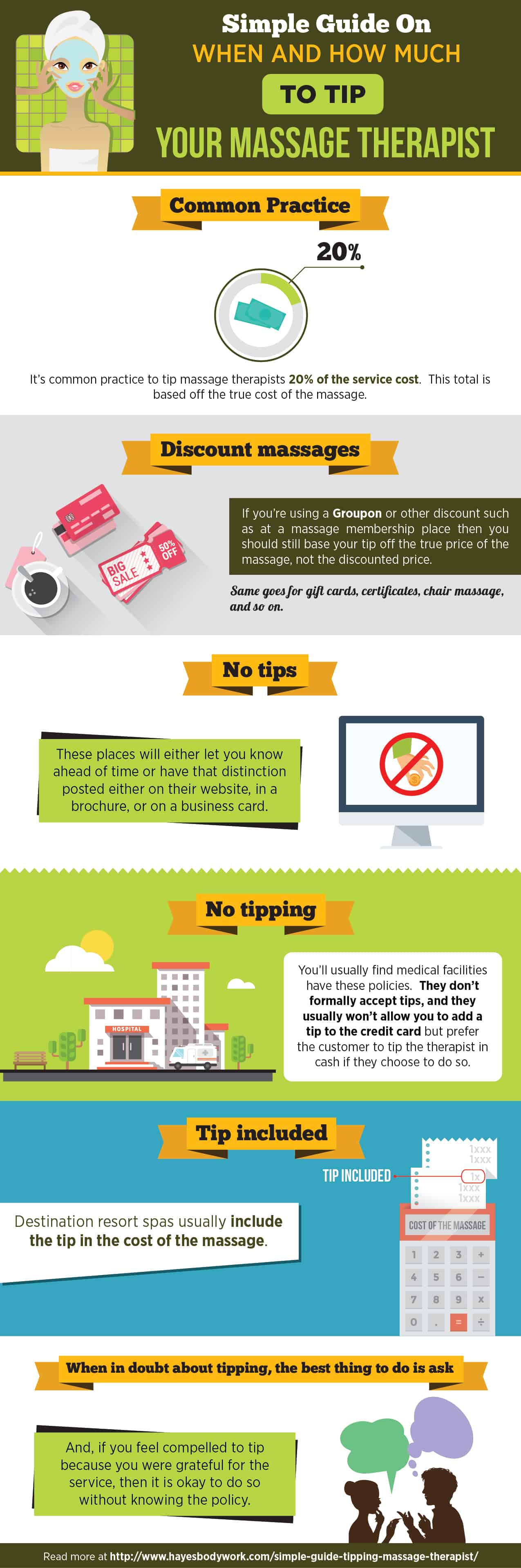
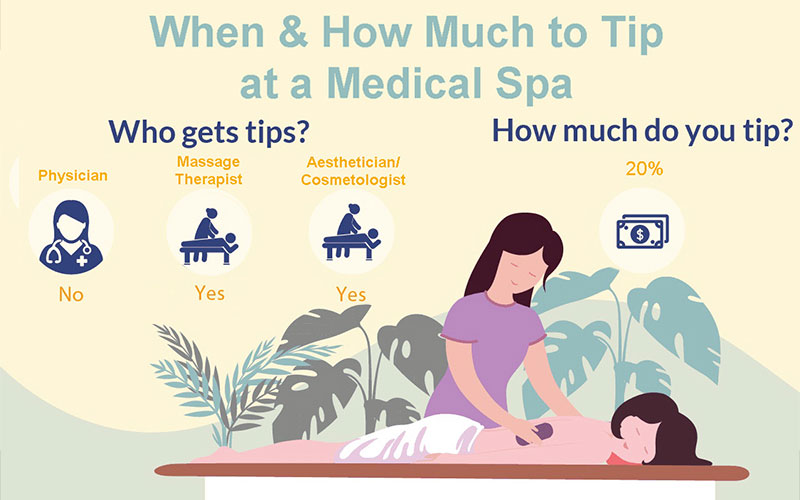
The gold standard for tipping in the wellness industry mirrors that of the high-end service industry: 15% to 20% of the pre-discounted price. If a massage costs $100, a $20 tip is considered the standard for good service. If you are budgeting for monthly wellness, you should add a 20% buffer to your “Wellness” sinking fund to ensure you aren’t caught off guard at the checkout counter.
It is important to note that if you are using a gift certificate or a discounted voucher (such as those from Groupon), you should always tip based on the original value of the service, not the discounted price. Failing to do so significantly reduces the therapist’s expected income for that hour of labor, which remains the same regardless of the marketing promotion used to bring the client in the door.
Factoring Gratuity into Your Monthly Wellness Budget
For those who treat massage therapy as a regular part of their healthcare or stress management routine, these costs can add up. If you receive a $120 massage once a month, the annual cost is $1,440. However, when a 20% tip ($24) is factored in, the annual investment rises to $1,728. When performing a quarterly financial audit, ensuring that these “hidden” costs are accounted for prevents “lifestyle creep” from eroding your savings goals. If the 20% tip makes the service unaffordable, it may be a signal to look for a more cost-effective provider or to reduce the frequency of sessions.
Strategic Spending: When to Tip More or Less
Not all massage sessions are created equal, and from a financial management perspective, there are times when it is appropriate to adjust your gratuity strategy. Being a “savvy spender” in the service economy involves recognizing the nuances of different professional environments.
Tipping in Medical vs. Luxury Settings
The environment in which you receive your massage dictates the tipping etiquette. At a high-end resort spa, where you have access to saunas, robes, and refreshments, the overhead is high and the service is luxurious. In these settings, a 20% tip is the baseline.
Conversely, if you are receiving medical massage or manual therapy in a clinical setting—such as a physical therapy office or a chiropractor’s clinic—the rules change. In a clinical or medical environment, tipping is often not expected and, in some cases, may even be prohibited due to insurance regulations or professional ethics codes. From a money-saving perspective, if your goal is purely functional recovery, seeking a clinical setting can be more budget-friendly as it removes the expectation of a 20% gratuity.
Holiday Bonuses and Long-Term Professional Relationships
If you have a long-term relationship with a specific therapist, your tipping strategy should shift from a per-transaction mindset to a relationship-management mindset. Similar to how one might tip a hairstylist or a personal trainer, a “holiday bonus” (typically the cost of one full session) is a standard practice for regular clients. While this is an additional annual expense, it is a strategic investment in the quality of service and the longevity of a professional relationship that contributes to your overall well-being.
The Impact of Tipping on the Service Provider’s Bottom Line
In the broader context of business finance and the “side hustle” economy, tipping is a powerful tool for wealth distribution and income stability. For the service provider, tips are not just “bonus money”; they are a critical part of their financial planning.
Income Stability in the Gig Economy
Massage therapy is physically demanding labor. Most therapists can only perform 20 to 25 hours of “hands-on” work per week before risking burnout or repetitive strain injuries. Because their earning potential is capped by physical limits, tips represent a significant percentage of their total gross income. For a consumer, providing a consistent tip is an act of supporting a small business or an individual professional’s financial viability.
Tax Implications and Cash vs. Digital Gratuity
From a financial tool perspective, the method of tipping matters. While many spas allow you to add a tip to a credit card transaction, many therapists prefer cash. Why? Credit card processing fees often eat into the tip (sometimes 2% to 3%), and some businesses may delay the payout of credit card tips until the next payroll cycle. Cash provides the therapist with immediate liquidity.
However, from a professional accounting standpoint, all tips—whether cash or digital—are considered taxable income. For the therapist, tracking these accurately is essential for tax compliance and for proving income when applying for mortgages or car loans. As a client, choosing the tipping method that best supports the therapist’s cash flow is a mark of a sophisticated and respectful consumer.
Financial Etiquette as a Value Exchange
Ultimately, deciding what to tip for a massage is an exercise in valuing professional labor. In a world where “automated” and “AI-driven” services are becoming the norm, human-centric services like massage therapy hold a unique place in the economy. They cannot be outsourced or automated, and their pricing reflects the high cost of human time and physical effort.
When you incorporate massage into your financial plan, you are participating in a micro-economy of wellness. By adhering to the 15-20% standard, budgeting for the “True Cost,” and adjusting your strategy based on the setting, you ensure that your pursuit of personal health is financially responsible and ethically sound.
Tipping is not just about the dollars and cents exchanged at the end of an hour; it is about sustaining the professional ecosystem that allows these services to exist. By treating gratuity as a fixed part of your wellness budget rather than an optional afterthought, you bring a level of professional discipline to your personal finances that benefits both you and the practitioner. In the long run, the financial health of your service provider is what ensures the continued availability of the high-quality care you rely on for your own physical and mental performance.
aViewFromTheCave is a participant in the Amazon Services LLC Associates Program, an affiliate advertising program designed to provide a means for sites to earn advertising fees by advertising and linking to Amazon.com. Amazon, the Amazon logo, AmazonSupply, and the AmazonSupply logo are trademarks of Amazon.com, Inc. or its affiliates. As an Amazon Associate we earn affiliate commissions from qualifying purchases.