
In the modern healthcare landscape, the “hospital bag” has evolved far beyond a change of clothes and a toothbrush. As medical facilities become increasingly digitized, the patient experience is being redefined by the technology we bring across the threshold. Preparing for surgery is a high-stress event, but optimizing your tech stack can significantly alleviate the friction of recovery, maintain your connection to the outside world, and provide critical data for your medical team.
Whether you are facing a minor outpatient procedure or a major multi-day stay, your technological preparation is a pillar of modern patient advocacy. This guide explores the essential gadgets, software tools, and digital security measures you should pack to ensure your recovery is as seamless and connected as possible.
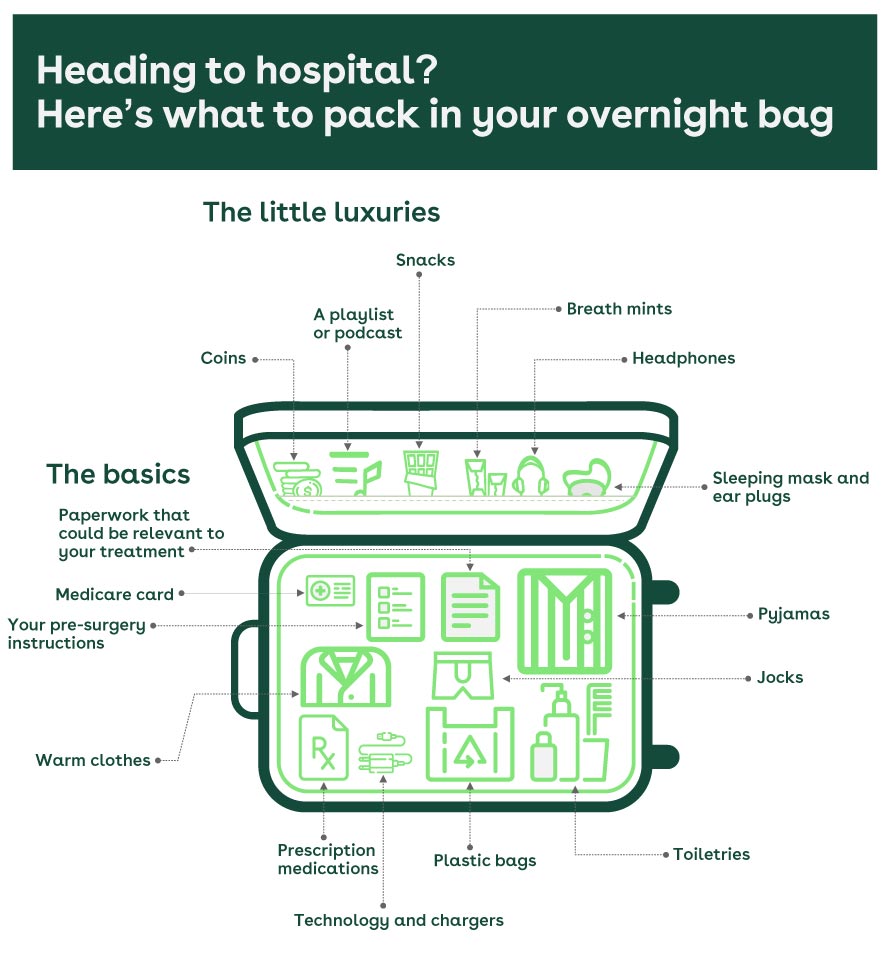
1. Power and Connectivity: Building Your Recovery Infrastructure
The most common frustration for hospitalized patients isn’t the food or the gowns—it’s the lack of accessible power outlets. Hospital rooms are designed for medical equipment, not consumer electronics. To maintain your digital life, you must plan your power infrastructure strategically.
High-Reach Charging Solutions
Hospital beds are often positioned several feet away from the nearest available wall outlet. A standard three-foot charging cable will rarely suffice. To stay connected, invest in a 10-foot braided USB-C or Lightning cable. Braided cables are preferable as they withstand the constant movement of adjustable beds and the occasional wheel of an IV pole. Furthermore, consider a multi-port GaN (Gallium Nitride) charger. These chargers are compact yet powerful enough to charge a laptop, a tablet, and a phone simultaneously from a single outlet, minimizing the footprint of your gear in a cramped room.
Portable Power Reservoirs
There are moments during hospital transfers, tests, or power outages where you may be separated from a wall outlet. A high-capacity power bank (20,000mAh or higher) is a non-negotiable inclusion. Look for models with “Pass-Through Charging,” which allows you to charge the power bank while it simultaneously charges your devices. This ensures that even if you are moved to a recovery ward where outlets are occupied, your primary communication lines remain open.
Connectivity Reliability and VPNs
While most hospitals offer guest Wi-Fi, these networks are notoriously slow and often lack the bandwidth for high-definition streaming or video calls. If your recovery involves significant downtime, consider a dedicated mobile hotspot or ensuring your smartphone plan allows for high-speed tethering. Crucially, because hospital Wi-Fi is a public network, digital security is paramount. Before you check in, install a reputable Virtual Private Network (VPN) on all devices. This encrypts your data, protecting your personal information and sensitive medical correspondence from potential interceptors on the shared network.
2. Audio and Environmental Control: The Tech of Silence
Hospitals are sensory-overload environments. Between the rhythmic chirping of monitors, the hum of HVAC systems, and the constant movement in the hallways, finding the peace necessary for healing can be difficult. Tech-driven environmental control is your best defense.
Active Noise Cancellation (ANC)
The gold standard for any hospital stay is a high-quality pair of noise-canceling headphones. Over-ear models generally offer better battery life and superior isolation, which is critical for blocking out the high-frequency “alarm fatigue” sounds prevalent in surgical wards. However, if you find over-ear models uncomfortable for sleeping, high-end ANC earbuds with “Transparency Mode” allow you to toggle between total silence and being able to hear a nurse’s instructions without removing the device.
Sleep Tech and Soundscapes
Sleep is the primary engine of surgical recovery, yet it is often the hardest thing to achieve in a clinical setting. Beyond hardware, curate a library of “Sleep Tech.” This includes apps dedicated to white noise, pink noise, or spatial audio environments. Unlike standard music, these apps use AI-driven algorithms to generate non-repetitive sounds that mask environmental disturbances, helping your brain enter a deep REM cycle despite the interruptions of vital-sign checks.
Digital Content Strategy
Post-surgery cognitive fog is a real phenomenon. You may find that you lack the focus for complex novels or high-stakes films. Prepare your “Digital Recovery Library” with a mix of low-effort and high-engagement content. This should include downloaded audiobooks, podcasts, and “comfort” media. Ensure this content is available offline; hospital Wi-Fi often drops out in the middle of a floor, and you don’t want your recovery interrupted by a buffering wheel.
3. Health Monitoring and Biofeedback Integration

Modern surgery recovery doesn’t end when you leave the operating room; it begins. Utilizing wearable technology and health-tracking software allows you to be an active participant in your post-operative care, providing your surgeons with objective data.
Wearable Synchronization
If you use a smartwatch or fitness tracker, ensure it is synced with your hospital’s patient portal (such as Epic’s MyChart or Cerner’s HealtheLife). Many modern hospitals now allow for the integration of patient-generated health data (PGHD). By tracking your resting heart rate, sleep quality, and steps post-surgery, you provide a digital “paper trail” of your recovery. This data can be vital for spotting early signs of complications, such as post-operative tachycardia or respiratory distress, before they become emergencies.
Smart Medication and Symptom Management
The complexity of post-op medication schedules can be overwhelming, especially when managing pain. Utilize dedicated medication-tracking apps that offer more than simple alarms. Look for tools that allow you to log “PRN” (as needed) medications, tracking exactly when you took a dose and your pain level at that time. Using these tools to create a digital log provides your medical team with an accurate picture of your pain management efficacy, allowing for more precise adjustments to your prescriptions.
Virtual Care and Telehealth Readiness
The trend in modern surgery is toward “hospital-at-home” models. This means you may be discharged earlier with the expectation of virtual follow-ups. Ensure your primary device is optimized for telehealth. Test your camera and microphone, and familiarize yourself with the specific video platform your surgical team uses. Having these apps pre-installed and logged in reduces the stress of your first post-op “visit” from your own living room.
4. Digital Security and Information Management
A hospital stay involves the constant exchange of sensitive personal and financial information. Protecting your digital identity is just as important as protecting your physical health during this vulnerable time.
Secure Access to Medical Records
Before surgery, digitize all your essential documents. This includes your surgical consent forms, advanced directives, insurance cards, and a comprehensive list of current medications. Store these in a secure, encrypted digital vault or a password-protected folder in your cloud storage. Having instant access to these PDFs on your phone or tablet prevents administrative delays and ensures that if a question arises about your care plan, you have the “source of truth” at your fingertips.
Biometric Security and Device Protection
In a busy hospital ward, devices can sometimes be left unattended. Ensure that every device you take—phone, tablet, laptop—is secured with robust biometric locks (FaceID or Fingerprint). This is faster and more secure than typing a PIN while potentially groggy from anesthesia. Additionally, enable “Find My Device” services on all hardware. Some patients even go as far as attaching Bluetooth trackers (like AirTags) to their physical bags to ensure they aren’t misplaced during room transfers.
Designating a Digital Proxy
Just as you have a medical power of attorney, you should designate a “Digital Proxy.” This is a trusted individual who has the necessary access to your devices or specific emergency contacts in the event that you are unable to communicate. Many smartphones now have a “Legacy Contact” or “Medical ID” feature that can be accessed from the lock screen. Ensure this is updated with your surgeon’s name, your allergies, and your emergency contact’s phone number.
5. The Future of Recovery: AI and Personalized Care
As we look toward the future of surgical recovery, Artificial Intelligence (AI) is beginning to play a role in how patients manage their stay. Bringing AI-integrated tools can provide a layer of personalized insight previously unavailable.
AI-Driven Recovery Assistants
There are now emerging platforms that use AI to analyze your specific surgical procedure and generate a personalized recovery timeline. These tools can synthesize your discharge notes—which are often written in dense medical jargon—into actionable, daily checklists. By utilizing AI to “translate” medical instructions, you can gain a clearer understanding of your dietary restrictions, movement goals, and red-flag symptoms.
Smart Home Integration for Post-Discharge
Your tech preparation should extend to the environment you return to. If you are heading home post-surgery, set up your smart home ecosystem before you leave for the hospital. Smart bulbs with voice control allow you to adjust lighting without getting out of bed; smart thermostats ensure your environment is optimized for healing; and voice-activated assistants (like Alexa or Google Assistant) can be used to call for help or set reminders if your mobility is limited.
Conclusion
The modern hospital bag is a testament to how far we have come in integrating technology into the human experience. By treating your surgical stay as a “mobile office” for recovery, you empower yourself with the tools of connectivity, the comfort of high-end audio, the precision of health data, and the safety of digital security. Taking the time to curate this digital kit ensures that while your body is focused on healing, your digital life remains secure, synchronized, and supportive of your journey back to health. Preparation is the bridge between a stressful recovery and a streamlined one—make sure your tech is ready to cross it with you.
aViewFromTheCave is a participant in the Amazon Services LLC Associates Program, an affiliate advertising program designed to provide a means for sites to earn advertising fees by advertising and linking to Amazon.com. Amazon, the Amazon logo, AmazonSupply, and the AmazonSupply logo are trademarks of Amazon.com, Inc. or its affiliates. As an Amazon Associate we earn affiliate commissions from qualifying purchases.