
In the world of event-based food service and community-driven business models, few ventures offer the scalability and consistent demand of the fish fry. Whether you are operating a weekend side hustle, a seasonal pop-up, or a full-scale catering operation, the “fish fry” represents a unique intersection of low operational complexity and high volume potential. However, the difference between a break-even event and a high-margin success story lies almost entirely in what you choose to serve.
Menu engineering for a fish fry requires a rigorous focus on the Cost of Goods Sold (COGS), labor efficiency, and perceived value. By treating your menu as a financial portfolio rather than a culinary list, you can maximize your Return on Investment (ROI) while maintaining a high standard of quality that ensures repeat customers.
The Economics of the Fish Fry: Why Menu Selection is Your Best Financial Tool
Before selecting your proteins or starches, it is essential to understand the fiscal architecture of a successful fish fry. Unlike a traditional restaurant with a vast menu, a fish fry succeeds through specialization. This specialization allows for bulk purchasing power and minimized inventory waste.
Cost of Goods Sold (COGS) in Seafood
Seafood prices are notoriously volatile, influenced by seasonal availability, fuel costs for shipping, and global supply chain fluctuations. When deciding what to serve, you must analyze the price per pound of your primary protein relative to its yield. For example, fresh-caught local fish may have high marketing value but can suffer from inconsistent supply and higher preparation labor costs. Conversely, IQF (Individually Quick Frozen) fillets offer price stability and uniform portioning, which is the cornerstone of predictable profit margins.
Maximizing Yield and Minimizing Waste
Waste is the primary enemy of profitability in the food industry. In a fish fry model, waste occurs through over-portioning and spoilage. A disciplined menu focuses on items with a long shelf-life (like dry batter mixes) and proteins that can be held at temperature without losing quality. By serving a streamlined menu, you ensure that every dollar spent on inventory has a direct path to revenue.
The Main Event: Selecting High-Margin Proteins
The fish is the centerpiece of your brand, but it also represents your largest expense. The goal is to select a protein that resonates with your target market while keeping your plate cost within the 25% to 35% range.
Catfish vs. Tilapia vs. Cod: Comparing Profitability
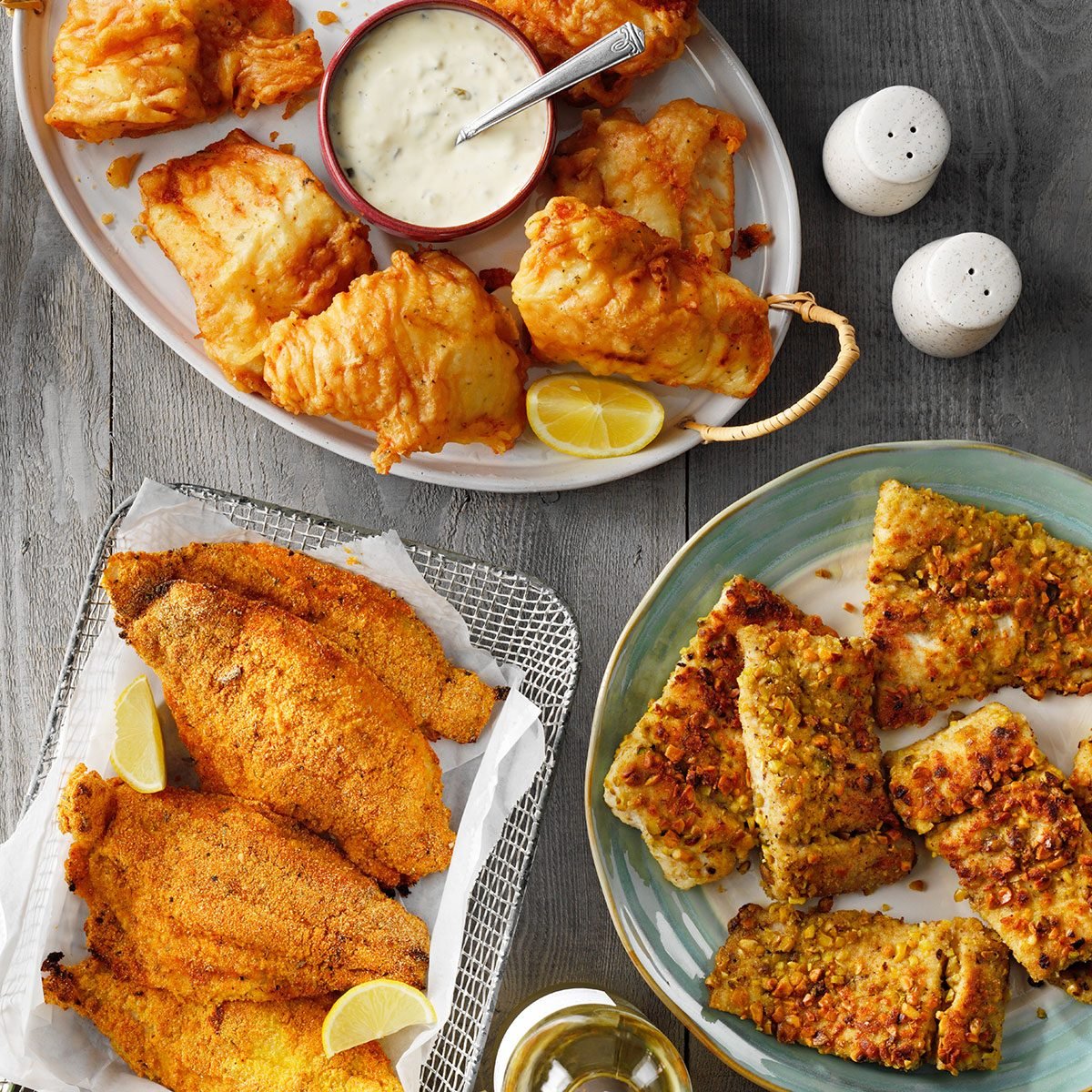
Catfish is the traditional gold standard for Southern-style fish fries. It has high brand equity and allows for a premium price point. However, catfish prices can spike during certain seasons.
Tilapia, on the other hand, is the workhorse of the high-volume fish fry. It is highly cost-effective, readily available, and possesses a mild flavor profile that appeals to a broad demographic. For a business focused on the highest possible margins, tilapia often wins.
Cod and Haddock are essential for “Friday Night Fish Fry” traditions common in the Midwest and Northeast. While more expensive than tilapia, they allow for a “Premium Alaskan” or “Atlantic” branding strategy, justifying a higher ticket price. The key is to choose one primary fish to anchor your menu, reducing the complexity of your fryer setup and oil management.
Portion Control Strategies for Scaling Revenue
In the business of fish fries, “eyeballing” portions is a recipe for financial leakage. Implementing standardized portion sizes—typically 5 to 7 ounces of fish per plate—ensures that your projected margins match your actual bank deposits. Utilizing pre-portioned fillets or using a digital scale during prep sessions can save hundreds of dollars in hidden costs over a single weekend of operation.
High-Margin Sides: Turning Pennies into Dollars
While the fish brings the customers in, the side dishes are where the real profit is generated. The ideal fish fry side dish is inexpensive to produce, easy to serve in high volumes, and highly filling.
The Power of Starch: Potatoes and Cornbread
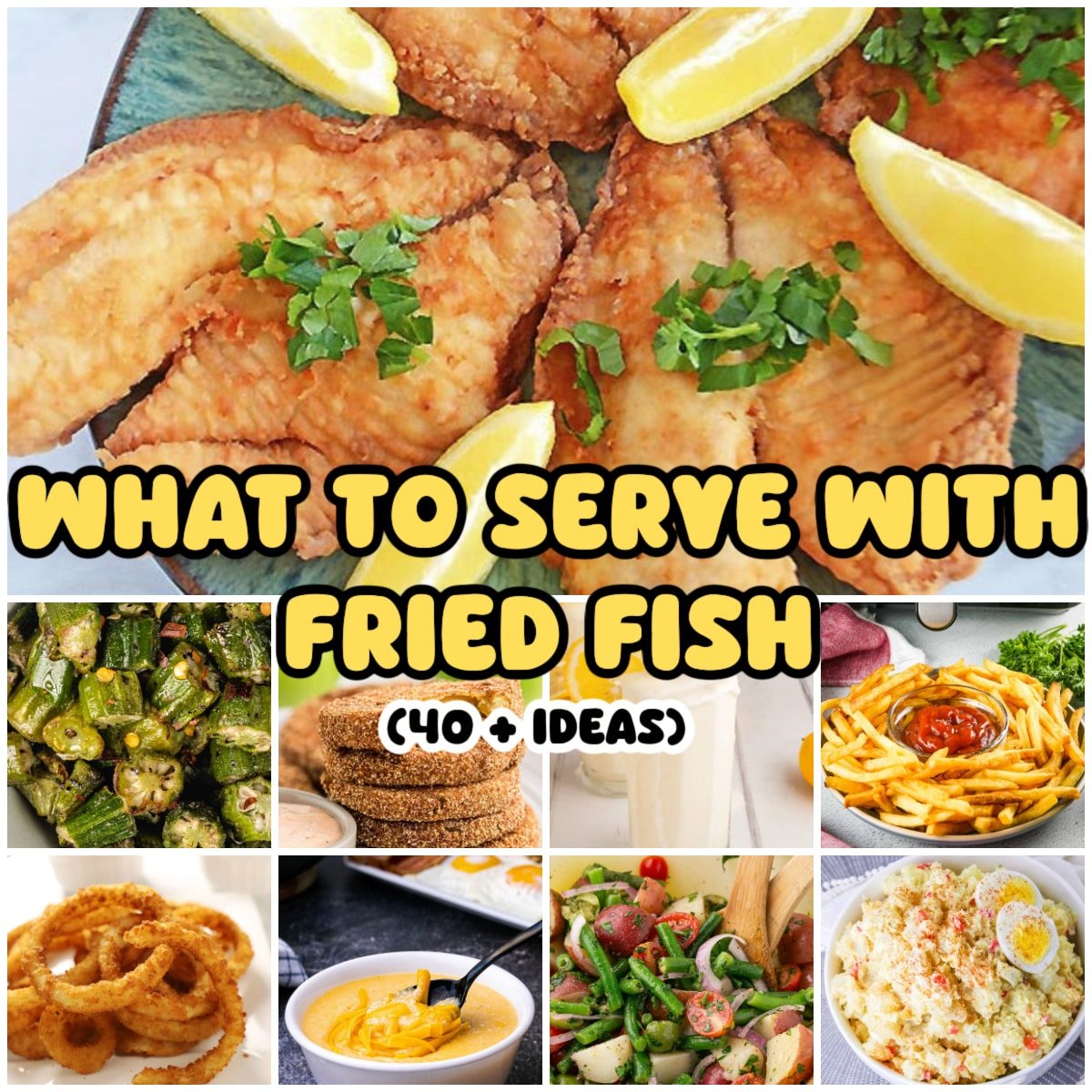
Potatoes are arguably the most profitable item on a fish fry menu. Whether served as French fries, potato salad, or wedges, the markup on a potato is significant. A 50-pound bag of potatoes can be converted into hundreds of dollars of revenue.
Similarly, hush puppies—a staple of the fish fry experience—are essentially deep-fried cornmeal. They cost mere cents to produce but add significant perceived value to a “platter” or “combo deal.” By offering “unlimited hush puppies” or a generous portion of fries, you increase customer satisfaction without significantly impacting your COGS.
Coleslaw and Condiments: Low-Cost Value Adders
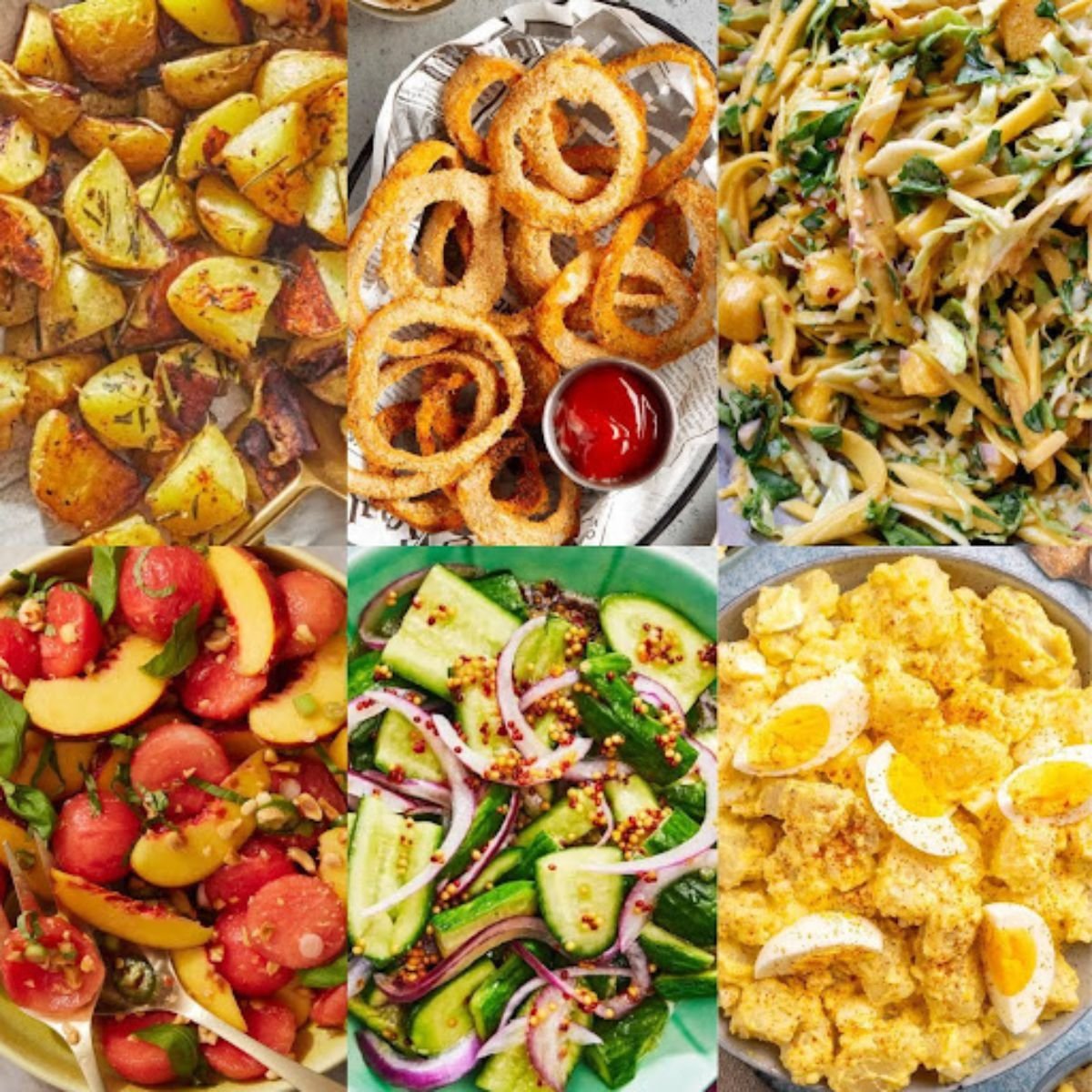
Coleslaw serves a dual purpose: it provides a necessary acidic contrast to the fried food, and it is incredibly cheap to manufacture in bulk. Cabbage and carrots, when purchased whole and processed in-house, offer a massive margin.
Condiments should not be overlooked as a financial factor. Homemade tartar sauce or a “signature” spicy remoulade can be used as a branding tool. While individual packets are convenient for labor, bulk-dispensed house-made sauces are more cost-effective and elevate the brand above a generic fast-food experience.
Operational Efficiency and Revenue Streams
A profitable fish fry is as much about logistics as it is about cooking. Your menu must be designed for speed. The faster you can turn a ticket, the higher your daily revenue potential.
Upselling and Tiered Packages
To maximize the average transaction value (ATV), your menu should be structured around tiers.
- The Basic Plate: Fish, bread, and one side.
- The Deluxe Platter: Fish, three sides, a drink, and a dessert.
- The Family Pack: Bulk fish and sides designed for a lower price-per-head but a much higher total ticket.
By framing your menu this way, you encourage customers to move from a $12 spend to a $20 spend. The incremental cost of adding an extra side and a drink is minimal, but the impact on your bottom line is substantial.
Beverage Programs and Dessert Add-ons
Never leave money on the table by omitting beverages. Bottled water and canned sodas have low margins compared to fountain drinks or house-made iced tea. A gallon of sweet tea costs less than a dollar to brew but can yield $15 to $20 in revenue.
Desserts, such as banana pudding or peach cobbler, can be pre-packaged in individual containers. These are “impulse buy” items that require zero additional labor during the heat of service. If 30% of your customers add a $4 dessert, your daily profit increases significantly with almost no added operational friction.
Scaling Your Fish Fry into a Sustainable Business Model
If your goal is to move beyond a one-time event into a recurring revenue stream, you must consider the “Fish Fry” as a brand and a financial entity. This involves professionalizing your procurement and diversifying your service channels.
Catering and Event Logistics
The most profitable fish fries are often those that are “pre-sold.” Catering corporate events, weddings, or community fundraisers removes the risk of unsold inventory. By securing a deposit and a guaranteed head count, you can optimize your purchasing to the exact ounce. Serving a fish fry at a private event also allows you to charge a “service fee” or “equipment rental fee,” adding non-food revenue to your balance sheet.
Marketing Your Fish Fry Brand for Long-Term Growth
In the digital age, your menu is your primary marketing collateral. High-quality photography of your golden-brown fish and vibrant sides should be the centerpiece of your social media presence.
Focus on the “Value Proposition.” In a tightening economy, the fish fry is perceived as a high-value, filling meal. Highlighting the “Family Pack” or the “Combo Deal” appeals to budget-conscious consumers looking for a treat. By positioning your fish fry as both a tradition and a smart financial choice for the consumer, you build a loyal customer base that provides the predictable cash flow necessary for business expansion.
Ultimately, what you serve at a fish fry is a reflection of your business intelligence. By balancing high-appeal proteins with ultra-low-cost sides, maintaining strict portion controls, and maximizing upselling opportunities, you transform a simple meal into a high-performance financial engine. Success in this niche is not just about the quality of the batter; it is about the precision of the margins.
aViewFromTheCave is a participant in the Amazon Services LLC Associates Program, an affiliate advertising program designed to provide a means for sites to earn advertising fees by advertising and linking to Amazon.com. Amazon, the Amazon logo, AmazonSupply, and the AmazonSupply logo are trademarks of Amazon.com, Inc. or its affiliates. As an Amazon Associate we earn affiliate commissions from qualifying purchases.