
Washington D.C. has long been synonymous with politics, monuments, and intricate policy debates. Yet, beneath the veneer of its historic architecture and legislative corridors, a profound transformation is underway. The nation’s capital is rapidly emerging as a dynamic hub for technology and innovation, challenging its traditional identity and carving out a unique niche in the global tech ecosystem. For those looking beyond the usual tourist circuits, Washington offers a fascinating glimpse into the future, where groundbreaking tech initiatives intersect with public policy, national security, and urban development.
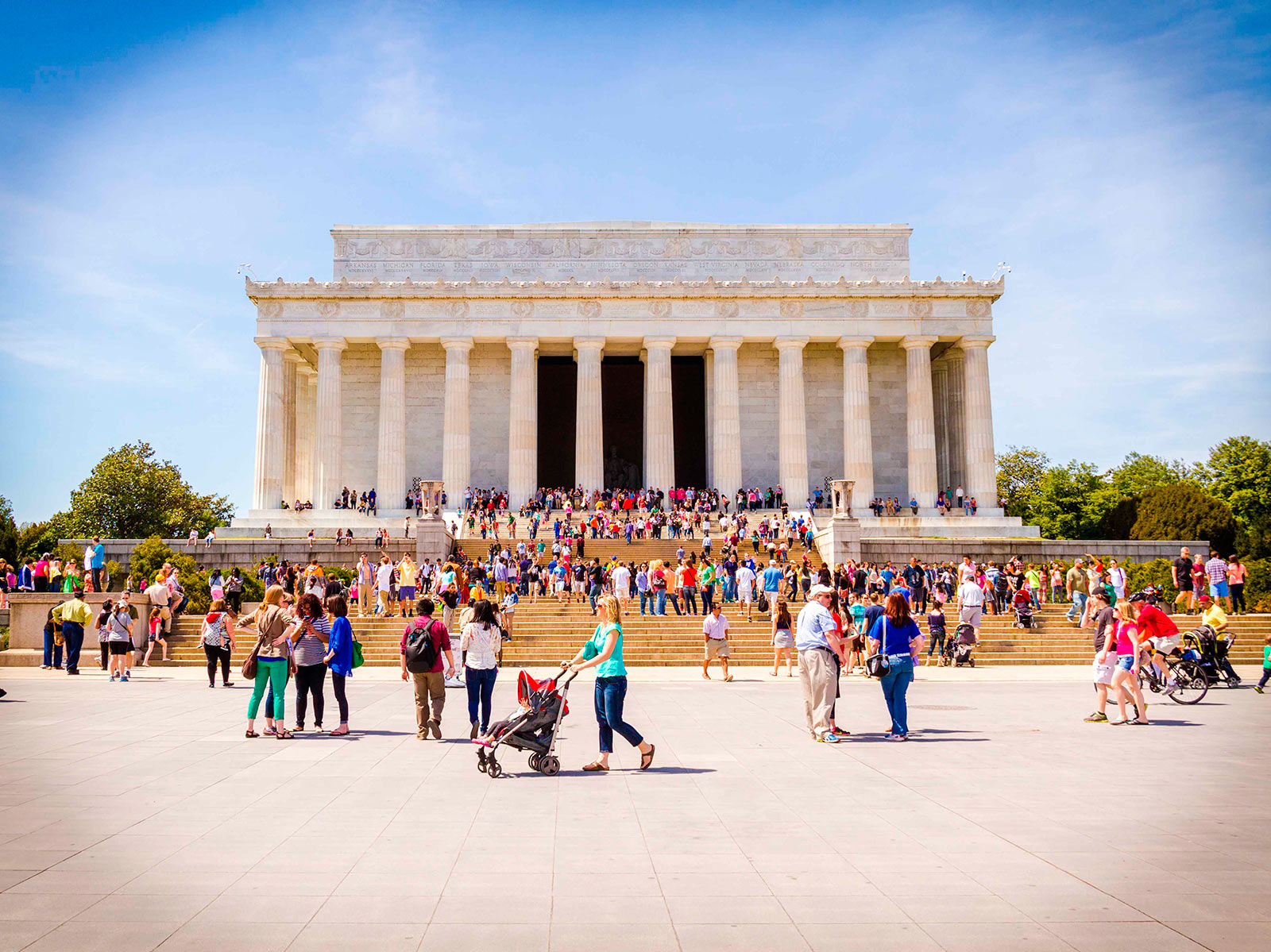
This article explores what to “see” in Washington through a technological lens – not just the physical structures, but the digital infrastructure, the innovative companies, the cutting-edge research, and the policy discussions that are shaping the future of technology. It’s about recognizing the vibrant, high-tech pulse beating at the heart of American governance and enterprise.
The Reshaping of a City: Washington D.C. as a Tech Hub
The narrative of Washington D.C. as primarily a government town is rapidly being rewritten by the influx of tech talent, venture capital, and innovative startups. This shift is not merely coincidental; it’s a deliberate evolution driven by the city’s unique assets and a growing recognition of its strategic importance. The capital is no longer just a place to observe policy; it’s a crucible where technology is being forged to impact policy, commerce, and daily life.
Beyond Government Contracts: A Vibrant Startup Ecosystem
While government contracting has historically been a significant driver of tech activity in the D.C. metro area, a new wave of independent startups is flourishing. These companies are not solely focused on federal clients but are building solutions for a global market, spanning sectors from SaaS and cybersecurity to fintech and biotech. Areas like Dupont Circle, Shaw, and the burgeoning “Innovation Corridor” stretching into Northern Virginia (often dubbed “Silicon Dominion”) are buzzing with incubators, co-working spaces, and angel investors. Venture capital funding in the D.C. region has seen consistent growth, attracting both early-stage and established funds looking to tap into the unique talent pool and proximity to decision-makers. This ecosystem thrives on cross-pollination, where former government employees or policy wonks transition into entrepreneurship, bringing invaluable insights into complex regulatory environments and public sector needs. The result is a diverse array of companies tackling problems with both commercial viability and public good in mind, creating a distinct “GovTech” sector, but also expanding far beyond it.
Talent Magnet: Attracting Tech Professionals and Innovators
Washington D.C.’s unique blend of career opportunities, cultural richness, and strong educational institutions makes it a powerful magnet for tech talent. Universities like Georgetown, George Washington, American, and the nearby University of Maryland are producing a steady stream of graduates in computer science, data analytics, cybersecurity, and information technology. Moreover, the city attracts professionals from across the nation and globe who are drawn to the chance to work at the intersection of technology and policy. Many tech professionals seek roles where their skills can contribute to national missions, whether in defense, public health, or digital governance. This concentration of highly educated and mission-driven individuals creates a fertile ground for innovation and collaboration. The presence of numerous think tanks, non-profits, and international organizations further enriches the intellectual capital, fostering a dynamic environment where ideas are constantly exchanged and refined, leading to novel technological applications and entrepreneurial ventures.
Cybersecurity and National Security: A Digital Fortress
Given its role as the seat of the U.S. government, Washington D.C. stands at the epicenter of national and global cybersecurity efforts. The city is not just a consumer of cybersecurity solutions but a critical developer and innovator in the field. This focus makes it an unparalleled place to witness the cutting edge of digital defense.
Government Agencies at the Forefront of Cyber Defense
The sheer concentration of federal agencies in Washington D.C. naturally positions it as a fortress of cyber defense. Organizations like the Department of Homeland Security (DHS), the National Security Agency (NSA), the FBI, and the Pentagon are constantly developing and deploying advanced cybersecurity measures to protect critical infrastructure, classified information, and national interests. This includes everything from threat intelligence and incident response protocols to secure coding practices and defensive cyber operations. Visitors interested in the strategic implications of technology can discern the influence of these agencies throughout the D.C. tech landscape, as their needs often drive research and development. Furthermore, the intellectual capital residing within these institutions fosters a rich environment for dialogue and collaboration on global cyber norms and policies, making Washington a key player in shaping the international digital security agenda.
Private Sector Innovations Protecting Critical Infrastructure
Complementing government efforts, a robust private sector cybersecurity industry thrives in Washington D.C. and its surrounding areas. Companies range from global giants to specialized startups, all working to secure digital assets for government, corporations, and individuals. These firms develop sophisticated tools for network security, data encryption, identity management, cloud security, and threat detection. The proximity to federal clients often means these companies are on the cutting edge, addressing some of the world’s most complex and sensitive cyber challenges. Many firms participate in public-private partnerships, sharing intelligence and expertise to enhance national cybersecurity resilience. This ecosystem creates a constant feedback loop between the public and private sectors, driving rapid innovation and ensuring that the capital remains at the vanguard of digital defense strategies. The visible manifestation of this can be seen in the numerous tech parks and corporate campuses dedicated to cybersecurity research and development, particularly in Northern Virginia.
AI, Data Science, and Public Policy: The Intersection of Innovation and Governance
The rise of artificial intelligence and advanced data science poses both immense opportunities and complex challenges for society. Washington D.C. is uniquely positioned as the global nexus where these powerful technologies are not only being developed but also debated, regulated, and integrated into public policy. For those keen to understand the societal impact of AI, D.C. offers a front-row seat.
AI’s Role in Government Operations and Citizen Services

Across federal agencies, AI and data science are being leveraged to enhance efficiency, improve decision-making, and deliver better citizen services. This includes applications in predictive analytics for urban planning, AI-driven tools for sifting through vast amounts of data for intelligence analysis, machine learning algorithms to detect fraud in government programs, and chatbots designed to streamline interactions with public services. The Department of Veterans Affairs, for example, explores AI for personalized healthcare, while the National Institutes of Health utilize data science for breakthrough medical research. These initiatives represent a deliberate effort to modernize government operations, making them more responsive and effective. Understanding these deployments offers a glimpse into how AI is being responsibly integrated into the machinery of state, setting precedents for public sector AI adoption globally.
Ethical AI and Data Privacy: Shaping the Future of Regulation
Washington D.C. is not just an adopter of AI but a critical forum for discussing its ethical implications and the need for robust data privacy frameworks. Policy debates around algorithmic bias, data security, facial recognition technology, and the future of work in an AI-driven economy are constant. Think tanks, academic institutions, congressional committees, and advocacy groups are all actively engaged in shaping regulatory approaches that balance innovation with protection of civil liberties and human rights. This dynamic environment makes D.C. a vital location for anyone interested in the governance of emerging technologies. Conferences, public hearings, and policy papers originating from Washington are instrumental in guiding global discussions on responsible AI development and deployment, making the capital a key contributor to the ethical roadmap for the digital age.
Smart City Initiatives and Urban Innovation
Washington D.C.’s commitment to becoming a smarter, more sustainable, and more connected city is evident in its various urban innovation initiatives. The capital is serving as a living laboratory for how technology can enhance urban living, improve infrastructure, and foster community engagement.
Connecting Communities: IoT and Digital Infrastructure
The city’s smart city strategy focuses on leveraging the Internet of Things (IoT) and advanced digital infrastructure to improve urban services and quality of life. This includes deploying smart sensors for traffic management, public safety, and environmental monitoring, optimizing public transportation routes, and enhancing Wi-Fi connectivity in public spaces. Projects like intelligent streetlights that adapt to ambient light and traffic flow, or smart parking solutions that reduce congestion, are tangible examples of how D.C. is integrating technology into its urban fabric. These initiatives aim to make the city more efficient, responsive, and data-driven, creating a more seamless experience for residents and visitors alike. The digital backbone supporting these initiatives is constantly evolving, showcasing how a historic city can embrace futuristic connectivity.
Sustainable Urban Tech: Green Solutions for the Capital
Beyond connectivity, Washington D.C. is also a leader in applying technology to achieve ambitious sustainability goals. Smart grids, renewable energy integration, and tech-driven waste management systems are just a few examples. Building automation systems optimize energy consumption in government buildings, while data analytics are used to track and reduce the city’s carbon footprint. Innovations in urban farming tech, water quality monitoring, and green infrastructure projects demonstrate a holistic approach to environmental stewardship powered by technology. D.C.’s efforts to become a truly “green” smart city offer valuable insights into how technology can be harnessed to combat climate change and create healthier, more resilient urban environments. These sustainable tech solutions are not only improving the city’s ecological footprint but also creating economic opportunities within the burgeoning green tech sector.
Educational Institutions and Research & Development Powerhouses
Washington D.C.’s rich academic landscape plays a pivotal role in its tech evolution, acting as both a forge for new ideas and a pipeline for future talent. The capital’s universities and research centers are not just teaching technology but actively shaping its future through cutting-edge R&D.
University-Led Research Driving Tech Advancements
The intellectual capital housed within D.C.’s universities is a significant engine for tech innovation. Institutions like Georgetown University, George Washington University, and the University of Maryland (in nearby College Park) conduct extensive research in areas critical to the tech sector, including artificial intelligence, quantum computing, bioinformatics, and advanced materials science. These universities often collaborate with federal agencies, private companies, and international partners, translating theoretical breakthroughs into practical applications. Their research labs are hotspots of innovation, attracting grants and leading academics who are pushing the boundaries of what’s possible. For those interested in the foundational science behind tomorrow’s technologies, these institutions represent key places where new ideas are born and rigorously tested, often with direct implications for national defense, public health, and economic development.
Fostering the Next Generation of Tech Leaders
Beyond research, D.C.’s educational institutions are crucial for nurturing the next generation of tech professionals and leaders. They offer specialized programs in cybersecurity, data analytics, IT management, and tech entrepreneurship, designed to meet the growing demands of the local and national tech workforce. Many programs incorporate real-world projects and internships with local tech companies or government agencies, providing students with invaluable practical experience. This focus on experiential learning ensures that graduates are not only theoretically proficient but also industry-ready. Furthermore, these institutions host numerous hackathons, tech challenges, and mentorship programs that encourage innovation and cultivate an entrepreneurial spirit among students. The continuous influx of highly skilled graduates ensures a steady supply of talent, sustaining the growth and dynamism of Washington D.C.’s burgeoning tech ecosystem.

Conclusion
Washington D.C. is no longer merely a center of political power; it has become a vibrant and essential hub for technology, innovation, and digital policy. For those with an eye for the future, “what to see” in Washington extends far beyond its iconic monuments and museums. It encompasses the burgeoning startup ecosystem, the advanced cybersecurity operations, the nuanced debates around AI ethics, the smart city initiatives transforming urban life, and the pioneering research emerging from its academic institutions.
The capital offers a unique vantage point to understand how technology intersects with governance, national security, and societal progress. It’s a city where digital transformation is not just a concept but a lived reality, constantly being shaped, debated, and deployed. Washington D.C. is an unmissable destination for anyone seeking to witness the profound and often complex interplay between technology, policy, and the future of our interconnected world. Its unique position at this nexus guarantees its continued relevance and growth as a tech powerhouse for decades to come.
aViewFromTheCave is a participant in the Amazon Services LLC Associates Program, an affiliate advertising program designed to provide a means for sites to earn advertising fees by advertising and linking to Amazon.com. Amazon, the Amazon logo, AmazonSupply, and the AmazonSupply logo are trademarks of Amazon.com, Inc. or its affiliates. As an Amazon Associate we earn affiliate commissions from qualifying purchases.