
When most people think of Los Angeles, the immediate mental imagery consists of the Hollywood sign, palm-lined boulevards, and red-carpet premieres. However, beneath the cinematic surface lies one of the most robust and diversified technology ecosystems in the world. Often referred to as “Silicon Beach,” the Los Angeles tech scene has evolved from a satellite office location for Northern California giants into a primary engine of global innovation. For the technologist, investor, or software engineer, what there is to “see” in Los Angeles is a sophisticated tapestry of aerospace engineering, entertainment technology, and burgeoning artificial intelligence hubs.

The Rise of Silicon Beach: The Evolution of a Digital Powerhouse
The term “Silicon Beach” originally applied to the narrow strip of coastline encompassing Santa Monica and Venice. Today, the term has expanded to include a massive corridor stretching from El Segundo to Culver City and up through the San Fernando Valley. This geographic shift represents a fundamental change in how the city views its digital future.
The Santa Monica and Venice Anchor
The coastal cities served as the foundational bedrock for the LA tech boom. To see the history of this evolution, one must look at the presence of companies like Snap Inc. and the early ventures of MySpace. Venice and Santa Monica redefined the workspace, moving away from sterile corporate parks to “campus-style” environments that integrated with the local urban fabric. Today, these areas are high-density zones for ad-tech, consumer social apps, and e-commerce platforms. The architectural integration of tech offices into historical beach structures serves as a visual metaphor for the city’s ability to blend lifestyle with high-output engineering.
The Migration of Big Tech and Infrastructure
A significant turning point for Los Angeles occurred when “Big Tech” moved south in a major way. Google’s transformation of the historic Spruce Goose hangar in Playa Vista into a massive office space signaled a massive commitment to the region. Following suit, Meta (formerly Facebook), Amazon, and Apple have all established significant footprints in the Culver City and Playa Vista areas. This migration has brought with it a sophisticated infrastructure of data centers, high-speed connectivity, and a talent pool that rivals any global tech hub. Seeing these massive corporate campuses provides insight into how the city has scaled its physical infrastructure to meet the demands of the world’s most valuable companies.
Aerospace and Defense: The Heritage of Innovation
Long before “software was eating the world,” Los Angeles was the global center for aerospace. This sector remains a cornerstone of the regional tech identity, offering a unique “hard tech” perspective that differentiates it from the pure software focus of Silicon Valley.
SpaceX and the New Space Race
To see the future of human spaceflight, one looks toward Hawthorne. The SpaceX headquarters is not just a factory; it is a symbol of the vertical integration of technology. In this single facility, design, software engineering, and manufacturing happen under one roof. The presence of SpaceX has created a massive “alumni network,” where former engineers are spinning off new startups in the realms of satellite communications, propulsion systems, and orbital logistics. This concentration of aerospace talent has turned the South Bay area into a magnet for venture capital focusing on “deep tech.”
NASA’s Jet Propulsion Laboratory (JPL) and Robotics
In the foothills of Pasadena lies the Jet Propulsion Laboratory (JPL). Managed by Caltech for NASA, JPL is the primary center for robotic exploration of the solar system. The technology developed here—ranging from sophisticated AI for autonomous rovers to high-resolution imaging sensors—frequently trickles down into commercial applications. For those interested in the cutting edge of robotics and remote sensing, the innovations coming out of Pasadena represent the pinnacle of current human capability. The collaboration between academic research at Caltech and the practical application at JPL remains a vital part of the city’s intellectual capital.
The Intersection of Media and Tech: Entertainment Engineering
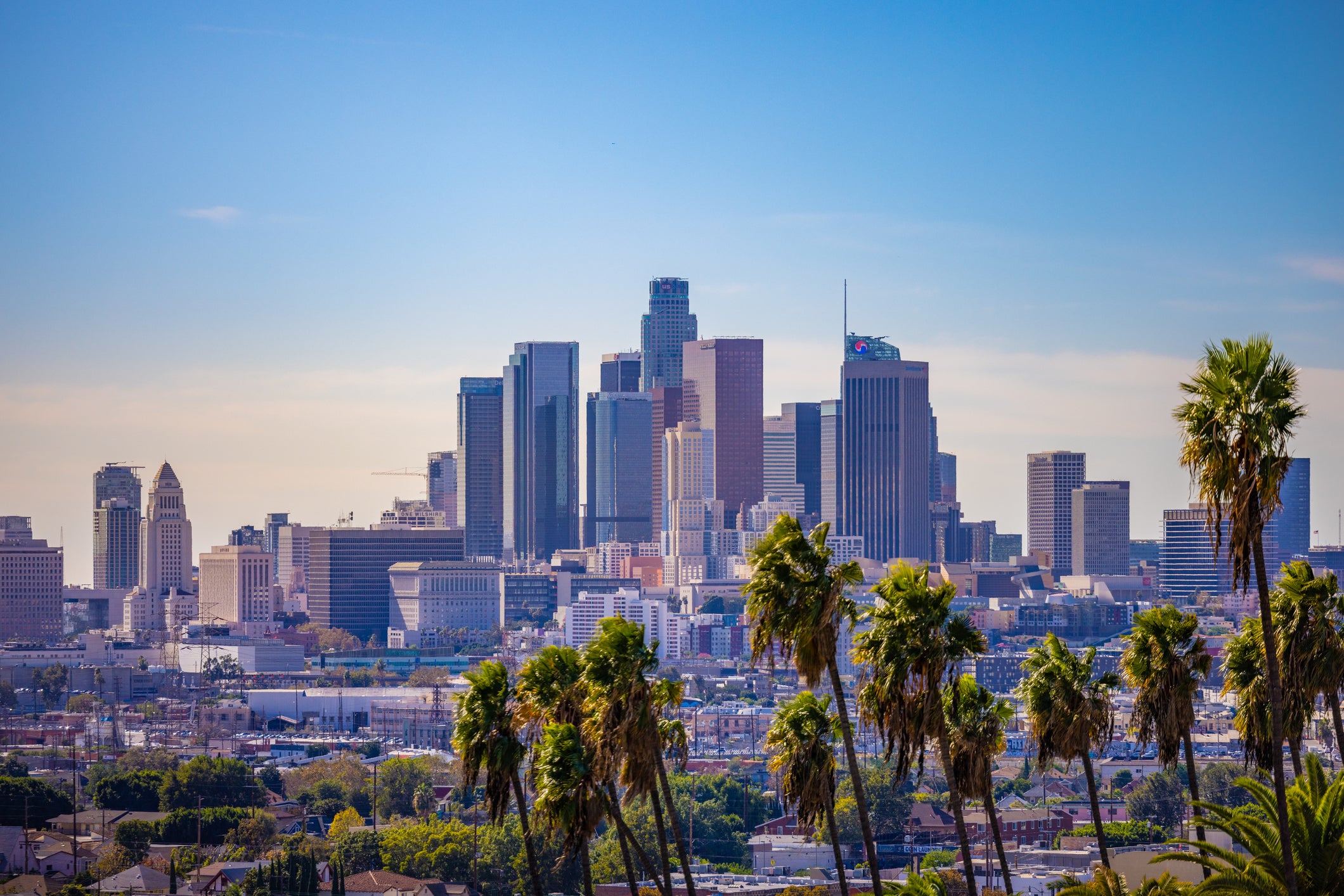
Los Angeles is the only city on earth where the world’s best storytellers live next door to the world’s best software engineers. This proximity has birthed an entirely new category of technology: Entertainment Tech (or EntTech).
Virtual Production and the Evolution of the “Volume”
Traditional filmmaking is being disrupted by real-time rendering engines originally designed for video games. The “Volume”—a massive wrap-around LED screen used in productions like The Mandalorian—is a marvel of hardware and software integration. These stages, scattered across studios in Burbank and Hollywood, utilize Unreal Engine and Unity to create immersive digital environments that react to camera movements in real-time. This technological leap has collapsed the wall between post-production and principal photography, making LA the epicenter of virtual production research and development.
Gaming Giants and Interactive Media
Los Angeles is arguably the gaming capital of the world. With Riot Games (League of Legends) headquartered in West LA, and Activision Blizzard and Electronic Arts maintaining a massive presence, the city is a hub for high-performance software architecture and network engineering. Seeing the scale of these gaming campuses highlights the sheer volume of data and user engagement handled within the city limits. The convergence of gaming, VR (Virtual Reality), and AR (Augmented Reality) is happening here more rapidly than anywhere else, driven by a workforce that understands both the mechanics of code and the psychology of play.
Emerging Tech Frontiers: AI, Biotech, and Logistics
While media and space dominate the headlines, Los Angeles is making significant strides in several emerging sectors that are reshaping the global economy.
The AI Boom in Southern California
The regional focus on AI in Los Angeles is distinct from the LLM (Large Language Model) obsession in San Francisco. In LA, AI is being applied to tangible industries. We see “Applied AI” in the form of algorithmic content recommendations, AI-driven logistics for the Port of Los Angeles, and sophisticated computer vision used in medical diagnostics. Startups in the “Silicon Beach” area are increasingly focused on how machine learning can optimize the supply chain and personalize the consumer experience in the e-commerce sector.
Port Automation and Supply Chain Technology
The Ports of Los Angeles and Long Beach are the busiest in the Western Hemisphere. They have become massive testbeds for industrial IoT (Internet of Things) and autonomous transport technology. To understand the future of global trade, one must look at the automation of these terminals. The integration of automated guided vehicles (AGVs), remote-controlled cranes, and blockchain-based tracking systems demonstrates how legacy industrial sectors are being digitized to increase efficiency and reduce the carbon footprint of global shipping.
The Future Landscape: Sustainability and Transportation
As Los Angeles prepares for major global events like the 2028 Olympics, the city is doubling down on “Greentech” and “Mobility.”
Electric Vehicle (EV) Innovation
While Tesla may have moved its headquarters to Texas, its design and engineering roots remain deeply embedded in Southern California. Furthermore, a new wave of EV innovators, including Faraday Future, Fisker, and Canoo, have established their bases here. The Los Angeles ecosystem provides a unique combination of automotive design history and advanced battery research, making it a critical node in the global transition to sustainable transportation.

Smart City Initiatives and Urban Mobility
Los Angeles is a laboratory for urban mobility. From the proliferation of micro-mobility solutions (electric scooters and bikes) to the testing of advanced air mobility (AAM) or “flying taxis,” the city is aggressively pursuing tech-based solutions to its legendary traffic problems. The Urban Movement Labs, a first-of-its-kind public-private partnership, allows tech companies to test new transportation technologies in real-world conditions. Seeing these pilots in action offers a glimpse into a future where the “smart city” is no longer a concept, but a functioning reality.
In conclusion, “what to see” in Los Angeles is far more than a collection of tourist landmarks. It is a high-octane environment where the digital and physical worlds collide. From the aerospace hangars of Hawthorne to the virtual production stages of Burbank and the software hubs of Silicon Beach, Los Angeles has cemented its status as a premier global tech capital. It is a city where innovation is not just about the next app, but about the next frontier—whether that be in the stars, on the screen, or on the streets. For anyone looking to understand the trajectory of modern technology, Los Angeles is an essential destination.
aViewFromTheCave is a participant in the Amazon Services LLC Associates Program, an affiliate advertising program designed to provide a means for sites to earn advertising fees by advertising and linking to Amazon.com. Amazon, the Amazon logo, AmazonSupply, and the AmazonSupply logo are trademarks of Amazon.com, Inc. or its affiliates. As an Amazon Associate we earn affiliate commissions from qualifying purchases.