
For decades, the American Midwest was defined by its industrial prowess, characterized by the rhythmic hum of assembly lines and the physical strength of manufacturing. Today, a new rhythm is emerging in Columbus, Ohio. The city is undergoing a profound transformation, evolving into what many industry analysts have dubbed the “Silicon Heartland.” For technology professionals, venture capitalists, and software engineers, what to see in Columbus is no longer a list of historical landmarks, but a complex map of high-tech infrastructure, cutting-edge software development, and a burgeoning AI ecosystem.
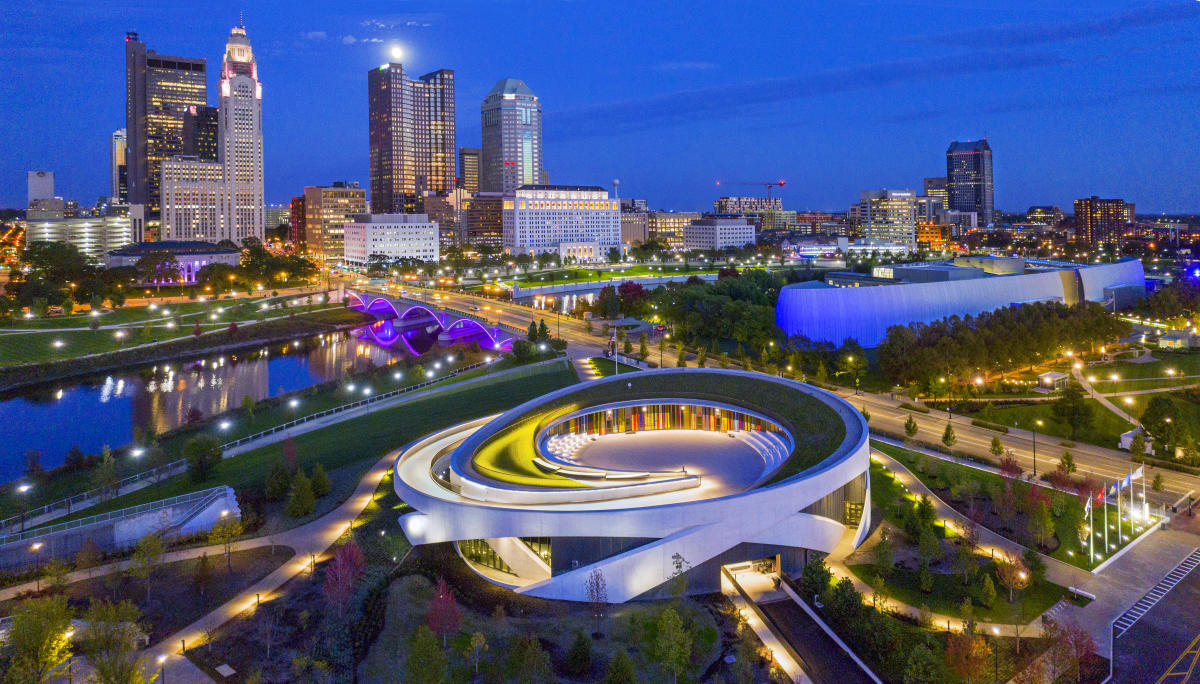
The shift toward a technology-centric economy in Columbus is not accidental; it is the result of a deliberate convergence of public policy, academic investment, and massive corporate interest. As we examine the technological landscape of the region, we see a city that is rapidly becoming a blueprint for the 21st-century digital economy.
The Semiconductor Surge: Infrastructure and the Hardware Foundation
The most visible component of the Columbus tech landscape is the massive expansion of semiconductor manufacturing. When Intel announced its multi-billion-dollar investment in the Licking County area, it fundamentally altered the trajectory of the region’s technological identity. This isn’t just about building factories; it is about establishing a foundational hardware ecosystem that supports the global supply chain for advanced computing.
The Impact of Mega-Fabs on Local Infrastructure
The sheer scale of the Intel “Mega-Fab” project is something every tech observer must monitor. These facilities are designed to produce the most advanced logic chips in the world, utilizing Extreme Ultraviolet (EUV) lithography. For those looking at the technological “sights” of Columbus, the development of these cleanrooms and the specialized utility infrastructure required to power them represents a pinnacle of modern engineering. The ripple effect on the local tech scene is significant, drawing in hundreds of Tier 1 and Tier 2 suppliers specializing in chemicals, gases, and high-precision equipment.
Supply Chain Digitization and IoT Integration
Beyond the physical construction, the technological story lies in the digital integration of the supply chain. Columbus is becoming a testing ground for Industrial IoT (IIoT). Companies supporting the semiconductor industry are deploying sophisticated sensor networks and real-time tracking software to manage the logistics of “just-in-time” manufacturing. This digital twin approach to industrial management allows for unprecedented efficiency and is a key trend to watch as the region matures into a global tech hub.
The Smart City Legacy and the Evolution of Urban Tech
In 2016, Columbus won the U.S. Department of Transportation’s Smart City Challenge, securing $40 million in federal funding and $10 million from Vulcan Inc. While the initial grant period has concluded, the legacy of “Smart Columbus” remains a critical element of the city’s technological identity.
Connected Mobility and Autonomous Systems
What visitors to the Columbus tech scene will see is an ongoing commitment to smart mobility. The city has served as a laboratory for autonomous shuttles and connected vehicle technology (CVT). By installing roadside units (RSUs) that communicate with on-board units (OBUs) in vehicles, Columbus has created one of the most comprehensive V2X (Vehicle-to-Everything) environments in the country. This data-rich environment provides a sandbox for software developers working on the next generation of traffic management algorithms and autonomous navigation systems.
Municipal Data and Open-Source Collaboration
Central to the city’s smart evolution is the Operating System (OS) for the city—a cloud-based platform that integrates data from various municipal departments and private partners. This platform serves as a central nervous system, utilizing big data analytics to improve everything from public health outcomes to transit efficiency. For software architects, the Columbus model demonstrates how open data initiatives can foster a collaborative environment between the public sector and private tech startups, creating a virtuous cycle of innovation.
The Software and AI Ecosystem: From InsurTech to Enterprise Solutions
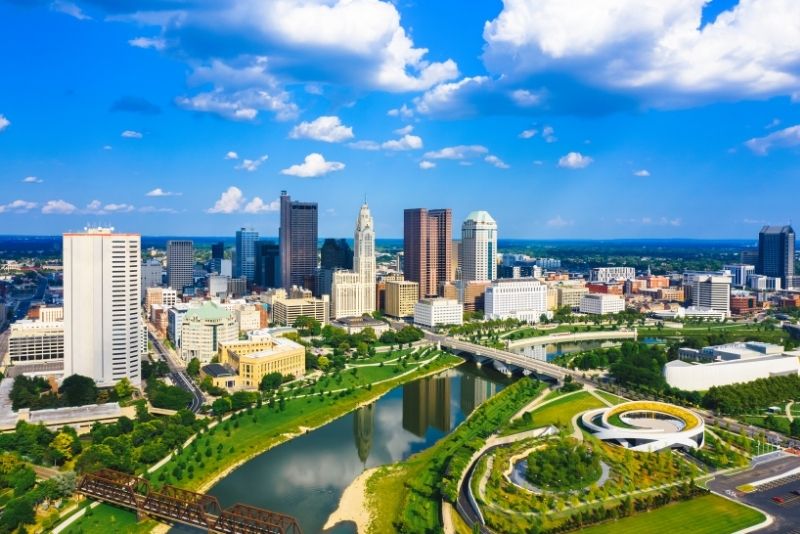
While the hardware and infrastructure projects often grab the headlines, the heart of Columbus’s tech growth lies in its software sector. The city has long been a powerhouse in the insurance and financial services sectors, and these legacy industries are now the primary drivers of digital transformation and AI adoption.
The Rise of the InsurTech Powerhouse
Columbus is home to some of the most innovative InsurTech companies in the world. By leveraging AI-driven underwriting models and telematics-based pricing, these firms have disrupted the traditional insurance landscape. This sector is a must-see for anyone interested in the practical application of machine learning. The “Columbus stack” often involves heavy use of cloud-native architectures, real-time data processing, and mobile-first user interfaces. Seeing how these companies integrate complex data sets—from driving behavior to weather patterns—into a seamless digital experience is a masterclass in modern software engineering.
Generative AI and Enterprise Productivity
As the global tech conversation shifts toward Generative AI, Columbus-based enterprises are not lagging behind. Many of the Fortune 500 companies headquartered in the region are actively integrating Large Language Models (LLMs) into their internal operations. We are seeing a surge in “AI-first” development within the city’s corporate innovation labs. This includes the development of proprietary RAG (Retrieval-Augmented Generation) systems that allow companies to query their internal knowledge bases securely. For tech professionals, observing the transition from experimental AI to production-grade enterprise AI in Columbus provides valuable insights into the future of work.
Cybersecurity and the Digital Fortification of the Region
As Columbus grows its profile as a major tech hub, it also becomes a more prominent target for cyber threats. Consequently, the digital security sector in the city has seen exponential growth. This is a critical vertical to watch for anyone interested in the long-term sustainability of the tech ecosystem.
Protecting the Critical Infrastructure
With the presence of major data centers—operated by giants like Amazon Web Services (AWS), Google, and Meta—Columbus is a key node in the internet’s global architecture. The physical and digital security of these facilities is paramount. What we see in Columbus is an increasing focus on Zero Trust Architecture (ZTA) and advanced threat detection systems. The region’s cybersecurity firms are specializing in protecting the power grids, water systems, and communication networks that support the new high-tech manufacturing base.
Talent Development and the Cyber Pipeline
The security of the region is also being bolstered by specialized academic and professional training programs. The emergence of cyber ranges—simulated environments where professionals can practice defending against real-world attacks—is a notable feature of the local landscape. These facilities represent the “front lines” of the city’s digital defense strategy and are essential for maintaining a workforce that is capable of addressing the evolving threat landscape.
Future-Proofing the Workforce: Tech Education and the Talent Engine
A tech hub is only as strong as its talent pool, and Columbus has focused heavily on the “people” side of the technology equation. The intersection of higher education and industry needs is where much of the city’s long-term value is being created.
Academic Partnerships and Research Labs
The presence of the Ohio State University (OSU) provides a constant influx of new talent and research. To see the future of Columbus tech, one must look at the university’s interdisciplinary research centers, which focus on everything from materials science to artificial intelligence. Collaborative projects between the university and private sector partners ensure that the curriculum remains relevant to the needs of the modern tech workforce, particularly in high-demand fields like data science and cybersecurity.

The Growth of Coding Bootcamps and Upskilling Initiatives
In addition to traditional degree programs, Columbus has embraced the rapid-response education model of coding bootcamps and vocational tech training. These programs are essential for upskilling the existing workforce to meet the demands of the new “Silicon Heartland.” The success of these initiatives can be seen in the vibrant community of junior and mid-level developers who are powering the city’s startup scene. For tech recruiters and observers, the diversity and agility of the Columbus talent market are among its most impressive features.
In summary, what to see in Columbus is a city that has successfully pivoted from the industrial age to the information age. By building a robust hardware foundation, leveraging smart city data, fostering a world-class software and AI sector, and securing its digital borders, Columbus has positioned itself as a premier destination on the global technology map. For those who know where to look, the city offers a window into the future of integrated, data-driven, and resilient technological growth.
aViewFromTheCave is a participant in the Amazon Services LLC Associates Program, an affiliate advertising program designed to provide a means for sites to earn advertising fees by advertising and linking to Amazon.com. Amazon, the Amazon logo, AmazonSupply, and the AmazonSupply logo are trademarks of Amazon.com, Inc. or its affiliates. As an Amazon Associate we earn affiliate commissions from qualifying purchases.