
Columbus, Ohio, a city often lauded for its burgeoning economy, vibrant cultural scene, and growing influence, is far more than a collection of attractions; it is a meticulously crafted brand experience. For those with a keen eye for brand strategy, corporate identity, and effective marketing, Columbus offers a rich tapestry of case studies, innovative approaches, and a compelling narrative of urban branding. This article delves into the various facets of branding observable in Ohio’s capital, exploring how the city, its businesses, and its communities define themselves, attract attention, and foster loyalty. Far from a conventional travel guide, this is an exploration of the strategic forces that shape perception and drive engagement within a dynamic metropolitan environment.
Columbus as a Brand: Crafting a Metropolitan Identity
Every major city, consciously or unconsciously, develops a distinct brand identity. Columbus, however, has been remarkably intentional in shaping its own narrative, moving beyond a simple geographical designation to become a recognized brand in its own right. Understanding this overarching city brand is crucial for comprehending the broader branding landscape within its borders.
The “Smart City” Narrative and Its Brand Impact
Columbus has strategically positioned itself as a “Smart City,” particularly after winning the U.S. Department of Transportation’s Smart City Challenge in 2016. This designation isn’t merely a technological achievement; it’s a powerful branding pillar. The “Smart Columbus” initiative, with its focus on intelligent transportation systems, sustainable infrastructure, and data-driven urban planning, has become a core part of the city’s identity. From a branding perspective, this narrative projects an image of innovation, forward-thinking leadership, and a commitment to quality of life. It attracts talent, investment, and reinforces a perception of dynamism, differentiating Columbus from other Midwestern cities. This brand story is consistently woven into economic development pitches, public campaigns, and civic discussions, creating a cohesive and aspirational identity.
Visual Language and Urban Design as Branding Elements
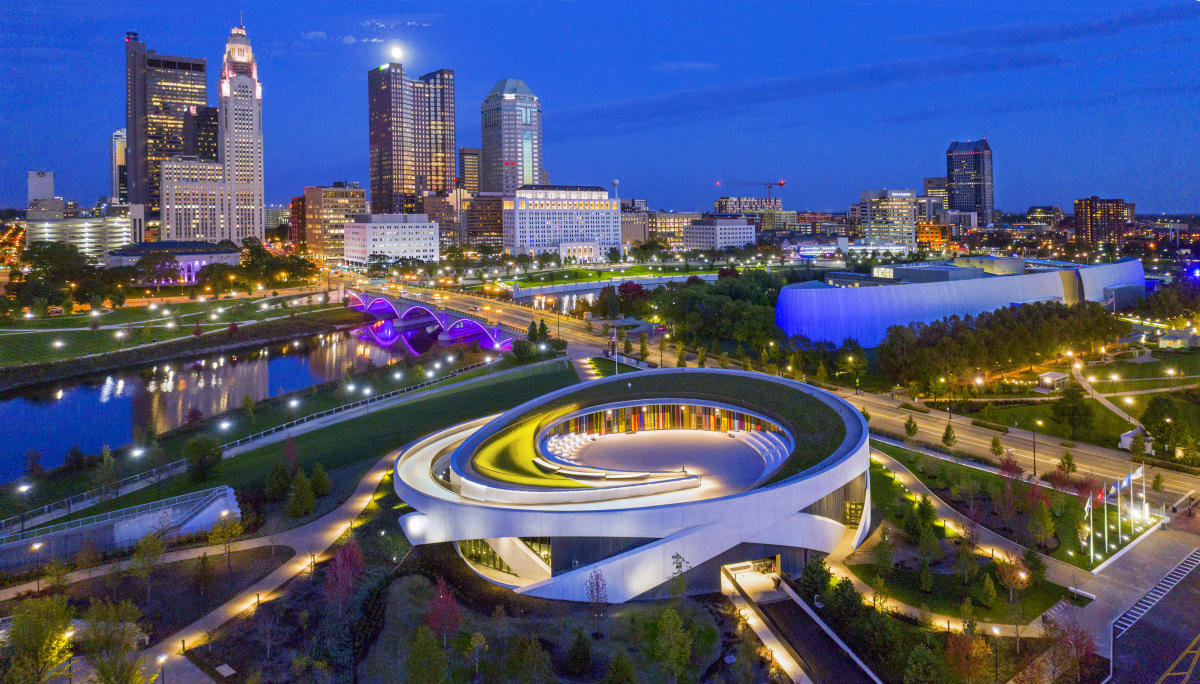
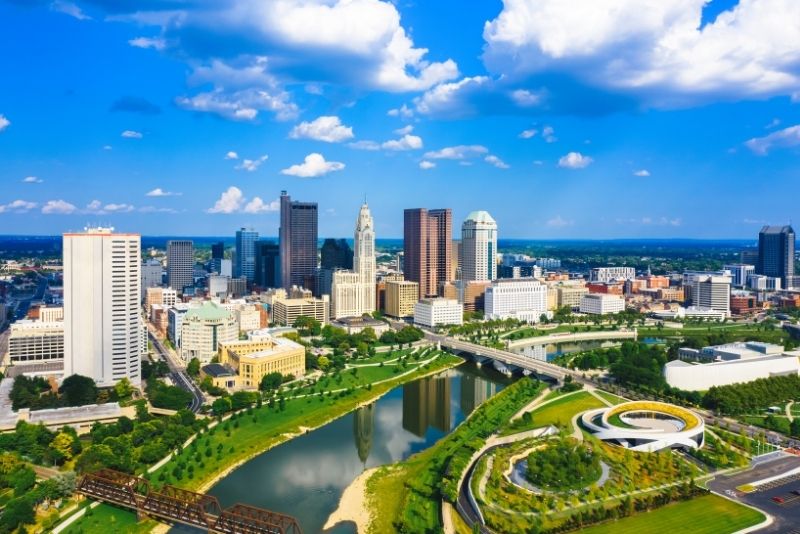
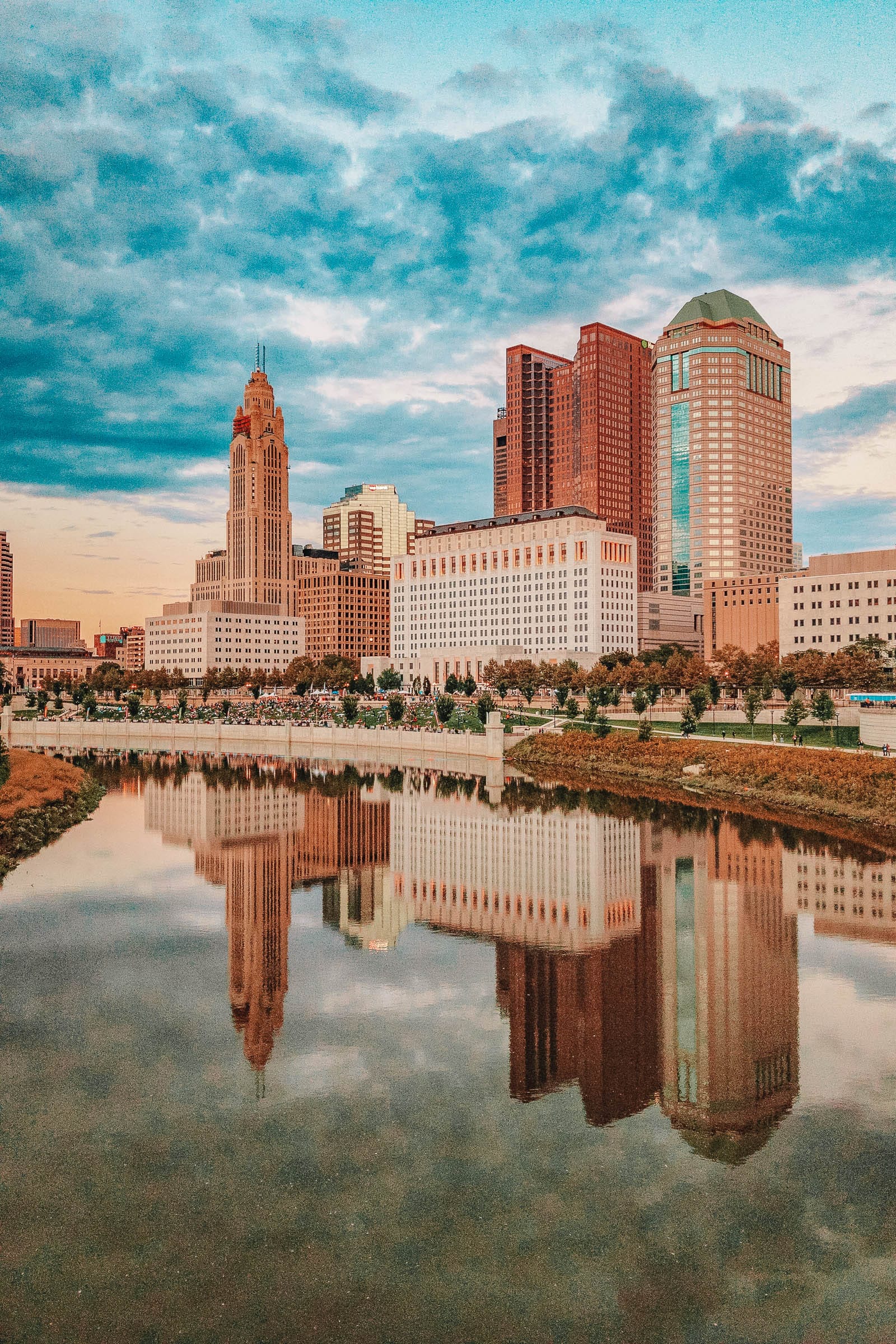
The visual identity of Columbus extends beyond logos and marketing materials; it’s embedded in its urban design and architecture. From the revitalization of the Scioto Mile to the distinctive public art installations and the cohesive streetscaping, urban planning serves as a physical manifestation of the city’s brand. The balance between historic preservation and modern development, the green spaces, and the walkability of districts like the Short North or German Village, all contribute to a powerful non-verbal brand message. These elements communicate an emphasis on community, aesthetics, and livability. The consistent application of these design principles across various public and semi-public spaces reinforces the city’s brand promise of a vibrant, accessible, and progressive urban experience. Observant brand strategists will “see” how effectively these physical cues convey the city’s personality and values.
Storytelling the City: From Heritage to Innovation
The brand of Columbus is not static; it’s a dynamic narrative that seamlessly blends its rich heritage with its innovative future. The city successfully tells a story that acknowledges its historical roots—from its origins as a trading post to its industrial past—while simultaneously highlighting its emergence as a tech hub, a design center, and a cultural melting pot. This dual narrative is a sophisticated branding technique, appealing to a broad audience. It reassures those who value tradition while exciting those drawn to progress. Marketing campaigns often juxtapose images of historic architecture with cutting-edge research facilities, or traditional festivals with modern art installations. This storytelling approach ensures the city’s brand remains authentic, resonant, and broadly appealing, demonstrating a masterclass in managing a complex, evolving identity.
Branding Cultural and Historic Landmarks: Legacy Meets Modernity
Within the larger brand of Columbus, numerous cultural and historic institutions operate as distinct brands, each with its own identity, mission, and target audience. Their ability to attract and engage visitors, patrons, and donors relies heavily on effective branding that bridges historical significance with contemporary relevance.
Preserving Identity: Museum and Gallery Branding
Columbus boasts a diverse array of museums and galleries, each presenting a unique branding challenge: how to honor history and curate knowledge while remaining fresh and relevant. Institutions like the Columbus Museum of Art or COSI (Center of Science and Industry) excel at this. Their branding extends beyond their collections to their educational programs, interactive exhibits, and community outreach. Their logos, exhibition designs, digital presence, and even gift shop merchandise are all carefully curated to reflect their mission and appeal. For instance, COSI’s brand emphasizes discovery and hands-on learning, while the Columbus Museum of Art focuses on inspiration and critical engagement. Observing how these institutions maintain their distinct identities while contributing to the city’s overall cultural brand offers valuable insights into niche branding within a larger ecosystem.
Theaters and Performance Spaces: Curating Experiential Brands
The performing arts scene in Columbus, from the historic Ohio Theatre to contemporary venues like the Palace Theatre and the Newport Music Hall, represents another powerful dimension of branding. Here, the “brand” is often the experience itself. The branding efforts encompass everything from season subscriptions and show promotions to the ambiance of the venues and the caliber of the performances. The Ohio Theatre, for example, leverages its majestic architecture and rich history to brand itself as a premier destination for grand performances, offering a sense of occasion and timeless elegance. Newer venues might brand themselves around cutting-edge acts or a more intimate, experimental atmosphere. These brands are built on reputation, emotional connection, and consistent delivery of unique live experiences, showcasing how ephemeral events can build lasting brand equity.
Leveraging Heritage for Contemporary Appeal
Historic districts like German Village or the Arena District offer prime examples of how heritage itself can be a powerful brand asset, particularly when revitalized for modern appeal. German Village, with its cobblestone streets, brick houses, and strong sense of community, is branded as an authentic, charming, and historically rich residential and commercial area. Its brand strategy relies on preservation, local businesses, and a unique atmosphere that transports visitors. The Arena District, on the other hand, repurposed industrial spaces into a vibrant entertainment hub. Its brand blends history with modern leisure, appealing to a younger, dynamic demographic with its sports venues, restaurants, and nightlife. Both demonstrate how strategic branding can breathe new life into old spaces, creating distinctive identities that attract specific audiences while contributing to the city’s diverse appeal.
The Power of Local Enterprise: Branding the Columbus Business Scene
Columbus is a hotbed for local businesses, from innovative startups to beloved long-standing establishments. The collective strength of these individual brands contributes significantly to the city’s economic vitality and unique character. Observing their branding strategies provides a micro-level view of brand development, marketing, and community engagement.
From Gastronomy to Retail: Crafting Unique Consumer Brands
The culinary and retail scenes in Columbus are vibrant, each establishment vying for attention through distinctive branding. Restaurants, cafes, and boutiques in areas like the Short North Arts District or the North Market meticulously craft their brands through interior design, menu presentation, service style, and storytelling. A coffee shop might brand itself around artisanal sourcing and sustainable practices, while a boutique might focus on curated, ethically-produced fashion. These consumer brands often rely on authenticity, a strong value proposition, and a clear understanding of their target demographic. Their success hinges on creating memorable experiences that resonate with customers, building loyalty, and fostering word-of-mouth marketing—a potent branding tool in any local economy.
Startup Ecosystems and Niche Market Branding
Columbus has cultivated a robust startup ecosystem, particularly in tech and logistics. These emerging businesses present fascinating examples of niche market branding. Startups must articulate a clear value proposition, differentiate themselves rapidly, and build trust in competitive environments. Their branding often involves lean methodologies, agile marketing, and a heavy reliance on digital channels and early adopter communities. Observing the messaging, visual identities, and community engagement strategies of these nascent companies reveals the cutting edge of brand building in high-growth sectors. Many leverage Columbus’s “Smart City” image to reinforce their own innovative credentials, demonstrating how local businesses can align with and benefit from the broader city brand.
The Role of Community in Local Brand Loyalty
Perhaps one of the most compelling aspects of branding in Columbus is the emphasis on community. Many local businesses don’t just sell products or services; they sell a sense of belonging. Events like “Gallery Hop” in the Short North, local farmers’ markets, or neighborhood festivals are not just commercial opportunities; they are extensions of community branding. Businesses that actively engage with their local community, sponsor events, or champion local causes often build profound brand loyalty that transcends transactional relationships. This community-centric branding fosters a sense of shared identity and pride, making customers not just patrons, but advocates. For brand strategists, this highlights the immense power of integrating social responsibility and local engagement into a brand’s core identity.
Digital Frontiers and Personal Branding in a Dynamic City
In today’s interconnected world, digital presence and personal branding are indispensable. Columbus, as a city keen on innovation and talent attraction, offers numerous examples of how individuals and organizations leverage digital platforms to build and project their brands.
Navigating the Online Brand Landscape for Businesses
Columbus businesses, from large corporations headquartered here to independent entrepreneurs, exhibit sophisticated approaches to their online brand presence. This includes robust websites, active social media engagement across platforms like Instagram, LinkedIn, and Facebook, and strategic use of SEO and online advertising. They understand that a consistent online brand voice, visually appealing content, and responsive customer service in digital channels are critical for maintaining relevance and reaching broader audiences. Analyzing how Columbus businesses manage their digital footprint reveals trends in online marketing, content strategy, and reputation management, offering practical lessons in contemporary brand deployment.
Cultivating Personal Brands in Columbus’s Professional Sphere
Columbus’s growing professional landscape, particularly in sectors like tech, healthcare, and higher education, makes personal branding a crucial aspect of career advancement. Professionals in Columbus are increasingly aware of the need to craft a compelling personal brand that showcases their expertise, values, and unique professional story. This involves strategic networking, thought leadership through blogging or speaking engagements, and meticulously curated LinkedIn profiles. The city’s collaborative spirit often translates into a supportive environment for personal brand development, with numerous professional organizations and meet-ups providing platforms for individuals to articulate and refine their professional identities.
Leveraging Social Media and Digital Platforms
Social media plays an outsized role in shaping perceptions and driving engagement in Columbus. The city itself has a strong presence, using platforms to promote events, share news, and engage with residents. Similarly, local businesses and individuals harness these tools to build communities, announce new offerings, and provide customer service. Observing the most effective social media campaigns and digital content strategies employed in Columbus can yield insights into audience engagement, influencer marketing, and the cultivation of online brand loyalty. The dynamic interplay between physical experiences and digital narratives is a powerful aspect of brand building “what to see” and analyze in the digital realm of Columbus.
Future-Proofing Columbus: Emerging Trends in City and Corporate Branding
The branding landscape is constantly evolving, and Columbus is at the forefront of embracing new trends to ensure its sustained appeal and economic growth. Examining these emerging strategies offers a glimpse into the future of brand development.
Sustainable Branding and Corporate Social Responsibility
Sustainability and corporate social responsibility (CSR) are no longer optional but integral components of modern branding. In Columbus, businesses and civic initiatives are increasingly integrating eco-friendly practices, ethical sourcing, and community betterment into their core brand messaging. From green building certifications to local sourcing in restaurants, and corporations championing environmental causes, these efforts resonate deeply with an increasingly conscious consumer base. Brands that authentically embed sustainability into their operations and communications build trust and differentiate themselves in a crowded market, demonstrating a forward-thinking approach to brand equity.
Experiential Branding: Engaging Beyond the Transaction
Experiential branding, which focuses on creating immersive and memorable experiences for consumers, is thriving in Columbus. This goes beyond mere advertising; it involves designing events, spaces, and interactions that embody a brand’s values. Think of interactive installations in public spaces, themed pop-up shops, or unique culinary festivals that offer more than just food. These experiences create emotional connections, fostering deeper loyalty and advocacy. Columbus’s vibrant festival scene, its diverse neighborhoods, and its commitment to public art are all manifestations of a city embracing experiential branding to make its mark and provide indelible memories.
Data-Driven Insights for Evolving Brand Strategies
In a “Smart City” like Columbus, the role of data in informing brand strategy is paramount. Businesses and city planners alike are increasingly leveraging analytics to understand consumer behavior, measure campaign effectiveness, and identify emerging trends. From tracking foot traffic in retail districts to analyzing online engagement with city initiatives, data provides the empirical backbone for refining brand messaging and strategic investments. This data-driven approach allows for agile adjustments, ensuring that Columbus’s brand—and the brands within it—remain relevant, impactful, and responsive to the needs and preferences of its diverse audiences. For the discerning observer, “what to see” in Columbus includes the invisible infrastructure of data shaping its visible brand.
In conclusion, Columbus, Ohio, offers a compelling laboratory for understanding brand strategy in action. From the macro-level branding of the city itself to the micro-level identities of local businesses and individuals, the tapestry of carefully crafted perceptions is rich and insightful. For brand professionals and curious observers alike, the opportunities to “see” and learn from its dynamic branding ecosystem are abundant, illustrating how identity, perception, and engagement are meticulously built and continually refined in a thriving urban environment.
aViewFromTheCave is a participant in the Amazon Services LLC Associates Program, an affiliate advertising program designed to provide a means for sites to earn advertising fees by advertising and linking to Amazon.com. Amazon, the Amazon logo, AmazonSupply, and the AmazonSupply logo are trademarks of Amazon.com, Inc. or its affiliates. As an Amazon Associate we earn affiliate commissions from qualifying purchases.