
In an increasingly digitized world, apologies, like most forms of communication, frequently occur over text. This shift from face-to-face or even voice-based interactions to written digital exchanges introduces a unique set of challenges and opportunities for both the apologizer and the recipient. Understanding the technological nuances of text-based communication is crucial for crafting an effective and appropriate response, ensuring clarity, fostering resolution, and preserving digital relationships.
The Unique Dynamics of Text-Based Apologies
The medium through which an apology is delivered significantly shapes its reception and the subsequent response. Text messaging, a ubiquitous communication technology, carries inherent limitations and advantages that distinguish it from traditional forms of interaction.
Decoding Intent: The Challenge of Textual Nuance
One of the primary challenges in receiving an apology via text lies in decoding the sender’s true intent and emotional state. Unlike a phone call or in-person conversation, text lacks crucial non-verbal cues such as tone of voice, facial expressions, and body language. These elements often convey more meaning than the words themselves, allowing for empathy, sincerity, and emotional depth to be perceived directly. Without them, a text apology can feel flat, insincere, or open to misinterpretation.
Recipients are often left to infer tone from punctuation, capitalization, emoji usage, or even the speed of response, which can lead to misunderstandings. A simple “ok” can be seen as dismissive or genuinely accepting, depending on the recipient’s current mood and their existing relationship with the sender. This technological limitation necessitates a more deliberate and thoughtful approach to crafting a response to ensure that the intended message of acceptance, understanding, or even disagreement is accurately conveyed.
Asynchronous Communication and Response Latency
Text messaging operates on an asynchronous model, meaning there isn’t an expectation of immediate, real-time response. This characteristic, a core feature of most messaging apps, can be both a blessing and a curse when dealing with apologies. On one hand, it provides the recipient with ample time to process the apology, consider their feelings, and thoughtfully compose a response without the pressure of an on-the-spot reaction. This allows for a more measured and constructive reply, reducing the likelihood of an emotionally charged or regrettable immediate retort.
On the other hand, prolonged silence or delayed responses after an apology can create anxiety for the sender, potentially exacerbating the initial issue or leading them to believe their apology was not received, was rejected, or was deemed insufficient. The perceived “latency” in response, while a natural outcome of asynchronous digital communication, requires careful management to avoid creating further relational friction. This highlights the need for a response that not only addresses the apology but also acknowledges the digital medium’s temporal characteristics.
Crafting Effective Digital Responses to Apologies
Responding to an apology over text requires a blend of emotional intelligence and an understanding of digital communication best practices. The goal is to provide a clear, concise, and appropriate acknowledgment that fosters resolution without unnecessary ambiguity.
Prioritizing Clarity and Conciseness
Given the inherent lack of non-verbal cues in text, clarity becomes paramount. Ambiguous language or overly lengthy responses can be easily misinterpreted or lose impact on a small screen. When formulating a response, focus on directness.
- Acknowledge Receipt: Start by acknowledging that you received and processed their message. Simple phrases like “Thanks for your text,” or “I appreciate you reaching out” can suffice.
- State Your Position Clearly: Whether you accept the apology, need more time, or require further discussion, communicate this directly.
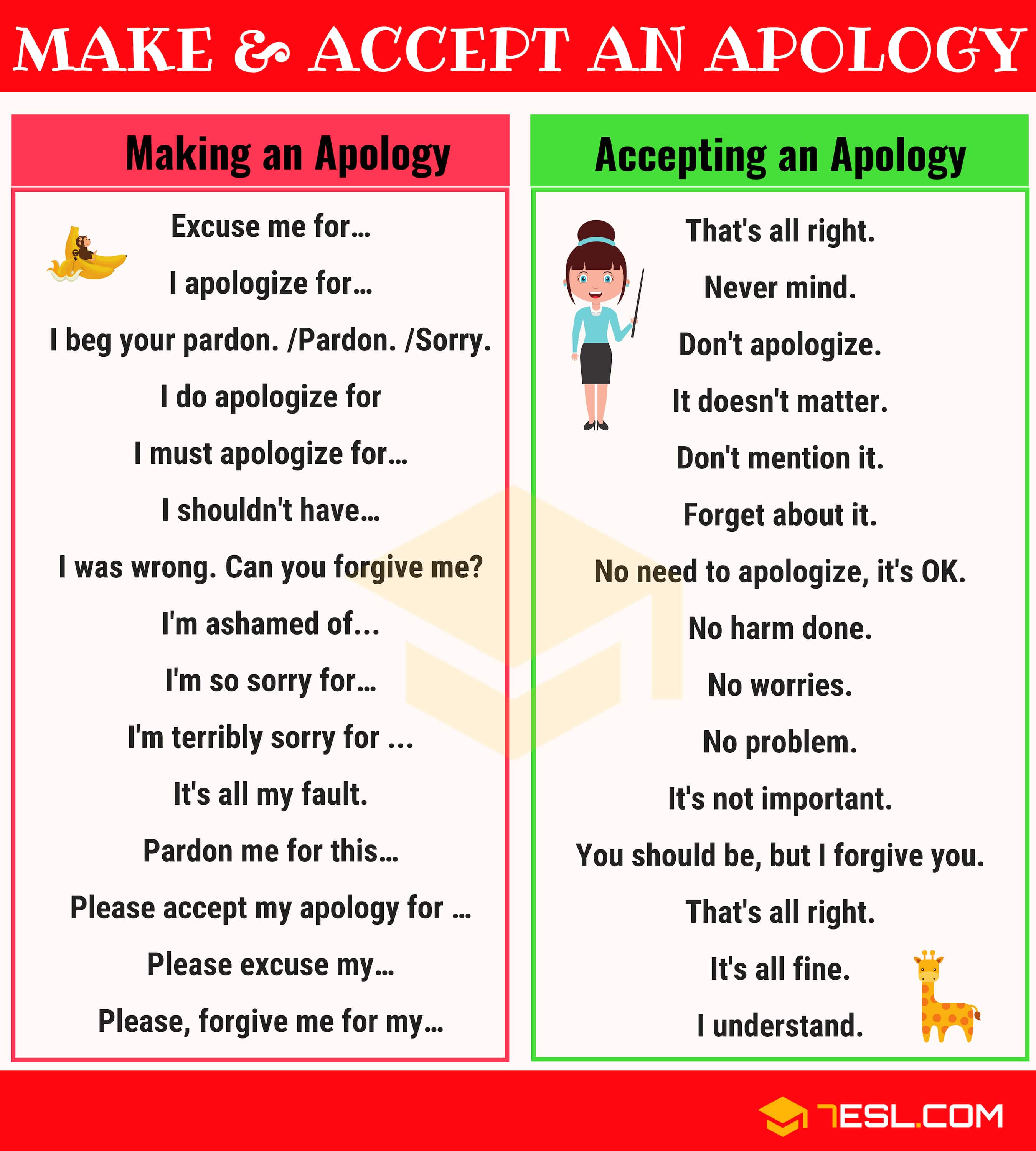
- Accepting: “I appreciate your apology, and I accept it.” or “Thank you for saying that. I understand.”
- Needing Time: “I’ve read your apology. I need a little more time to process things.”
- Further Discussion: “I appreciate the apology, but I think we need to talk more about this when we have a moment.”
- Avoid Over-Explaining: Text is not always the best medium for complex emotional discussions or lengthy justifications. If extensive explanation is required, consider suggesting a transition to a different communication method.
The Strategic Use of Emojis and Punctuation

While text inherently lacks non-verbal cues, emojis and punctuation serve as digital surrogates for expressing tone, emotion, and emphasis. Used judiciously, they can significantly enhance the clarity and warmth of your response.
- Conveying Warmth and Sincerity: A simple smile emoji or a heart emoji ❤️ can soften a direct acceptance and convey genuine warmth, which might otherwise be lost in plain text. For instance, “I appreciate your apology, and I accept it. “
- Emphasizing Understanding: Ellipses (…) can convey thoughtfulness or a pause, while exclamation marks (!) can express earnestness or relief. Be cautious with excessive punctuation, however, as it can be misinterpreted as anger or sarcasm.
- Mitigating Misinterpretation: If you’re concerned your direct words might sound harsh, a well-placed emoji can provide context. For example, “I’m still a bit upset, but I appreciate you saying sorry. “
Knowing When to Transition Off-Text
Text messaging is excellent for quick updates, simple confirmations, and even initial apologies, but it has limitations for resolving deeply emotional or complex issues. An insightful response recognizes these boundaries and knows when to suggest a more suitable communication channel.
- For Complex Issues: If the apology touches on a significant or intricate problem, a text response might be to acknowledge the apology but propose a phone call or in-person meeting. “Thanks for your apology. I appreciate you saying that. I think it would be good to talk about this more on the phone later today.” This leverages text for the initial acknowledgment while moving the substantive discussion to a medium better equipped for nuance.
- For Deep Emotional Resolution: When forgiveness and reconciliation involve substantial emotional processing, verbal communication is often superior. Suggesting a transition respects the gravity of the situation and indicates a willingness to engage more deeply. This strategic use of different communication technologies demonstrates maturity and a commitment to genuine resolution.
Leveraging Messaging App Features for Enhanced Resolution
Modern messaging applications offer a suite of features that can be strategically employed to manage and respond to apologies more effectively, going beyond mere typed words.
Voice Notes: Bridging the Empathy Gap
Many popular messaging apps, such as WhatsApp, Telegram, and iMessage, allow users to send short voice notes. This feature offers a powerful middle ground between plain text and a full phone call.
- Conveying Tone and Emotion: Voice notes reintroduce the crucial element of tone, allowing recipients to convey sincerity, empathy, and understanding in their response. Hearing a calm, reassuring voice can be far more impactful than reading the same words in text, helping to bridge the emotional gap inherent in digital communication.
- Efficiency for Complex Responses: For responses that are slightly more involved but don’t warrant a full conversation, a voice note can be quicker to record than typing out a lengthy message, while still providing more depth than a simple text. “I just wanted to send a quick voice note because it’s easier to explain how I feel. I appreciate your apology, and I accept it…”
Read Receipts and Their Psychological Impact
Read receipts, a common feature in most messaging platforms, indicate when a recipient has viewed a message. While sometimes a source of anxiety, they can also play a subtle role in apology acknowledgment.
- Confirmation of Receipt: For the sender, a read receipt confirms that their apology has been seen, alleviating uncertainty.
- Implicit Acknowledgment: In some less severe situations, simply ‘reading’ an apology without an immediate textual reply might be understood as an initial, passive acknowledgment, allowing the recipient time to formulate a more considered response. However, relying solely on read receipts for acknowledgment can be risky and often requires a follow-up text. Understanding their psychological impact helps in deciding whether to turn them on or off based on your communication strategy and relationship dynamics.

Archiving and Reflecting on Digital Conversations
Most messaging apps offer functionalities to archive conversations, search through chat histories, and even export data. These features, while not directly part of the “response,” are crucial for the management and understanding of past interactions.
- Reference for Future Discussions: Having a clear record of an apology and your response can be invaluable if the issue resurfaces or if there’s a need to reflect on past interactions. This digital trail provides an objective reference point, reducing reliance on potentially flawed memory.
- Learning and Growth: Reviewing past exchanges, including apologies and responses, can offer insights into communication patterns and help refine your approach to conflict resolution in digital spaces. It allows for a meta-analysis of your digital communication habits and their effectiveness.
Responding to an apology over text is not merely about typing words; it’s about navigating the technological landscape of digital communication with intentionality. By understanding the medium’s strengths and weaknesses, leveraging app features, and applying clear communication strategies, you can ensure your digital response is both appropriate and effective, fostering genuine resolution and strengthening relationships in the digital age.
aViewFromTheCave is a participant in the Amazon Services LLC Associates Program, an affiliate advertising program designed to provide a means for sites to earn advertising fees by advertising and linking to Amazon.com. Amazon, the Amazon logo, AmazonSupply, and the AmazonSupply logo are trademarks of Amazon.com, Inc. or its affiliates. As an Amazon Associate we earn affiliate commissions from qualifying purchases.