
Every professional faces the occasional need to take time off. Whether due to illness, a family emergency, or an unexpected personal matter, the way you communicate your absence directly impacts your professional brand. Far from being a mere formality, notifying your employer and team about an upcoming or sudden absence is a critical exercise in reputation management. It demonstrates your respect for your responsibilities, your colleagues, and the organization’s operational flow. This isn’t just about getting permission; it’s about safeguarding your image as a reliable, considerate, and professional individual even when circumstances are beyond your control.
Protecting Your Professional Brand with Timely and Clear Communication
Your professional brand is built on consistency, reliability, and effective communication. Even in moments of unexpected absence, these pillars must stand firm. A poorly handled notification can inadvertently chip away at the trust and credibility you’ve painstakingly built, while a well-executed one can reinforce your commitment and professionalism.
The Power of Proactive Notification
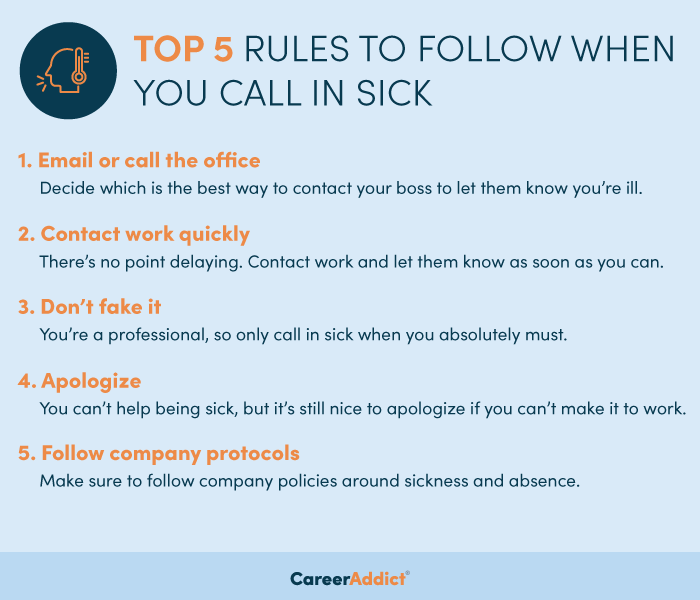
One of the most potent ways to protect your brand when calling off work is through prompt and proactive communication. Delaying notification can create an impression of disorganization or, worse, a lack of consideration for your team’s workload. As soon as you anticipate or confirm an absence, notify the relevant parties. This allows your team to adjust schedules, reallocate tasks, and minimize disruptions, demonstrating your foresight and collaborative spirit. Even a tentative heads-up, followed by a confirmed update, is better than silence. This proactive stance signals that you are thinking beyond your immediate situation to the broader team and organizational impact, a hallmark of a strong professional.
Choosing the Right Communication Channel
The medium through which you communicate your absence can also speak volumes about your professional brand. While an emergency might necessitate an immediate phone call, consider the established protocols of your workplace. Is there a preferred method for reporting absences (e.g., HR system, direct manager’s email, team chat)? Adhering to these norms shows respect for company procedures and avoids causing unnecessary confusion. For urgent, same-day absences, a phone call followed by an email to provide details and a written record is often the most professional approach. This ensures immediate attention while also creating a document trail for clarity and accountability. For planned absences, an email or formal request through a designated system is usually sufficient. The key is to choose a channel that is both effective for immediate notification and appropriate for your company’s culture, demonstrating your adherence to professional standards.
Crafting Your Message: Elements of a Professional Absence Notification
The actual content of your message is where your personal brand truly shines through. It’s an opportunity to project professionalism, responsibility, and empathy, even when you’re unable to be physically present.
Clarity and Conciseness
When you’re calling off work, time is often of the essence for your manager and team. Your message should be clear, concise, and to the point. State immediately that you will be absent and for what duration (if known). Avoid overly long explanations, unnecessary apologies, or vague language. A direct approach conveys respect for others’ time and demonstrates your ability to communicate effectively under pressure. For example, “I will be unable to come to work today, [Date], due to illness,” is far more effective than a rambling narrative. This clarity reinforces your image as a straightforward and efficient communicator.
Stating the Reason (Discreetly, If Necessary)
While you are generally not obligated to provide intricate medical details, offering a brief, professional reason for your absence is often appreciated and reinforces trust. Phrases like “due to illness,” “a personal emergency,” or “a pre-scheduled appointment” are usually sufficient. This transparency, without oversharing, helps your team understand the situation and make appropriate plans. However, always prioritize your privacy. If the reason is highly personal, a generic yet polite statement like “due to an unforeseen personal matter” is perfectly acceptable. The goal is to provide enough context to be professional, without feeling compelled to disclose more than you are comfortable with, thus maintaining your boundaries while still appearing cooperative.
Offering Solutions and Setting Expectations
A hallmark of a strong professional brand is proactive problem-solving. When notifying of an absence, go beyond merely stating you won’t be in. Consider what immediate tasks might be affected and offer solutions. Can you delegate responsibilities? Have you completed urgent tasks? Can you be reached for emergencies? Clearly state your availability, or lack thereof, during your absence. For example, “I have completed X task, and Y task is with [colleague’s name]. I will check emails periodically for urgent matters.” This demonstrates ownership, minimizes disruption, and assures your team that you’ve considered the operational impact. Setting clear expectations about your availability prevents frustration and maintains your reputation as a responsible team member, even from afar.

Professional Tone and Etiquette
Maintain a consistently professional tone throughout your communication. Avoid overly casual language, emojis, or slang. Even if you have a friendly relationship with your manager or team, remember that this is a professional interaction. Begin with a polite salutation, express regret for any inconvenience, and end with a professional closing. “Dear [Manager’s Name],” “I apologize for any inconvenience this may cause,” and “Sincerely,” or “Best regards,” are appropriate. This adherence to professional etiquette, even in less formal workplaces, underscores your respect for your role and the organization, reinforcing a polished and reliable personal brand.
Navigating Specific Scenarios with Brand-Conscious Messaging
Different reasons for absence require subtly different approaches to communication, all while maintaining a strong professional brand.
Sudden Illness
When a sudden illness strikes, speed and clarity are paramount. Your message should be concise, indicating your inability to work, and offering an estimated return if possible.
- Example: “Good morning [Manager’s Name], I woke up feeling unwell and will be unable to come to work today, [Date]. I will keep you updated on my condition and expect to return tomorrow, [Date], if I feel better. I have completed [urgent task] and [colleague’s name] has access to [critical information].”
This communicates the essential information quickly, sets expectations, and shows you’ve considered critical tasks.
Planned Leave (e.g., appointments, family emergencies)
For anticipated absences, your brand benefits immensely from ample notice. This allows for proper planning and delegation.
- Example: “Dear [Manager’s Name], I am writing to inform you that I will need to take [Date/Dates] off work for a pre-scheduled [medical appointment/family event]. I have ensured all my urgent tasks will be completed before then, and [colleague’s name] will cover [specific responsibility] in my absence. I will have limited email access during this time but will check periodically for urgent matters. Thank you for your understanding.”
This proactive notification and detailed handover plan reinforce your image as organized and considerate.
Mental Health Days
Taking a mental health day is a valid and increasingly recognized reason for absence. The communication can be similar to a sudden illness, without needing to specify the exact nature, to protect your privacy.
- Example: “Good morning [Manager’s Name], I need to take a personal day today, [Date]. I will not be available for work. I anticipate returning tomorrow, [Date]. I apologize for any inconvenience this may cause and will catch up on any urgent matters upon my return.”
This approach is professional, asserts your need for time off, and avoids oversharing while maintaining a responsible tone.
Post-Absence Follow-Up: Reaffirming Your Commitment
Your professional brand isn’t only about what you say before and during your absence, but also how you re-engage upon your return. This final step reinforces your commitment and ensures a smooth transition back into your responsibilities.
Catching Up and Reintegrating
Upon your return, make it a priority to catch up on missed communications and tasks. Check emails, review team updates, and touch base with colleagues who might have covered for you. A quick “thank you” to anyone who stepped in goes a long way in strengthening professional relationships and shows your appreciation for their support. Don’t wait to be asked; proactively seek out what needs your attention. This demonstrates your dedication to your role and your team, quickly re-establishing your presence as a contributing member.

Expressing Gratitude and Professionalism
A brief, sincere expression of gratitude to your manager and team for their understanding and support during your absence can significantly enhance your professional brand. This simple act of acknowledgment reinforces your team-player mentality and your appreciation for the flexibility provided. It closes the loop on your absence in a positive way, leaving a lasting impression of a considerate and professional individual who values their workplace relationships. For instance, a quick email to your manager saying, “Thank you again for your understanding regarding my absence yesterday. I’m back in the office and ready to dive in,” can be very effective. It reinforces your reliability and dedication, proving that even a necessary break doesn’t detract from your overall professional commitment.
aViewFromTheCave is a participant in the Amazon Services LLC Associates Program, an affiliate advertising program designed to provide a means for sites to earn advertising fees by advertising and linking to Amazon.com. Amazon, the Amazon logo, AmazonSupply, and the AmazonSupply logo are trademarks of Amazon.com, Inc. or its affiliates. As an Amazon Associate we earn affiliate commissions from qualifying purchases.