
It’s a universal human experience: the ache of sadness. Whether it’s a quiet melancholy, a profound grief, or a fleeting moment of disappointment, we’ve all navigated these emotional waters. And when we see someone we care about struggling, the natural inclination is to help. But often, the right words feel elusive, lost in a fog of concern and uncertainty. This article, drawing upon the principles of effective communication and empathetic engagement – themes resonant across our exploration of Tech, Brand, and Money – aims to equip you with the confidence and clarity to offer meaningful support when someone is sad.
Understanding what to say isn’t about having a magical cure for sorrow. It’s about fostering connection, validating feelings, and offering a sense of not being alone. In a world increasingly shaped by rapid technological advancements, where even our personal brands are meticulously curated, and financial well-being is a constant pursuit, the fundamental human need for genuine connection when we’re down remains paramount. Let’s explore how to navigate these sensitive conversations with grace and authenticity.
The Foundation: Empathy and Active Listening
Before we even consider specific phrases, the bedrock of supporting someone who is sad lies in two interconnected pillars: empathy and active listening. These aren’t just buzzwords; they are essential communication skills that can transform a well-intentioned but potentially unhelpful interaction into a truly supportive one.
Cultivating Empathy: Stepping into Their Shoes
Empathy, at its core, is the ability to understand and share the feelings of another. It’s not about agreeing with their perspective or necessarily fixing their problem. It’s about acknowledging their emotional state and making them feel seen and understood. Think of it like this: in the realm of technology, we often need to understand the user’s experience to design effective software. Similarly, to support someone emotionally, we must strive to understand their internal landscape.
- Acknowledge and Validate: The simplest yet most powerful act is to acknowledge their sadness. Phrases like “I can see you’re hurting,” or “It sounds like you’re going through a lot right now,” can be incredibly validating. You’re not minimizing their feelings; you’re recognizing their existence.
- Resist the Urge to “Fix It”: Often, our immediate instinct is to jump into problem-solving mode. While well-intentioned, this can sometimes make the person feel unheard or like their feelings are a burden to be shed. Imagine a startup trying to implement a new AI tool without fully understanding the existing user pain points – it’s likely to miss the mark. Similarly, jumping to solutions without truly understanding the sadness can be ineffective.
- Focus on “Being With”: Sometimes, the most profound support comes from simply being present. This can be a physical presence, a listening ear, or even just a reassuring text. It signifies that they are not isolated in their struggle.
The Art of Active Listening: Hearing Beyond the Words
Active listening is more than just hearing the words someone speaks; it’s about fully concentrating, understanding, responding, and remembering what is being said. In our tech-saturated world, where notifications constantly vie for our attention, truly listening is a rare and valuable skill. When someone is sad, they need your undivided attention.
- Give Your Undivided Attention: Put away distractions. Turn off notifications, make eye contact (if appropriate and comfortable), and signal that you are fully present.
- Listen Without Interruption: Let them express themselves at their own pace. Resist the urge to jump in with your own stories or advice unless explicitly asked.
- Reflect and Clarify: Periodically, you can reflect back what you’ve heard to ensure you’re understanding correctly and to show you’re engaged. Phrases like, “So, if I’m understanding correctly, you’re feeling overwhelmed because…” can be helpful.
- Ask Open-Ended Questions: Instead of yes/no questions, opt for those that encourage elaboration. “How has this been affecting you?” or “What’s on your mind?” are more conducive to deeper conversation than “Are you okay?” (which often elicits a rehearsed “fine”).
Navigating the Conversation: What to Say and What to Avoid
Now that we have the foundational elements of empathy and active listening in place, let’s explore some specific phrases and approaches that can be helpful, and importantly, some pitfalls to steer clear of. Just as a well-crafted brand strategy builds trust and connection with an audience, our communication with someone who is sad should aim for authenticity and connection.
Phrases of Support and Validation
When someone is sad, they often need to hear that their feelings are valid and that they are not alone. These phrases are designed to offer comfort without minimizing their experience.
Expressing Care and Concern
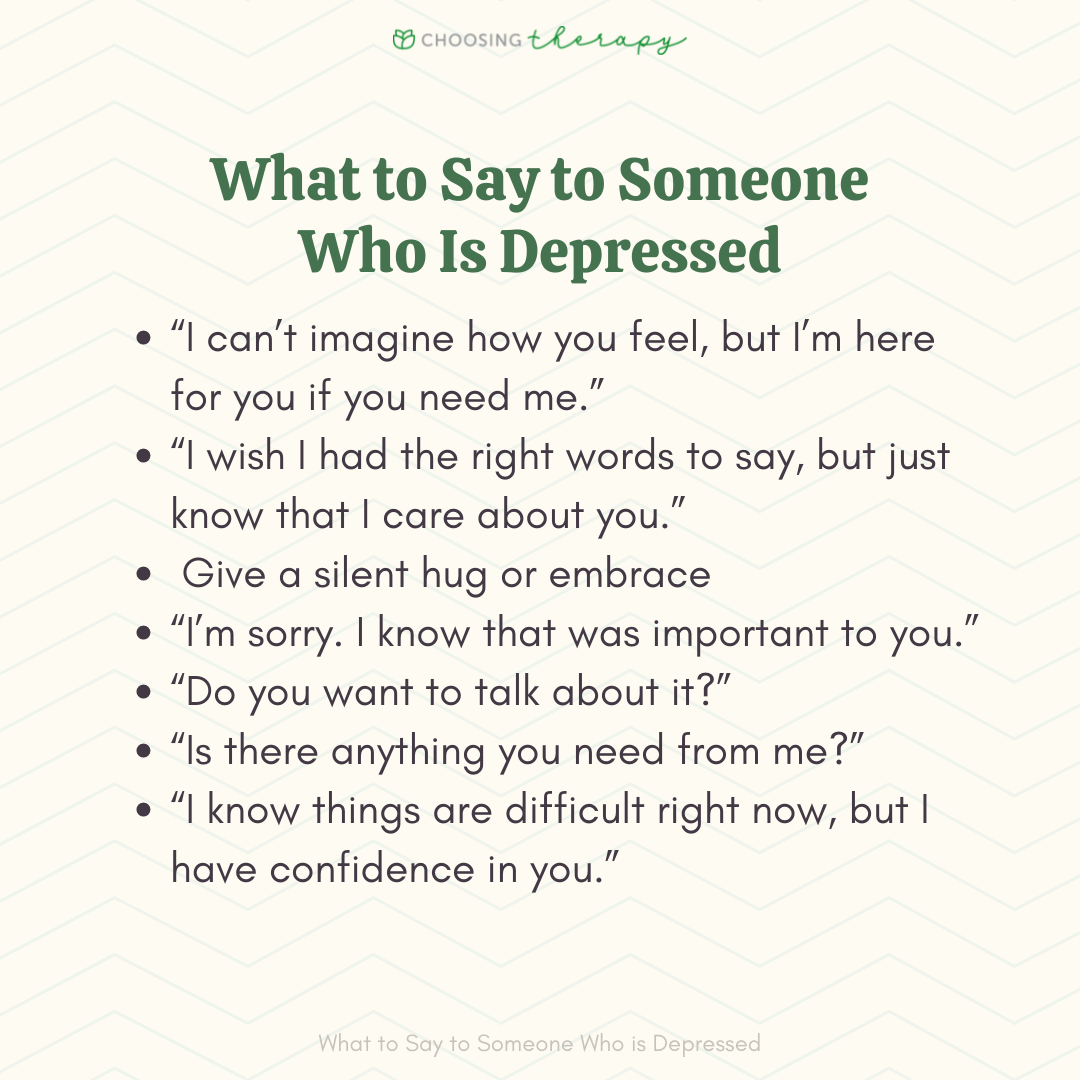
- “I’m so sorry you’re feeling this way.” This is a simple but powerful expression of sympathy.
- “I’m here for you.” This offers a tangible sense of support and availability. Be prepared to follow through if they reach out.
- “Is there anything I can do to help?” This is a direct offer of assistance. However, be aware that they may not know what they need, or may not be ready to ask. Sometimes, offering specific, manageable tasks can be more effective (e.g., “Would it help if I brought over dinner tomorrow?”).
- “I’m thinking of you.” This lets them know they are on your mind, even if you can’t be physically present.
Validating Their Feelings
- “It’s okay to feel sad/upset/angry.” Giving permission for their emotions is incredibly freeing.
- “That sounds really difficult/painful/frustrating.” This acknowledges the weight of their experience.
- “Your feelings are valid.” A direct statement that their emotional response is understandable and justified.
- “I can only imagine how hard this must be for you.” This expresses empathy without claiming to fully understand their unique pain.
Offering a Sense of Presence
- “You don’t have to go through this alone.” This is a powerful reminder of connection.
- “I’m here to listen, if you want to talk.” This offers an opening for them to share without pressure.
- “No pressure to talk, but I’m here if you change your mind.” This respects their boundaries while keeping the door open.
Phrases to Approach with Caution (or Avoid Entirely)

Just as a poorly executed marketing campaign can damage a brand’s reputation, certain phrases can inadvertently cause more harm than good. They can sound dismissive, preachy, or invalidating.
The “At Least” Statements
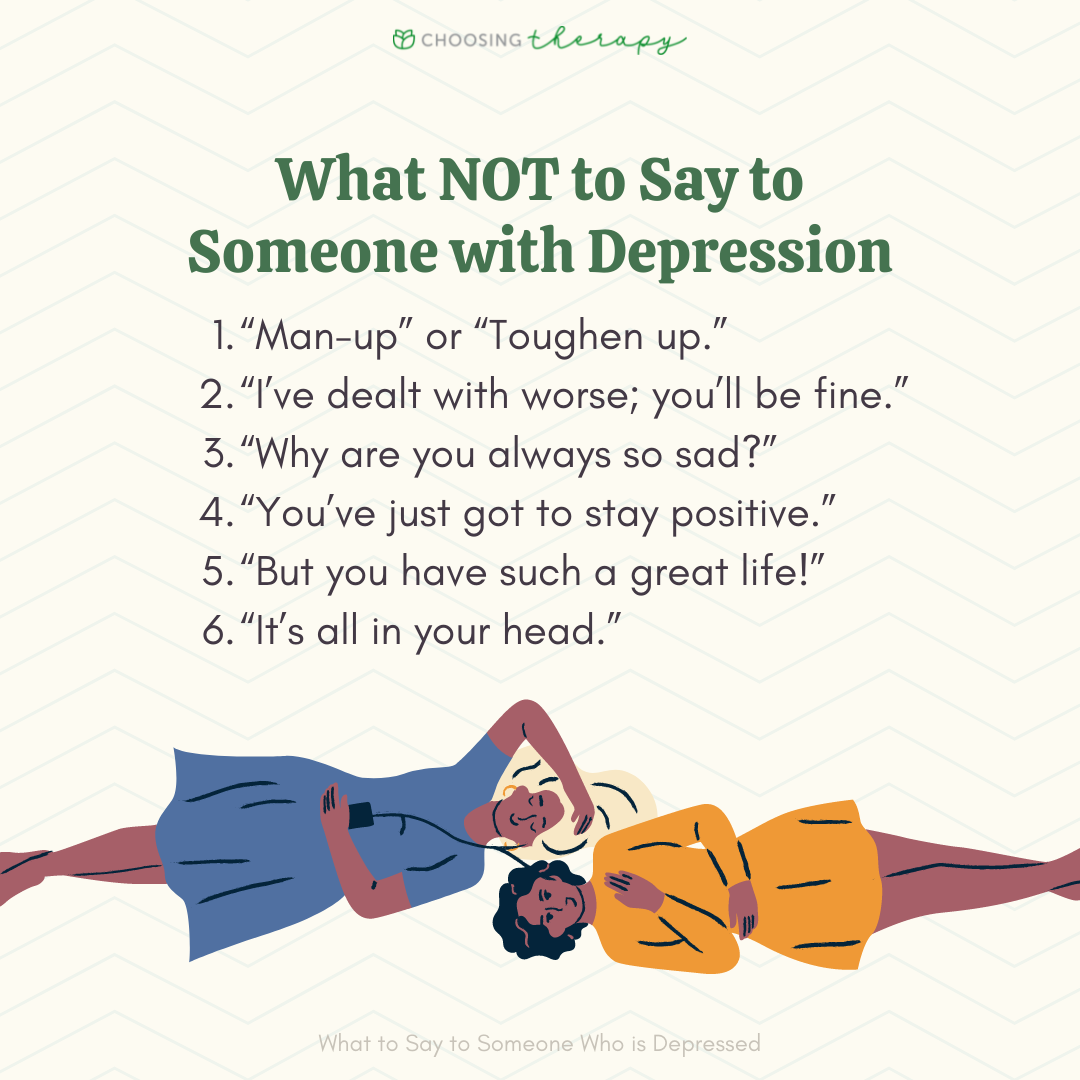
- “At least you have…” (e.g., “At least you have a good job,” “At least you’re healthy”). These statements, while often intended to offer perspective, can make the person feel guilty for their sadness and that their current feelings are insignificant.
- “It could be worse.” Similar to “at least” statements, this minimizes their current pain by comparing it to hypothetical worse scenarios.
The Platitudes and Clichés
- “Everything happens for a reason.” While this may offer comfort to some, for others, it can feel like a dismissal of their suffering and an attempt to impose a narrative onto their pain.
- “Time heals all wounds.” While often true in the long run, this can feel unhelpful in the immediate moment of deep sadness. It can make the person feel like they’re just expected to passively wait for their feelings to dissipate.
- “Just be positive!” This is perhaps one of the most unhelpful phrases. It implies that sadness is a choice and that they are simply not trying hard enough to feel better. This is the emotional equivalent of telling someone to “just reboot their computer” when they’re experiencing a complex software bug.
The Advice-Givers (When Not Asked)
- “You should really try…” Unless you are a trained professional and they have specifically asked for your advice on a particular issue, jumping into unsolicited advice can be patronizing.
- “Have you tried…?” While often well-intentioned, this can come across as a subtle implication that they haven’t thought of solutions themselves.
The Power of Silence and Presence
Sometimes, the most profound thing you can offer is simply your silent presence. In a culture that often glorifies productivity and constant action, learning to simply “be” with someone in their sadness is a powerful act of human connection. Think of it like a well-designed user interface – it doesn’t need to shout; it needs to be intuitive and supportive.
- Sit with them. If they are comfortable with it, simply sitting with someone in silence can be incredibly comforting.
- Offer a gentle touch. If appropriate for your relationship, a hand on the shoulder or a hug can convey support without words.
- Be available. Let them know you’re there, even if they don’t need you in that moment.
Beyond Words: Practical Support and Long-Term Well-being
Supporting someone who is sad often extends beyond the initial conversation. Just as in personal finance, where consistent habits and thoughtful planning lead to long-term security, providing consistent support and practical help can make a significant difference.
Practical Acts of Kindness
Sometimes, the burden of sadness can make even the simplest tasks feel overwhelming. Offering practical help can alleviate some of that pressure.
- Offer to help with daily chores: groceries, cooking, cleaning, or running errands.
- Help with childcare or pet care.
- Assist with administrative tasks: paying bills, making appointments.
- Suggest a distraction: a walk in nature, watching a movie together, a low-pressure outing.
Recognizing When Professional Help is Needed
While your support is invaluable, it’s important to recognize when professional help might be necessary. If the sadness is persistent, overwhelming, or interfering with their daily life, gently suggesting they speak with a therapist or counselor can be a crucial step.
- “Have you thought about talking to someone who specializes in helping people through difficult times?”
- “There are professionals who have amazing tools and strategies for navigating this kind of pain, and I’d be happy to help you find one if you’d like.”
Taking Care of Yourself
Supporting someone who is sad can be emotionally draining. It’s essential to practice self-care to avoid burnout. Remember, you can’t pour from an empty cup. Just as a robust digital security system protects your valuable data, protecting your own emotional well-being is paramount.
- Set boundaries. It’s okay to say no to requests if you’re feeling overwhelmed.
- Seek your own support. Talk to a trusted friend, family member, or therapist.
- Engage in activities that recharge you.
In conclusion, offering support to someone who is sad is a delicate dance of empathy, active listening, and genuine care. By focusing on validation, offering your presence, and providing practical assistance when appropriate, you can make a meaningful difference in their journey through difficult times. These principles, much like a strong brand identity or a sound financial strategy, are about building trust, fostering connection, and ultimately, contributing to a more supportive and resilient human experience.
aViewFromTheCave is a participant in the Amazon Services LLC Associates Program, an affiliate advertising program designed to provide a means for sites to earn advertising fees by advertising and linking to Amazon.com. Amazon, the Amazon logo, AmazonSupply, and the AmazonSupply logo are trademarks of Amazon.com, Inc. or its affiliates. As an Amazon Associate we earn affiliate commissions from qualifying purchases.