
In the contemporary landscape of the 21st century, the age-old problem of childhood bullying has undergone a profound digital transformation. No longer confined to the physical boundaries of the schoolyard or the neighborhood park, bullying has migrated into the digital ether. Today, the question of “what to say to a child bully” is as much about technical protocols and software interventions as it is about verbal communication. As we navigate an era defined by persistent connectivity, the intersection of technology and digital safety has become the primary battleground for protecting the next generation.

To effectively address a bully in the modern age, parents, educators, and children must understand the technological frameworks that enable—and can ultimately dismantle—aggressive behavior. This requires a shift from traditional conflict resolution to a comprehensive digital defense strategy.
The Architecture of Modern Bullying: Understanding the Digital Landscape
The shift from physical to digital harassment—commonly known as cyberbullying—has fundamentally altered the power dynamics of childhood conflict. In a digital environment, the “bully” is often shielded by a veil of anonymity or the physical distance provided by a screen, which can lead to a phenomenon known as online disinhibition.
From Social Media to Gaming: The Platforms of Interaction
Cyberbullying is rarely confined to a single app. It manifests across a multi-platform ecosystem including social media giants like Instagram and TikTok, messaging services like WhatsApp, and immersive gaming environments such as Roblox or Fortnite. Each of these platforms has its own unique “tech culture” and specific tools for interaction. Understanding the nuances of these platforms is the first step in knowing how to respond. For instance, what one says to a bully on a public Instagram comment requires a different technical response (such as “restricting” the user) compared to a private message on a gaming console.
The Anonymity Factor and Persistent Connectivity
Unlike traditional bullying, which typically ended when the school bell rang, digital bullying is relentless. Because children carry smartphones, the bully has 24/7 access to their target. Furthermore, the use of “finstas” (fake Instagram accounts) or anonymous messaging apps like NGL or Tellonym allows aggressors to operate without immediate accountability. This technical anonymity emboldens the bully, making the verbal “comeback” less effective than a technical “lockout.”
Leveraging AI and Moderation Tools for Digital Safety
As the scale of digital interaction grows beyond human capacity to monitor, the tech industry has turned to Artificial Intelligence (AI) and Machine Learning (ML) to create safer environments for children. When considering what to say to a bully, the most powerful “words” are often the ones spoken by automated systems designed to flag and neutralize toxicity.
Algorithmic Sentiments: How AI Detects Bullying Before It Starts
Modern software developers are increasingly integrating Natural Language Processing (NLP) into their platforms. These algorithms are trained to recognize patterns of aggressive behavior, hate speech, and harassment. For example, many gaming platforms now use real-time voice and text moderation that can automatically mute a “bully” if the system detects certain keywords or aggressive syntax. In this context, the “response” to a bully is an automated system-level intervention that removes the bully’s platform before they can cause further psychological harm.
Parental Control Software and Proactive Monitoring
Beyond platform-level moderation, a robust niche of consumer software—such as Bark, Qustodio, and Net Nanny—utilizes AI to monitor a child’s digital footprint. These tools do not simply block websites; they analyze the context of conversations. If a child is being bullied, the software identifies the escalation and alerts a guardian. This allows for an informed intervention. Instead of a child having to figure out “what to say” in the heat of a digital attack, the technology provides a record of the interaction, allowing for a measured, evidence-based response involving school authorities or digital service providers.

Digital Literacy: Teaching Children Technical Defenses
The most effective response to a digital bully is often a technical one. We must move beyond the “sticks and stones” mantra and teach children “Digital Literacy and Technical Recourse.” What a child “says” to a bully in 2024 is often expressed through the UI (User Interface) of the application they are using.
The ‘Block and Report’ Strategy as a Technical Defense
In the digital realm, the most powerful response to a bully is silence—facilitated by the “Block” button. However, simply blocking is often not enough. Children must be taught the technical importance of “Reporting.” When a child reports an account for harassment, they are contributing data to the platform’s safety algorithms.
Teaching a child to say, “I am ending this conversation and reporting your account for a violation of the terms of service,” is a professional and effective way to handle an aggressor. This moves the conflict from a personal exchange to a formal violation of a digital contract. It shifts the power from the bully to the platform’s governing rules.
Cultivating a Healthy Digital Footprint and Privacy Settings
Prevention is the best defense. A significant portion of “what to say” involves setting boundaries before an interaction even occurs. This includes:
- Privacy Hardening: Teaching children to set their profiles to “Private” so that only verified friends can interact.
- Two-Factor Authentication (2FA): Preventing “account takeovers” where bullies hijack a child’s identity to post embarrassing content.
- Audit of Third-Party Apps: Regularly checking which apps have access to location data, which can be used for physical stalking or “doxing.”
Future Trends in Anti-Bullying Technology
As we look toward the future, the tech industry is developing even more sophisticated methods to handle digital aggression. The evolution of the Metaverse and Virtual Reality (VR) presents new challenges, but also new opportunities for high-tech solutions to bullying.
Blockchain and Identity Verification
One of the greatest challenges in digital bullying is the ease of creating “throwaway” accounts. Some tech visionaries suggest that Blockchain technology could provide a solution through “Decentralized Identity” (DID). If users were required to have a verified, unique digital identity that follows them across platforms, the anonymity that fuels bullying would vanish. In such a world, a bully’s actions would have permanent, traceable consequences, fundamentally changing the nature of “what to say” to them, as every interaction would be tied to a verifiable reputation score.
The Role of VR in Empathy Training
On the proactive side, Virtual Reality is being used to create “empathy simulations.” Educational software is being developed to place children in the shoes of both the bully and the victim in a controlled, immersive environment. By using VR to simulate the consequences of digital harassment, tech is being used to change the behavior of the bully before the bullying even starts. This “pre-emptive” tech strategy focuses on the psychological root of the problem through an immersive digital medium.
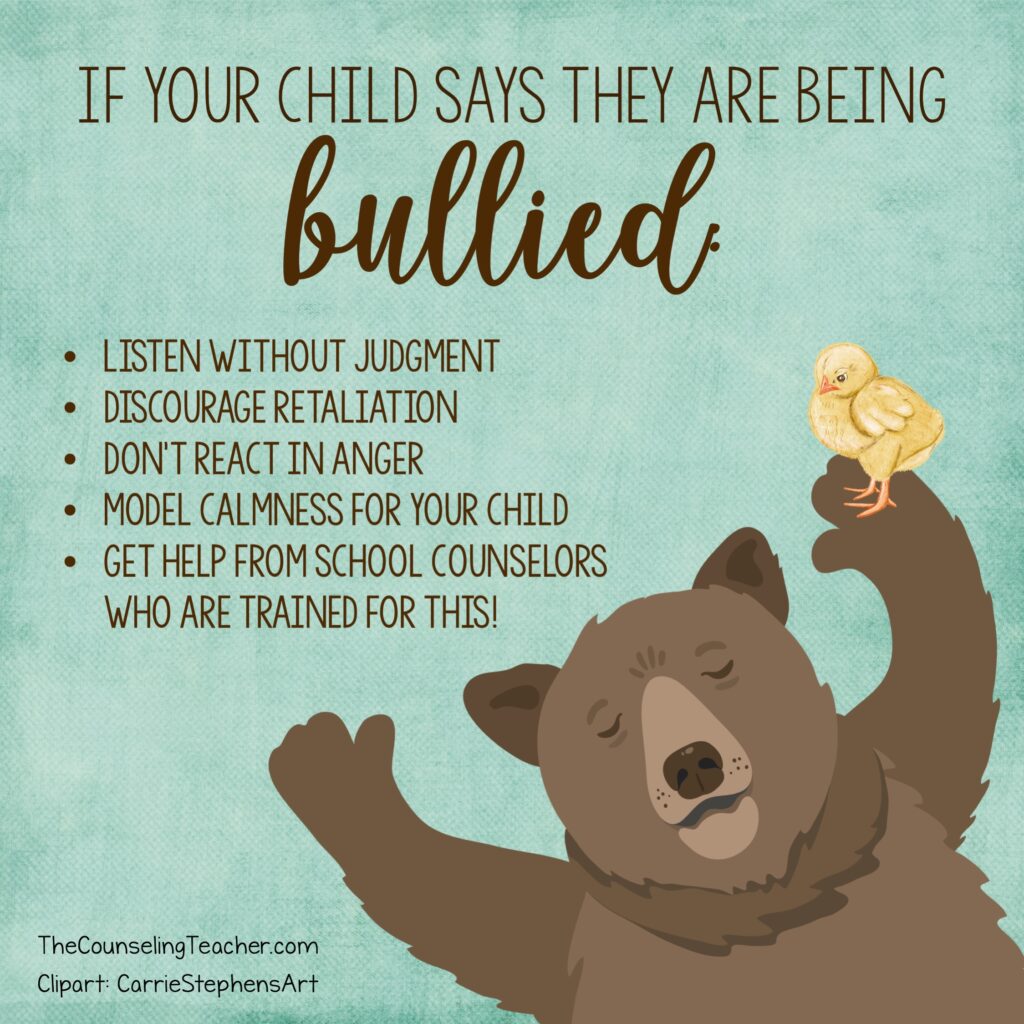
Conclusion: The New Protocol for Digital Discourse
The question of “what to say to a child bully” has evolved from a matter of social etiquette into a complex intersection of digital security, AI intervention, and platform policy. In the digital age, we must equip children with more than just a brave face; we must equip them with a “Digital Toolkit.”
Responding to a bully today means knowing how to trigger an AI moderation bot, how to document digital evidence for school administrators, and how to use the technical features of a platform to terminate a toxic interaction instantly. As technology continues to advance, the focus must remain on creating a digital environment where the “bully” finds no ground to stand on, and the “bullied” finds themselves protected by a sophisticated web of software and digital literacy. By embracing these tech-driven solutions, we can ensure that the digital world remains a space for growth, connection, and safety for every child.
aViewFromTheCave is a participant in the Amazon Services LLC Associates Program, an affiliate advertising program designed to provide a means for sites to earn advertising fees by advertising and linking to Amazon.com. Amazon, the Amazon logo, AmazonSupply, and the AmazonSupply logo are trademarks of Amazon.com, Inc. or its affiliates. As an Amazon Associate we earn affiliate commissions from qualifying purchases.