
Teacher Appreciation Day is a vital occasion to acknowledge and celebrate the immense contributions educators make to our society. It’s a moment to step back from the daily grind of lesson plans and grading to express sincere gratitude for the dedication, passion, and hard work teachers pour into shaping young minds. While a simple “thank you” is always appreciated, truly impactful words go deeper, resonating with the educator’s experience and the profound influence they wield. This guide delves into how to craft meaningful messages for Teacher Appreciation Day, focusing on the strategic elements of communication that elevate these expressions from polite gestures to powerful affirmations, thereby strengthening the brand of education and the individuals within it.

The Power of Articulated Gratitude: Building a Positive Educational Brand
The effectiveness of Teacher Appreciation Day hinges on how we articulate our gratitude. This isn’t merely about politeness; it’s about strategically reinforcing the positive brand of the teaching profession and the individual educators who embody it. When we express appreciation thoughtfully, we contribute to a culture that values and supports teachers, attracting and retaining talent within the field. This proactive approach to acknowledging educators acts as a powerful branding tool for the entire educational ecosystem.
Recognizing the Multifaceted Role of Educators
Teachers are far more than disseminators of information. They are mentors, guides, motivators, counselors, and often, the first significant role models outside a student’s immediate family. Understanding this multifaceted role is crucial when formulating what to say. Instead of generic praise, delve into specific aspects of their impact.
- Acknowledging the Impact on Individual Students: Think about how a particular teacher has influenced a student’s academic journey, personal growth, or even their outlook on life. Was there a moment of inspiration, a breakthrough in understanding, or unwavering support during a challenging time? Phrases like, “Your encouragement in [subject] helped me discover a passion I never knew I had,” or “You created a safe and engaging classroom where I felt empowered to ask questions and learn,” speak volumes. This personal connection is the bedrock of a strong educational brand.
- Highlighting the Dedication Beyond the Classroom: Teachers often dedicate significant personal time and energy to their profession. This can include developing innovative lesson plans, staying late for extracurricular activities, attending professional development, or offering extra help to struggling students. Acknowledging this commitment demonstrates an understanding of the sacrifices involved. Statements such as, “I deeply appreciate the extra hours you dedicate to ensuring every student understands,” or “Your passion for teaching shines through in the creative ways you bring lessons to life,” are particularly meaningful.
- Celebrating the Creation of a Positive Learning Environment: A teacher’s ability to foster a positive, inclusive, and stimulating learning environment is paramount. This space allows students to thrive, take risks, and develop a love for learning. Words that recognize this can be powerful. For example, “The sense of community you’ve built in your classroom makes learning enjoyable and effective,” or “Your ability to make complex topics accessible and engaging has been transformative for my child.”
Crafting Authentic and Specific Messages
Authenticity is the cornerstone of effective communication, especially when expressing gratitude. Generic platitudes, while well-intentioned, can lack the impact of heartfelt, specific acknowledgments. When crafting your message, aim for sincerity and personalize it as much as possible.
- The “STAR” Method for Specificity: A useful framework for crafting specific praise is the STAR method (Situation, Task, Action, Result). While often used in professional contexts, it can be adapted here.
- Situation: Briefly describe the context. (e.g., “During the challenging unit on [topic]…”)
- Task: What was the objective or challenge? (e.g., “…it was difficult for many students to grasp the core concepts.”)
- Action: What did the teacher do? (e.g., “You introduced [specific teaching method/resource] and patiently worked with students individually.”)
- Result: What was the positive outcome? (e.g., “This approach made a significant difference, and I saw a real improvement in understanding.”)
This structured approach ensures your feedback is concrete and demonstrates genuine observation.
- Focusing on Observable Behaviors and Impacts: Instead of general statements like “You’re a great teacher,” try to highlight specific actions and their resulting impact. For instance, “I’ve noticed how you consistently encourage participation from all students, ensuring everyone feels heard,” or “The way you connect curriculum to real-world applications makes learning so much more relevant.” These observations provide tangible evidence of their effectiveness.
- Tailoring to Different Audiences: The best way to convey appreciation will vary depending on your relationship with the teacher and your role.
- Parents to Teachers: Parents can offer insights into how a teacher has impacted their child at home, reinforcing learning, fostering curiosity, or building confidence.
- Students to Teachers: Students, especially older ones, can articulate specific lessons, moments of inspiration, or the comfort and support they received. Younger students can draw pictures or write simple sentences expressing their feelings.
- Colleagues to Teachers: Fellow educators can acknowledge collaborative efforts, innovative teaching strategies, or the positive influence they have on the school community.
- Administrators to Teachers: School leaders have a unique opportunity to recognize dedication, leadership, and contributions to the school’s broader mission.
Elevating the Messaging: Strategies for Memorable Appreciation
Beyond the content of the message, the way it’s delivered and presented can significantly enhance its impact. This involves strategic choices that align with branding principles – making the appreciation memorable, impactful, and aligned with the desired perception of the teaching profession.
The Medium is the Message: Choosing the Right Delivery Channel

The channel through which you express your appreciation can amplify its effect. While a verbal “thank you” is always welcome, consider how different mediums can create a more lasting impression and contribute to a stronger brand image.
- Written Communications: The Enduring Impact of a Well-Crafted Note: A handwritten card or a thoughtful email offers a tangible and lasting record of appreciation. This allows the teacher to revisit the message whenever they need a boost. It’s an opportunity to carefully choose words and express sentiments with precision, much like crafting a brand statement.
- Handwritten Notes: The personal touch of handwriting often conveys a deeper level of sincerity. It’s a deliberate act that shows time and effort were invested. This can be especially impactful for teachers who may feel overwhelmed by digital communication.
- Personalized Emails: If a handwritten note isn’t feasible, a well-composed email can still be highly effective. Ensure it’s personalized, free of jargon, and clearly articulates the specific reasons for your gratitude. Avoid generic, templated messages.
- Public Recognition: Reinforcing the Value of the Profession: Publicly acknowledging a teacher’s efforts can be incredibly validating and also serves to highlight the exemplary standards within the profession. This aligns with corporate branding, where public testimonials and awards build credibility and positive perception.
- School Announcements and Assemblies: Acknowledging outstanding teachers during school-wide events or in newsletters can significantly boost morale and public perception of the teaching staff. This reinforces the school’s commitment to valuing its educators.
- Social Media Shout-outs (with Permission): If appropriate and with the teacher’s consent, a positive mention on school or community social media channels can extend the reach of your appreciation and celebrate their impact more broadly. Ensure it aligns with privacy policies and individual preferences.
- Tangible Gestures of Appreciation: While words are paramount, thoughtful gestures can complement and underscore your gratitude.
- Gift Cards to Educational Supply Stores or Local Businesses: This shows support for their professional needs or personal enjoyment.
- Classroom Resources or Books: If you know of a specific need or a book that would benefit their classroom, this can be a highly appreciated and practical gift.
- Donations in Their Name: For a more impactful gesture, consider a donation to an educational charity or a specific school program in honor of the teacher.
The Art of Storytelling: Weaving Narratives of Impact
Effective branding often relies on compelling narratives. When expressing appreciation for teachers, weaving in a personal story or a specific anecdote can make your message far more memorable and impactful. Stories connect on an emotional level, making the appreciation feel more personal and profound.
- Recalling Specific “Aha!” Moments: Think about instances where a teacher’s intervention or explanation led to a significant breakthrough for a student. These moments are often etched in memory and are powerful indicators of effective teaching. For example, “I remember when [student’s name] was struggling with [concept], and you stayed after class to explain it in a way that finally clicked for them. That ‘aha!’ moment was so significant.”
- Highlighting Resilience and Adaptability: The teaching profession often requires immense resilience and adaptability, especially in recent years. Acknowledging a teacher’s ability to navigate challenges and continue providing quality education can be particularly meaningful. “Your ability to adapt our learning environment so quickly during the [challenging period] was truly remarkable and kept us all engaged.”
- Connecting Teacher Impact to Future Success: When possible, draw a line from a teacher’s influence to a student’s ongoing success or future aspirations. This demonstrates the long-term value of their work. “The foundational skills you instilled in [student’s name] in your class are clearly evident in their continued academic achievements, and we believe that strong start was thanks to your excellent guidance.”
The Long-Term Branding Value of Teacher Appreciation
Teacher Appreciation Day is not just a one-off event; it’s an opportunity to contribute to the enduring brand of the teaching profession and the individual educators within it. By consistently and strategically expressing gratitude, we foster a more supportive environment that benefits students, teachers, and the entire educational community. This consistent reinforcement builds a positive brand image for education as a whole, attracting dedicated individuals to the profession and ensuring its continued strength.
Cultivating a Culture of Continuous Recognition
True appreciation shouldn’t be confined to a single day. By integrating thoughtful acknowledgments into the fabric of our daily interactions, we create a more sustainable and impactful culture of recognition. This continuous reinforcement solidifies the positive brand of education year-round.
- Integrating Appreciation into School Processes: Schools and districts can implement regular programs for peer-to-peer recognition, student feedback mechanisms that highlight teacher strengths, and opportunities for administrators to publicly commend staff achievements.
- Encouraging Ongoing Dialogue: Foster open communication channels where students, parents, and colleagues feel comfortable sharing positive feedback and constructive insights with teachers. This creates a continuous feedback loop that supports professional growth and reinforces value.
- Celebrating Milestones and Achievements: Beyond formal appreciation days, take the time to acknowledge teachers’ professional milestones, successful project completions, or innovative classroom initiatives. Small, consistent acknowledgments build a powerful sense of value.
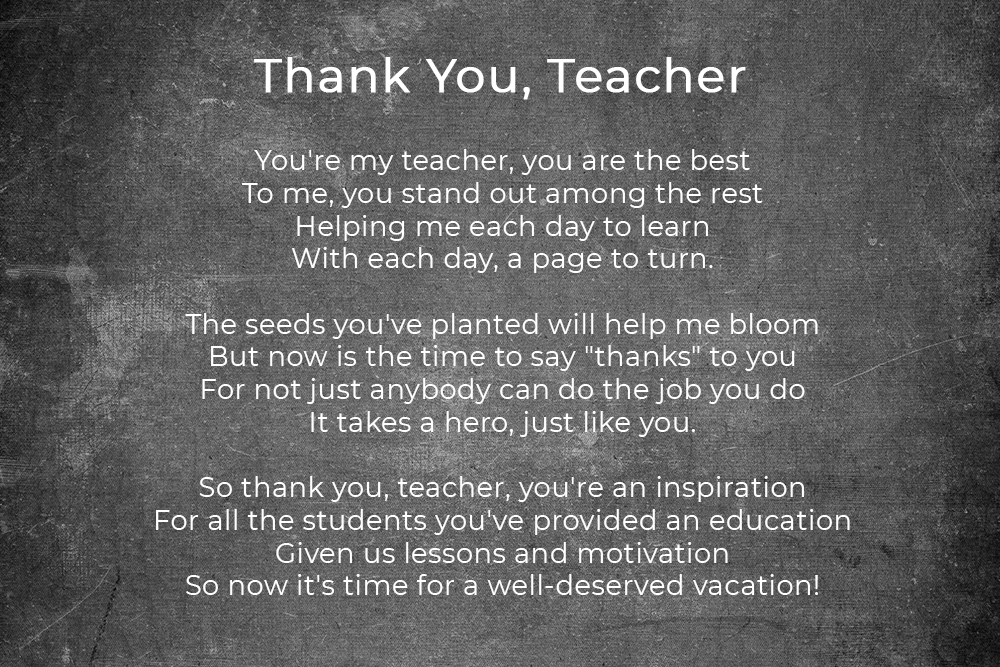
The Ripple Effect: How Appreciation Builds a Stronger Educational Brand
The impact of genuine appreciation extends far beyond the individual teacher. It creates a ripple effect that strengthens the entire educational brand. When teachers feel valued and recognized, they are more likely to be engaged, motivated, and committed to their profession. This, in turn, translates into a better learning experience for students, a more positive school climate, and a more robust and respected teaching profession.
- Boosting Teacher Morale and Retention: Feeling appreciated is a significant factor in job satisfaction and can help reduce teacher burnout and turnover. High retention rates are crucial for maintaining the quality and stability of the educational system, thus reinforcing its brand as a reliable and rewarding profession.
- Inspiring Future Educators: When students witness and experience genuine appreciation for their teachers, it can inspire them to consider teaching as a future career path. Positive portrayals and experiences are powerful branding tools that attract new talent.
- Enhancing Public Perception of Education: Consistent and visible appreciation for teachers elevates the perception of the teaching profession in the eyes of the public. This cultivates a societal understanding of the vital role educators play, fostering greater support for education initiatives and policies.
In conclusion, Teacher Appreciation Day offers a powerful opportunity to leverage the principles of branding and communication. By moving beyond superficial thanks and delving into specific, authentic, and strategically delivered messages, we can truly celebrate the invaluable work of our educators. This intentional approach not only honors individuals but also reinforces the positive and essential brand of the teaching profession, ensuring its continued strength and impact for generations to come.
aViewFromTheCave is a participant in the Amazon Services LLC Associates Program, an affiliate advertising program designed to provide a means for sites to earn advertising fees by advertising and linking to Amazon.com. Amazon, the Amazon logo, AmazonSupply, and the AmazonSupply logo are trademarks of Amazon.com, Inc. or its affiliates. As an Amazon Associate we earn affiliate commissions from qualifying purchases.