
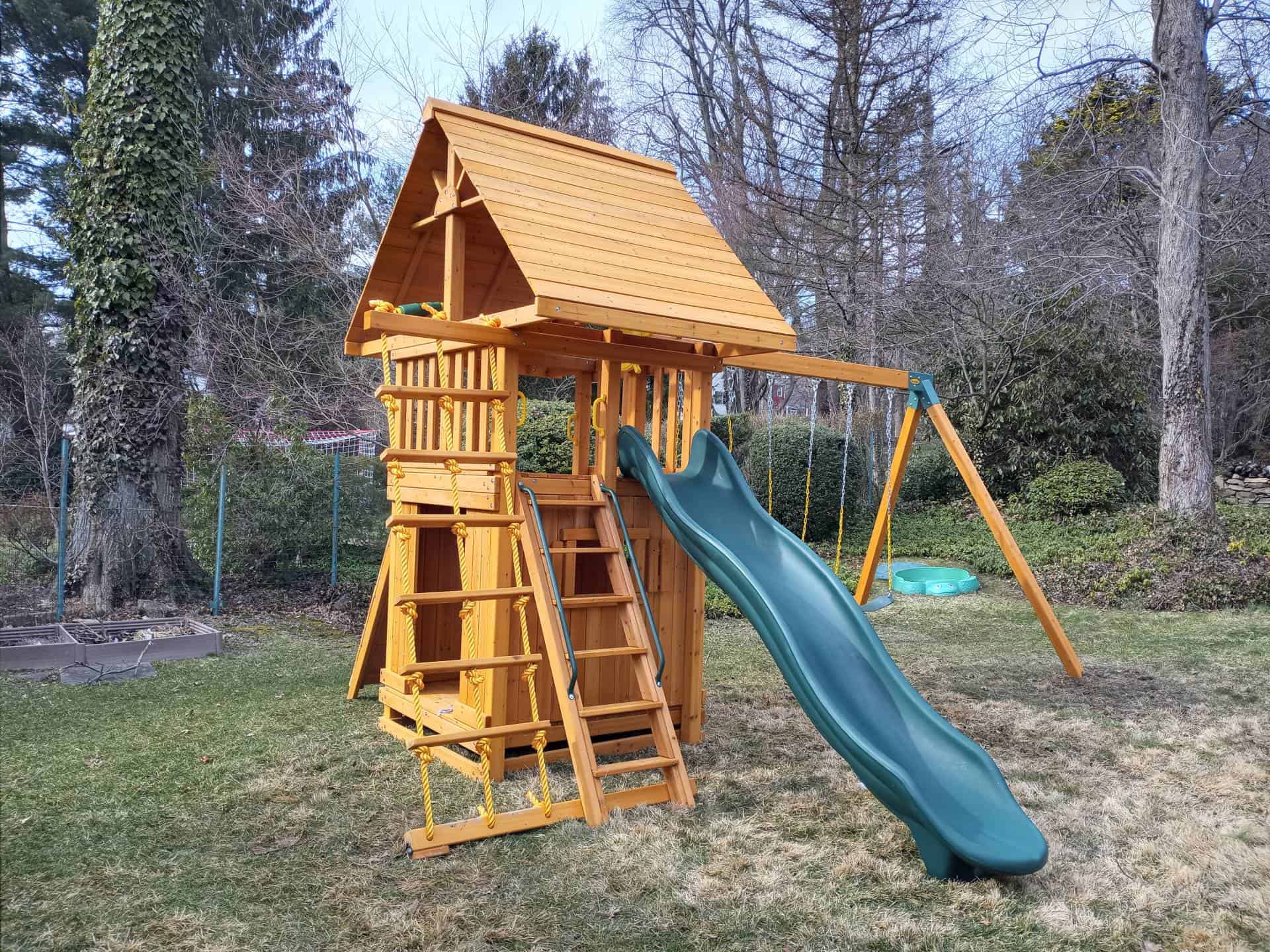
Creating a safe and engaging outdoor play area for children is a priority for many families. While the immediate concern often revolves around safety and aesthetics, the choice of surfacing material under a swing set carries significant financial implications that savvy homeowners and financial planners should carefully consider. This isn’t merely a decision about cushioning; it’s an investment with upfront costs, potential long-term savings, and considerations for property value and future financial planning. Understanding the economic landscape of playground surfacing is crucial for making a financially sound decision.
Budgeting for Backyard Safety: Initial Outlay vs. Long-Term Value
The process of selecting what goes under a swing set is fundamentally a budgeting exercise. It involves balancing the immediate expenditure with the projected financial benefits and liabilities over the lifespan of the play area. A robust financial assessment looks beyond the sticker price, encompassing installation, maintenance, and potential future costs.
Understanding Material Costs: Initial Investment
The upfront cost of surfacing materials varies dramatically. Natural options like wood chips, bark mulch, or sand often present the lowest initial purchase price per cubic yard or square foot. For instance, a bulk delivery of playground-grade wood chips might cost a fraction of engineered rubber tiles. However, this initial economy can be deceptive. The cost calculation must include delivery fees, which can be substantial depending on the volume and distance, and the cost of any necessary containment borders (e.g., lumber, plastic edging) to prevent material migration.
Synthetic options, such as rubber mulch or interlocking rubber tiles, typically command a higher initial price point. These products are often sold by the bag or per tile, and the total cost can quickly accumulate for larger areas. While the per-unit cost might seem high, their longevity and specialized manufacturing (often from recycled tires) contribute to their premium. A detailed line-item budget should be constructed, comparing the total cost for the required volume or area for each material, including all ancillary components.
The Hidden Costs of Poor Choices: Future Expenses
Opting for the cheapest material without considering its long-term implications can lead to significant future expenses. For example, standard landscaping mulch, while inexpensive, may decompose rapidly, requiring frequent replenishment—an ongoing expense for material and labor. It may also attract pests, necessitating pest control treatments, another unplanned cost. Similarly, inadequate depth of any loose-fill material compromises safety, potentially leading to injuries. Medical expenses stemming from falls are a stark example of a hidden cost that can far outweigh initial savings on surfacing. Insurance deductibles, co-pays, and lost wages due to time off work for parental care can quickly deplete emergency funds.
Even seemingly innocuous choices like sand or pea gravel require specific maintenance protocols. Sand can be attractive to neighborhood cats, leading to unsanitary conditions and requiring regular cleaning or replacement. Pea gravel can scatter widely, necessitating constant raking and replenishment, adding to labor and material costs. These ongoing operational expenditures, though individually small, accumulate over time, eroding any initial financial advantage.
DIY vs. Professional Installation: Weighing Labor Costs
The decision to install the surfacing material yourself (DIY) versus hiring a professional is a critical financial juncture. DIY saves on labor costs, which can represent a substantial portion of a professional quote. However, DIY assumes the homeowner has the necessary time, tools, and expertise. Incorrect installation can lead to material degradation, reduced safety effectiveness, and potential voiding of manufacturer warranties, necessitating costly corrections or early replacement.
Professional installation, while a higher upfront expense, often ensures proper material handling, correct depth and coverage, and adherence to safety standards. Professionals can also achieve a more polished finish and may complete the job more efficiently. When evaluating quotes, it’s essential to understand what’s included: material sourcing, site preparation, installation, and debris removal. Comparing multiple quotes and considering the opportunity cost of your own time are vital steps in this financial assessment.
Analyzing Return on Investment (ROI) in Playground Surfacing
Beyond immediate costs, the financial prudence of playground surfacing is best evaluated through its return on investment (ROI). This isn’t just about monetary gains but also the avoidance of financial losses and the enhancement of asset value.
The Intangible ROI: Health and Safety Savings
Perhaps the most significant, though intangible, ROI comes from enhanced safety. High-quality, properly installed surfacing drastically reduces the risk of serious injury from falls, which are common occurrences under swing sets. Preventing a single emergency room visit, hospital stay, or long-term medical care for an injury can result in savings that far exceed the entire cost of the surfacing project. These savings include not only direct medical bills but also the invaluable avoidance of pain, suffering, and the emotional toll on the family. From a purely financial standpoint, this is risk mitigation at its most effective, protecting human capital (the child’s health) and parental financial stability.
Property Value Enhancement: A Tangible Asset
A well-designed, safe, and attractive play area can be a considerable asset when selling a home. Families with young children often prioritize homes with established, safe outdoor spaces. A swing set area with professional-grade surfacing suggests attention to detail and a family-friendly environment, potentially increasing curb appeal and contributing to a higher appraisal value. It can be a distinguishing feature in a competitive housing market, attracting more buyers and potentially reducing the time a property spends on the market. Conversely, a poorly maintained or unsafe play area can be a detractor, requiring remediation before sale or leading to lower offers. While quantifying the exact financial uplift can be challenging, the positive impact on marketability and perceived value is undeniable.
Longevity and Maintenance: Minimizing Depreciation
The durability and maintenance requirements of a surfacing material directly impact its long-term financial viability. Materials like rubber mulch or interlocking tiles, despite their higher initial cost, typically boast superior longevity and require minimal maintenance over many years. They resist decomposition, fading, and displacement much better than loose-fill organic materials. This translates to lower annual maintenance expenditures and delays the need for costly complete replacement.
In contrast, wood chips or sand may require annual topping up, frequent raking, and replacement every few years due to compaction, decomposition, or scattering. These recurring costs, when compounded over a decade, can quickly erode any initial savings, effectively increasing the true lifetime cost of the cheaper material. Investing in durable, low-maintenance options is akin to choosing a financial instrument with lower ongoing fees and better long-term performance.
Smart Financial Tools and Strategies for Playground Development
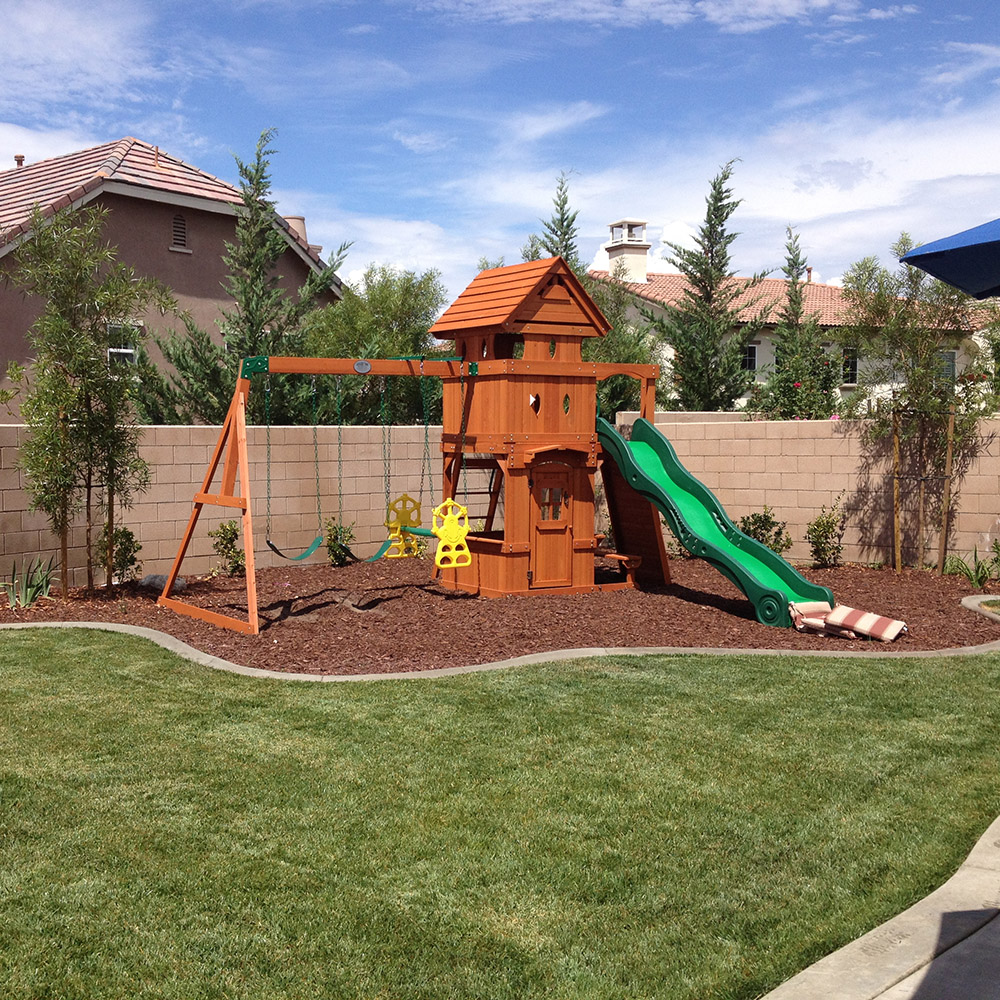
Approaching playground development with a strategic financial mindset involves utilizing available tools and tactics to optimize expenditure and secure the investment.
Leveraging Home Improvement Loans or Lines of Credit
For significant playground investments, particularly those involving extensive surfacing and structure installation, homeowners may consider financing options. A home equity line of credit (HELOC) or a home improvement loan often offers lower interest rates than personal loans, as they are secured by the equity in the home. This allows families to undertake larger, higher-quality projects that might otherwise be out of reach, spreading the cost over several years. Before committing, a thorough analysis of interest rates, repayment terms, and the total cost of borrowing is essential. Weighing the long-term benefits of a superior, safer play area against the cost of interest will inform a sound financial decision.
Comparing Suppliers and Bulk Purchase Discounts
Astute financial planning involves meticulous comparison shopping. Different suppliers for surfacing materials may offer varying price points, especially for bulk purchases. Local landscape supply companies, national hardware chains, and specialized playground equipment suppliers each have their own pricing structures. Inquiring about volume discounts for larger projects can lead to significant savings. Furthermore, pooling resources with neighbors or community groups for a joint purchase can unlock even greater bulk discounts, especially for materials like wood chips or rubber mulch that are sold in large quantities. This strategy reduces the per-unit cost for all involved, exemplifying smart collective financial management.
Insurance Considerations: Protecting Your Investment and Family
Before and after installing a swing set and its surfacing, a review of your homeowner’s insurance policy is prudent. A trampoline or elaborate play structure could potentially impact your liability coverage or even your premiums. While surfacing choices are generally seen as safety enhancements, ensuring your policy adequately covers potential liabilities related to backyard play equipment is crucial. Some insurers might offer discounts for safety improvements, while others might require specific declarations. Protecting your family’s financial future means ensuring you’re adequately covered against unforeseen accidents, minimizing out-of-pocket expenses should an incident occur despite safety precautions.
Case Study: Cost-Benefit Analysis of Popular Surfacing Options
To illustrate the financial considerations, a brief cost-benefit overview of common surfacing materials, framed through a monetary lens, is beneficial.
Wood Chips/Mulch: Economical Entry, Ongoing Upkeep
- Initial Cost: Lowest among options, making it an attractive entry point for budget-conscious families.
- Maintenance Cost: High. Requires frequent replenishment due to decomposition and scattering (annual or bi-annual), raking, and inspection for foreign objects.
- Safety ROI: Good if maintained at proper depth, but depth degrades quickly, reducing impact absorption and increasing fall risk.
- Property Value Impact: Neutral to slightly positive if impeccably maintained; negative if sparse or messy.
- Financial Summary: Low upfront, high lifetime cost due to recurring material and labor expenses.
Rubber Mulch/Tiles: Higher Upfront, Lower Long-Term
- Initial Cost: Highest upfront investment due to manufacturing process and material properties.
- Maintenance Cost: Very low. Does not decompose, resists scattering, and requires minimal replenishment or raking.
- Safety ROI: Excellent, providing superior impact absorption and consistent depth, significantly reducing medical cost risk from falls.
- Property Value Impact: Strongly positive, presenting a professional, safe, and attractive play area.
- Financial Summary: High upfront, but very low lifetime cost due to minimal maintenance and exceptional longevity, providing strong long-term value and significant risk reduction.
Sand/Pea Gravel: Moderate Cost, Specific Maintenance Needs
- Initial Cost: Moderate, often cheaper than rubber but more than basic wood chips.
- Maintenance Cost: Moderate to high. Sand requires regular sifting/cleaning to remove debris and animal waste; pea gravel scatters easily and needs frequent raking and replenishment.
- Safety ROI: Good if maintained at correct depth and cleanliness, but depth is easily compromised, and cleanliness issues can pose health risks.
- Property Value Impact: Neutral.
- Financial Summary: Moderate upfront, but recurring maintenance for cleanliness and depth can add up, making the true lifetime cost higher than initially perceived.
Engineered Wood Fiber (EWF): Balancing Safety and Budget
- Initial Cost: Mid-range, more expensive than basic wood chips but less than rubber products.
- Maintenance Cost: Moderate. Requires regular raking to maintain depth and surface consistency, and periodic replenishment due to compaction and decomposition.
- Safety ROI: Very good when installed and maintained to specifications, meeting safety standards effectively.
- Property Value Impact: Positive, as it’s recognized as a standard, safe playground surfacing.
- Financial Summary: A good compromise, offering a balance between initial investment and long-term maintenance, with solid safety performance.
Future-Proofing Your Investment: Financial Planning for Upgrades and Replacement
The financial journey of a playground doesn’t end with installation. Just like any significant asset, it requires ongoing financial foresight for future maintenance, potential upgrades, and eventual replacement.
Setting Aside Funds for Wear and Tear
Establishing a dedicated sinking fund or line item in your annual budget for playground maintenance and eventual replacement is a sound financial practice. Materials, even the most durable ones, will eventually show wear, and equipment may need repairs or upgrades. Periodically allocating a small sum ensures that when replacement or significant repairs become necessary, the funds are readily available, preventing a sudden, large, and unplanned expense from disrupting your household finances. This proactive approach mirrors saving for a car repair fund or home maintenance.

Assessing Market Trends for Value Retention
Over time, safety standards evolve, and new, more effective surfacing materials may emerge. Staying informed about these trends allows for timely upgrades that not only enhance safety but also maintain the play area’s value and appeal. For instance, if an older material no longer meets contemporary safety standards, an upgrade could be a wise financial decision, preventing potential liability issues and maintaining property desirability. Regularly re-evaluating the condition and efficacy of your playground surfacing against current best practices ensures your initial investment continues to pay dividends in safety and property value.
aViewFromTheCave is a participant in the Amazon Services LLC Associates Program, an affiliate advertising program designed to provide a means for sites to earn advertising fees by advertising and linking to Amazon.com. Amazon, the Amazon logo, AmazonSupply, and the AmazonSupply logo are trademarks of Amazon.com, Inc. or its affiliates. As an Amazon Associate we earn affiliate commissions from qualifying purchases.