
In the modern era, the boundary between physical performance and digital innovation has all but vanished. The traditional gym bag, once merely a vessel for a cotton towel, a change of clothes, and a pair of worn-out sneakers, has undergone a radical transformation. Today, for the tech-conscious athlete, the gym bag serves as a mobile command center—a curated collection of hardware and software designed to optimize performance, track recovery, and enhance the overall training experience.
Choosing what to put in your gym bag is no longer just about hygiene; it is about building a personal ecosystem of technology that provides actionable data. From wearables that monitor heart rate variability to AI-driven recovery tools, the modern fitness enthusiast relies on a sophisticated toolkit to gain a competitive edge. This guide explores the essential tech components that should define your gym bag in the current digital landscape.
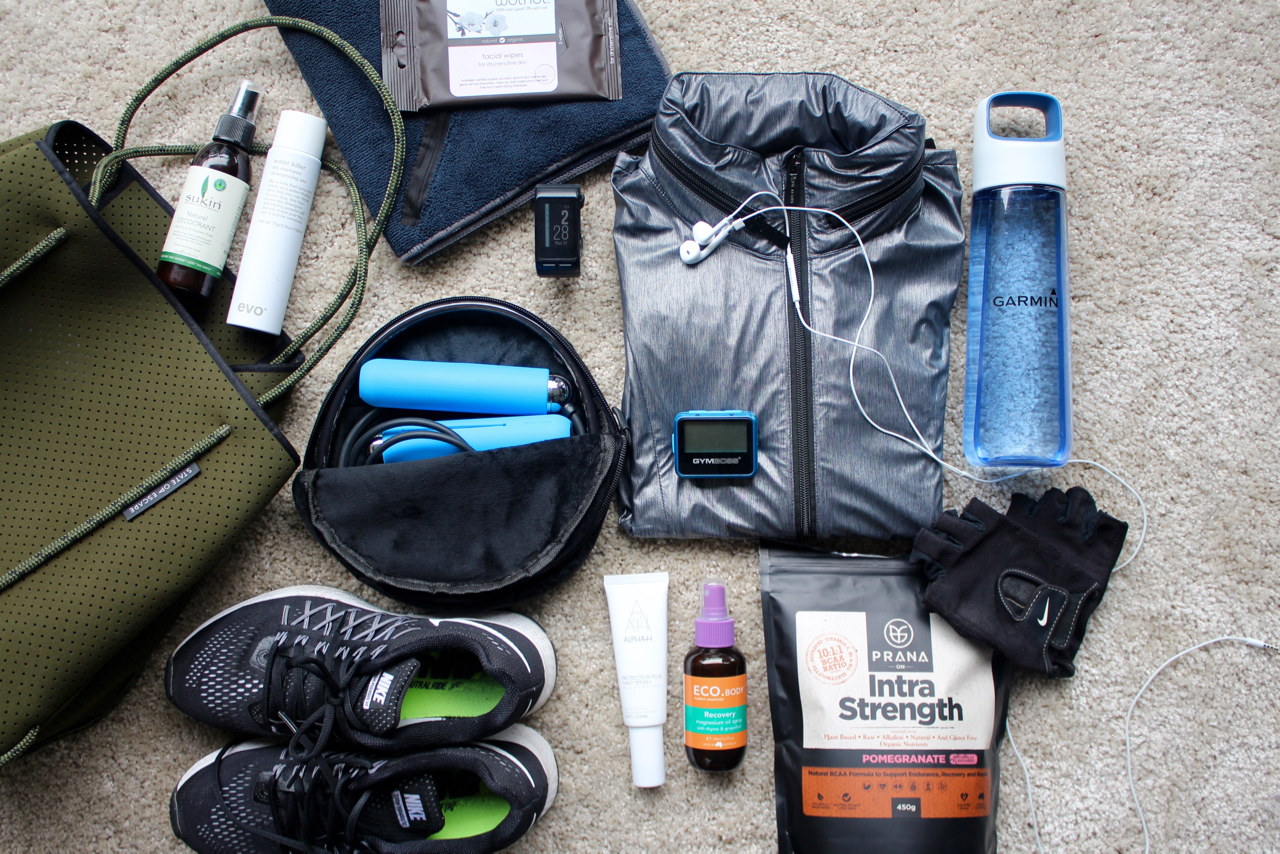
Wearable Technology: Beyond the Basic Fitness Tracker
The centerpiece of any digital gym bag is the wearable device. While early iterations of fitness trackers were little more than glorified pedometers, the current generation of wearables offers laboratory-grade insights into human physiology. Integrating these devices into your routine allows for a level of precision that was previously reserved for professional athletes.
Advanced Biometric Monitoring and Data Precision
The modern athlete requires more than just a calorie count. Today’s top-tier wearables utilize photoplethysmography (PPG) sensors and electrocardiogram (ECG) technology to monitor heart rate with incredible accuracy. When packing your bag, ensuring your primary wearable—be it a high-end smartwatch or a dedicated fitness band—is charged and synced is paramount. These devices now track Blood Oxygen (SpO2), skin temperature, and even stress levels via electrodermal activity (EDA) sensors. This data allows users to adjust the intensity of their workouts in real-time, preventing overtraining and ensuring that every minute spent in the gym is effective.
Recovery Metrics and Heart Rate Variability (HRV)
Perhaps the most significant advancement in wearable tech is the focus on recovery. Heart Rate Variability (HRV) has emerged as the gold-standard metric for determining how well the body has recovered from previous stressors. Many athletes now include dedicated recovery trackers in their bags—devices that might not even have a screen, designed to be worn 24/7 to provide a comprehensive “readiness score.” By analyzing the autonomic nervous system, these tools tell the user whether today is the day for a personal record or a day for active recovery, making them an indispensable part of the digital gym kit.
Audio and Connectivity: Creating the Ultimate Workout Environment
The psychological impact of audio on physical performance is well-documented. Music, podcasts, and guided coaching can significantly lower perceived exertion. However, the tech in your bag needs to handle the rigors of a high-intensity environment while providing seamless connectivity.
High-Performance Noise-Canceling Earbuds
The standard for gym audio has shifted toward True Wireless Stereo (TWS) earbuds equipped with Active Noise Cancellation (ANC). A gym is a noisy environment; the clanging of weights and the drone of commercial gym music can be distracting. High-end earbuds allow the athlete to create a “sonic bubble,” fostering deep focus. When selecting audio gear for your gym bag, look for an IPX-rating of at least IPX4 or higher to ensure sweat and water resistance. Furthermore, modern “Transparency Modes” are a crucial safety feature, allowing the user to hear ambient noise or a training partner without removing the device.
Smart Glasses and Augmented Reality (AR) in Training
While still an emerging category, Augmented Reality (AR) glasses are beginning to find their way into the bags of early adopters, particularly endurance athletes and cyclists who use gym facilities for cross-training. These devices project real-time data—such as cadence, heart rate, and interval timers—directly into the user’s line of sight. This eliminates the need to break form to check a watch or a phone screen. As the form factor of AR continues to shrink, these gadgets are poised to become as common as the traditional heart rate monitor.
Recovery and Maintenance Gadgets: Professional-Grade Tools at Your Fingertips
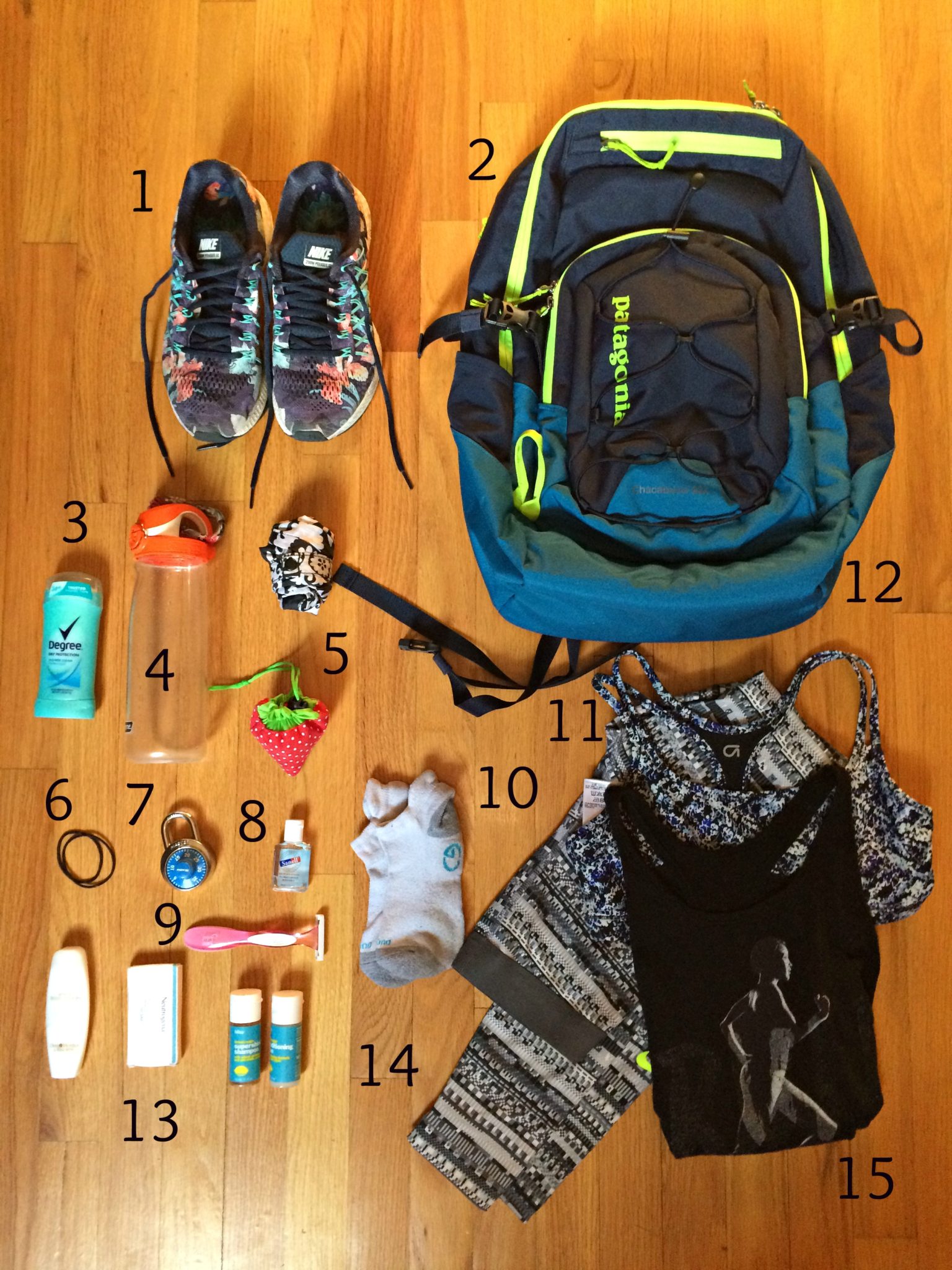
The “gym bag” of the past often ignored the post-workout phase, but modern tech has brought recovery tools into the portable realm. The integration of software with mechanical recovery tools has revolutionized how we handle muscle soreness and injury prevention.
Portable Percussive Therapy Devices
Percussive therapy, popularized by brands like Therabody and Hyperice, is now a staple of the tech-heavy gym bag. These devices use high-frequency pulses to increase blood flow and release myofascial tension. The “tech” element comes in the form of Bluetooth connectivity. Modern massage guns sync with mobile apps that provide guided routines based on the specific workout you just completed. If your wearable data shows a high-intensity leg day, the app will automatically suggest a four-minute percussive routine for the quadriceps and glutes, adjusting the speed and pressure of the device automatically.
Smart Compression and Muscle Stimulation
For those who prioritize recovery, portable Electronic Muscle Stimulation (EMS) and TENS (Transcutaneous Electrical Nerve Stimulation) units are essential additions. These pocket-sized gadgets use electrical impulses to stimulate muscle fibers, aiding in blood circulation and pain management. Controlled via smartphone, these devices allow athletes to begin their recovery protocol while still in the locker room or during their commute home, making efficient use of every digital tool available.
Hydration and Nutrition Tech: Monitoring Intake Digitally
Nutrition is often cited as the most difficult variable to control in a fitness regimen. Technology is stepping in to bridge the gap between “guessing” and “knowing” exactly what the body needs during and after a workout.
Smart Water Bottles and Hydration Sensors
Hydration is a science, and the smart water bottle is the laboratory. These bottles use internal sensors to track water consumption and sync the data to your fitness ecosystem. They account for your body weight, the intensity of your workout, and local weather conditions to remind you—via haptic feedback or phone notifications—when it’s time to drink. This ensures that cellular hydration is maintained, which is critical for both cognitive function and muscular power.
Portable Supplement Measurement and Nutrition Apps
The modern gym bag often contains smart scales or digital measuring tools for precision in supplement intake. However, the most powerful tool here is the integration with nutrition-tracking software. Many athletes now use AI-powered apps that allow them to photograph their post-workout meal or protein shake, with the software instantly calculating macros and syncing them with their burned-calorie data from their wearables. This creates a closed-loop system where the athlete knows exactly where their energy balance stands at any given moment.
The Future of the Digital Gym Bag: Integration and AI
As we look toward the future of fitness technology, the “gym bag” will become even more integrated. The focus is shifting from individual gadgets to a cohesive platform where every piece of hardware communicates with the others.
AI-Driven Personal Coaching Apps
The final, and perhaps most important, item in the modern gym bag isn’t a physical object, but the software that lives on the smartphone. Artificial Intelligence (AI) coaching has evolved beyond simple video tutorials. These apps now use the camera’s computer vision to analyze exercise form in real-time, providing audio cues to correct posture. They aggregate data from your smart bottle, your wearable, and your recovery tools to provide a holistic view of your health. The smartphone has become the brain of the gym bag, processing millions of data points to provide a bespoke training experience.

Digital Security and Smart Locks
Even the way we secure our gym bags has gone high-tech. Biometric padlocks that use fingerprint recognition are replacing traditional key or combination locks. These devices ensure that your expensive suite of gadgets remains secure without the need to carry a physical key. Some smart locks even offer “tamper alerts” sent directly to your phone, providing peace of mind while you are focused on your training.
In conclusion, what you put in your gym bag today is a reflection of the digital transformation of the fitness industry. By embracing wearables, advanced audio, smart recovery tools, and AI-driven software, you transform your workout from a routine into a data-driven pursuit of excellence. The modern gym bag is no longer just about carrying gear; it is about carrying the technology that empowers you to be the best version of yourself.
aViewFromTheCave is a participant in the Amazon Services LLC Associates Program, an affiliate advertising program designed to provide a means for sites to earn advertising fees by advertising and linking to Amazon.com. Amazon, the Amazon logo, AmazonSupply, and the AmazonSupply logo are trademarks of Amazon.com, Inc. or its affiliates. As an Amazon Associate we earn affiliate commissions from qualifying purchases.