
Organizing a bachelorette party often involves numerous expenses, and gift bags for attendees can quickly add to the financial burden if not approached strategically. For the financially savvy planner, curating these bags presents an opportunity to demonstrate thoughtful appreciation without overextending the budget. This guide focuses on optimizing financial outlay while maximizing perceived value, ensuring a memorable experience for guests and a manageable expenditure for the organizer.
Strategic Budgeting for Bachelorette Bashes
The foundation of any successful, fiscally responsible event begins with a clear, well-defined budget. For bachelorette gift bags, this involves more than just a rough estimate; it requires a meticulous approach to financial allocation that considers both the overall event economics and the individual guest experience.

Setting the Overall Financial Framework
Before selecting a single item, establish a comprehensive budget for the entire bachelorette party. This larger financial umbrella should encompass accommodation, activities, food, drinks, decorations, and crucially, the gift bags. Determine what percentage of the total budget can realistically be allocated to gifts. A common pitfall is to treat gift bags as an afterthought, leading to last-minute, often expensive, purchases that derail the overall financial plan.
Consider the number of guests expected. A small, intimate gathering allows for a higher per-bag budget compared to a large celebration. Factor in whether the gift bag is seen as a simple welcome gesture, a party favor, or a functional kit for the weekend’s activities. Each interpretation carries different cost implications. For instance, a “survival kit” might include more practical, yet potentially cheaper, items, while a “luxury treat” bag would necessitate higher-quality, albeit fewer, goods. Transparency with the bridal party or co-organizers about this initial budget allocation is paramount to prevent disagreements and ensure shared financial responsibility. Documenting all planned expenses, even small ones, provides a realistic projection and helps in monitoring spending.
Per-Bag Cost Analysis and Allocation
Once the overall gift bag budget is established, divide it by the number of anticipated recipients to arrive at a target “per-bag” cost. This figure becomes your guiding principle. It’s essential to adhere to this per-bag limit rigidly. Resist the temptation to exceed it for individual items, as these small overages quickly compound.
Prioritize the essential items within each bag first, ensuring they align with the per-bag budget. For example, if your per-bag budget is $25, and a custom T-shirt costs $15, you only have $10 remaining for all other inclusions. This forces a disciplined approach to item selection. Consider the average disposable income of your guests. While you want to provide a thoughtful gesture, guests should not feel that the gift bag’s contents are extravagant beyond their own comfort level, especially if they are also contributing to other party costs. Opting for items that offer significant utility or a lasting memory often provides a better return on investment (ROI) for the expense than fleeting novelties. Regularly review spending against the per-bag allocation during the purchasing phase to make timely adjustments.
Maximizing Value Through Smart Sourcing and Selection
The art of financial efficiency in gift bag curation lies in discerning quality and utility without succumbing to inflated prices. Strategic sourcing and thoughtful item selection can significantly enhance the perceived value of the gift bag while keeping actual costs firmly within budget.
The Economics of Bulk Buys and Wholesale
One of the most effective strategies for reducing per-unit costs is purchasing in bulk. Many party favor items, personal care products, and even small snacks are significantly cheaper when bought in larger quantities from wholesale suppliers, club stores, or online retailers specializing in bulk goods. For example, personalized water bottles, hangover remedies, or common snack items often have substantial price breaks when ordered by the dozen or more.
Before committing to a bulk purchase, calculate the per-unit cost to ensure it genuinely offers savings compared to individual retail purchases. Be mindful of minimum order quantities (MOQs) and factor in shipping costs, which can sometimes negate bulk savings. Explore local wholesale distributors for party supplies or custom apparel, as they might offer competitive pricing without hefty shipping fees. Additionally, consider collaborating with other organizers if you’re hosting multiple events, to pool resources for even larger bulk orders and benefit from deeper discounts. Leveraging promotional codes or subscribing to wholesaler newsletters can also unlock further savings.
Curating High-Perceived-Value, Low-Cost Items
The goal is to create a sense of generosity and thoughtfulness without a lavish spend. This requires a keen eye for items that appear more expensive than they actually are, or provide significant utility for a modest price. Examples include:
- Miniature Luxuries: Small, sample-sized versions of high-end beauty products or gourmet food items can feel indulgent without the full-size price tag. Think travel-size lotions, artisanal chocolates, or specialty tea bags.
- Personalized Touches (DIY/Affordable): A handwritten note costs nothing but adds immense personal value. Custom labels for inexpensive items (e.g., water bottles, small liquor bottles) can elevate their appearance significantly for a minimal printing cost.
- Practical Essentials: Items guests will genuinely use during the trip or weekend offer excellent utility-to-cost ratios. Hair ties, lip balm, travel-sized pain relievers, or sunscreens (especially for outdoor events) fit this category.
- Experiences, Not Just Things: Sometimes, a coupon for a shared group activity (e.g., a discounted group yoga class, a free drink voucher at a specific bar) can be included, offering an experience rather than a tangible item, and potentially at a pre-negotiated group rate.
- Themed Novelties: Small, themed items like fun sunglasses, temporary tattoos, or witty buttons can contribute to the party atmosphere for a very low unit cost.
Focus on presentation. Even inexpensive items can look high-end when packaged beautifully with ribbons, tissue paper, or a well-designed custom tag. This enhances the perceived value without increasing the actual cost of the contents.
DIY and Homemade Contributions as Cost Savers
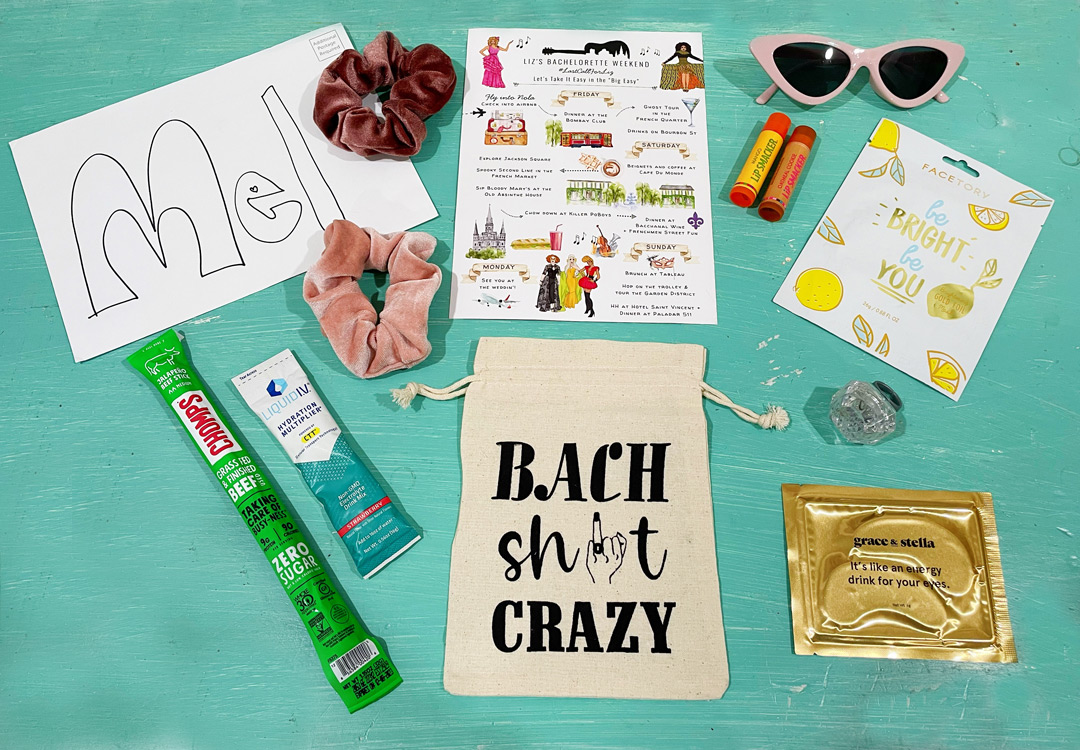
For those with a knack for crafting or baking, DIY items offer an unparalleled opportunity for cost savings and personalization. Homemade treats, custom-designed itineraries, personalized playlists via QR codes, or even handcrafted friendship bracelets can imbue gift bags with unique charm and sentimentality.
The financial benefit of DIY is clear: you pay for raw materials rather than labor and branding. However, calculate the true cost of your time and materials. If sourcing materials is expensive or the craft is overly time-consuming, the perceived savings might diminish. Focus on DIY projects that are genuinely cost-effective and efficient to produce in batch. For example, simple sugar scrubs, personalized keychains, or custom-designed iron-on patches can be economical and impactful. These items also carry an emotional weight that purchased goods often lack, indicating a deeper level of care and effort, which translates to high emotional ROI for the recipient.
Navigating Guest Contributions and Financial Transparency
When planning bachelorette parties, it’s common for guests to contribute to various expenses. Integrating gift bags into this model requires careful communication and transparent financial management to avoid discomfort or resentment among attendees.
Fair Share: Dividing Costs Equitably
If the gift bags are considered a collective expense, establish clear expectations for contributions early in the planning process. Present a detailed breakdown of the gift bag budget, outlining the per-bag cost and the rationale behind the selected items. This transparency helps guests understand where their money is going and can prevent friction.
Decide whether the cost of gift bags will be equally divided among all attendees (excluding the bride), or if contributions will be based on varying financial capacities. An equal split is often simplest, but may not always be equitable. Consider creating a centralized fund or using a group payment app to collect contributions efficiently. Clearly communicate deadlines for contributions to ensure funds are available for timely purchasing. If some guests are unable to contribute financially, offer them opportunities to contribute in other ways, such as assisting with DIY projects, sourcing items, or assembling the bags, thereby converting their time and effort into a form of financial contribution.
Optional Add-ons vs. Core Essentials
To cater to diverse budgets and preferences, consider categorizing gift bag items into “core essentials” and “optional add-ons.” Core essentials are items funded by the collective budget (or the main organizer) and are included in every bag. These should be practical, universally appealing, and within the agreed-upon per-bag budget.
Optional add-ons, on the other hand, allow guests to personalize their gift bag experience (or contribute more if they choose) at an additional cost. For instance, you could offer a basic bag with standard items, and then provide an option to upgrade to a “deluxe” version that includes a more expensive item (e.g., a specific brand of sparkling wine, a higher-end beauty product) for an extra charge. This approach empowers guests to control their spending and ensures no one feels pressured to pay for items they don’t value. Clearly communicate the pricing for these optional items and make the opt-in process straightforward and discreet. This flexibility ensures financial comfort for all participants while still providing a thoughtful experience.
Long-Term Value and Avoiding Financial Overextension
The ultimate goal of bachelorette gift bags, from a financial perspective, should be to provide genuine value and contribute positively to the overall experience, rather than simply adding to the expense. Prudent financial planning in this area means focusing on utility, avoiding waste, and prioritizing meaningful contributions over lavish spending.
Prioritizing Practicality Over Fleeting Fads
When selecting items, evaluate their long-term utility. While novelty items can be fun, they often have a very short lifespan before ending up unused or discarded. Instead, prioritize items that guests can genuinely use during the bachelorette weekend and beyond. Think about items that solve a problem, offer comfort, or provide lasting enjoyment.
Examples of practical items with good financial value include quality travel accessories, comfortable sleep masks, reusable tote bags, small first-aid kits, or even a gift card to a universally useful online retailer or coffee shop. These items represent a better return on investment than expensive, single-use trinkets. By focusing on practicality, you reduce the likelihood of waste and ensure that your financial outlay translates into tangible benefits for the recipients. This approach also subtly reinforces responsible spending habits, demonstrating that thoughtful gifting doesn’t equate to extravagant spending.
The True Cost of Impulsive Purchases
Impulsive buying is the bane of any budget. Last-minute decisions, often driven by a desire to “fill up” the bag or a fear of inadequacy, frequently lead to overspending on items that offer minimal value. To mitigate this risk, create a detailed list of all intended items well in advance, along with their estimated costs. Stick to this list diligently.
Before making any purchase, pause and consider whether the item aligns with your per-bag budget, serves a clear purpose, and adds genuine value. Avoid falling prey to “deal fatigue” where you might buy something just because it’s on sale, even if it wasn’t on your original list and doesn’t fit the overall theme or budget. Remember that every unplanned purchase, no matter how small, detracts from your overall financial discipline and can lead to unexpected budget overruns. A financially savvy approach prioritizes planning and deliberate decision-making over reactive spending.

Investing in Memories, Not Just Merchandise
Ultimately, the most valuable “return” from bachelorette gift bags isn’t found in the monetary worth of their contents, but in the positive memories and shared experiences they help create. While it’s important to provide thoughtful items, remember that the core purpose of the bachelorette party is to celebrate the bride and foster camaraderie.
Approach the gift bags as a supplementary element to the main event. Invest your financial resources primarily in experiences, shared meals, and activities that will forge lasting memories. The gift bags should complement these experiences, perhaps by providing items that enhance an activity (e.g., themed props for a photo booth, custom playlists for a road trip) or offer comfort during the celebration. A small, well-curated bag of practical and thoughtful items, presented within a carefully managed budget, will always be more appreciated than an overflowing bag of expensive, yet unnecessary, trinkets that lead to financial stress for the organizer. By focusing on financial prudence, you ensure that the gift bags contribute positively to the overall celebration without detracting from the joy of the occasion due to budgetary concerns.
aViewFromTheCave is a participant in the Amazon Services LLC Associates Program, an affiliate advertising program designed to provide a means for sites to earn advertising fees by advertising and linking to Amazon.com. Amazon, the Amazon logo, AmazonSupply, and the AmazonSupply logo are trademarks of Amazon.com, Inc. or its affiliates. As an Amazon Associate we earn affiliate commissions from qualifying purchases.