
When applying for a passport or renewing an existing one, the application form often presents a series of straightforward questions regarding your identity, birthright, and residence. However, one field frequently causes a pause for the modern professional: “Occupation.” While it may seem like a minor administrative detail, the occupation listed on your passport—and by extension, your visa applications—carries significant weight in the realms of international finance, global mobility, and professional credibility.
In an era of shifting economic landscapes, where the traditional 9-to-5 is being replaced by side hustles, digital entrepreneurship, and diversified income streams, choosing the right term to describe your work is a strategic decision. This article explores how to navigate this choice through the lens of personal finance and professional stability, ensuring your official documents reflect a status that facilitates, rather than hinders, your global financial life.
The Financial Significance of Your Stated Occupation
The occupation field on a passport or visa application is more than a mere label; it is a snapshot of your economic standing. Consular officers and border agencies often use this information as a primary indicator of an individual’s financial ties to their home country. From a personal finance perspective, your occupation acts as a proxy for your ability to support yourself during international travel and your likelihood of returning home.
Impact on Visa Approval and Financial Credibility
While a passport itself is a proof of citizenship, the information contained within it—and the consistent information you provide across travel documents—is scrutinized during visa adjudications. If you are applying for a business or tourist visa to a high-threshold country, your occupation is the first line of defense in proving financial solvency.
For instance, listing a specific professional title like “Software Engineer” or “Senior Financial Analyst” suggests a stable, high-income bracket. This perceived stability reduces the “financial risk” profile that immigration departments assign to travelers. Conversely, leaving the field blank or using vague terms like “Worker” can trigger additional financial scrutiny, leading to requests for months of bank statements, tax returns, and proof of liquid assets. Choosing an occupation that accurately reflects your highest level of professional attainment is a core strategy in maintaining global financial mobility.
Occupational Status and Foreign Exchange Regulations
In some jurisdictions, the occupation listed on your official documents can influence your ability to conduct high-value financial transactions abroad. For business travelers and international investors, the alignment between their passport occupation and their banking profile is essential.
When opening a non-resident bank account or engaging in foreign exchange (FX) markets, financial institutions conduct Know Your Customer (KYC) checks. If your passport states you are a “Student” but you are attempting to move significant capital for a “Real Estate Investment,” the discrepancy can trigger anti-money laundering (AML) flags. Strategically selecting an occupation that encompasses your primary source of wealth—such as “Investment Manager” or “Business Owner”—ensures a smoother path through the global financial plumbing.
Navigating Non-Traditional Roles: Side Hustles and Digital Income
The rise of the gig economy and online income has complicated the “occupation” field. With millions of individuals earning through affiliate marketing, e-commerce, or freelance consulting, the traditional list of job titles often feels inadequate. However, for the purposes of official documentation and financial vetting, it is vital to translate these modern roles into recognized professional categories.
Choosing the Right Term for Freelancers and Solopreneurs
If you operate a successful side hustle or a full-time freelance business, the term “Self-Employed” is the most common and legally sound entry. However, from a financial perspective, “Consultant” or “Business Owner” often carries more weight.
For those earning a significant online income, it is beneficial to use a title that reflects the industry rather than the platform. For example, instead of “YouTuber,” consider “Content Creator” or “Digital Media Producer.” These terms are better recognized by financial institutions and government agencies as legitimate professional categories. When your occupation sounds like a business rather than a hobby, it reinforces your status as a person with a stable financial base.
Documentation for Online Income Earners
When you choose a specific occupation for your passport, you must ensure that your financial paper trail supports it. This is particularly important for digital nomads and those with diversified income streams. If you list yourself as an “E-commerce Director,” your tax filings and business bank accounts should reflect that reality.

In the world of personal finance, consistency is king. If an embassy or a foreign bank asks for proof of your occupation, you should be able to produce invoices, contracts, or business registration documents that match the title on your passport. This alignment not only protects your financial reputation but also simplifies the process of securing business credit or investment capital while traveling.
Business Finance and Corporate Identity in International Travel
For executives and entrepreneurs, the occupation on a passport is a component of their corporate identity. It serves as a testament to their role within the global economy and can affect everything from tax residency status to the ease of corporate expense management.
Managing Expenses and Tax Implications
International business travel often involves complex expense reporting and tax considerations. If your passport lists you as a “Managing Director,” it provides an immediate context for the high-value business expenses you may incur. This can be particularly relevant when dealing with corporate credit cards and travel insurance claims.
Furthermore, for individuals who spend significant time working in multiple countries, the occupation on their passport can be a factor in determining their “center of vital interests” for tax purposes. Financial advisors often suggest that high-net-worth individuals maintain a consistent professional identity across all documents to avoid conflicting tax claims from different jurisdictions. Your passport occupation is a foundational piece of this legal and financial puzzle.
Professional Branding vs. Official Records
While “Personal Branding” often encourages creative or unique job titles, the passport application is a place for conservative, established terminology. A “Growth Hacker” or “Visionary Architect” might sound impressive on LinkedIn, but on a passport, these titles can cause confusion or unnecessary questioning.
From a strategic standpoint, it is better to use the most “bankable” version of your title. If you are the founder of a tech startup, “CEO” or “Executive Director” are internationally recognized terms that imply a specific level of financial responsibility and authority. These titles are universally understood by the financial systems that govern international travel, making it easier to navigate corporate banking and business-class mobility.
Strategic Advice for Passport Renewals and Financial Stability
As you approach the “Occupation” section of your passport application, consider your long-term financial and professional goals. This document will stay with you for five to ten years, during which your career and income levels may evolve.
Future-Proofing Your Application
If you are currently in a transitional period—perhaps moving from a corporate role to starting your own business—it is wise to choose a title that reflects your most stable professional identity. If you have recently launched a side hustle but still maintain a senior role in a company, listing the senior role may provide better financial standing for the immediate future.
However, if you are fully committed to your own venture, ensure that your business is registered and your financial records are in order before committing to a title like “Director.” Future-proofing your passport involves selecting a title that remains accurate and prestigious throughout the document’s validity, supporting your growth in personal wealth and professional status.
Consistency Across Financial and Legal Documents
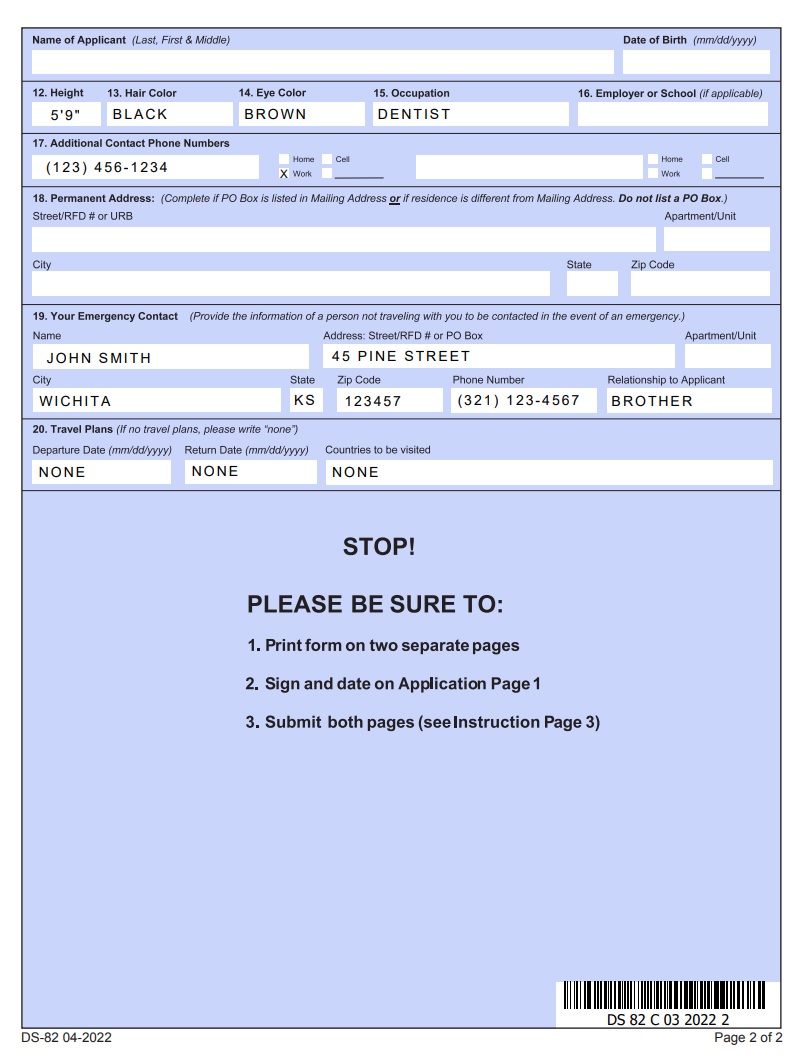
The ultimate goal of choosing the right occupation for your passport is to create a seamless professional narrative. In the eyes of global financial regulators, a “consistent” person is a “low-risk” person. Your passport, your LinkedIn profile, your tax returns, and your bank account KYC details should all tell a similar story.
If your passport says “Engineer” but your bank thinks you are a “Real Estate Agent,” you may face delays in cross-border wealth transfers or when applying for international mortgages. By treating the occupation field as a strategic financial entry, you align your official identity with your economic reality. This preparation ensures that whenever you present your passport—whether at a border crossing, a bank, or a corporate headquarters—you are recognized as a legitimate and financially stable professional.
In conclusion, “what to put for occupation on a passport” is not a question to be answered lightly. It requires an assessment of your current income streams, your professional goals, and the financial requirements of the countries you intend to visit. By choosing a title that is accurate, professional, and financially credible, you secure your position as a savvy participant in the global economy.
aViewFromTheCave is a participant in the Amazon Services LLC Associates Program, an affiliate advertising program designed to provide a means for sites to earn advertising fees by advertising and linking to Amazon.com. Amazon, the Amazon logo, AmazonSupply, and the AmazonSupply logo are trademarks of Amazon.com, Inc. or its affiliates. As an Amazon Associate we earn affiliate commissions from qualifying purchases.