
In the realm of brand strategy, every touchpoint matters. While digital marketers obsess over pixel-perfect landing pages and social media aesthetics, the physical environment remains one of the most potent—and often underutilized—tools for communicating corporate identity. Whether it is a luxury lounge in a flagship store, a reception area in a corporate headquarters, or the backdrop of a high-stakes executive interview, the space behind a sofa is a critical piece of visual real estate. It acts as the frame for the human interaction occurring in the foreground, serving as a silent ambassador for the brand’s values, culture, and prestige.

Choosing what to place in this space is not merely a task for an interior decorator; it is a strategic branding decision. When a client or partner sits on a sofa, their immediate visual field is dominated by the wall behind it. This area dictates the “vibe” of the brand—ranging from the high-tech minimalism of a Silicon Valley startup to the storied heritage of a London law firm. To optimize this space, one must move beyond decorative filler and move toward intentional brand storytelling.
The Psychology of Spatial Branding: Why the Backdrop Matters
Visual identity is the collection of elements that a brand uses to convey its character. In a physical setting, the space behind a living or seating area functions as an anchor point. This is where the eye naturally rests once the initial handshake or greeting is over. If the space is cluttered, the brand feels disorganized. If it is empty, the brand feels unfinished or lacking in substance.
The Sofa as a Focal Point for Brand Narratives
In corporate design, the sofa often serves as the “stage.” It is where deals are finalized in informal settings, where collaborative brainstorming happens, and where the media captures images of leadership. By curating the space behind this stage, a brand controls the narrative. This is particularly important for personal branding. For executives who frequently participate in video conferences or press junkets from their offices, the background must reinforce their professional authority. A well-placed piece of art or a strategically stocked shelf can communicate intelligence, creativity, or stability without a single word being spoken.
Non-Verbal Cues and First Impressions
Human psychology dictates that we make split-second judgments based on environmental cues. A brand that places a “living wall” of moss and plants behind its seating communicates a commitment to sustainability and employee wellness. Conversely, a brand that utilizes sleek, industrial metalwork and high-contrast photography may be signaling a focus on precision and modern technology. Understanding these non-verbal cues allows a brand strategist to manipulate the space to align with the company’s core mission statement.
Strategic Elements for Corporate Identity Integration
Once the psychological objective is established, the next step is selecting the specific elements that will reside behind the sofa. These choices should be governed by the brand’s style guide—incorporating color palettes, textures, and themes that are consistent with the company’s broader marketing efforts.
Dimensional Signage and Logo Placement
The most direct way to utilize the space behind a sofa for branding is through dimensional signage. A flat, vinyl sticker on a wall can look cheap; however, a backlit, 3D logo made of brushed steel, acrylic, or reclaimed wood conveys a sense of permanence and investment. The placement must be precise. The logo should be positioned high enough that it is not obscured by the heads of those sitting on the sofa, yet low enough to remain within the “hero shot” of a photograph. This ensures that every time a photo is taken of a guest or executive on that sofa, the brand identity is subtly but clearly visible in the background.
Curated Art Collections and Brand Storytelling
Art is a powerful vehicle for corporate identity. Rather than selecting generic corporate art, brands should curate pieces that reflect their history or their future. For example, a legacy brand might display framed blueprints of their first factory or vintage advertisements from their founding era. A forward-thinking tech company might commission a digital installation or a series of abstract paintings that reflect the flow of data. This turns the space behind the sofa into a conversation starter, allowing employees and brand ambassadors to tell the story of the company to visitors.
Materiality and Texture as Brand Language
The materials used on the wall behind a sofa contribute significantly to the sensory brand experience. A brand that values transparency and modernity might use glass partitions or high-gloss finishes. A brand focused on heritage and trust might opt for dark wood paneling or textured stone. These textures provide a tactile dimension to the brand, making it feel more grounded and “real” to the consumer. The goal is to create a cohesive environment where the physical materials match the brand’s digital and verbal tone.

The Personal Brand Perspective: Optimizing the Consultative Space
In the modern professional landscape, the “sofa” is often part of a consultative home office or a boutique agency setting. Here, the focus shifts slightly from corporate identity to personal branding. What you put behind the sofa in these environments must validate your expertise and position you as a thought leader in your niche.
The Strategic Use of Bookshelves
The “intellectual backdrop” is a staple of personal branding. A bookshelf placed behind a sofa or seating area serves as a visual resume. However, to be effective, it must be curated. A haphazard collection of paperbacks can look messy. Instead, use “color-blocking” or thematic groupings that align with your industry. If you are a financial consultant, the shelves should feature authoritative texts on economics alongside tasteful artifacts that suggest global travel and sophisticated taste. The inclusion of personal awards or recognizable industry accolades can also serve as social proof, subtly reminding the viewer of your accomplishments.
Lighting as a Brand Enhancer
The most overlooked element in spatial branding is lighting. You can have the most beautiful logo or artwork behind a sofa, but if it is poorly lit, the brand feels dim and uninspired. Strategic lighting—such as “wall washing” with LED strips or using targeted spotlights—can create depth and drama. For video content and personal branding, the space behind the sofa should be lit with a different temperature than the foreground to create a professional “bokeh” effect, making the person in front of the camera pop while the brand elements in the background remain soft but identifiable.
Functional Branding: Merging Utility with Identity
In high-traffic areas, what goes behind the sofa must often serve a dual purpose. Functional branding involves integrating utility with brand messaging, ensuring that even the furniture and fixtures contribute to the corporate narrative.
Console Tables and Brand Artifacts
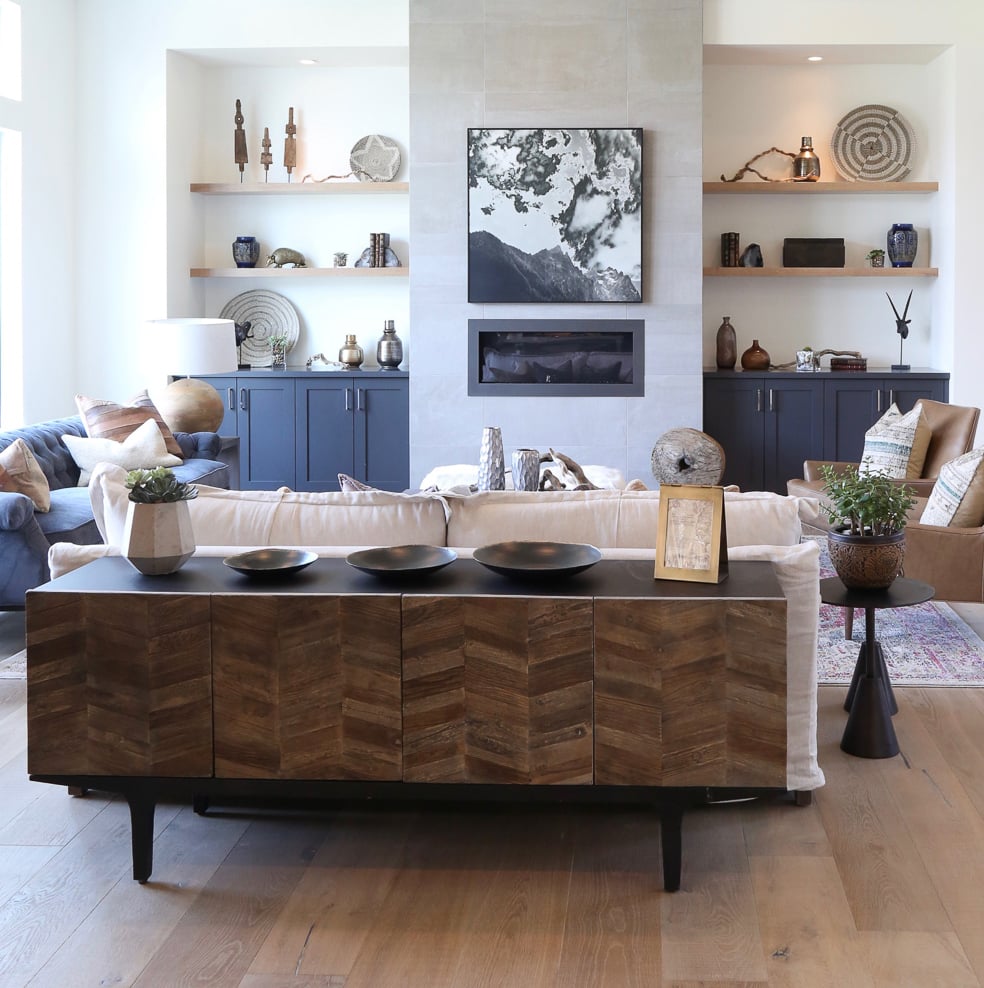
A console table placed behind a floating sofa is the perfect pedestal for brand-specific artifacts. These could be physical products, prototypes, or “hero” versions of what the company sells. For a luxury automotive brand, this might be a scale model of a classic chassis. For a software company, it could be a sleek, interactive tablet displaying the latest UI/UX design. By placing these items within reach of the seating area, the brand encourages physical interaction, making the brand experience more memorable.
Biophilic Design and Global Responsibility
As global brands move toward more sustainable business models, biophilic design has become a staple of environmental branding. A vertical garden or a series of high-end planters behind a sofa does more than just clean the air; it signals that the brand is socially responsible and attuned to the well-being of its stakeholders. This is a critical move for brands targeting Millennial and Gen Z demographics, who prioritize ethical and “green” corporate identities.
Measuring the Impact of Environmental Branding
While it is difficult to assign a direct ROI to the placement of a painting or a logo behind a sofa, the impact on brand perception is measurable through qualitative feedback and brand consistency audits. A cohesive physical environment reduces “brand friction”—the disconnect a customer feels when a company’s physical space does not match its online persona.
Strengthening Internal Brand Culture
The people who spend the most time looking at the space behind the sofa are the employees. A well-designed office environment reinforces the brand’s values to the team every single day. If the space is inspiring and reflects the brand’s mission, it fosters a sense of pride and belonging. This internal branding is the foundation of external brand success, as employees become more authentic advocates for the company.
Enhancing Media and Social Presence
In the age of social media, every corner of a professional space is a potential backdrop for an Instagram post, a LinkedIn update, or a YouTube video. By intentionally designing the space behind the sofa, a brand ensures that every “earned media” moment is on-brand. When a visitor takes a selfie or a journalist conducts an interview, the brand elements are baked into the content. This provides a level of free, high-quality exposure that far outweighs the initial cost of the design.
In conclusion, the question of “what to put behind a sofa” is a question of identity. It is an opportunity to solidify a brand’s presence, communicate its values, and provide a professional backdrop for its leadership. By treating this space as a strategic asset rather than a decorative afterthought, organizations can create a physical environment that is as powerful and persuasive as their most successful marketing campaigns. In the competitive landscape of modern business, a brand must speak from every wall, every texture, and every corner of its space.
aViewFromTheCave is a participant in the Amazon Services LLC Associates Program, an affiliate advertising program designed to provide a means for sites to earn advertising fees by advertising and linking to Amazon.com. Amazon, the Amazon logo, AmazonSupply, and the AmazonSupply logo are trademarks of Amazon.com, Inc. or its affiliates. As an Amazon Associate we earn affiliate commissions from qualifying purchases.