
Traveling to Paris, the epitome of romance and culture, can be an exhilarating experience, but the financial implications of your packing choices are often overlooked. A strategic approach to what you bring, and perhaps more importantly, what you don’t, can significantly impact your overall budget, safeguarding your funds for memorable experiences rather than avoidable expenses. This guide delves into the financial considerations behind your Parisian packing list, transforming a simple task into a savvy savings strategy.
Optimizing Your Luggage for Cost Efficiency
The first and most direct financial impact of your packing strategy manifests in airline fees and on-location spending. Every item chosen or omitted has a ripple effect on your wallet.
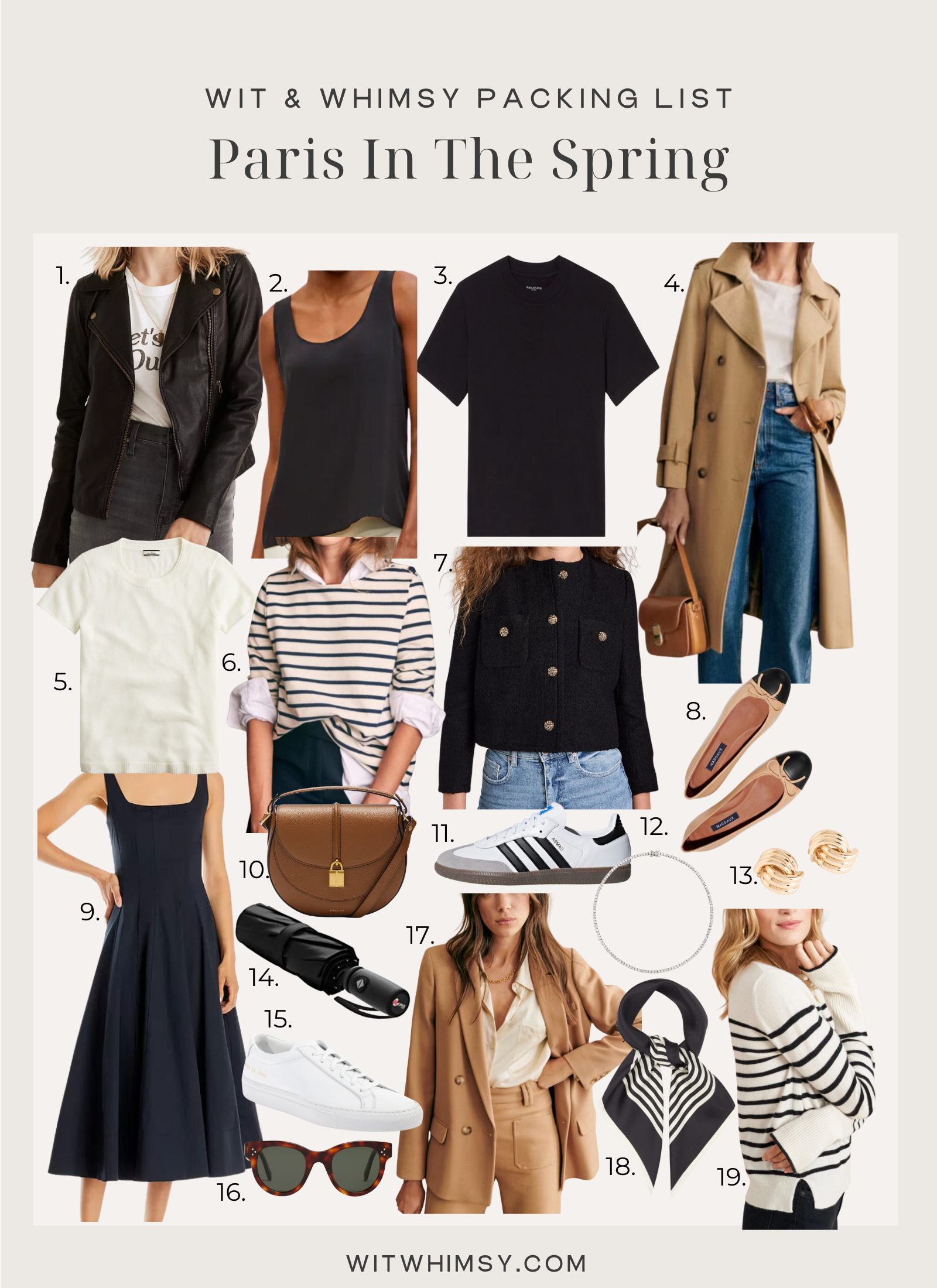
Avoiding Baggage Fees: The Art of Carry-On Travel
One of the most immediate and significant financial benefits of thoughtful packing is the avoidance of checked baggage fees. Many airlines, especially budget carriers prevalent for European routes, impose substantial charges for checked bags, and even for carry-ons that exceed strict size and weight limits. For a trip to Paris, particularly a shorter one, mastering the art of carry-on travel can save hundreds of dollars that would otherwise be spent purely on transportation logistics.
This mastery involves a disciplined selection of versatile clothing items that can be mixed and matched to create numerous outfits, thereby reducing the sheer volume of garments required. Focus on lightweight, quick-drying fabrics that can be layered. Employ packing cubes to compress clothes efficiently and roll items tightly to maximize space. Remember to wear your bulkiest items, such as a heavy jacket or boots, on the plane to keep them out of your bag’s weight allowance. Crucially, always verify your specific airline’s carry-on dimensions and weight restrictions rigorously before departure; an oversized or overweight carry-on can be gate-checked at a higher fee, completely negating your efforts to save.
Strategic Packing to Minimize On-Location Spending
What you pack (or neglect to pack) directly influences how much you’ll spend once you arrive in the City of Lights. Forgetting basic necessities often leads to impulsive, overpriced purchases at tourist-heavy pharmacies or convenience stores. For example, a reusable water bottle is an invaluable item; Paris tap water is safe and delicious, and public fountains are plentiful, allowing you to save several euros daily by avoiding bottled water purchases. Similarly, a compact umbrella or a lightweight, waterproof jacket can save you from a costly last-minute purchase during an unexpected Parisian shower.
Consider packing a few non-perishable snacks from home, like granola bars or nuts. While savoring French cuisine is a highlight, having emergency snacks on hand can prevent expensive impulse buys when hunger strikes between meals or during long museum visits. Even bringing your preferred coffee or tea bags can lead to small, cumulative savings if you have access to hot water, adding up significantly over the duration of your trip.
The Value of Versatility: Multi-Use Items to Save Space and Money
Every item in your Parisian suitcase should justify its inclusion, particularly from a financial and practical standpoint. Multi-use items are golden. A large scarf, for instance, can serve as a stylish accessory, a wrap for warmth in chilly churches, or even an impromptu picnic blanket. Comfortable, versatile walking shoes are paramount, as you’ll likely spend hours exploring on foot; investing in one good pair that transitions seamlessly from day to evening reduces the need for multiple shoe options, saving both space and weight.
A universal travel adapter with multiple USB ports means you carry fewer individual chargers, reducing bulk and the risk of forgetting and having to replace one. Think in layers for clothing: a foundational wardrobe of neutral colors allows for countless combinations without the need to pack an entirely new outfit for each day, optimizing both your style and your budget. The fewer specialized items you pack, the less you spend on acquiring them, insuring them, and potentially replacing them if lost.
Safeguarding Your Finances While Abroad
Financial security is paramount when traveling, and your packing list should reflect a proactive approach to protecting your assets. Paris, like any major tourist destination, can present opportunities for petty theft or financial inconvenience. Smart packing can significantly mitigate these risks.
Smart Wallet Choices: Protecting Cash and Cards
When curating your “what to pack for Paris” list, give significant thought to your wallet or money belt. Instead of carrying all your cards and cash in a single, easily accessible wallet, diversify. Pack a primary, slim wallet with a limited amount of cash and one or two essential cards for daily use. Keep a separate, secure secondary wallet or money belt (worn discreetly under clothing) with backup credit/debit cards, a photocopy of your passport, and emergency cash. This strategy significantly minimizes your loss in the unfortunate event of pickpocketing. Avoid flashy wallets or openly displaying large sums of cash. Consider an RFID-blocking wallet to protect against digital skimming, an increasingly common threat.
Digital vs. Physical: Backup Strategies for Financial Access
In today’s digital age, your financial security packing list extends beyond physical items. Before your departure, create digital copies of all critical documents: passport, visa, credit cards (front and back, noting the customer service number), travel insurance policy, and hotel reservations. Store these securely in a cloud service (e.g., Google Drive, Dropbox, OneDrive) that you can access from your phone or any internet-connected device. Additionally, email copies to yourself and a trusted family member. While physical photocopies are also wise to pack separately from the originals, digital backups provide instant access in an emergency, which is crucial for canceling cards or proving your identity if original documents are lost or stolen. Ensure your phone is protected with a strong password or biometric security.
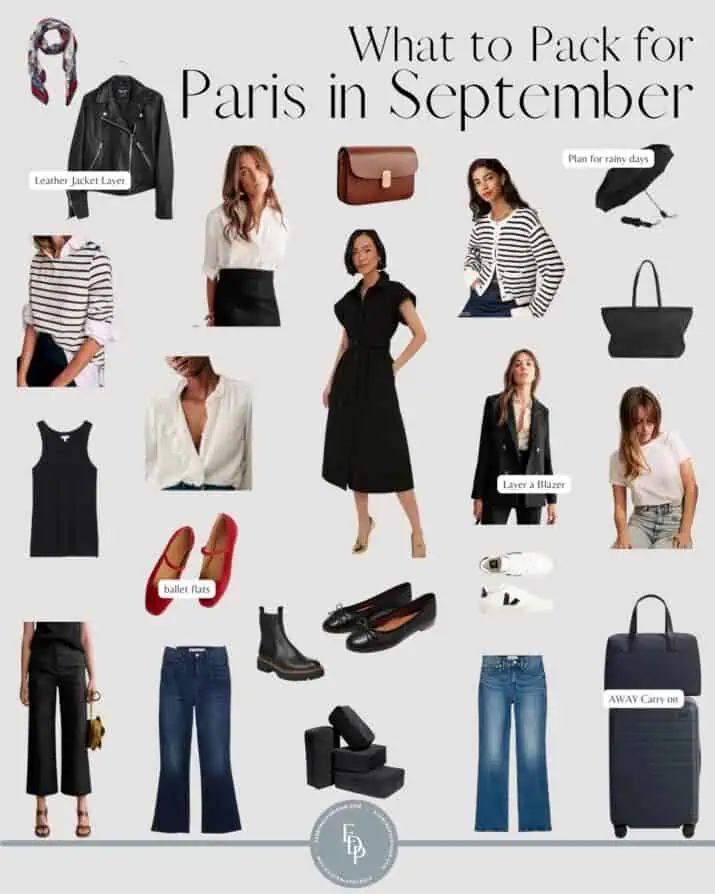
Travel Insurance Essentials for Your Valuables
While not a physical item you “pack” in your suitcase, packing travel insurance is arguably the most critical financial decision for any international trip. For your Paris adventure, this means securing a policy that covers trip cancellation/interruption, medical emergencies, and, crucially, theft or loss of personal belongings. Review the policy details carefully to understand coverage limits for electronics, jewelry, and other high-value items you might be packing. Document your valuables with photos before you leave, and keep receipts if possible. In the unfortunate event of theft, comprehensive insurance can prevent significant financial losses, covering everything from the cost of replacing your camera to a stolen wallet’s contents (up to policy limits). Consider policies that also offer emergency cash advance services in dire situations.
Essential Financial Tools and Documents
Your physical and digital financial toolkit for Paris should be meticulously prepared to ensure smooth transactions and peace of mind.
Currency Strategies: Cards, Cash, and Apps
When deciding what currency to “pack” for Paris, a multi-pronged approach is always best. A credit card with no foreign transaction fees should be your primary payment method for larger expenses (meals, shopping, museum tickets). Pack at least two such cards from different networks (Visa, Mastercard, American Express) in case one is declined, lost, or compromised. For smaller purchases (e.g., a croissant, market snacks, small souvenirs), cash is essential. Withdraw euros from an ATM at a reputable bank (avoid airport ATMs for generally worse exchange rates and higher fees) using a debit card that offers low or no foreign transaction fees and ATM withdrawal fees. Always notify your bank of your travel dates to prevent fraud alerts from freezing your cards. Additionally, consider packing a small amount of euros from your home country for immediate expenses upon arrival, saving you from potentially unfavorable airport exchange rates. Finally, explore digital payment apps like Apple Pay or Google Pay, which are increasingly accepted in Paris and offer an added layer of security.
Digital Access: Banking Apps and Budget Trackers
Your smartphone is an invaluable financial tool for managing your money abroad. Before you leave, download your primary bank’s app to monitor transactions and immediately report any suspicious activity. Set up push notifications for every transaction. Consider a dedicated travel budgeting app to track your daily spending against your pre-set budget. Apps like Splitwise can be particularly useful if you’re traveling with companions to manage shared expenses fairly. Ensure you have a reliable internet access plan, either through international roaming or a local eSIM/SIM card, which is crucial for using these apps, navigation, and emergency communications. Pack a portable power bank; a dead phone can be a significant financial inconvenience if you’re relying on it for payments, navigation, or contacting banks.
Documentation for Financial Peace of Mind
Beyond digital copies, certain physical documents are vital. Pack photocopies of your passport and visa (if applicable) separately from the originals. Carry a small card with emergency contact numbers for your banks (credit/debit card cancellation lines), your travel insurance provider, and your embassy/consulate in Paris. Keep this card in a separate compartment from your main wallet. If you have any medical conditions, pack a doctor’s note, especially if you carry specific medications, as this can prevent issues with customs and aid in medical emergencies. These seemingly small additions to your “what to pack” list can prevent major financial headaches and logistical nightmares should an unexpected situation arise.
Beyond the Suitcase: Pre-Trip Financial Preparations
Effective financial packing for Paris begins long before you select your first item of clothing. Strategic pre-trip financial planning is just as important as the items in your bag.
Setting a Realistic Paris Budget
The most crucial pre-packing financial task is establishing a detailed budget. Research average costs for accommodation, transportation (Metro passes, taxis), meals (from casual boulangeries to fine dining), attractions (museum entry, tours), and shopping. Be realistic about your spending habits. Allocate funds for both planned expenses and a contingency fund for unexpected costs, such as medical emergencies, lost items, or spontaneous excursions. Knowing your financial limits upfront allows you to make informed packing decisions—for example, whether to pack items for picnic lunches to save on restaurant costs or to bring a specific outfit for a high-end dining experience you’ve budgeted for. This budget informs what clothes you might need (saving on wardrobe purchases) and what financial tools (e.g., more cash, specific credit cards) you’ll prioritize packing.
The Cost of Convenience: What NOT to Pack (and why)
Sometimes, what you don’t pack is as financially significant as what you do. Avoid packing excessive electronics you don’t truly need, as they add weight (potential baggage fees) and represent valuable targets for theft (and increased insurance premiums or replacement costs). Leave expensive jewelry at home unless it’s explicitly covered by high-value travel insurance and you’re prepared for the risk of loss. Packing too many bulky toiletries means either checking a bag or discarding them at security, both of which incur costs. Likewise, resist the urge to pack a full wardrobe “just in case.” Overpacking leads to heavier bags, potential fees, and the temptation to buy storage solutions abroad. Each item that doesn’t serve a clear, financially sound purpose should be reconsidered. Focus on necessity and versatility to avoid both packing and financial bloat.

Maximizing Rewards: Credit Card Perks for Travel Packing
Before packing your bags, ensure you’ve maximized your credit card rewards strategy. Many travel-focused credit cards offer benefits directly related to packing and travel logistics. These can include free checked bags (potentially saving hundreds for a family), airport lounge access (saving on expensive airport food and drinks), travel insurance (redundant if you buy a separate policy, but good as a backup), and points bonuses for travel-related spending. Activating these perks requires foresight. For example, if your card offers a free checked bag, you might strategically pack a slightly larger suitcase to avoid buying certain items in Paris. Understand your card’s foreign transaction fees and redemption options for points, ensuring your “packed” financial instruments are optimized for value and savings throughout your Parisian journey.
By approaching your “what to pack for Paris” list with a keen eye on personal finance, you transform a mundane task into a strategic exercise in saving money, safeguarding assets, and enhancing your overall travel experience. Every choice, from the size of your suitcase to the apps on your phone, holds financial implications that can make or break your travel budget.
aViewFromTheCave is a participant in the Amazon Services LLC Associates Program, an affiliate advertising program designed to provide a means for sites to earn advertising fees by advertising and linking to Amazon.com. Amazon, the Amazon logo, AmazonSupply, and the AmazonSupply logo are trademarks of Amazon.com, Inc. or its affiliates. As an Amazon Associate we earn affiliate commissions from qualifying purchases.