
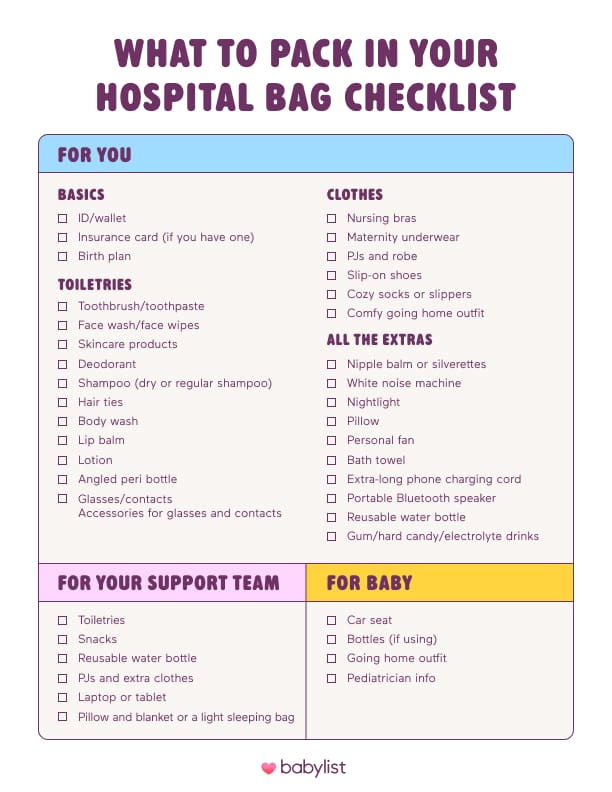
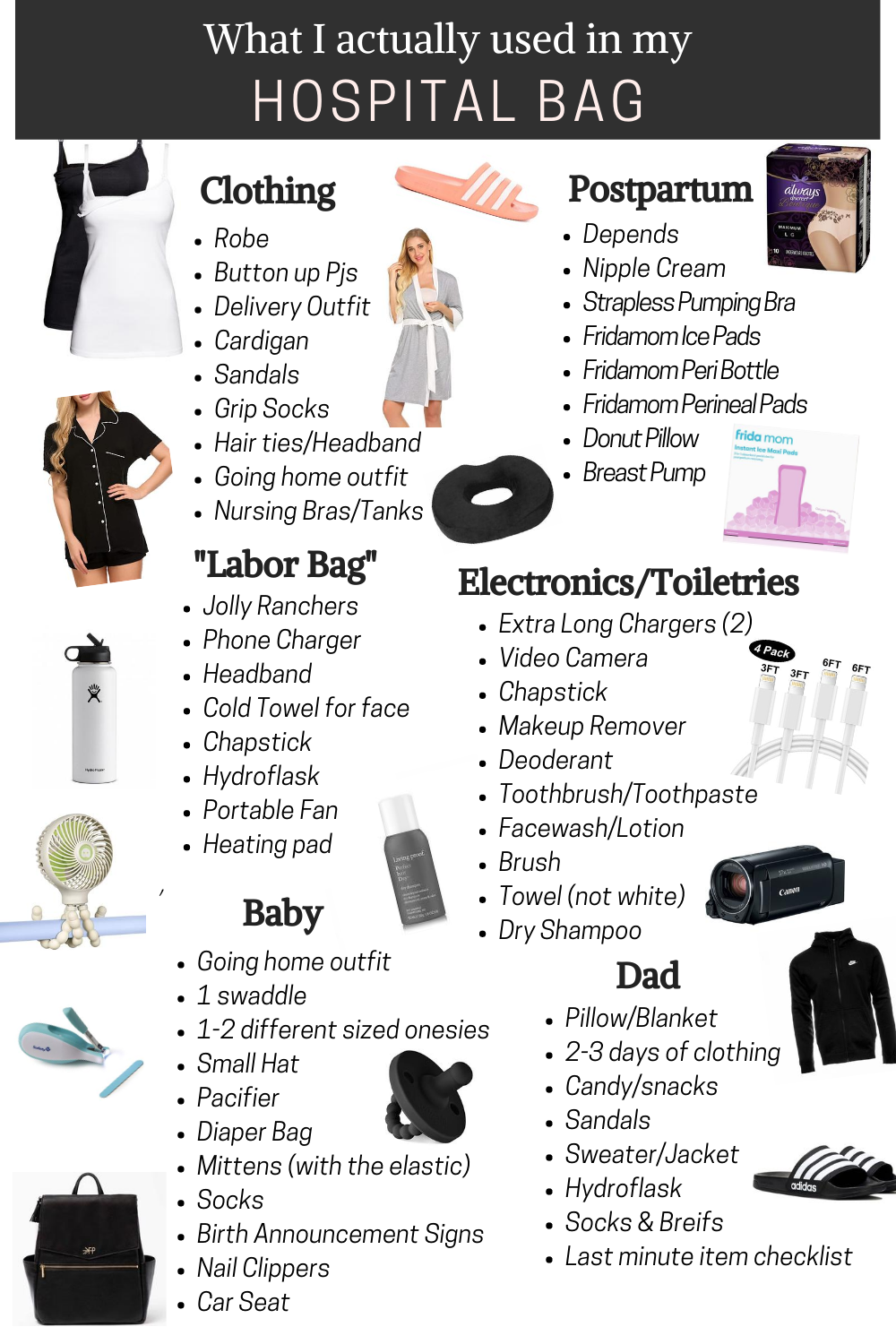
Preparing for the arrival of a new baby is an exciting time, often accompanied by a whirlwind of decisions, including what to pack in your hospital bag for labor and delivery. While the focus is typically on comfort and necessity, a financially astute approach to this crucial task can lead to significant savings and better financial preparedness for the postpartum period. This isn’t just about what items you’ll need, but the financial wisdom behind selecting them.
Budgeting for Baby’s Arrival: Strategic Packing for Labor & Postpartum
The hospital bag is more than just a collection of items; it’s a snapshot of your immediate needs and an indicator of your financial planning. Approaching its contents with a budget in mind ensures you allocate resources effectively, avoiding unnecessary expenditure during an emotionally and physically demanding time.

Prioritizing Essentials: Needs vs. Wants
Distinguishing between absolute necessities and desirable comforts is the cornerstone of financially savvy packing. While certain items enhance the experience, others are non-negotiable for safety and well-being.
- Non-Negotiable Investments: Focus first on items that contribute directly to your health, comfort during labor, and the baby’s immediate needs that the hospital might not fully cover or that you prefer to bring. This includes personal hygiene products you specifically prefer (e.g., specific nipple creams, preferred brand of pads), comfortable clothing for yourself and your partner (often overlooked, but avoiding buying new loungewear can save money), and essential documents. Investing in high-quality, comfortable nursing bras or supportive underwear, for example, might have a higher upfront cost but offer better long-term value and comfort than cheaper alternatives that wear out quickly.
- Discretionary Comforts & Their Cost: Many items suggested for hospital bags fall into the “nice-to-have” category – portable speakers, essential oil diffusers, specific snacks, or extra blankets. Evaluate these based on your budget. Can you achieve the same comfort with items already owned? Could a less expensive version suffice? For instance, bringing your own reusable water bottle can save on purchasing bottled water, and familiar snacks from home are cheaper than hospital cafeteria options.
- The “Luxury” Item Assessment: Some parents choose to pack items that offer a touch of luxury or significant personal comfort, such as high-end skin care, a professional camera, or specific brand-name baby items. Before purchasing these, consider their true value add versus their cost. Is this an expense that could be better allocated to a longer-term financial goal, like a college fund or a robust emergency fund for the baby?
Leveraging Hospital Resources: What Not to Buy
One of the most significant financial advantages comes from understanding what the hospital already provides. Hospitals are equipped with a myriad of supplies for both mother and baby. Overpacking often means duplicating items you’ll receive for free.
- For the Mother: Most hospitals provide mesh underwear, heavy-duty pads, peri bottles, basic pain relief, and sometimes even nursing pillows or lanolin cream samples. Inquire about what your specific hospital offers. This can eliminate the need to purchase several packs of postpartum pads or a peri bottle, saving immediate cash.
- For the Baby: Hospitals supply diapers, wipes, formula (if needed and chosen), blankets, and basic onesies for the baby’s stay. While you might want to bring a special outfit for photos or going home, avoid packing an entire wardrobe or multiple packs of diapers. This minimizes your upfront outlay and prevents you from accumulating items you might not use.
- Consult Your Healthcare Provider: A quick call or discussion with your OB-GYN or the hospital’s maternity ward can provide a detailed list of what’s available. This proactive step is crucial for intelligent financial planning, ensuring every dollar spent on your hospital bag is genuinely necessary.
Smart Spending on Comfort: Maximizing Value for Your Stay
Beyond the essentials, comfort plays a significant role in making your hospital stay more pleasant. Smart spending in this area means choosing items that offer the best long-term value, can be repurposed, or are acquired through cost-effective means.
Reusable vs. Disposable: Long-Term Savings
The debate between reusable and disposable items extends to the hospital bag, with clear financial implications.
- Reusable Advantages: Items like reusable nursing pads, cloth diapers (if you plan to use them long-term), and high-quality loungewear offer a higher upfront cost but significant long-term savings by reducing continuous purchases. A comfortable robe or a pair of slippers brought from home can be used for years, making them a wise investment. Consider reusable water bottles or travel mugs instead of buying disposable drinks.
- Strategic Disposable Use: While reusables are often financially superior, there’s a place for disposables, especially in the immediate postpartum period for hygiene and convenience. However, be strategic. Rather than buying full packs of everything, consider smaller quantities or samples initially, especially for items like specific brands of disposable nursing pads or wipes, until you determine what works best for you and your baby. The hospital often provides samples, allowing you to “try before you buy” for zero cost.
Sourcing Deals: Secondhand & Sales Strategies
Smart consumers understand that full retail price is often optional. Applying deal-hunting strategies to your hospital bag contents can result in considerable savings.
- Sales and Clearance: Keep an eye out for sales events, end-of-season clearance, or online promotions for items like comfortable pajamas, nursing tops, or a baby’s going-home outfit. Timing your purchases strategically can significantly reduce costs.
- Secondhand & Hand-Me-Downs: For certain non-personal items, like a comfortable throw blanket for your partner or a general-purpose tote bag to carry everything, explore secondhand options. Local consignment stores, online marketplaces, or even borrowing from friends and family can provide perfectly functional items at little to no cost. Ensure anything you acquire this way is clean and in good condition.
- Loyalty Programs and Coupons: Utilize loyalty programs from baby stores or pharmacies, and clip digital or physical coupons for personal care items, snacks, or specific baby products you plan to pack. These small discounts accumulate, contributing to overall savings.
Post-Delivery Financial Foresight: Packing for Ongoing Needs
The hospital bag isn’t just for the duration of your stay; many items packed can serve ongoing financial needs, especially for postpartum recovery and initial baby care at home. Thinking ahead ensures your immediate investment extends its value.
The Postpartum Recovery Kit: Cost-Effective Choices
Many items that aid in immediate postpartum recovery in the hospital will be equally valuable at home. Planning for this overlap reduces redundant purchases.
- Multi-Use Items: A comfortable, loose-fitting outfit suitable for the hospital can also be your go-to at home during the initial recovery phase. Likewise, nursing bras, belly bands, or supportive underwear chosen for the hospital bag will continue to provide comfort and utility for weeks or months afterward.
- DIY vs. Pre-Made Kits: While numerous pre-made postpartum recovery kits are available, often at a premium, you can assemble a highly effective and personalized kit for less. Purchasing items individually – Epsom salts, witch hazel pads, specific pain relievers (after consulting your doctor), and preferred sitz bath components – allows for cost control and customization.
- Borrow or Lease Medical Equipment: If you anticipate needing specific medical recovery equipment (e.g., a hospital-grade breast pump), explore options for borrowing from a lactation consultant or leasing from medical supply companies. Your insurance might also cover some or all of these costs, significantly reducing your out-of-pocket expenses.
Planning for Unexpected Costs: A Contingency Fund Approach
Even the most meticulously planned hospital bag can’t account for every scenario. Financial preparedness includes setting aside a small contingency fund specifically for unexpected needs during or immediately after your hospital stay.
- Unexpected Purchases: You might find you need an item you didn’t pack, or a specific comfort item becomes suddenly indispensable. Having a small amount of cash or access to funds for an online order prevents undue stress.
- Hospital Incidentals: Parking fees, cafeteria meals for your partner, or last-minute pharmacy needs can add up. A small budget allocation for these incidentals prevents them from dipping into your general household budget.
- Emergency Fund Integration: While a specific hospital bag contingency is useful, it should ideally be a subset of a broader emergency fund. Ensuring your overall financial health before baby arrives—with a robust emergency savings account—provides the ultimate peace of mind.
Digital Tools for Financial Prep: Streamlining Your Packing Budget
In today’s digital age, numerous tools can assist with the financial aspects of preparing your hospital bag, from tracking expenses to finding deals. Leveraging these can enhance your budgeting efficiency.
Budgeting Apps for Baby Expenses
Dedicated budgeting apps or features within broader financial management software can be invaluable.
- Expense Tracking: Use apps like Mint, YNAB (You Need A Budget), or even simple spreadsheet software to create a specific category for “Hospital Bag” or “Baby Arrival Expenses.” Track every purchase, from a new pair of comfortable socks to nursing pads. This provides a clear picture of where your money is going and helps identify areas for potential savings.
- Price Comparison Tools: Browser extensions or dedicated apps can automatically compare prices across different retailers for specific items on your packing list, ensuring you always get the best deal without extensive manual searching.
Inventory Management for Baby Gear
Beyond the hospital bag, comprehensive baby prep involves numerous items. Digital inventory lists can help manage resources and prevent overspending.
- Shared Lists: If you’re working with a partner, use shared digital lists (e.g., Google Keep, Trello, dedicated baby registry apps) to coordinate purchases, track what’s already acquired, and avoid duplicate buys. This ensures financial resources are directed efficiently.
- Wishlists and Registries: Utilize online registries even if you don’t plan a shower. These platforms often allow you to categorize items, track purchases, and sometimes even offer completion discounts, providing a structured approach to acquiring necessities and desired items.
By integrating financial mindfulness into the process of packing your hospital bag, you not only prepare for the immediate needs of labor and delivery but also lay a strong foundation for the ongoing financial journey of parenthood. Every dollar saved on packing can be redirected towards long-term family goals, contributing to a more secure and less stressful transition into this new chapter.
aViewFromTheCave is a participant in the Amazon Services LLC Associates Program, an affiliate advertising program designed to provide a means for sites to earn advertising fees by advertising and linking to Amazon.com. Amazon, the Amazon logo, AmazonSupply, and the AmazonSupply logo are trademarks of Amazon.com, Inc. or its affiliates. As an Amazon Associate we earn affiliate commissions from qualifying purchases.