
A Hawaiian vacation represents a significant investment, making financially savvy packing choices paramount to maximizing value and minimizing unnecessary expenditure. Beyond simply fitting items into a suitcase, strategic packing can directly impact your budget, from avoiding airline fees to optimizing on-island spending. This guide delves into how meticulous preparation of your luggage can translate into substantial financial savings and enhanced peace of mind.
Strategic Packing for Optimized Cost Savings
Every item you choose to pack, or not to pack, carries a potential financial implication. By approaching your packing list with a keen eye on value and efficiency, you can significantly reduce incidental costs that often inflate travel budgets.

Avoiding Checked Bag Fees: The Art of Carry-On Travel
Airline baggage fees can quickly accumulate, particularly for families or longer trips. Opting for carry-on only can save hundreds of dollars, which can then be reallocated to experiences, dining, or souvenirs. This strategy demands discipline and efficient packing. Invest in a high-quality, lightweight carry-on suitcase that meets airline size restrictions and a personal item that can double as a day bag. Focus on versatile clothing items that can be mixed and matched, quick-drying fabrics, and travel-sized toiletries. Consider packing cubes to compress clothing and organize your belongings, making it easier to fit more into less space without exceeding weight limits. The financial gain from avoiding checked bag fees directly contributes to your vacation fund, allowing for greater flexibility in other areas of spending.
Laundry on the Go: Minimizing Clothing Expenses
Packing fewer clothes and planning for laundry on your trip is a powerful money-saving tactic. Buying new clothes on vacation due to insufficient packing can be costly, especially in tourist-heavy areas where prices are often inflated. Pack a small amount of travel laundry detergent or soap sheets, and utilize hotel laundry facilities, local laundromats, or even handwash items in your room. Quick-drying fabrics like synthetics or merino wool are ideal for this strategy. By washing and re-wearing key pieces, you can drastically reduce the total volume of clothing needed, further supporting a carry-on only approach and its associated financial benefits. This method not only saves money on buying new clothes but also reduces the weight of your luggage, potentially avoiding overweight baggage fees if you do opt for a checked bag.
Essential Toiletries: Buy vs. Pack Considerations
The cost of convenience can be surprisingly high when it comes to toiletries. Travel-sized versions of common products are often significantly more expensive per ounce than their full-sized counterparts. Moreover, buying forgotten essentials at resort gift shops or convenience stores in Hawaii can come with a steep markup. For everyday items like sunscreen, bug repellent, shampoo, and conditioner, pack larger, more economical sizes in reusable travel bottles. Ensure they adhere to TSA liquid rules if in your carry-on (under 3.4 ounces/100 ml). For items like reef-safe sunscreen, which is legally mandated in Hawaii, consider purchasing it in advance from your home country or a local supermarket shortly after arrival, rather than paying premium prices at tourist traps. By bringing your own or making an informed purchase, you maintain control over this budget line item, saving precious dollars that can be spent on experiences.
Protecting Your Financial Health Abroad
While the allure of Hawaii is undeniable, financial prudence extends beyond just saving money on packing. Safeguarding your finances and assets while traveling is a crucial aspect of a financially astute vacation.
Travel Insurance: An Essential “Pack” Item
Though intangible, travel insurance is one of the most critical “items” to pack for any significant trip, especially one to an island paradise. Unexpected events – medical emergencies, trip cancellations, lost luggage, or rental car damage – can lead to exorbitant financial setbacks. A comprehensive travel insurance policy can cover these unforeseen costs, protecting your investment in the trip itself and preventing potential financial ruin. Before purchasing, carefully review policies to understand what is covered, deductibles, and claim procedures. Consider coverage for medical evacuations, trip interruption, and baggage loss. The upfront cost of insurance is a small premium to pay for the substantial financial security and peace of mind it provides against potential major expenses.
Digital Wallet and Cash Management Strategies
Relying solely on physical cash or a single credit card in an unfamiliar environment can be risky. Develop a diversified approach to accessing funds. Utilize a digital wallet on your smartphone for secure, tap-to-pay transactions where accepted, minimizing the need to carry physical cards. Bring at least two different credit/debit cards, ideally from different networks (Visa, Mastercard), and keep them in separate, secure locations. This protects you if one card is lost, stolen, or compromised. While credit cards offer fraud protection, carrying a small amount of local currency for small vendors or tips is often practical. However, avoid carrying large sums of cash. Strategically manage your digital and physical funds to enhance security and provide backup options, insulating you from potential financial disruption.
Safeguarding Valuables: Tech and Traditional Solutions
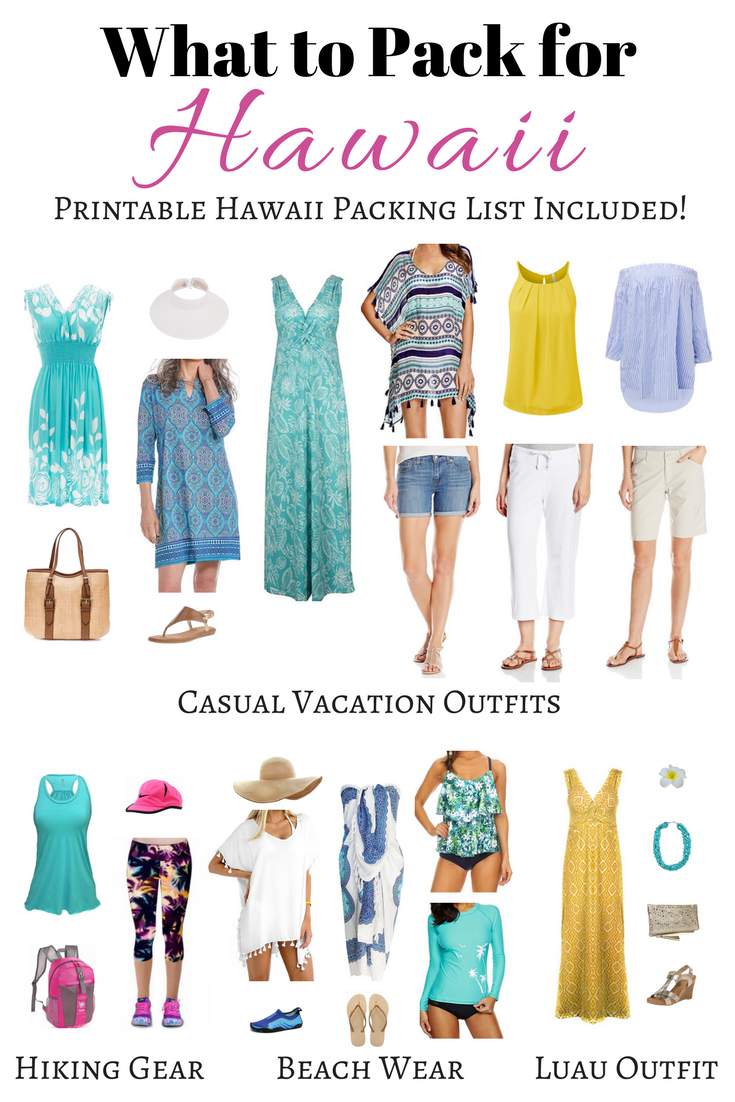
Protecting your valuables, including essential financial instruments, documents, and electronics, is paramount. Pack a secure, slash-resistant daypack or crossbody bag for daily excursions. Utilize hotel safes for passports, extra cash, and backup credit cards when not needed. For larger electronics like laptops or tablets, consider travel locks or cable locks if you’re concerned about leaving them in your room. Take digital copies of important documents (passport, flight tickets, insurance details, credit card numbers – obscured for security) and store them securely in a cloud service or encrypted drive, accessible only to you. Should physical items be lost or stolen, these digital backups can be invaluable for reporting and recovery, minimizing the financial impact of replacement or identity theft.
Gear Up Smart: Activities and Budget Considerations
Hawaii offers a plethora of activities, each potentially requiring specialized gear. Making smart choices about what to pack versus what to rent or purchase locally can significantly impact your overall vacation budget.
Snorkel Gear and Beach Essentials: Rent vs. Own vs. Pack
Snorkeling is a quintessential Hawaiian experience. While tempting to buy a cheap set at a local store, quality can vary, and rental costs can add up quickly over several days. If you’re an avid snorkeler or plan multiple sessions, bringing your own high-quality mask and snorkel (which fit perfectly and are hygienic) can be cost-effective. Fins, being bulky, are often better rented on the island. For beach essentials like towels, consider quick-drying, compact travel towels to save space and weight, avoiding expensive souvenir towels or resort rentals. Beach chairs and umbrellas are typically too cumbersome to pack; research local rental options or check if your accommodation provides them. Calculating the cost-per-use for packed items versus rental fees is key to optimizing this segment of your budget.
Hiking and Adventure Apparel: Durability Meets Value
Hawaii’s diverse landscape invites exploration, from volcanic trails to lush rainforests. If hiking is on your agenda, packing appropriate footwear and apparel is crucial for safety and comfort, ultimately preventing costly injuries or the need to buy inadequate gear. Waterproof hiking sandals or sturdy, breathable trail shoes are ideal. Lightweight, moisture-wicking clothing (synthetics or merino wool) will serve you well across various activities. Avoid cotton, which dries slowly and can lead to chafing. A compact, lightweight rain jacket is also a wise investment, protecting you from sudden showers without taking up much space or weight. Investing in durable, multi-functional gear before you leave ensures you’re prepared without needing expensive last-minute purchases on the island.
Food and Snack Provisions: Curtailing Dining Costs
Dining out in Hawaii, particularly at tourist-centric establishments, can be expensive. Strategically packing non-perishable food items and snacks can significantly reduce your daily food budget. Consider bringing protein bars, dried fruit, nuts, instant coffee/tea, and even some lightweight, shelf-stable meal options if your accommodation has a kitchenette. A reusable water bottle is indispensable, allowing you to refill at fountains or filtered water stations, avoiding continuous purchases of bottled water. A compact, foldable reusable shopping bag can also be invaluable for grocery runs. By supplementing restaurant meals with packed provisions, you can save substantially on food costs, allowing more room in your budget for unique culinary experiences or other activities.
Financial Tools in Your Travel Kit
Your packing list shouldn’t be limited to physical items. Equipping yourself with the right financial tools and knowledge is equally important for a seamless and cost-effective Hawaiian vacation.
Multi-Currency Cards and Fee-Free ATMs
Traditional bank cards can incur foreign transaction fees (typically 1-3%) and ATM withdrawal fees. Before you travel, research and acquire a credit card that offers no foreign transaction fees. Additionally, consider a debit card from a bank that reimburses ATM fees worldwide. While Hawaii uses USD, certain cards offer better exchange rates and fee structures for international travel in general, a good habit to adopt. Using these cards wisely can save you a percentage on every transaction, which adds up considerably over a vacation. Inform your bank of your travel dates to prevent card freezes.
Budgeting Apps for On-the-Go Tracking
Even with meticulous pre-trip planning, it’s easy to overspend without real-time tracking. Download and familiarize yourself with a reliable budgeting app before you depart. Apps like Mint, YNAB, or specific travel budgeting tools allow you to log expenses as you go, categorize spending, and see where you stand against your daily or weekly budget. This proactive approach helps you make informed spending decisions, identify areas where you might be overspending, and prevent financial surprises at the end of your trip. The ability to visualize your spending in real-time empowers you to stay financially disciplined amidst the temptations of paradise.
Emergency Fund Accessibility
Despite all precautions, unforeseen circumstances can arise. Ensure you have an accessible emergency fund separate from your primary vacation budget. This could be a separate savings account, a credit card with a sufficient limit for emergencies (but not for regular spending), or access to funds from a trusted family member. Knowing you have a financial safety net provides immense peace of mind. While not something you “pack” in your suitcase, ensuring this financial backup is in place is an essential part of your financially astute Hawaii vacation preparation, safeguarding against any unplanned disruptions to your trip or your personal finances.
aViewFromTheCave is a participant in the Amazon Services LLC Associates Program, an affiliate advertising program designed to provide a means for sites to earn advertising fees by advertising and linking to Amazon.com. Amazon, the Amazon logo, AmazonSupply, and the AmazonSupply logo are trademarks of Amazon.com, Inc. or its affiliates. As an Amazon Associate we earn affiliate commissions from qualifying purchases.