
An Alaskan cruise in July represents a significant financial investment, encompassing not just the fare but also flights, excursions, and incidental expenses. Optimizing your packing strategy is not merely about comfort or convenience; it’s a crucial component of financial prudence, designed to maximize value, minimize unforeseen costs, and safeguard your existing investments in personal belongings and the trip itself. A well-thought-out packing list can prevent costly last-minute purchases, reduce baggage fees, and enhance the overall return on your travel expenditure.
Maximizing Value Through Strategic Wardrobe Choices
The unpredictable nature of Alaskan weather, even in July, demands a versatile wardrobe. Approaching your clothing selection with a financial mindset means prioritizing multi-functional items and the strategic use of layering, thereby reducing the sheer volume of clothes needed and avoiding expensive, impulse buys in tourist traps. Every item packed should justify its space in terms of utility and cost-effectiveness.
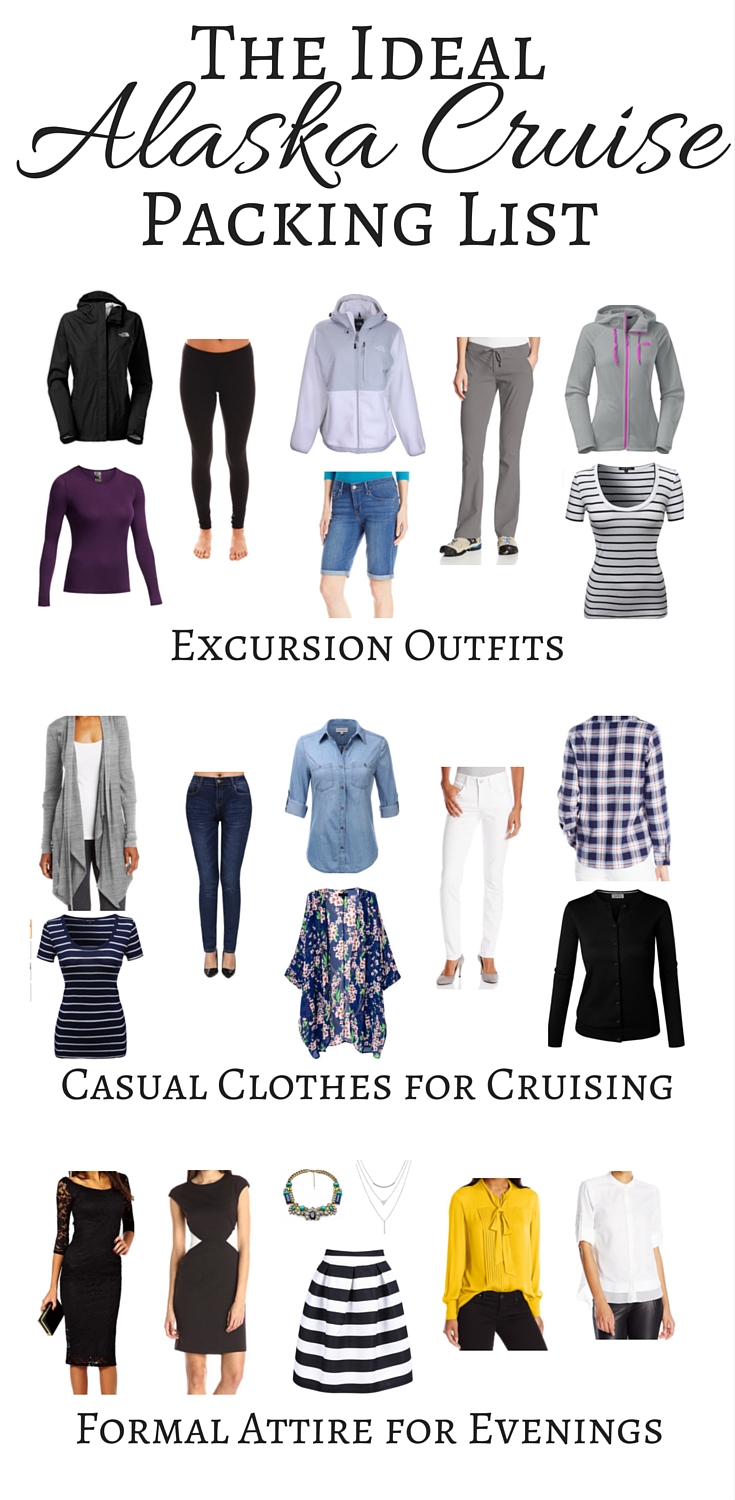
Layering: The Economical Approach to Variable Weather
Alaska in July can swing from surprisingly warm, sunny days to chilly, rainy, or windy conditions, particularly on deck or during shore excursions. Packing a range of adaptable layers is the most financially sound approach. Instead of buying multiple heavy, single-purpose garments, invest in quality base, mid, and outer layers that can be combined or shed as needed.
Start with moisture-wicking base layers (e.g., merino wool or synthetic blends). These are lightweight, dry quickly, and can be worn multiple times, reducing laundry needs or the necessity to pack extra outfits. Mid-layers, such as fleece jackets or sweaters, provide warmth without excessive bulk. Focus on items that can be dressed up or down, offering versatility for both casual daytime activities and more formal evenings. Finally, a waterproof and windproof outer shell is non-negotiable. This single, durable investment protects against rain, sea spray, and wind, saving you from purchasing a flimsy, overpriced poncho or jacket if caught unprepared. The financial benefit extends beyond avoiding an emergency purchase; quality layers are a long-term investment, serving future trips and everyday use, depreciating slowly over many years of service.
Multi-Purpose Apparel: Reducing Baggage Fees and Onboard Spending
Every pound in your suitcase potentially translates to dollars, whether through airline baggage fees or the effort of managing excess luggage. Selecting clothing that serves multiple functions is a key strategy for financial optimization. For instance, versatile trousers or dark-wash jeans can transition from casual daytime wear to an evening dinner with a change of top. A stylish scarf can provide extra warmth, elevate an outfit, or even serve as a makeshift eye mask on a long flight.
Consider swimwear for the ship’s hot tubs or heated pools, even if you don’t anticipate tropical temperatures. Activewear that can double as comfortable lounge wear saves space. When choosing footwear, prioritize comfort and functionality. A single pair of waterproof, comfortable walking shoes suitable for excursions and deck exploration, coupled with a dressier, comfortable option for evenings, typically suffices. Overpacking shoes is a common pitfall leading to excess weight and unnecessary items. By strategically selecting clothes that mix and match easily and serve various purposes, you effectively “stretch” your wardrobe, minimize the need for multiple outfits, and ultimately reduce the financial burden associated with luggage and last-minute apparel acquisitions.
Protecting Your Investments: Essential Gear and Insurance Considerations
Beyond clothing, an Alaskan cruise often involves bringing valuable personal items, from high-end cameras to essential medications and travel documents. Safeguarding these assets is a direct application of personal finance principles, preventing losses that could be costly to replace or inconvenient to manage.
Safeguarding Electronics and Valuables
Many travelers bring expensive electronics to capture the breathtaking Alaskan scenery – cameras, laptops, tablets, and smartphones. Each represents a significant financial investment that warrants protection. Robust, waterproof, and shockproof cases for cameras and phones are highly recommended. A dry bag is an invaluable, inexpensive accessory for shore excursions, protecting electronics, passports, and wallets from rain, splashes, or accidental submersion.
Portable power banks are also a wise investment, ensuring your devices remain charged without relying on potentially limited or expensive onboard outlets. Consider a travel surge protector if you have multiple devices. Financially, investing a small amount in protective gear and power solutions significantly reduces the risk of damage or loss to much more expensive items, thereby preserving your assets and avoiding the need for costly replacements. Furthermore, keeping digital copies of important documents (passports, flight tickets, medical prescriptions, credit card numbers) in a secure cloud service provides a financial safety net should originals be lost or stolen, facilitating easier replacement and minimizing disruption.
The Cost-Benefit of Travel Insurance for Personal Items
While not strictly packing, travel insurance directly relates to protecting your packed items and the overall financial investment in your trip. Many standard travel insurance policies offer coverage for lost, stolen, or damaged luggage and personal belongings. Before purchasing, carefully review the policy limits, deductibles, and exclusions. Compare the cost of the premium against the value of the items you are bringing. For travelers with particularly expensive cameras, jewelry, or specialized gear, an extended or specific rider might be a financially sound decision.
Consider the potential out-of-pocket expense if your DSLR camera, valued at several thousand dollars, were lost or damaged without coverage. The peace of mind and potential financial recovery offered by a suitable insurance policy often far outweigh the upfront premium, transforming a potential financial catastrophe into a manageable inconvenience. This falls squarely within responsible financial planning for travel.
Prudent Preparations: Avoiding Unnecessary Onboard and Port Expenses
Cruise lines are adept at offering convenience, which often comes with a premium price. Strategic packing and pre-trip preparation can significantly reduce incidental spending on items readily available, and often more affordably, prior to embarkation.
Snacks, Beverages, and Personal Care: Savings That Add Up
Cruise ships, while offering an abundance of food, often charge extra for specialty beverages, premium snacks, or specific brands of personal care items. Packing a reasonable supply of your preferred non-alcoholic drinks (check cruise line policies for limitations on bringing your own beverages onboard), energy bars, nuts, or other snacks can save a considerable amount over the course of a week. These small savings accumulate quickly, freeing up your budget for planned excursions or unique experiences.
Similarly, bringing your own full-sized toiletries (shampoo, conditioner, soap, lotion, sunscreen, insect repellent) instead of relying solely on small samples or purchasing them at inflated prices in the ship’s store or at port shops is a financially astute move. This ensures you have preferred products and avoids the higher costs associated with convenience buying. Don’t forget motion sickness medication if you’re prone to seasickness; onboard medical supplies are often expensive. These seemingly minor decisions collectively contribute to a healthier overall travel budget.
Essential Documents and Financial Access
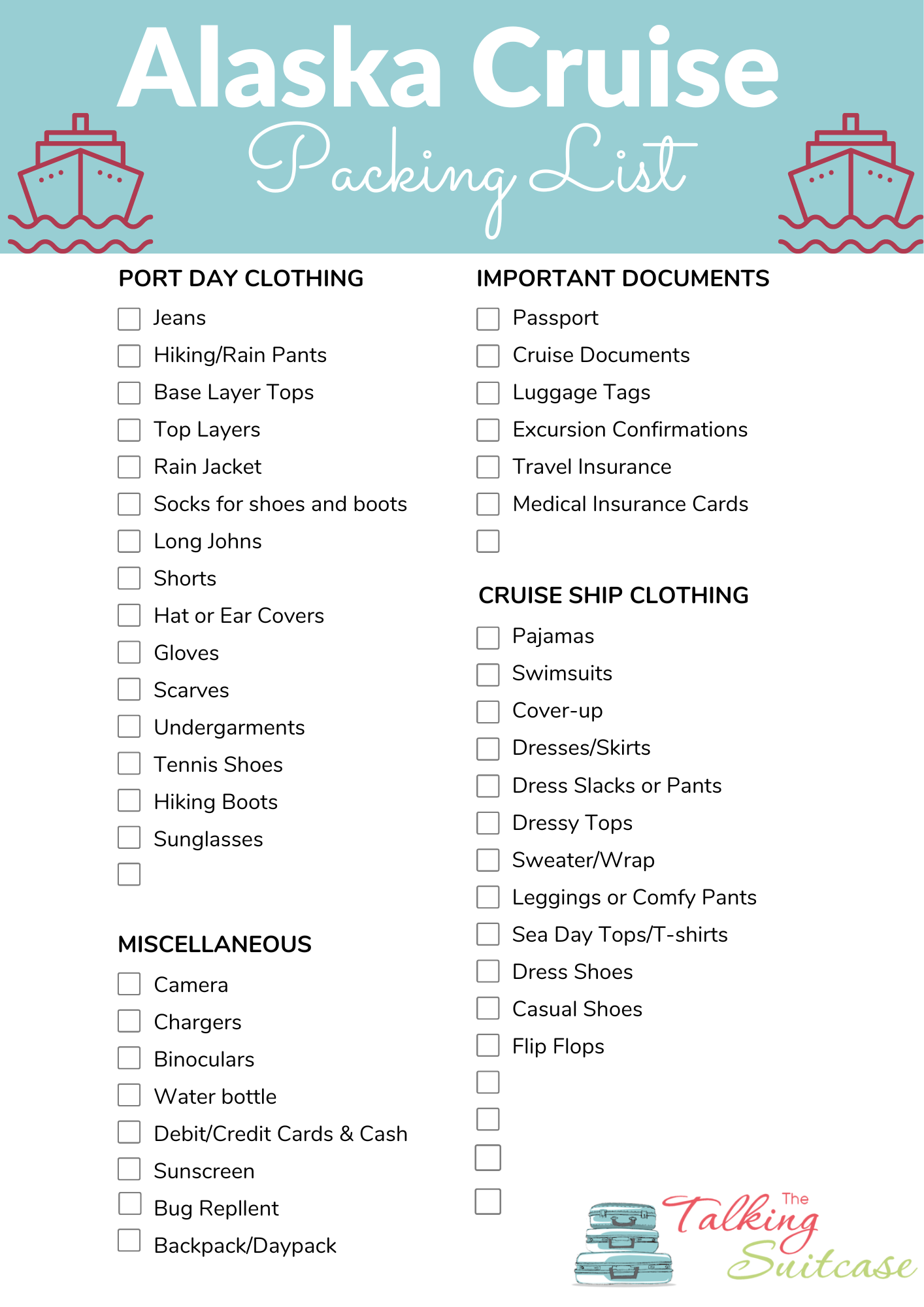
Beyond the physical items, ensuring you have the correct documentation and access to funds is paramount for a smooth, financially secure trip. Pack your passport or other required identification, cruise documents, flight information, and health insurance cards. Make photocopies or store digital versions securely as a backup.
Regarding finances, notify your bank and credit card companies of your travel plans to prevent holds on your accounts. Carry a mix of payment methods: a primary credit card, a backup card, and a small amount of local currency for smaller purchases or tips in port, particularly for independent vendors who may not accept cards. Research typical tipping customs and consider pre-paying gratuities if your cruise line offers that option, locking in the rate and avoiding a surprise bill at the end. An RFID-blocking wallet or passport holder is a small, inexpensive investment to protect your financial identity from digital theft, safeguarding your credit cards and personal information from sophisticated criminals.
The Hidden Costs of Omission: What Not to Forget (and Why)
While packing to save money is crucial, equally important is identifying what not to forget, as omissions can lead to unexpected and often expensive expenditures mid-trip. The financial implication of forgetting essentials can range from minor inconvenience to significant out-of-pocket costs or even health risks.
Prescription Medications and Over-the-Counter Essentials
Forgetting prescription medications is perhaps one of the most financially disruptive omissions. While most ships have medical facilities, obtaining refills or equivalent medications can be complex, time-consuming, and significantly more expensive than your usual co-pay. Always pack enough prescription medication for the entire trip, plus a few extra days, in your carry-on luggage to mitigate risks of lost checked bags. Bring the original prescription and a doctor’s note for controlled substances.
Beyond prescriptions, a small, well-stocked first-aid kit with pain relievers, allergy medication, digestive aids, bandages, and antiseptic wipes is a wise financial choice. Purchasing these items individually from the ship’s store or a local pharmacy in a port of call can be substantially more costly than bringing them from home. This small upfront investment saves money and ensures immediate access to comfort when needed.
Proper Footwear: An Investment in Comfort and Safety
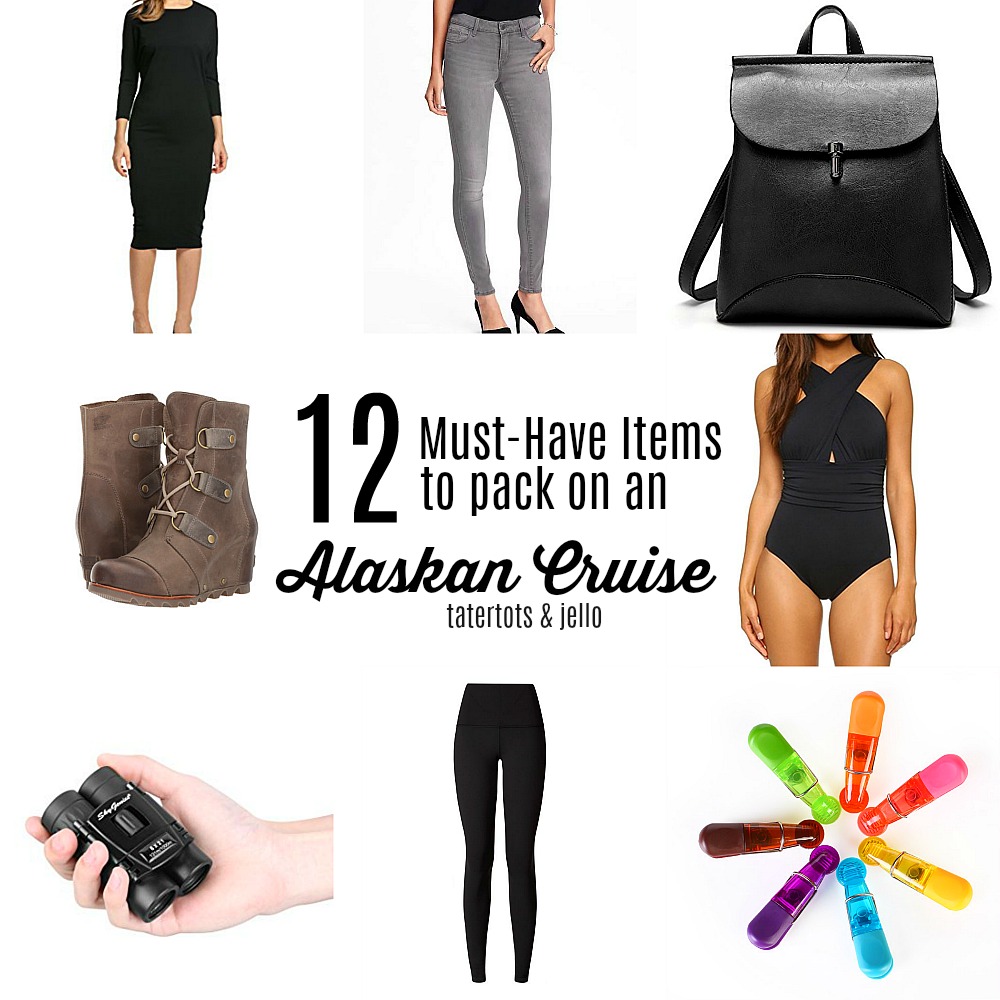
Comfortable, sturdy, and appropriate footwear is not just about avoiding blisters; it’s a critical safety and financial consideration. Alaska excursions often involve walking on uneven terrain, wet surfaces, or long periods of standing. Investing in good quality, waterproof walking shoes or hiking boots before your trip prevents discomfort, potential injuries, and the urgent need to buy unsuitable, overpriced shoes in a port shop.
Think of suitable footwear as an investment in your physical well-being and in maximizing your enjoyment of pre-paid excursions. An unexpected injury due to inappropriate shoes could lead to medical expenses, lost time, and the inability to participate in planned activities, effectively diminishing the return on your overall cruise investment. A secondary pair of comfortable, slightly dressier shoes for evenings on board should also prioritize comfort and support, preventing fatigue and allowing you to fully enjoy the ship’s amenities without discomfort.
By approaching your packing list through a financial lens, focusing on value, risk mitigation, and strategic spending, you transform a mundane task into an integral part of responsible personal finance planning for your Alaskan adventure.
aViewFromTheCave is a participant in the Amazon Services LLC Associates Program, an affiliate advertising program designed to provide a means for sites to earn advertising fees by advertising and linking to Amazon.com. Amazon, the Amazon logo, AmazonSupply, and the AmazonSupply logo are trademarks of Amazon.com, Inc. or its affiliates. As an Amazon Associate we earn affiliate commissions from qualifying purchases.