
An African safari is a journey into the wild, a breathtaking encounter with nature’s grandeur. While the allure lies in unplugging and immersing oneself, smart technology can significantly enhance the experience, from capturing unparalleled moments to ensuring safety and convenience. Preparing for such an adventure requires a strategic approach to your tech arsenal, ensuring durability, functionality, and a seamless connection to your memories.
Capturing the Untamed: Photography and Videography Gear
The primary goal for many on safari is to immortalize the incredible wildlife and landscapes. Achieving stunning visuals requires specific gear designed for challenging environments and distant subjects.
Camera Bodies and Lenses: The Core Setup
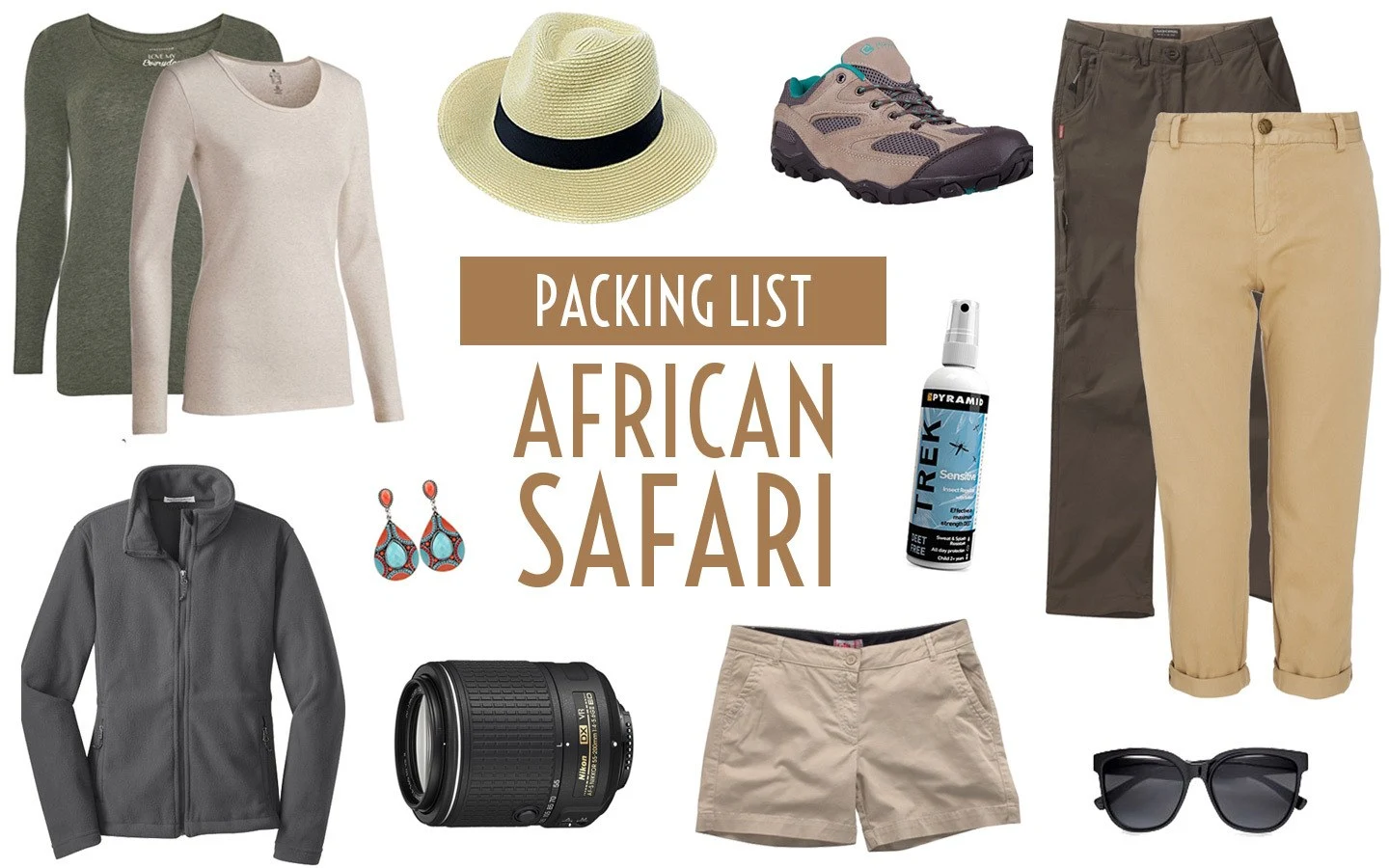
For unparalleled image quality, a Digital Single-Lens Reflex (DSLR) or Mirrorless Interchangeable-Lens Camera (MILC) is indispensable. These cameras offer superior low-light performance, faster autofocus, and greater control over settings than smartphones. When selecting a body, consider models known for their robust build and weather sealing, as dust, moisture, and vibrations are common safari companions.
The choice of lenses is critical for capturing wildlife. A telephoto zoom lens (e.g., 100-400mm, 150-600mm, or 200-500mm) is paramount for bringing distant animals into sharp focus without disturbing them. Look for lenses with optical image stabilization (OIS) to counteract camera shake, especially when shooting handheld from a moving vehicle. A versatile mid-range zoom lens (e.g., 24-70mm or 24-105mm) is also beneficial for wider landscape shots and camp life. For extreme low light or artistic shots, a fast prime lens (e.g., 50mm f/1.8) can be a creative asset, though less essential for typical wildlife viewing. Ensure you have lens cleaning kits, including a blower brush, microfiber cloths, and lens pens, to combat dust effectively.
Drones and Action Cams: Expanding Your Perspective
While drone usage on safari is often restricted or requires specific permits (and is outright prohibited in many national parks and reserves), if your itinerary allows and permits are secured, a compact drone can offer breathtaking aerial perspectives. Research local regulations meticulously before departure to avoid confiscation or fines. Models like the DJI Mini series or Mavic series offer portability and advanced imaging capabilities.
For closer action, unique angles, or water-based activities (like river cruises), a rugged action camera such as a GoPro HERO or DJI Osmo Action is invaluable. These cameras are waterproof, shockproof, and capable of capturing wide-angle video and stills, perfect for documenting the journey from a different viewpoint or for quick, casual shots without fear of damage. Remember to pack extra mounts for vehicle or body attachment if you plan to use them creatively.
Memory and Storage Solutions: Never Miss a Shot
The sheer volume of photos and videos you’ll capture necessitates ample storage. Pack multiple high-capacity SDXC or CFexpress cards (128GB or 256GB are good starting points) with fast write speeds to handle continuous shooting and 4K video. It’s prudent to distribute your images across several smaller cards rather than relying on one massive card, mitigating the risk of total data loss if a card fails.
Beyond in-camera storage, a portable external SSD (Solid State Drive) is an excellent backup solution. Drives like the Samsung T7 Shield or SanDisk Extreme Portable SSD offer speed, durability, and compact size. Consider a portable photo backup device that allows direct transfer from memory cards without needing a laptop, such as the Gnarbox or WD My Passport Wireless SSD, for an even more streamlined workflow in the field. Cloud storage is also a viable backup strategy when Wi-Fi is available, but internet access can be sporadic and slow in remote safari camps.
Powering Your Expedition: Charging and Backup Solutions
Reliable power is non-negotiable for all your tech. Safari camps often have limited outlets, specific generator hours, or rely on solar power, making efficient charging solutions crucial.
Portable Power Banks and Solar Chargers
High-capacity power banks are essential for keeping smartphones, cameras, and other USB-chargeable devices powered throughout the day. Look for banks with multiple output ports and capacities of 20,000mAh or higher. Brands like Anker and RAVPower offer reliable, high-performance options. For extended off-grid periods, a portable solar charger can be a game-changer. These typically feature foldable solar panels that can trickle-charge power banks or small devices directly, providing sustainable power generation in sunny conditions.
Universal Adapters and Surge Protectors
African countries use various plug types (Type D, G, M, N). A universal travel adapter with multiple plug configurations and USB ports is vital. Many high-quality adapters also include surge protection, safeguarding your valuable electronics from voltage fluctuations common in areas with inconsistent power grids. Consider bringing a compact power strip with multiple outlets and USB ports, especially if you have numerous devices to charge simultaneously from a single adapter.

Battery Management and Longevity Tips
Always pack at least three to four spare camera batteries, fully charged before each game drive. Lithium-ion batteries perform optimally in moderate temperatures, so keep them out of direct sunlight and extreme cold. Consider an intelligent multi-battery charger that can replenish several camera batteries simultaneously, saving valuable charging time. For smartphones, activate power-saving modes, reduce screen brightness, and close unnecessary apps to extend battery life. Download offline maps and guides beforehand to minimize data usage and preserve power.
Staying Connected and Navigated: Communication and Digital Tools
While a safari encourages disconnecting, certain digital tools are invaluable for safety, navigation, and enriched learning.
Satellite Communicators and Emergency Devices
In truly remote areas where cellular service is non-existent, a satellite communicator (e.g., Garmin InReach or Zoleo) can be a lifesaver. These devices allow two-way text messaging, GPS tracking, and, critically, SOS signaling to emergency services, providing peace of mind for self-drive safaris or walking excursions. While most organized safaris include guides with communication devices, personal satellite communicators offer an extra layer of safety.
Offline Maps and Navigation Apps
Before your trip, download comprehensive offline maps of the regions you’ll be visiting using apps like Google Maps, Maps.me, or Gaia GPS. These can be invaluable for understanding your surroundings, tracking your route, and pinpointing points of interest even without an internet connection. Some safari lodges and operators also offer proprietary apps with park maps, wildlife spotting logs, and daily itineraries.
E-readers and Entertainment Devices
Downtime between game drives or during transfers is inevitable. An e-reader (like a Kindle Paperwhite) is perfect for reading without glare, thanks to its e-ink display, and can hold hundreds of books. For offline entertainment, load tablets or smartphones with movies, TV shows, and podcasts. Noise-canceling headphones are highly recommended for comfort during long transfers, flight layovers, and for enjoying media without disturbing others in camp.
Protecting Your Gear: Durability and Digital Security
The rugged African bush demands robust protection for your electronics. Beyond physical safeguarding, digital security is paramount when traveling.
Rugged Cases and Waterproofing Solutions
Invest in high-quality, padded camera bags (e.g., Lowepro, Peak Design, Think Tank Photo) that offer quick access and protection from dust, bumps, and light rain. Many safari vehicles can be dusty, so rain covers or dust covers for your camera gear are non-negotiable. For smartphones and tablets, sturdy, shockproof, and waterproof cases (e.g., OtterBox, LifeProof) provide essential protection. Dry bags are excellent for keeping sensitive electronics completely dry during boat trips or unexpected downpours.
Cloud Backup and Data Protection Strategies
While physical external drives offer immediate backup, regularly uploading critical photos and documents to a secure cloud service (e.g., Google Drive, Dropbox, iCloud) is a crucial redundancy. Utilize public Wi-Fi networks cautiously; use a Virtual Private Network (VPN) for any sensitive transactions or communications to encrypt your data. Ensure all devices have strong, unique passwords or biometric locks enabled. Enable two-factor authentication (2FA) wherever possible for online accounts.

Anti-theft Measures and Digital Privacy
Be discreet with your electronics, especially in public areas. Do not leave valuable gear unattended in vehicles or visible in your tent. Utilize lockable compartments if available. For laptops and larger camera bags, consider security cables. Before your trip, ensure all your devices are updated with the latest security patches. Be wary of unsolicited emails or messages, and never click on suspicious links. Maintain digital privacy by reviewing app permissions and location services on your smartphone.
By carefully curating your tech packing list, focusing on robust solutions for capturing memories, ensuring reliable power, facilitating communication, and protecting your valuable gear, you can enhance your African safari experience, blending the awe of the wild with the convenience and safety of modern technology.
aViewFromTheCave is a participant in the Amazon Services LLC Associates Program, an affiliate advertising program designed to provide a means for sites to earn advertising fees by advertising and linking to Amazon.com. Amazon, the Amazon logo, AmazonSupply, and the AmazonSupply logo are trademarks of Amazon.com, Inc. or its affiliates. As an Amazon Associate we earn affiliate commissions from qualifying purchases.