
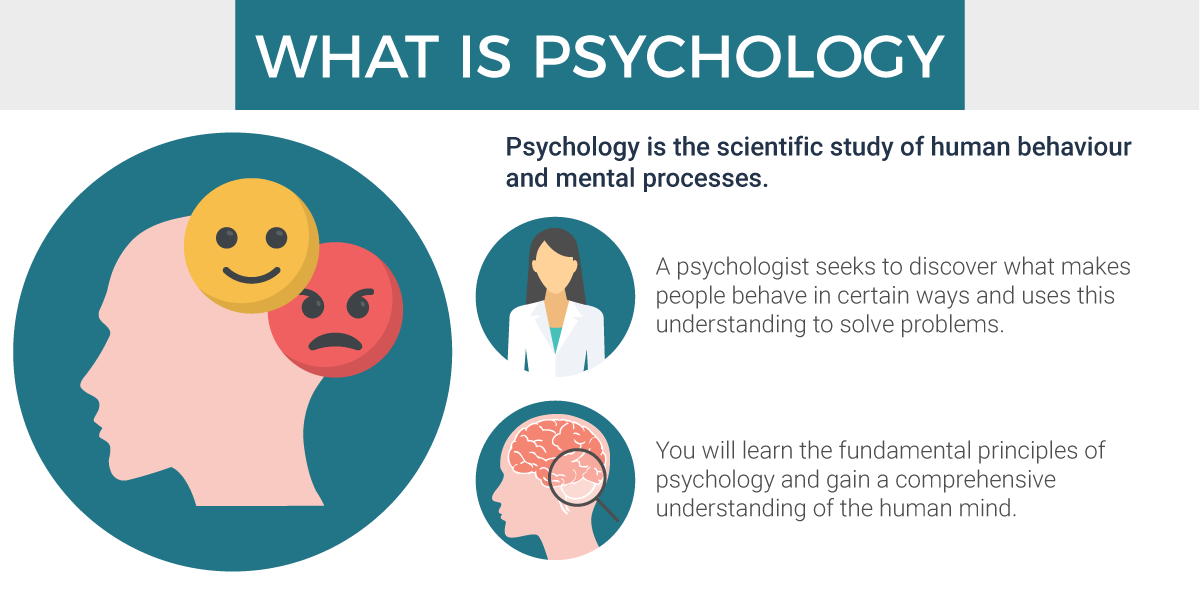
In the contemporary marketplace, the battle for consumer attention is no longer fought solely on the grounds of product quality or price points. Instead, it is contested within the intricate corridors of the human mind. For brand strategists, marketers, and designers, psychology is not a peripheral academic interest; it is the foundational infrastructure upon which successful brand identities are constructed. To understand what to learn in psychology is to understand the mechanics of human desire, the triggers of loyalty, and the subtle architecture of decision-making.
When we approach psychology through the lens of brand strategy, we move beyond clinical definitions and into the realm of behavioral economics and neuro-marketing. The objective is to decode how individuals perceive value, how they form emotional attachments to inanimate logos, and why they choose one brand over a near-identical competitor. The following domains represent the essential psychological pillars that every brand professional must master to navigate the complexities of the modern commercial landscape.
The Cognitive Architecture of Consumer Choice
At the heart of every brand interaction lies a series of cognitive processes that determine whether a consumer will engage or turn away. Learning the psychological nuances of decision-making allows brand builders to create paths of least resistance, ensuring that the brand’s value proposition is processed efficiently and favorably.
Understanding Heuristics and Cognitive Biases
Human beings are not the rational actors that traditional economic models often suggest. Instead, we rely on mental shortcuts, or heuristics, to make quick decisions in a world saturated with information. One of the most critical psychological concepts to master is the “Anchoring Effect.” This occurs when the first piece of information offered (the “anchor”) sets the tone for all subsequent judgments. In branding, this is frequently used in pricing strategies and value positioning.
Furthermore, the “Availability Heuristic” teaches us that people judge the importance or frequency of an event based on how easily examples come to mind. For a brand, this highlights the necessity of consistent visibility and top-of-mind awareness. If a consumer can easily recall your brand’s narrative, they are psychologically predisposed to view it as more credible and reliable than a less familiar alternative.
The Power of Social Proof and the Bandwagon Effect
Humans are inherently social creatures with a deep-seated need for tribal belonging. The “Bandwagon Effect” is a psychological phenomenon where people do something primarily because others are doing it. In branding, this translates to the strategic use of social proof—testimonials, influencer endorsements, and user-generated content. By learning the psychology of social validation, brands can transform a solitary purchase into a badge of membership, leveraging the fear of missing out (FOMO) to drive community growth and brand advocacy.
Visual and Sensory Psychology in Brand Design
Branding is a visual language, and like any language, it is governed by psychological rules. The way a brand looks, feels, and even sounds can bypass the rational mind and speak directly to the subconscious. Mastering sensory psychology is essential for creating a “Brand DNA” that resonates on a visceral level.
Color Theory and Subconscious Perception
Color is one of the most powerful tools in a designer’s arsenal, but its effectiveness is rooted in deep-seated psychological associations. To excel in brand strategy, one must learn the emotional resonance of the spectrum. For instance, blue is scientifically linked to feelings of stability, trust, and intelligence, which is why it dominates the corporate identities of financial institutions and technology firms. Red, conversely, triggers physiological responses like increased heart rate and appetite, making it ideal for the food industry and brands that want to convey urgency or passion. Understanding these associations prevents “aesthetic accidents” and ensures that the brand’s visual identity aligns perfectly with its intended emotional impact.
Gestalt Principles and Information Processing
Gestalt psychology focuses on how the human eye perceives visual elements as organized wholes rather than a collection of disparate parts. Principles such as “Proximity,” “Similarity,” and “Closure” are vital for creating logos and user interfaces that feel intuitive and harmonious. When a brand’s visual elements follow Gestalt principles, the brain requires less cognitive load to process the information. This creates a sense of “fluency,” and psychological research shows that people tend to trust and prefer things that are easy to process. A “fluent” brand is perceived as more honest and reliable than one that presents visual clutter and confusion.
The Psychology of Storytelling and Narrative Identity
Brands are no longer just symbols of ownership; they are characters in the stories consumers tell about themselves. To build a truly resonant brand, one must learn the psychological underpinnings of narrative and how they relate to the formation of human identity.
Archetypal Branding and Collective Symbolism
Derived from the analytical psychology of Carl Jung, archetypes are universal, inborn models of people, behaviors, and personalities. By aligning a brand with a specific archetype—such as the “Hero” (Nike), the “Sage” (Google), or the “Outlaw” (Harley-Davidson)—strategists tap into a reservoir of collective human experience. Learning to identify and implement these archetypes allows a brand to achieve an immediate, intuitive connection with its audience. It provides a shorthand for the brand’s values and mission, making the brand feel familiar even to a first-time observer.
Self-Congruity Theory
Psychology teaches us that consumers do not just buy products; they buy versions of themselves. Self-Congruity Theory suggests that people prefer brands whose personalities match their own actual or “ideal” self-concepts. When a brand’s narrative aligns with a consumer’s identity, the act of consumption becomes an act of self-expression. To master this, brand strategists must learn to move beyond demographic data and delve into psychographics—understanding the values, aspirations, and insecurities of their target audience. This allows for the creation of a “Mirror Brand” that reflects the customer’s highest ambitions.
Behavioral Design and Digital Brand Interaction
In an era where the primary brand experience often occurs through a screen, the intersection of psychology and user experience (UX) has never been more critical. Behavioral design is the application of psychological principles to influence user behavior in digital environments.
The Hook Model and Habit Formation
Based on the work of Nir Eyal and B.F. Skinner’s theories of operant conditioning, the “Hook Model” explains how brands can create habit-forming products and services. The process involves a trigger, an action, a variable reward, and an investment. By learning the psychology of dopamine loops—the brain’s reward system—digital brands can design interfaces that encourage repeated engagement. However, the ethical brand strategist also learns the importance of “Positive Friction,” ensuring that users feel empowered and in control rather than manipulated.
Choice Overload and the Paradox of Choice
While it might seem that more options lead to greater satisfaction, the “Paradox of Choice” suggests that an abundance of options can lead to anxiety and decision paralysis. In digital branding and e-commerce design, learning how to curate choices is vital. By using psychological techniques like “Chunking” (grouping information into small, manageable units) or providing a “Recommended” path, brands can reduce the cognitive strain on the user, leading to higher conversion rates and greater post-purchase satisfaction.
Personal Branding: The Psychology of the Self in Professional Spaces
In the modern economy, individuals are brands. The same psychological principles that govern corporate giants apply to personal branding. Understanding how others perceive your professional identity is key to career longevity and influence.
The Halo Effect and First Impressions
The “Halo Effect” is a cognitive bias where our overall impression of a person influences how we feel and think about their character in specific areas. If a personal brand is perceived as highly competent in one area—say, public speaking—the audience is psychologically inclined to believe they are also competent in unrelated areas like leadership or strategy. Learning to cultivate a strong “primary trait” can create a positive halo that elevates an entire professional portfolio.
The Psychology of Vulnerability and Authenticity
While traditional branding often focused on polished perfection, modern psychology reveals that vulnerability can be a powerful tool for building trust. The “Pratfall Effect” suggests that people who are generally competent become more likable after making a small mistake. In personal branding, showing the process, the failures, and the “human” side of the work fosters a deeper emotional connection. It moves the relationship from a transactional “expert-client” dynamic to a more authentic, human-centric partnership.
By mastering these psychological domains, brand professionals do more than just sell; they create meaning. They bridge the gap between a product’s functional utility and its emotional significance. What to learn in psychology is ultimately a lesson in empathy—learning to see the world through the eyes of the consumer and designing a brand experience that truly serves their needs, desires, and identities.
aViewFromTheCave is a participant in the Amazon Services LLC Associates Program, an affiliate advertising program designed to provide a means for sites to earn advertising fees by advertising and linking to Amazon.com. Amazon, the Amazon logo, AmazonSupply, and the AmazonSupply logo are trademarks of Amazon.com, Inc. or its affiliates. As an Amazon Associate we earn affiliate commissions from qualifying purchases.