
Purchasing a vehicle is often the second-largest financial commitment a person makes, surpassed only by the purchase of a home. Yet, despite the significant capital involved, many consumers approach the car-buying process with more emotion than economic strategy. In a marketplace characterized by fluctuating interest rates, aggressive dealer markups, and rapidly depreciating assets, a car is rarely an investment; it is an expense that must be managed with precision. To navigate this landscape successfully, one must transition from being a “driver” to a “financial manager.” Understanding the fiscal implications—ranging from debt-to-income ratios to the total cost of ownership—is essential before signing any contract.
Establishing a Realistic Budget: The Foundation of Your Purchase
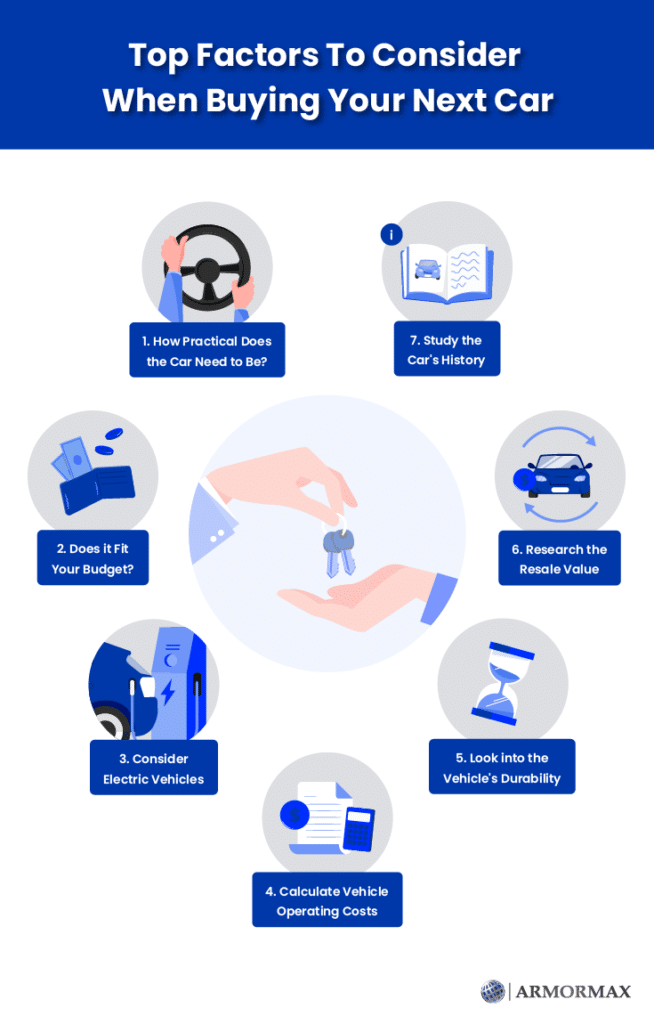
The most common mistake in car buying is focusing on the monthly payment rather than the total purchase price. While a $400 monthly payment might seem affordable, extending that payment over 84 months (seven years) results in a vastly different financial outcome than a 48-month term. Before stepping onto a lot, you must establish a budget rooted in your actual net cash flow.
The 20/4/10 Rule of Thumb
Financial advisors often recommend the 20/4/10 rule as a benchmark for automotive affordability. First, you should aim to provide a 20% down payment. This immediate equity protects you from becoming “upside down” on your loan—a situation where you owe more than the car is worth. Second, the loan term should not exceed 4 years (48 months). While longer terms lower monthly payments, they drastically increase the total interest paid. Finally, the total monthly cost of the vehicle (including insurance and fuel) should not exceed 10% of your gross monthly income. Adhering to these parameters ensures that your car does not cannibalize your ability to save for retirement or emergencies.
Factoring in the Total Cost of Ownership (TCO)
The “sticker price” or MSRP is merely the entry fee. The Total Cost of Ownership (TCO) provides a more accurate picture of how a car impacts your wealth over time. TCO includes fuel costs, scheduled maintenance, unscheduled repairs, insurance premiums, and registration fees. For example, a luxury European sedan might have a similar purchase price to a high-end Japanese SUV, but the TCO for the former is often significantly higher due to specialized parts and premium fuel requirements. Utilizing online TCO calculators can help you compare different models through a long-term financial lens rather than a short-term aesthetic one.
The Impact of Insurance and Registration
Insurance is a recurring expense that varies wildly based on the vehicle’s safety ratings, theft rates, and repair costs. Before finalizing a purchase, it is prudent to obtain insurance quotes for the specific VIN or model you are considering. Furthermore, state registration fees and sales tax can add thousands of dollars to the upfront cost. Neglecting these “hidden” expenses can lead to a liquidity crisis in the first few months of ownership, forcing you to dip into emergency funds to cover basic operational costs.
Mastering the Mechanics of Auto Financing
In the modern automotive market, the “Finance and Insurance” (F&I) office is where dealerships generate a significant portion of their profit. To protect your net worth, you must understand the mechanics of credit, interest rates, and the structural differences between various financing vehicles.
Understanding Interest Rates and Credit Scores
Your credit score is the single most influential factor in determining your Annual Percentage Rate (APR). Even a 1% or 2% difference in interest rates can result in thousands of dollars in savings over the life of the loan. It is vital to check your credit report months in advance to correct any errors and ensure you are in the “Prime” or “Super Prime” category. Understanding the difference between simple interest and pre-computed interest is also crucial; most modern auto loans use simple interest, meaning you only pay interest on the remaining principal, which rewards those who make extra payments or pay off the loan early.
Pre-Approval: Your Secret Weapon at the Dealership
Walking into a dealership without a pre-approved loan from a credit union or bank is a tactical error. When you rely solely on dealer financing, the dealership acts as a middleman. They may be approved for a 4% rate from a lender but “mark it up” to 6% when presenting it to you, pocketing the “spread” as profit. By arriving with a pre-approval letter in hand, you force the dealer to either beat your existing rate or lose the financing business entirely. This gives you the leverage to treat the car price and the financing as two separate negotiations.

The Financial Trade-offs: Leasing vs. Buying
Leasing is often marketed as a way to “get more car for less money,” but from a wealth-building perspective, it is usually the most expensive way to operate a vehicle. When you lease, you are essentially paying for the vehicle’s depreciation during its most volatile years, plus interest and fees, without ever building equity. However, for business owners who can utilize tax deductions or individuals who prioritize cash flow over long-term ownership, leasing can be a strategic move. Conversely, buying and holding a vehicle for 8–10 years allows you to enjoy “payment-free” years, where the money previously allocated to a loan can be redirected into high-yield investments.
Navigating Depreciation and Asset Management
Unlike real estate or equities, a car is a depreciating asset. The moment you drive a new car off the lot, it can lose 10% to 20% of its value. Strategic car buying requires a deep understanding of how to mitigate this loss of capital.
New vs. Used: The Financial Value Proposition
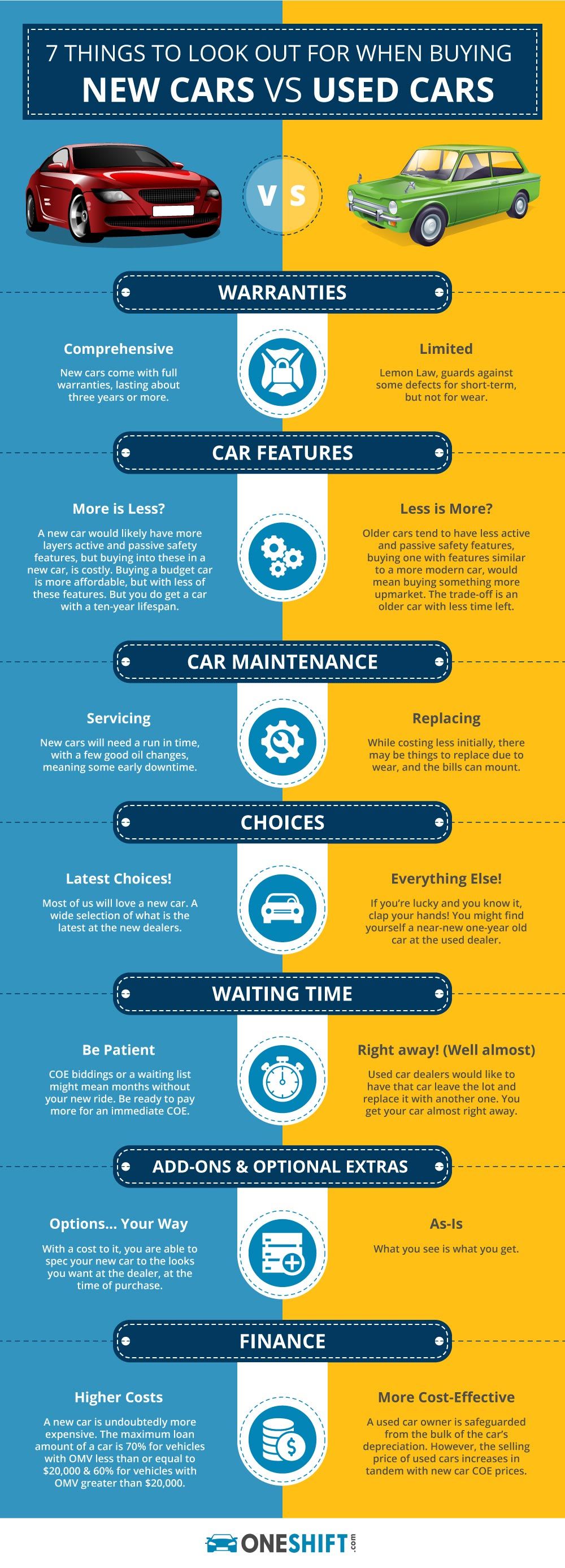
The debate between new and used vehicles is central to personal finance. A “certified pre-owned” (CPO) vehicle that is 2–3 years old often represents the “sweet spot” of value. At this stage, the previous owner has absorbed the steepest part of the depreciation curve, yet the vehicle likely still has a significant portion of its mechanical life and warranty remaining. However, in unusual market cycles where used car prices are inflated, the gap between new and used may shrink, making a new car with a full warranty and lower interest rates the more logical financial choice.
Researching Resale Value and Reliability
Not all cars depreciate at the same rate. Brands known for extreme reliability and high demand (such as Toyota, Honda, or certain Porsche models) tend to hold their value far better than niche luxury brands or vehicles with poor reliability records. Before buying, consult data from organizations like Kelley Blue Book or Consumer Reports to check “5-year residual values.” Choosing a vehicle that retains 60% of its value after five years instead of 40% can result in a net-worth difference of five figures when it comes time to trade in or sell.
The Opportunity Cost of the Purchase
Every dollar spent on a car is a dollar that isn’t compounding in the stock market or paying down high-interest debt. If you buy a $50,000 car when a $30,000 car would suffice, that $20,000 difference—if invested in a low-cost index fund with a 7% annual return—could grow to nearly $40,000 over ten years. Recognizing the opportunity cost of luxury upgrades or unnecessary features is the hallmark of a financially literate buyer.
The Art of the Deal: Negotiation and Finalizing the Transaction
The final stage of the car-buying process is the physical transaction. This is a high-pressure environment designed to maximize the dealer’s profit margin. Success requires a disciplined, data-driven approach to negotiation.
Separating the Components of the Deal
A skilled salesperson will try to bundle the purchase price, the trade-in value, and the financing into one “monthly payment” discussion. You must resist this. Negotiate each component in isolation. First, agree on the “out-the-door” price of the new vehicle. Only after that price is locked in should you discuss the value of your trade-in. Finally, discuss the financing options. By keeping these variables separate, you prevent the dealer from “hiding” a low trade-in offer by giving you a slightly lower interest rate, or vice versa.
Avoiding the “F&I” Profit Centers
Once the price is agreed upon, you will be sent to the Finance and Insurance office. This is where you will be offered extended warranties, GAP insurance, VIN etching, and fabric protection. From a financial standpoint, most of these products are overpriced. For example, GAP insurance—which covers the difference between the car’s value and your loan amount if the car is totaled—is often sold for $800 at a dealer but can be added to your existing auto insurance policy for a fraction of that cost. Be prepared to say “no” to these add-ons, or at the very least, research the market value of an extended warranty before entering the room.
The “Out-the-Door” Strategy
Always negotiate based on the “Out-the-Door” (OTD) price, not the MSRP. The OTD price includes the sales tax, title fees, and documentation fees. Some dealers may offer a low “sales price” only to add $2,000 in “dealer prep” or “protection package” fees at the last minute. By focusing on the final check you will have to write, you eliminate surprises and ensure that you are comparing apples to apples when shopping across different dealerships.
In conclusion, buying a car is not merely a lifestyle choice; it is a significant financial transaction that requires rigorous analysis. By adhering to strict budgeting rules, securing independent financing, understanding depreciation curves, and maintaining discipline during negotiations, you transform a potentially draining expense into a manageable component of your broader financial strategy. The goal is not just to own a vehicle, but to own it in a way that preserves your long-term wealth and financial freedom.
aViewFromTheCave is a participant in the Amazon Services LLC Associates Program, an affiliate advertising program designed to provide a means for sites to earn advertising fees by advertising and linking to Amazon.com. Amazon, the Amazon logo, AmazonSupply, and the AmazonSupply logo are trademarks of Amazon.com, Inc. or its affiliates. As an Amazon Associate we earn affiliate commissions from qualifying purchases.