
Creating a budget is often perceived as an act of restriction, a financial straightjacket that limits one’s ability to enjoy life. However, in the realm of professional personal finance, a budget is viewed as a strategic blueprint. It is a tool for empowerment that provides a clear roadmap for where your money goes, rather than a mystery of where it went. A well-constructed budget bridges the gap between your current financial reality and your long-term wealth-building aspirations.
To build a budget that actually works, one must move beyond simple arithmetic. It requires a holistic understanding of cash flow, the prioritization of future security, and the flexibility to accommodate the inherent unpredictability of life. Whether you are managing personal household finances or a burgeoning side hustle, knowing exactly what to include is the first step toward financial sovereignty.
The Foundation: Essential Fixed Expenses
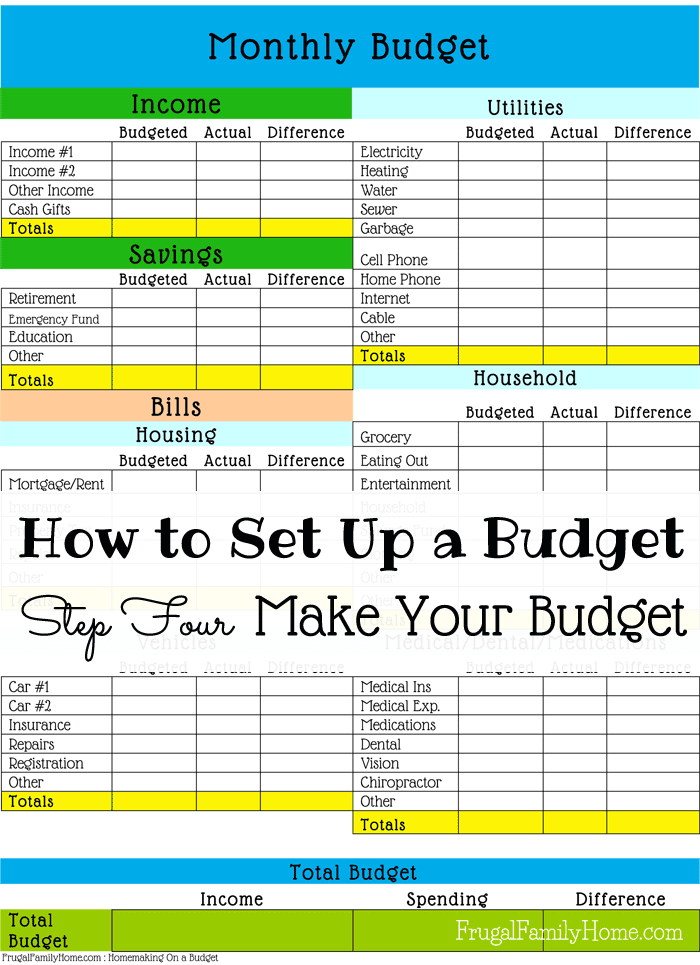
The bedrock of any budget consists of fixed expenses. These are the non-negotiables—the recurring costs that remain relatively stable from month to month. Identifying these first provides a clear picture of your “burn rate,” or the minimum amount of capital required to maintain your current lifestyle and obligations.
Housing and Utilities
For most individuals, housing is the largest single line item. This should include your mortgage or rent payment, but a comprehensive budget goes further. You must include property taxes and homeowners’ association (HOA) fees if they are not escrowed into your mortgage.
Utilities, while sometimes fluctuating slightly, are categorized as fixed because they are essential for habitation. This includes electricity, water, natural gas, trash collection, and sewer services. In the modern era, high-speed internet is no longer a luxury but a utility essential for economic participation and should be accounted for here.
Debt Obligations and Insurance
Fixed debt payments are contractual obligations that must be met to protect your credit score and financial standing. This includes auto loans, student loans, and the minimum payments on credit card balances.
Insurance is often overlooked in casual budgeting but is critical for risk management. Include premiums for health insurance, life insurance, disability insurance, and auto insurance. If you pay these premiums annually or semi-annually, divide the total by twelve to create a monthly “fixed” cost, ensuring the funds are available when the bill arrives.
Communication and Subscriptions
In a digital-first economy, communication costs are fixed staples. Your mobile phone plan is a primary example. Additionally, many people now carry a suite of software-as-a-service (SaaS) subscriptions or streaming services. While these are technically discretionary, they often function as fixed monthly withdrawals. Auditing these monthly can reveal “subscription creep,” where small $10 fees accumulate into a significant financial drain.
Managing Variable Expenses: The Fluidity of Lifestyle
Variable expenses are the “moving parts” of your budget. These costs fluctuate based on your behavior, choices, and external market factors. Because these are the areas where you have the most control, they are also the areas where most budgetary failures—and successes—occur.
Groceries and Household Goods
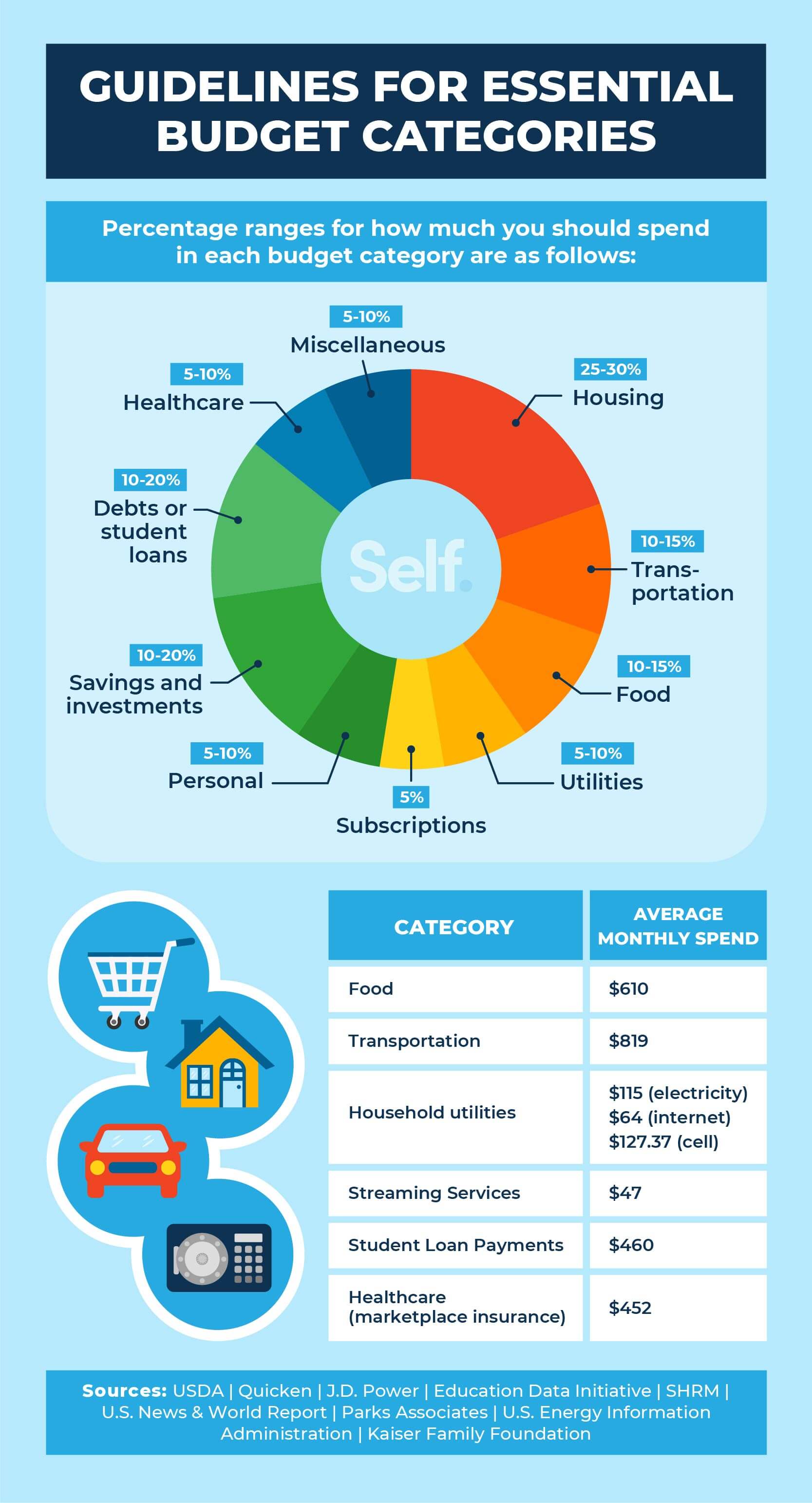
Food is a primary variable expense. Unlike a fixed mortgage, you can choose to spend $400 or $900 on groceries depending on your shopping habits and meal planning. To include this effectively, look at your last three months of spending to find a realistic average. Do not budget for the person you “wish” you were (someone who never buys snacks); budget for your actual consumption patterns while leaving room for optimization.
Household goods, such as cleaning supplies, toiletries, and paper products, should also be tracked here. These are often bought alongside groceries but represent a distinct category of necessary consumption.
Transportation and Fuel
While your car payment is fixed, the cost of operating that vehicle is variable. This includes gasoline or electric charging costs, public transit fares, and ride-sharing services. Fuel prices are notoriously volatile, so it is wise to budget slightly above your average monthly spend to create a buffer against price spikes at the pump.
Discretionary Spending and Entertainment
This is the “lifestyle” category. It includes dining out, hobbies, movies, concerts, and social outings. Many financial experts suggest the “50/30/20” rule, where 30% of income goes toward “wants.” Regardless of the percentage you choose, this must be a dedicated line item. Without a set limit on discretionary spending, “small” purchases can quietly cannibalize your ability to save or invest.
Strategic Allocation: Savings, Investments, and Wealth Building
A budget that only covers expenses is merely a survival plan. A professional-grade budget must include “payments” to your future self. In the world of personal finance, this is known as “paying yourself first.” This section of the budget transforms your income into long-term capital.
The Emergency Fund
Before aggressive investing can begin, a budget must account for an emergency fund. This is a liquid cash reserve intended to cover three to six months of essential living expenses. If your fund is not yet fully capitalized, a specific dollar amount should be included in your monthly budget as a high-priority “expense” until the goal is met. This fund acts as financial insurance against job loss or major medical emergencies.
Retirement and Brokerage Contributions
Investing is the engine of wealth. Your budget should explicitly state how much is being funneled into tax-advantaged accounts like a 401(k), 403(b), or IRA. If you have reached the contribution limits for these accounts, the budget should reflect allocations to a taxable brokerage account. By treating investment contributions as a mandatory line item—similar to a utility bill—you ensure that your wealth grows consistently through the power of compounding.
Short-Term Savings Goals and Sinking Funds
Not all savings are for retirement. You may be saving for a down payment on a home, a new vehicle, or a wedding. These should be categorized as “sinking funds.” A sinking fund is a way to save for a specific, known future expense by breaking it down into manageable monthly installments. For example, if you know you need $1,200 for a vacation in twelve months, your budget should include a $100 monthly line item for that specific goal. This prevents you from having to dip into your emergency fund or take on high-interest debt when the event occurs.
The Overlooked Essentials: Maintenance and Irregular Costs
The most common reason budgets fail is the “surprise” expense. However, many of these surprises are actually predictable if viewed through a longer lens. A robust budget accounts for the costs that don’t happen every month but are guaranteed to happen eventually.
Home and Auto Maintenance
If you own a home or a car, maintenance is an inevitability, not an accident. Tires wear out, HVAC systems require servicing, and roofs eventually leak. Financial professionals recommend budgeting approximately 1% of your home’s value annually for maintenance. Including a monthly “Maintenance Reserve” line item ensures that when the water heater fails, the money is already sitting in a designated account, leaving your primary budget undisturbed.
Medical Out-of-Pocket Costs
Even with excellent insurance, there are co-pays, deductibles, and over-the-counter medications to consider. If you have a High Deductible Health Plan (HDHP), your budget should prioritize contributions to a Health Savings Account (HSA). This not only covers your medical line items but also provides significant tax advantages.
Seasonal Gifting and Annual Fees
Holidays, birthdays, and annual professional dues often catch people off guard. Total your expected spending for gifts and annual fees (like credit card annual fees or professional certifications) for the entire year and divide by twelve. Including this small amount each month eliminates the “December Debt” phenomenon where holiday spending ruins the budget for the first quarter of the following year.
Optimization and The Zero-Based Approach
Once you have identified all the categories, the final step is the methodology of organization. One of the most effective strategies for high-level financial management is “Zero-Based Budgeting.”
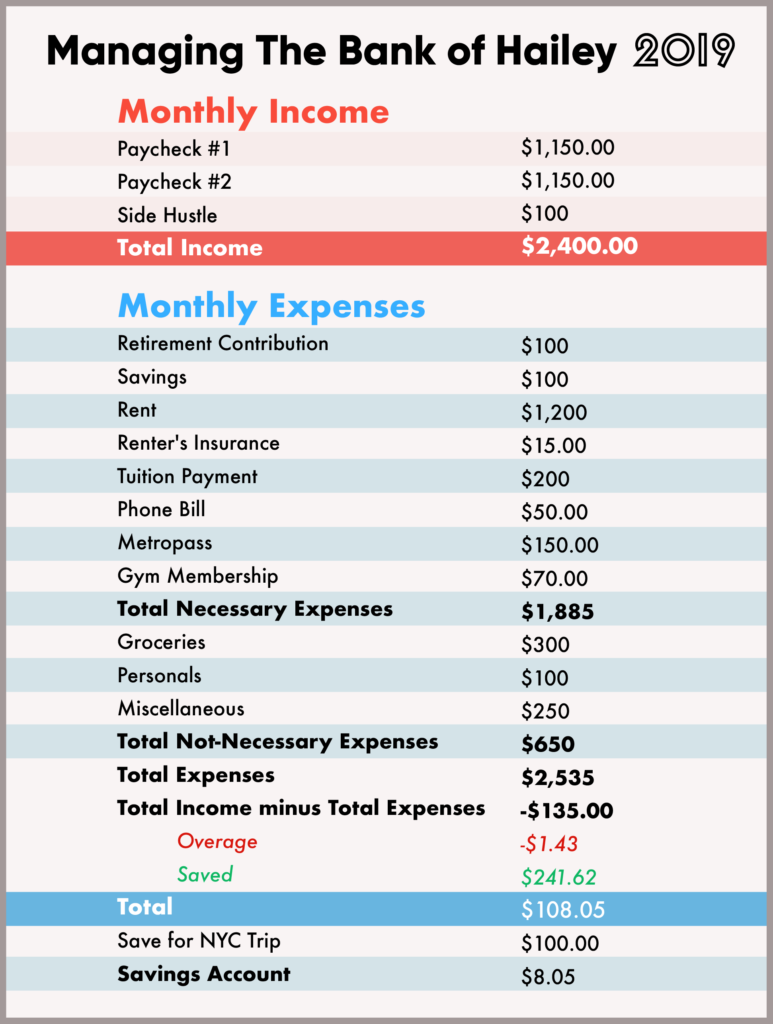
In a zero-based budget, your income minus your expenses (including savings and investments) must equal zero. This does not mean you have zero dollars in your bank account; it means every single dollar has been assigned a specific job. If you have $500 left over after covering all your bills and lifestyle choices, that $500 shouldn’t just “sit there.” It should be assigned to debt pay-down, a brokerage account, or a specific savings goal.
Using Financial Tools for Tracking
A budget is a living document. To ensure what you planned to include matches what you actually spent, you must utilize tracking tools. This can range from a sophisticated spreadsheet to specialized budgeting apps that sync with your bank accounts. Reviewing your budget weekly allows you to adjust in real-time. If you overspent on dining out in week two, you can reduce your entertainment budget for week four to stay on track.
The Psychological Component
The ultimate goal of including these various categories in your budget is to reduce “financial friction.” When you know that the mortgage is covered, the retirement fund is growing, and the car repair fund is funded, the anxiety associated with money dissipates. A comprehensive budget provides you with the “permission” to spend on the things you enjoy, knowing that every other financial responsibility has already been accounted for.
By meticulously documenting your fixed costs, managing your variable lifestyle choices, prioritizing your future through investments, and preparing for irregular maintenance, you transform your budget from a spreadsheet into a powerful instrument of financial freedom. The clarity gained from knowing exactly what to include is the foundation upon which all lasting wealth is built.
aViewFromTheCave is a participant in the Amazon Services LLC Associates Program, an affiliate advertising program designed to provide a means for sites to earn advertising fees by advertising and linking to Amazon.com. Amazon, the Amazon logo, AmazonSupply, and the AmazonSupply logo are trademarks of Amazon.com, Inc. or its affiliates. As an Amazon Associate we earn affiliate commissions from qualifying purchases.