
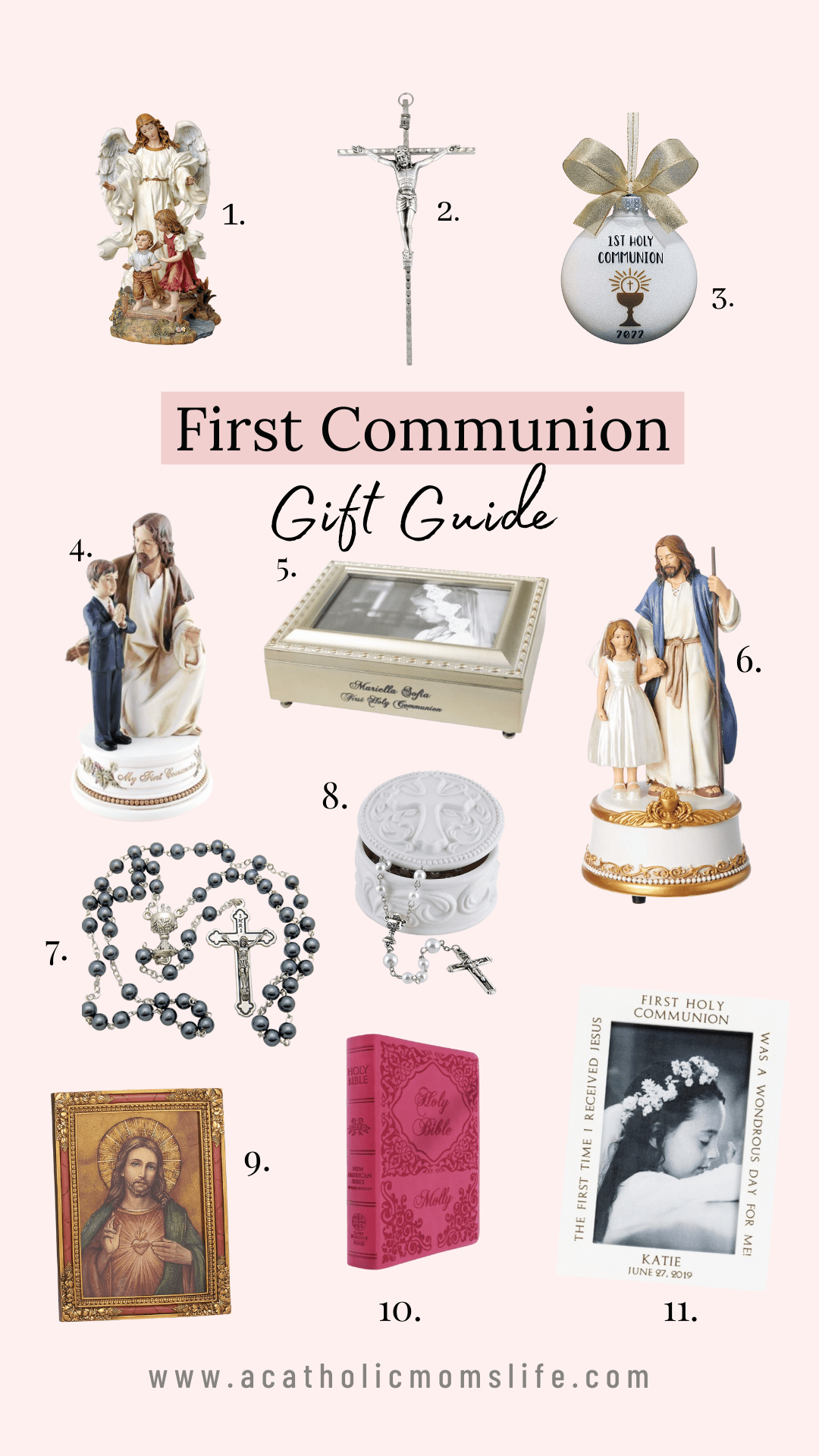
The First Communion represents a significant milestone in a young person’s life, often marking their first major step into a community and a broader social awareness. While traditional gifts such as religious icons, jewelry, or celebratory keepsakes are common, a growing trend among savvy family members and godparents is to pivot toward gifts that provide a lasting financial foundation. From the perspective of personal finance and long-term wealth management, the question of what to give for a First Communion gift is increasingly answered with assets that appreciate, accounts that compound, and tools that foster financial literacy.
By choosing a financial gift, the giver provides more than just a temporary item; they provide a head start in a world where economic stability is a prerequisite for many life goals. At age seven or eight, a child is at the perfect biological and chronological window to begin benefiting from the most powerful force in finance: compound interest.
The Strategic Shift from Consumption to Capital
Historically, milestones like First Communions were marked by “consumable” gifts—items that were used, worn, or displayed until they were eventually outgrown or forgotten. However, the modern economic landscape demands a more strategic approach to gift-giving. When we look at the lifecycle of wealth, the earlier capital is deployed, the more effective it becomes.
The Power of the Time Horizon
For a child receiving a First Communion gift, their time horizon for needing significant capital (such as for college or a first home) is roughly ten to fifteen years away. Their retirement horizon is over half a century away. A $500 gift invested in a diversified equity fund at age eight, assuming an average annual return of 7%, could grow to nearly $1,000 by the time they graduate high school and over $15,000 by the time they reach retirement age, without any further contributions. When you present a gift from a “Money” niche perspective, you are gifting time.
Teaching Financial Stewardship
Beyond the monetary value, a financial gift serves as an educational bridge. It introduces the child to the concepts of saving, investing, and delayed gratification. By moving away from immediate gratification—like a new toy or a trendy gadget—the giver sets a precedent that significant milestones deserve significant financial consideration. This creates an early awareness of capital allocation that can pay dividends in the form of responsible financial habits later in life.
Premier Financial Vehicles for Gifting
When deciding on a financial gift, the structure of the gift is just as important as the amount. Different financial vehicles offer various tax advantages, control mechanisms, and growth potentials.
The 529 College Savings Plan
Perhaps the most impactful financial gift for a First Communion is a contribution to, or the opening of, a 529 College Savings Plan. These plans are tax-advantaged investment accounts designed to encourage saving for future education costs.
- Tax Advantages: Contributions grow tax-deferred, and withdrawals are tax-free when used for qualified education expenses, including tuition, books, and room and board.
- The SECURE Act 2.0 Benefit: Recent changes in legislation have made 529 plans even more attractive. Under the SECURE Act 2.0, beneficiaries may be able to roll over up to $35,000 of unused 529 funds into a Roth IRA, provided the account has been open for at least 15 years. This effectively eliminates the “what if they don’t go to college?” fear, turning an education fund into a potential retirement starter.
Custodial Accounts (UTMA/UGMA)
For those who want to provide a gift that isn’t strictly tied to education, Uniform Transfers to Minors Act (UTMA) or Uniform Gifts to Minors Act (UGMA) accounts are excellent options. These are custodial accounts that allow an adult to manage assets for a minor until they reach the age of majority (usually 18 or 21, depending on the state).
- Asset Flexibility: Unlike 529s, these accounts can hold a wide variety of assets, including stocks, bonds, and mutual funds.
- Ownership: The assets belong to the child from the moment the gift is made. This can be a double-edged sword; while it builds a significant nest egg, it also counts as the child’s asset for college financial aid calculations, which may impact their eligibility for needs-based grants.
High-Yield Savings Accounts (HYSA)
If the goal is to provide a liquid gift that the child can see grow in real-time, a High-Yield Savings Account is a superior alternative to a traditional “piggy bank” or a standard brick-and-mortar savings account that offers negligible interest.
- Liquidity and Visibility: An HYSA allows the child to see monthly interest deposits. This is a tangible way to explain how money “works” for them. In a high-interest-rate environment, the difference between 0.01% and 4.50% APY is substantial, especially over a decade of childhood milestones.
Modern and Tangible Financial Assets

Not all financial gifts need to be locked away in a brokerage account. There are several ways to provide a gift that feels “real” to an eight-year-old while still maintaining a focus on value preservation and growth.
Fractional Shares and Individual Stocks
Gifting a single share of a company that a child recognizes—such as Disney, Apple, or Roblox—can ignite an interest in the stock market. Many modern fintech platforms allow for “stock gift cards” or fractional share gifting.
- Engagement: Owning a “piece” of a company they interact with makes the concept of equity ownership concrete. It transforms the child from a consumer of a brand to an owner of the brand.
- Case Study: A child who received $100 in Apple stock at their First Communion in 2014 would have seen that investment grow exponentially by 2024, far outpacing the value of any physical toy purchased at the same time.
Precious Metals: Gold and Silver Bullion
For those who want a physical gift that carries intrinsic value, precious metals are a classic choice. A one-ounce silver coin or a small gold bar is a tangible asset that can be held in a hand but won’t depreciate like electronics.
- Inflation Hedge: Gold and silver are historical hedges against inflation. Gifting bullion teaches the child about the “store of value” and the history of currency.
- Collectibility: Many mints produce “Commemorative” or “Proof” coins that hold both numismatic (collector) value and bullion value, making them appropriate for a special occasion.
Corporate and Treasury Bonds
While perhaps less “exciting” than a tech stock, US Treasury Bonds (like Series I Savings Bonds) offer a safe, inflation-protected way to gift money.
- Safety of Principal: These are backed by the full faith and credit of the US government.
- Educational Value: Bonds are an excellent way to teach the concept of lending money in exchange for interest, a fundamental pillar of global finance.
The Role of Financial Education as a “Side Gift”
A financial gift is only as good as the recipient’s eventual ability to manage it. To truly maximize the “Money” aspect of a First Communion gift, the giver should consider pairing the financial asset with educational resources.
Gamified Finance Apps
There are several apps designed for children that provide a debit card managed by parents, combined with chores, savings goals, and investment modules. Contributing the “gift” as a balance in one of these apps allows the child to practice budgeting under supervision.
The “Match” Incentive
A sophisticated way to give for a First Communion is to offer a “matching grant.” For example, a godparent might tell the child, “For every dollar you save from your other communion gifts or your allowance this year, I will put two dollars into your investment account.” This introduces the concept of the employer-sponsored 401(k) match in a simplified, household setting, incentivizing the child to become a proactive saver.
Navigating the Logistics: Taxes and Documentation
When moving into the realm of financial gifting, it is essential to be aware of the regulatory and tax implications to ensure the gift remains a benefit rather than a burden.
The Annual Gift Tax Exclusion
As of 2024, an individual can give up to $18,000 per year to any number of people without having to file a gift tax return or pay gift taxes. For a First Communion gift, most contributions will fall well under this limit, but it is important for wealthy donors or grandparents to keep this in mind if they are making multiple large gifts to the same child across different accounts.
The “Kiddie Tax”
Givers should be aware that once a child’s unearned income (from dividends, interest, or capital gains) exceeds a certain threshold (currently $2,600 for 2024), that income may be taxed at the parents’ marginal tax rate rather than the child’s lower rate. This is known as the “Kiddie Tax” and is designed to prevent parents from shifting large amounts of investment income to their children to avoid taxes.

Proper Presentation of a Financial Gift
The primary drawback of a financial gift is that it can feel “invisible” to a child compared to a wrapped box. To make the gift impactful:
- Use a Physical Proxy: If you are contributing to a 529 or buying stock, print out a “certificate of ownership” or a mockup of the account growth projection.
- The Two-Part Gift: Give a small, inexpensive physical token (like a commemorative coin or a small religious book) alongside the financial contribution. This provides the child with something to open while the “real” gift grows in the background.
- Explain the “Why”: Include a letter explaining that this gift is meant to help them buy their first car, pay for college, or start their own business one day. Connecting the money to a future dream makes it more than just a number on a screen.
By reframing the question of what to give for a First Communion gift through the lens of personal finance, the giver moves from being a source of temporary joy to a patron of future opportunity. In an era of economic volatility, the most meaningful gift isn’t something the child can use today, but something that ensures they have the resources they need tomorrow.
aViewFromTheCave is a participant in the Amazon Services LLC Associates Program, an affiliate advertising program designed to provide a means for sites to earn advertising fees by advertising and linking to Amazon.com. Amazon, the Amazon logo, AmazonSupply, and the AmazonSupply logo are trademarks of Amazon.com, Inc. or its affiliates. As an Amazon Associate we earn affiliate commissions from qualifying purchases.