
For decades, the question “what to get for dinner” was a simple domestic riddle solved by the contents of a physical pantry or the localized options of a paper takeout menu. Today, that question has been transformed into a complex data science problem. As urban lifestyles accelerate and cognitive load becomes a modern tax on productivity, technology has stepped in to bridge the gap between hunger and fulfillment. We are no longer just choosing a meal; we are engaging with a sophisticated ecosystem of artificial intelligence, hyper-local logistics, and Internet of Things (IoT) hardware designed to eliminate the “paradox of choice.”
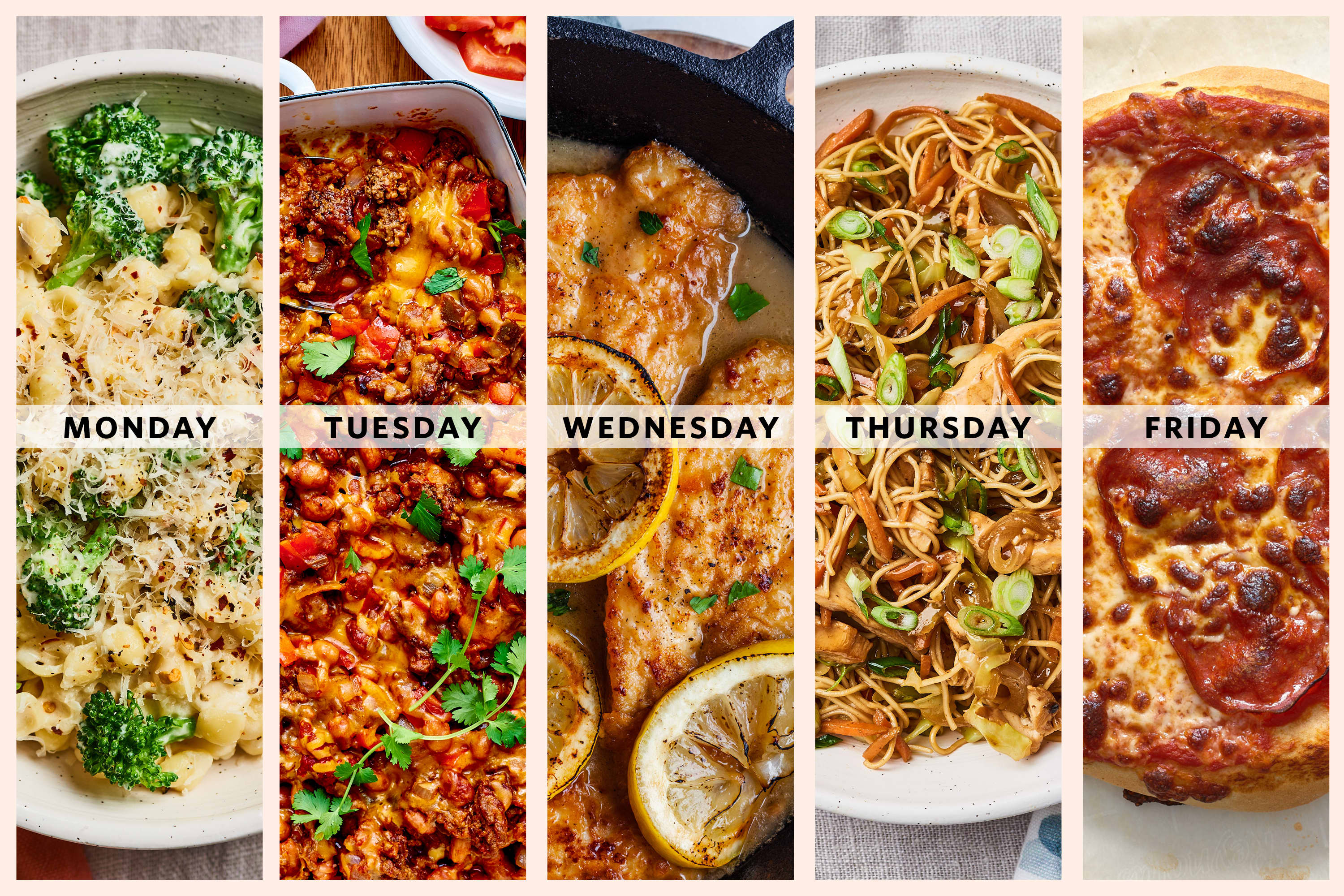
The digital transformation of dinner is not merely about convenience; it is about the algorithmic optimization of human sustenance. From generative AI that scripts recipes based on leftover ingredients to predictive logistics that anticipate a neighborhood’s craving for sushi on a rainy Tuesday, the tech industry is fundamentally rewriting the script of the evening meal.
The Algorithmic Palate: AI and the Curation of Choice
The primary barrier to answering “what to get for dinner” is decision fatigue. Behavioral economists have long noted that when faced with too many options, consumers often experience anxiety or dissatisfaction. Technology companies have responded by implementing advanced recommendation engines similar to those used by streaming giants, but tailored for the culinary world.
Predictive Analytics and Consumer Profiling
Modern food delivery platforms utilize machine learning models that analyze hundreds of data points to curate a personalized “digital menu” for every user. These algorithms look far beyond your previous orders. They factor in the time of day, the current weather in your GPS location, your historical price sensitivity, and even the biometric data synced from wearable devices. If your smartwatch detects a high-activity day with a caloric deficit, the “For You” section of a delivery app might prioritize protein-heavy options or complex carbohydrates. This is the transition from reactive technology—waiting for a search query—to proactive technology, where the app suggests the solution before the user has fully articulated the need.
Generative AI and the “Empty Fridge” Problem
For those who prefer to cook, Large Language Models (LLMs) have revolutionized the domestic kitchen. Platforms integrated with GPT-4 or specialized culinary AI can now process visual data. A user can take a photo of the interior of their refrigerator, and the AI will perform object recognition to identify a half-used jar of pesto, a bell pepper, and three eggs. Within seconds, it generates a bespoke recipe, complete with nutritional macros and step-by-step instructions. This tech effectively eliminates the cognitive labor of meal planning, transforming disparate ingredients into a cohesive dinner through the power of neural networks.
The Infrastructure of Appetite: Ghost Kitchens and Hyper-Logistics
Once the decision of what to get for dinner is made, the focus shifts to the “how.” The backend technology facilitating the delivery of that choice has undergone a radical shift toward automation and efficiency.
The Rise of the Dark Kitchen
The traditional restaurant model is being disrupted by “ghost kitchens” or “dark kitchens”—facilities designed exclusively for delivery with no storefront or dining area. These are essentially data-driven food factories. By analyzing localized search trends, a single ghost kitchen operator can use tech to identify a “pizza desert” in a specific zip code and launch a virtual brand within days to fill that gap. The software manages everything from inventory forecasting to the precise timing of when a steak should hit the grill to ensure it reaches its peak resting temperature at the moment it arrives at the customer’s door.
Autonomous Delivery and the Last-Mile Challenge
The “last mile” remains the most expensive and complex part of the dinner tech chain. To solve this, companies are deploying autonomous delivery robots and drones. In suburban environments, sidewalk-roaming bots equipped with LiDAR and computer vision are becoming common sights. These machines solve the logistical bottleneck of human courier availability. Simultaneously, drone delivery is moving from experimental phases to regulatory approval in major markets, promising to deliver a hot dinner in under ten minutes by bypassing ground-level traffic. This high-speed fulfillment changes the calculation of “what to get,” as distance becomes less of a factor in food quality.

The Smart Kitchen: IoT and the Automated Chef
The technology of dinner is also moving inside the home, where the kitchen itself is becoming an integrated hardware-software platform. The goal is a seamless loop where the house knows what you need, orders it, and assists in—or completes—the cooking process.
IoT-Enabled Pantries and Smart Inventory
The modern smart refrigerator is no longer just a cooling box; it is an inventory management system. Using internal cameras and weight sensors, these devices track the depletion of staples. When you are deciding what to get for dinner, the smart home interface can provide a real-time list of what is available and, via API integrations with grocery delivery services, automatically add missing ingredients to a digital cart. This ensures that the technical requirements for a specific meal are met without manual checking, reducing the friction of the cooking process.
Robotic Cooking and Precision Hardware
We are seeing the emergence of “robotic chefs”—automated appliances that can perform complex culinary tasks with mathematical precision. High-end smart ovens now use thermal imaging and AI sensors to recognize the specific cut of meat or type of vegetable placed inside, automatically adjusting humidity, convection patterns, and temperature to reach an “algorithmic perfection” that a human cook might struggle to replicate. For the consumer, this means that “getting dinner” might involve placing raw ingredients into a machine and selecting a profile on an app, effectively outsourcing the skill of cooking to a software update.
Data-Driven Nutrition and the Future of Personalized Sustenance
As we look toward the next decade, the question of “what to get for dinner” will become increasingly tied to digital health and “bio-hacking.” The intersection of “FoodTech” and “HealthTech” is creating a world where dinner is a functional input for optimized human performance.
Nutrigenomics and Bio-Syncing
The most advanced tech-forward diners are beginning to use nutrigenomics—matching their diet to their genetic profile. Apps now exist that allow users to upload their DNA data to receive meal recommendations that minimize inflammation or optimize energy based on their specific genetic markers. Furthermore, real-time glucose monitoring (CGM) tech, once reserved for diabetics, is being adopted by the tech-savvy general public. When these sensors sync with meal-delivery apps, the platform can theoretically filter out “dinner” options that would cause a significant blood sugar spike, steering the user toward metabolically optimized choices.
Sustainability through Precision Supply Chains
Finally, technology is addressing the ethical and environmental implications of our dinner choices. Blockchain technology is being utilized to provide “farm-to-fork” transparency. By scanning a QR code on a meal kit or a restaurant container, a consumer can view the entire digital ledger of their dinner—verifying the carbon footprint, the origin of the protein, and the date of harvest. AI is also being used by retailers to dramatically reduce food waste by dynamically pricing items close to their expiration date, incentivizing consumers to “get” dinner options that would otherwise end up in a landfill.
The End of Decision Fatigue?
The evolution of “what to get for dinner” from a manual chore to a tech-enabled experience represents the broader trend of human-computer integration. By offloading the logistical and cognitive burdens of meal selection to AI, IoT, and autonomous systems, we are reclaiming hours of our lives. However, this shift also raises questions about the loss of serendipity and the influence of “filter bubbles” on our palates.
As algorithms become more adept at predicting our cravings, the challenge for the future will be ensuring that technology expands our culinary horizons rather than just reinforcing our existing habits. Whether it is through a robot-delivered meal or an AI-scripted feast, the dinner of the future is being coded today, one byte at a time. The next time you find yourself wondering what to eat, remember that a vast network of servers, sensors, and satellites is already working on the answer.
aViewFromTheCave is a participant in the Amazon Services LLC Associates Program, an affiliate advertising program designed to provide a means for sites to earn advertising fees by advertising and linking to Amazon.com. Amazon, the Amazon logo, AmazonSupply, and the AmazonSupply logo are trademarks of Amazon.com, Inc. or its affiliates. As an Amazon Associate we earn affiliate commissions from qualifying purchases.