
The holiday season has traditionally been a time for plush toys and artisanal treats, but as we move further into the decade, the “pet tech” sector has undergone a massive digital transformation. For the discerning dog owner looking to integrate their pet into a smart home ecosystem, the question of what to get a dog for Christmas has shifted from simple playthings to sophisticated hardware and software solutions. The global pet tech market is currently projected to grow at a compound annual growth rate (CAGR) of over 15%, driven by advancements in AI, the Internet of Things (IoT), and high-precision sensors.
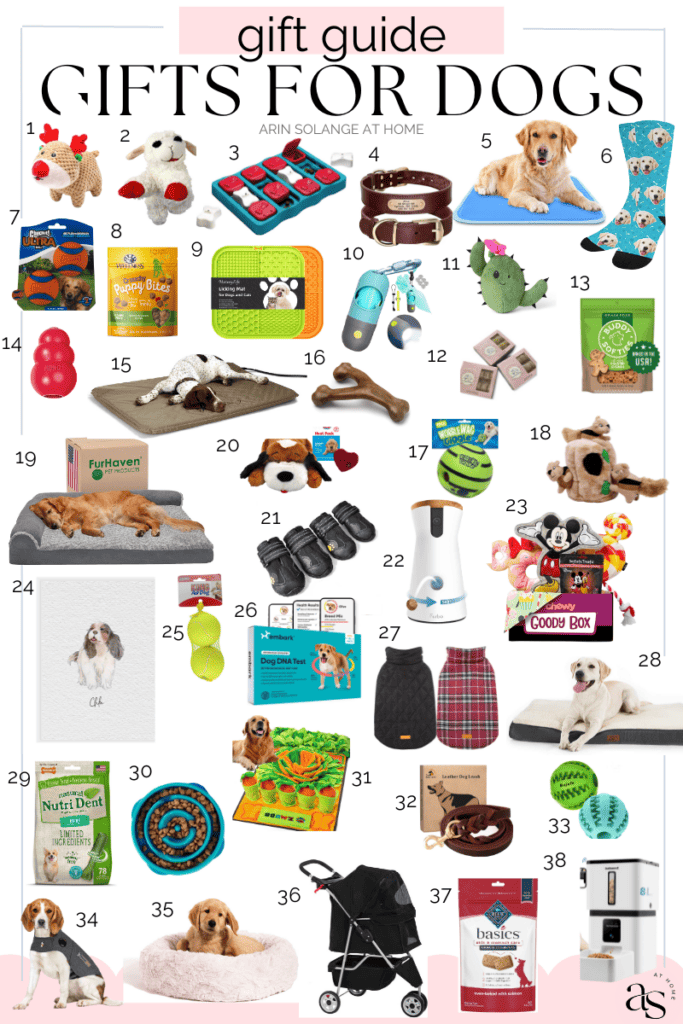
In this professional guide, we explore the cutting edge of canine technology, moving beyond the novelty of gadgets to look at tools that offer genuine utility, health monitoring, and cognitive enrichment.
The Evolution of Connectivity: Smart Collars and Wearable Biometrics
The centerpiece of any modern pet tech stack is the smart collar. No longer just a strap for an ID tag, the contemporary smart collar serves as a sophisticated wearable device equivalent to a high-end smartwatch for humans. These devices represent the pinnacle of what to get a dog for Christmas when security and health data are the primary objectives.
Advanced GPS and GNSS Tracking
Standard Bluetooth trackers are often insufficient for the active dog, as their range is limited to the proximity of a smartphone. Professional-grade Christmas gifts in this category now utilize a combination of GPS, GLONASS, and Galileo satellite systems, paired with LTE-M cellular connectivity. This ensures that a dog’s location can be pinpointed in real-time across vast distances with minimal latency. High-end models also incorporate geofencing capabilities, allowing owners to set “digital fences.” When a dog exits these designated zones, the hardware triggers an immediate push notification to the owner’s mobile device, leveraging cloud-based servers to ensure reliable delivery of the alert.
Health Diagnostics and Activity Monitoring
Beyond location, the new generation of wearables utilizes tri-axial accelerometers and gyroscopes to monitor a dog’s physical health. These sensors track much more than just steps; they employ proprietary algorithms to differentiate between walking, running, scratching, and even sleeping. By analyzing these data points over time, the software can establish a baseline for the dog’s behavior. A significant increase in scratching may indicate a dermatological issue or a flea infestation long before it is visible to the human eye. Furthermore, some high-tech collars now offer “Vitals Tracking,” monitoring heart rate variability (HRV) and respiratory rates, providing a comprehensive look at the animal’s internal health.
AI-Powered Interaction: Redefining the “Home Alone” Experience
For many professionals, the biggest challenge of pet ownership is the time spent away from the home. This Christmas, the most impactful gifts for dogs are those that bridge the gap between physical absence and digital presence. The integration of Artificial Intelligence (AI) into pet cameras and dispensers has revolutionized how we interact with our dogs remotely.
Computer Vision and Behavioral AI
Traditional home cameras offer a passive view of the living room, but AI-enhanced pet cameras are proactive. These devices utilize computer vision to recognize specific canine behaviors. They can distinguish between a dog simply moving through a room and a dog “pacing,” which is often a sign of separation anxiety. Sophisticated models now include “Bark Alerts” that use machine learning to filter out background noise (like a passing truck or a television) to notify the owner only when the dog is genuinely distressed. This level of filtered data is essential for the busy professional who needs actionable insights rather than constant, irrelevant notifications.
Interactive Remote Enrichment
The hardware for remote interaction has evolved into a two-way engagement platform. High-definition (1080p or 4K) cameras paired with full-duplex audio allow owners to speak to their dogs in real-time. The most popular tech gift in this niche remains the smart treat dispenser. However, the innovation lies in the scheduling and “smart” dispensing features. Owners can now program these devices to launch treats at varying intervals to prevent boredom, or use them as a reward during remote training sessions. Some systems even include built-in laser pointers or mobile bases, allowing the device to navigate the home and engage the dog in a game of chase, controlled via a smartphone app.
Cognitive Development through Gamified Hardware

Mental stimulation is as critical for a dog’s well-being as physical exercise. The “What to Get a Dog for Christmas” list is increasingly dominated by devices that challenge a dog’s problem-solving skills using automated systems.
Automated Puzzle Feeders and Robotics
The integration of robotics into the pet industry has led to the creation of self-moving toys that adapt to a dog’s play style. Unlike static toys, these robotic devices use infrared sensors to detect a dog’s proximity and move away, mimicking the behavior of prey and stimulating the dog’s natural instincts. Some models allow for “Tug-of-War” simulations where the device provides haptic resistance, adjusting the tension based on the dog’s strength. This ensures that the toy remains challenging without being discouraging.
Software-Driven Training Consoles
A niche but rapidly growing segment of pet tech is the “dog console.” These are essentially durable, touch-sensitive tablets designed for canine interaction. They offer color-blind-friendly games that require the dog to touch specific icons to receive a treat from an integrated dispenser. The difficulty levels are managed by software that tracks the dog’s progress, ensuring that the cognitive load is always optimal. For the tech-savvy owner, these consoles provide a wealth of data regarding their dog’s cognitive health and reaction speeds, which can be shared with veterinarians to monitor for signs of cognitive decline as the dog ages.
Precision Nutrition: The Smart Kitchen for Canines
As we apply data-driven approaches to our own diets, it is only logical to apply the same rigor to our pets. Automated feeding systems have become a staple gift for dogs, focusing on precision, hygiene, and data integration.
IoT-Enabled Feeding Stations
The modern automatic feeder is far more than a timed hopper. The latest models feature integrated digital scales that measure portions down to the gram, preventing the overfeeding that leads to canine obesity. These devices connect to home Wi-Fi networks and sync with health apps. If a smart collar indicates a dog has been less active on a particular day, the feeder’s software can suggest (or automatically implement) a slight reduction in caloric intake for the next meal. This creates a holistic loop of health management that ensures the dog’s energy intake matches its energy expenditure.
Hydration Monitoring and Filtration
Smart water fountains represent another leap in pet health tech. Using ultrasonic sensors, these fountains monitor how much water a dog consumes daily. Dehydration or sudden increases in water consumption can be early indicators of underlying issues like kidney disease or diabetes. By providing a real-time dashboard of hydration levels, these devices allow for early medical intervention. Furthermore, high-tech fountains often include multi-stage carbon filtration and UVC sterilization to ensure that the water is free of pathogens and contaminants.
The Security and Future of the Pet Tech Ecosystem
When considering what to get a dog for Christmas in the tech category, it is vital to consider the infrastructure supporting these devices. As our homes become more connected, the “Internet of Dogs” must be treated with the same security considerations as any other part of the digital home.
Data Privacy and Device Integration
The most sophisticated pet tech gifts today are those that offer seamless integration with existing smart home ecosystems like Amazon Alexa, Google Assistant, or Apple HomeKit. This allows owners to use voice commands to check on their dog’s activity levels or to dispense a treat. However, with this connectivity comes the need for robust cybersecurity. High-end pet tech companies are now prioritizing end-to-end encryption for camera feeds and secure cloud storage for pet biometrics. When selecting a high-tech gift, the professional owner should look for brands that provide regular firmware updates and clear privacy policies.

The Rise of the Subscription Model (SaaS) in Pet Care
Finally, it is important to recognize that many of the best tech gifts for dogs now involve a Software-as-a-Service (SaaS) component. Whether it is a monthly subscription for LTE tracking, cloud video storage, or access to premium AI features, the gift of a smart device is often the gift of a continuous service. These subscriptions ensure that the device’s software remains optimized and that the AI continues to learn and adapt to the dog’s evolving needs.
In conclusion, the modern answer to “what to get a dog for Christmas” is found at the intersection of high-performance hardware and intelligent software. By investing in tools that provide health insights, security, and mental stimulation, owners are not just buying a toy—they are investing in a longer, healthier, and more connected life for their canine companions. The shift toward a tech-driven pet lifestyle is not just a trend; it is the new standard of professional pet care.
aViewFromTheCave is a participant in the Amazon Services LLC Associates Program, an affiliate advertising program designed to provide a means for sites to earn advertising fees by advertising and linking to Amazon.com. Amazon, the Amazon logo, AmazonSupply, and the AmazonSupply logo are trademarks of Amazon.com, Inc. or its affiliates. As an Amazon Associate we earn affiliate commissions from qualifying purchases.