
The decision to quit drinking is often framed through the lenses of physical health, psychological clarity, and social dynamics. However, there is a powerful, yet frequently overlooked, dimension to sobriety: the profound impact on personal finance. Alcohol consumption is not merely a social habit; it is a recurring, high-cost line item that acts as a silent drain on wealth accumulation. When you decide to stop drinking, you are not just clearing your system—you are fundamentally restructuring your personal balance sheet. Understanding the financial trajectory of sobriety allows you to pivot from reactive spending to proactive wealth building.
The Immediate De-escalation of “Invisible” Expenses
When people evaluate the cost of alcohol, they rarely look beyond the price of a bottle or a bar tab. In reality, the true financial cost of drinking is an ecosystem of ancillary expenses that disappear almost immediately upon sobriety.
Quantifying the Direct Costs
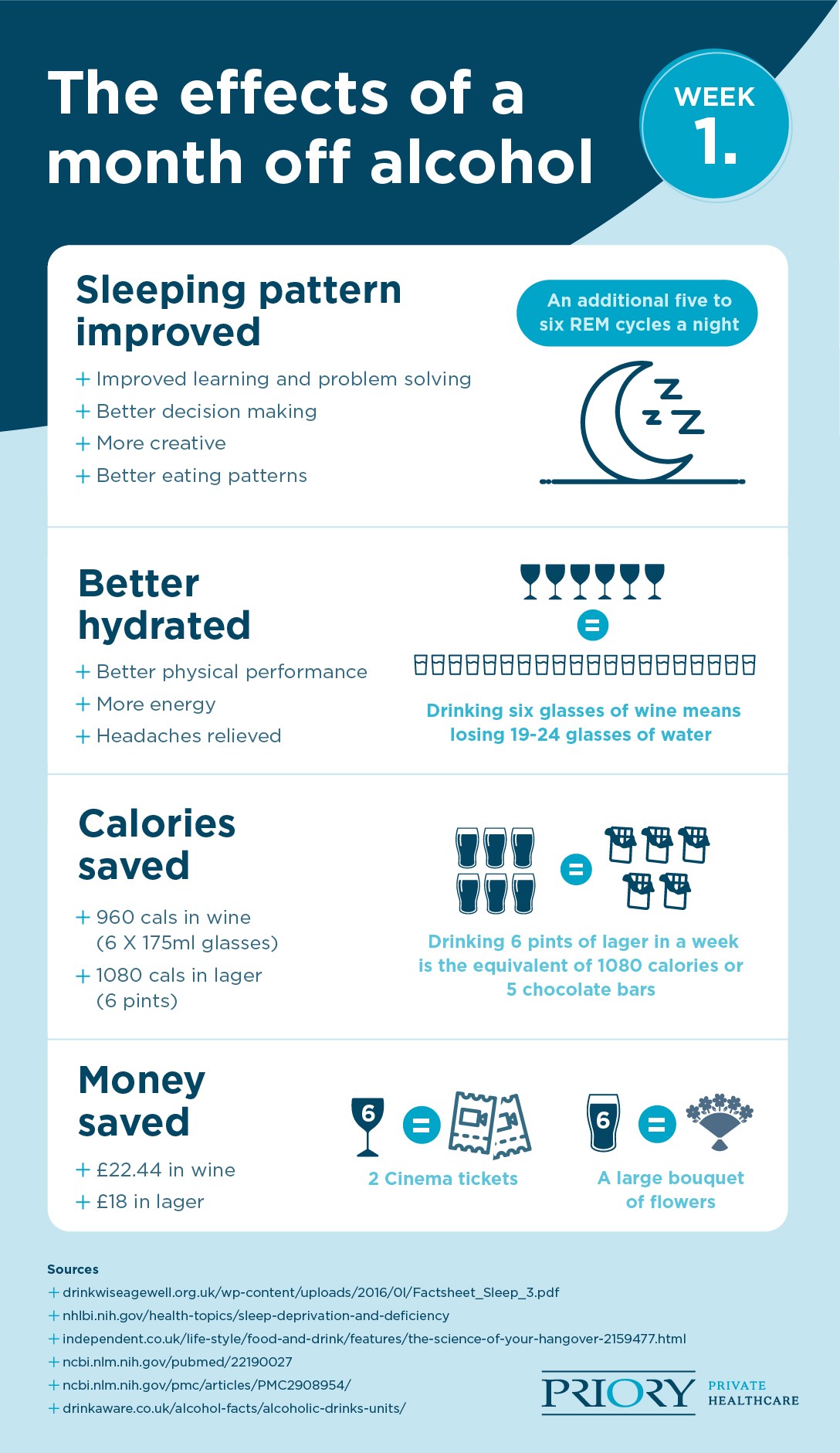
The most obvious savings are found in the direct replacement of alcohol purchases. Whether it is a daily glass of wine, craft beer on weekends, or expensive cocktails at events, these recurring outflows represent a significant percentage of disposable income. By tracking these costs over a 30-day period, most individuals discover a “sober dividend”—a surplus of cash that was previously being liquidated into a consumable product with zero return on investment.
Eliminating the “Convenience Tax”
Drinking often dictates lifestyle choices that carry additional premiums. Sobriety eliminates the reliance on ride-sharing services that become necessary when one cannot drive home from a bar. It removes the impulse spending associated with late-night food deliveries, which are often fueled by impaired decision-making and a lack of preparation for meals. Furthermore, it cuts out the “hangover productivity tax.” When you are incapacitated by the lingering effects of alcohol, you are effectively paying for lost time—missed opportunities for side hustles, lack of focus on professional tasks, and the inability to engage in high-value activities that generate income.
Reallocating Capital Toward Asset Accumulation
Once the “leakage” of alcohol-related spending is plugged, the challenge shifts from cost-cutting to capital allocation. Sobriety provides a unique window of time where your financial habits can be recalibrated. This is the stage where “savings” must be converted into “investments.”
The Power of Compound Interest
If an individual saves $300 per month—a conservative estimate for a moderate drinker—and invests that capital into a low-cost index fund with an average annual return of 7%, the trajectory is staggering. Over ten years, that monthly contribution grows to over $50,000. Over twenty years, it exceeds $150,000. By shifting your mindset from viewing alcohol as a recurring cost to viewing your sobriety as a recurring contribution, you leverage the most powerful force in finance: time.

Investing in Human Capital
Sobriety also facilitates a massive reinvestment in your own skill set. Alcohol consumption is a sedentary, time-intensive habit that frequently stunts professional growth. By reclaiming the hours formerly spent drinking or recovering, you can allocate that time toward professional certifications, specialized workshops, or networking events that have a tangible impact on your earning potential. The return on investment for professional development is almost always higher than any traditional market asset; sobriety provides the clarity and the time budget to pursue these high-growth opportunities.
Navigating the Shift in Social Spending Habits
A common anxiety surrounding sobriety is the fear of social isolation or the loss of status. However, a financial analysis of your social life often reveals that your previous habits were a performance that cost you dearly.
Auditing Your Social ROI
Many social circles are centered around activities where the primary common denominator is alcohol. When you remove alcohol, you are forced to evaluate the “Return on Investment” of these interactions. Are these relationships high-quality, or are they anchored by the environment of the bar? Sobriety allows you to opt out of expensive, low-value social obligations. Instead, you can redirect those funds toward experiences that offer higher intrinsic value—such as travel, physical fitness, or shared activities with friends that don’t involve a tab.
The Professional Networking Evolution
In many corporate cultures, business is conducted over drinks. The fear of missing out on these “after-hours” networking events can be a deterrent to quitting. Yet, successful professionals often find that sobriety actually improves their networking efficacy. Being the most composed, articulate, and present person in the room is a competitive advantage. You no longer have to worry about the reputational risk associated with excess, and you possess the mental sharpness to navigate high-stakes conversations with precision. From a career development perspective, the cost of quitting alcohol is zero, but the potential for promotion and professional advancement is significant.
Building a “Sober Emergency Fund”
Financial stability is built on a foundation of preparedness. Alcohol consumption often masks underlying financial anxiety; when you quit, that anxiety may surface as you face the reality of your debt, savings, or long-term goals. Using your new financial bandwidth to establish a robust emergency fund is the most effective way to secure your newfound lifestyle.
The Psychological Safety of Liquidity
A lack of cash reserves often leads to stress, and stress is a primary trigger for relapse. By prioritizing the creation of a six-month emergency fund, you insulate yourself from the stressors that might otherwise lead you back to old habits. This fund acts as a financial buffer, providing you with the peace of mind to make long-term decisions rather than impulsive ones. When your financial house is in order, the temptation to “numb” yourself with spending or substances decreases, as your life no longer feels like a precarious balancing act.
Automating Wealth Creation
The final stage of financial success in sobriety is automation. Do not rely on willpower to save the money you didn’t spend on alcohol. Set up automatic transfers to your brokerage or high-yield savings accounts that mirror your former spending cycles. If you used to spend $75 every Friday on drinks, schedule an automatic transfer of $75 to an investment account every Friday. By automating the transition of your capital from “consumption” to “investment,” you remove the decision-making process entirely.
Quitting drinking is, at its core, an act of reclaiming your resources. You are reclaiming your time, your health, and your money. By treating your sobriety as a financial strategic move, you transform a difficult personal journey into a launchpad for long-term wealth and professional stability. The capital you reclaim is not just extra cash—it is the seed money for your future freedom. As you move forward, remember that every day you remain sober is a day you are actively funding the life you once thought was out of reach. The numbers do not lie: sobriety is not only a benefit to your body but a catalyst for your bank account.
aViewFromTheCave is a participant in the Amazon Services LLC Associates Program, an affiliate advertising program designed to provide a means for sites to earn advertising fees by advertising and linking to Amazon.com. Amazon, the Amazon logo, AmazonSupply, and the AmazonSupply logo are trademarks of Amazon.com, Inc. or its affiliates. As an Amazon Associate we earn affiliate commissions from qualifying purchases.