
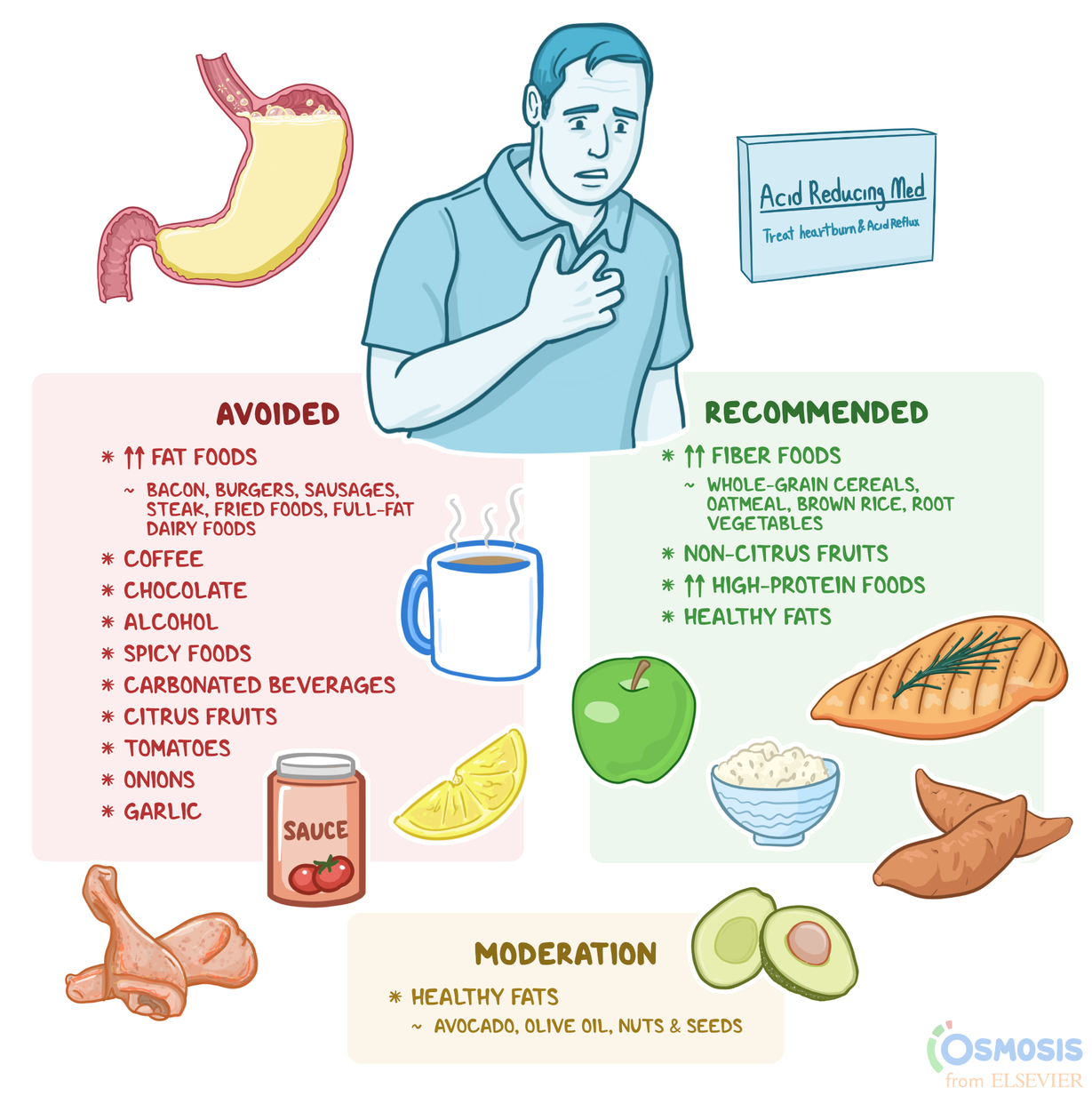
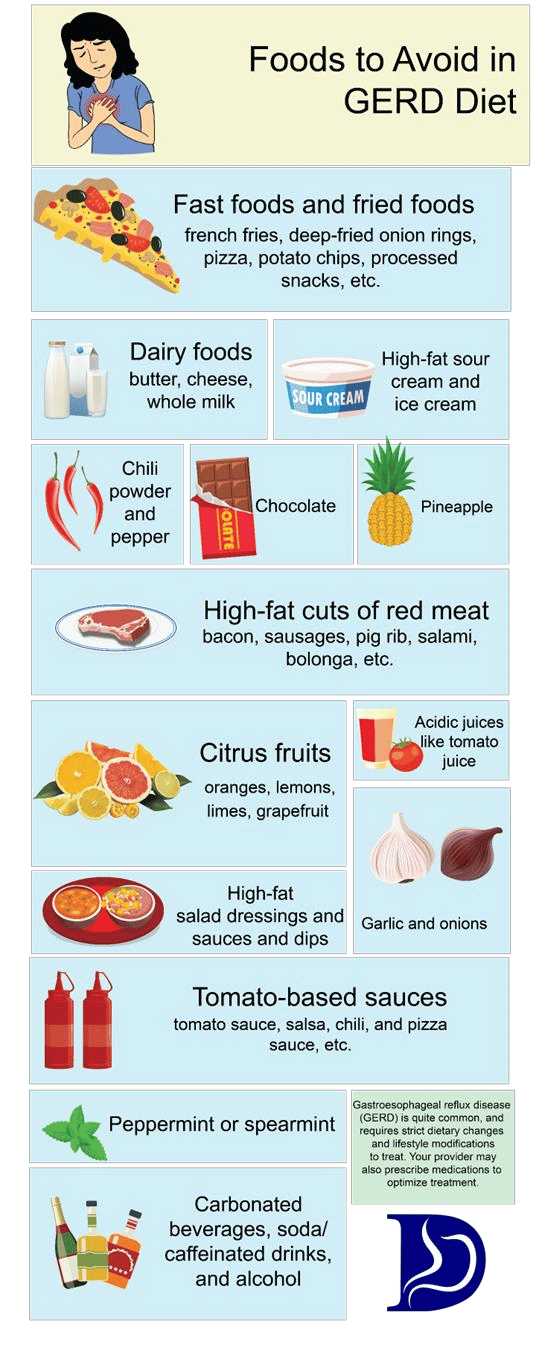
For decades, the standard response to the question “What to eat if I have acid reflux?” was a printed list of “trigger foods” handed out by a gastroenterologist. Patients were told to avoid coffee, chocolate, and citrus, and to embrace a bland diet of boiled chicken and toast. However, in the modern digital era, the intersection of Technology and Health (HealthTech) has transformed this rudimentary approach into a data-driven, highly personalized science.
Today, managing Gastroesophageal Reflux Disease (GERD) or Laryngopharyngeal Reflux (LPR) is no longer about guesswork. It is about leveraging Artificial Intelligence (AI), wearable sensors, and smart kitchen ecosystems to identify exactly which nutrients stabilize your unique microbiome. The shift from “broad advice” to “algorithmic precision” represents a major trend in the tech industry, where software is increasingly becoming the first line of defense against chronic conditions.
AI-Powered Nutritional Precision: Beyond Generic Food Lists
The most significant tech advancement for acid reflux sufferers is the integration of Large Language Models (LLMs) and Machine Learning (ML) in nutritional analysis. Generic food lists often fail because “trigger foods” are subjective; what causes heartburn in one individual might be perfectly safe for another.
Computer Vision and Real-Time Ingredient Analysis
Modern apps are now utilizing computer vision—the same technology behind autonomous vehicles—to analyze meals in real-time. By simply pointing a smartphone camera at a plate of food, AI algorithms can decompose a dish into its constituent macro and micronutrients. For a reflux sufferer, these tools can flag hidden acidic components, such as vinegar in a salad dressing or citric acid in a processed snack, before the first bite is taken. This proactive tech intervention reduces the cognitive load on the user, automating the process of dietary vigilance.
Machine Learning for Pattern Recognition
The true power of AI lies in its ability to find correlations that the human eye misses. Next-generation digestive health platforms allow users to log their meals alongside their symptoms. Over a period of weeks, ML algorithms analyze this data to identify non-obvious triggers. Perhaps it isn’t the coffee itself causing the reflux, but the specific combination of high-fat dairy and caffeine at a certain time of day. By identifying these complex patterns, technology provides a bespoke “safe list” that is far more expansive and enjoyable than the restrictive diets of the past.
Wearable Tech and Biofeedback: Monitoring the Gut-Brain Axis
The technology we wear on our wrists and chests is evolving beyond step counting. For those asking what to eat for acid reflux, the answer often depends on the body’s physiological state at the time of consumption. Wearables are now providing the context necessary to make those dietary decisions.
Stress Monitoring and Gastric Motility
Chronic stress is a known catalyst for acid reflux, as it impacts the Lower Esophageal Sphincter (LES) function. Current wearables use Electrodermal Activity (EDA) sensors and Heart Rate Variability (HRV) tracking to monitor the user’s autonomic nervous system. Tech platforms can now send “Nudge” notifications: “Your stress levels are high; opt for an alkaline-based snack like a banana or almond milk rather than a heavy meal.” This integration of mental health data into dietary management represents a holistic leap in tech-enabled wellness.
Smart Patches and pH Monitoring
While traditional pH monitoring required invasive procedures, the tech industry is moving toward non-invasive or minimally invasive “smart patches.” These experimental wearables aim to monitor skin biomarkers or use micro-sensors to track the acidity levels in the esophagus or stomach. When synced with a smartphone, these devices provide a “reflux score” for different meals, allowing users to see a digital representation of how a specific meal impacted their internal chemistry. This immediate feedback loop is a powerful tool for behavioral change, reinforcing the consumption of “safe” foods through visual data.
The Smart Kitchen Ecosystem: Automating GERD-Friendly Meal Prep
If the “what to eat” question is answered by AI, the “how to prepare it” question is being answered by the Internet of Things (IoT). The smart kitchen is becoming an essential tool for managing chronic digestive issues by removing the friction from healthy cooking.
Connected Appliances and Recipe Integration
Modern smart ovens and air fryers now feature integration with health apps. For instance, a user can select a “Reflux-Safe” meal plan on their phone, and the app will automatically send the precise temperature and timing instructions to the oven. Because high-fat, fried foods are a primary trigger for reflux, the technological advancement of rapid-air circulation (air frying) allows users to enjoy the texture of fried foods with 80% less oil, effectively using tech to “hack” the diet.
Inventory Management and Automatic Replenishment
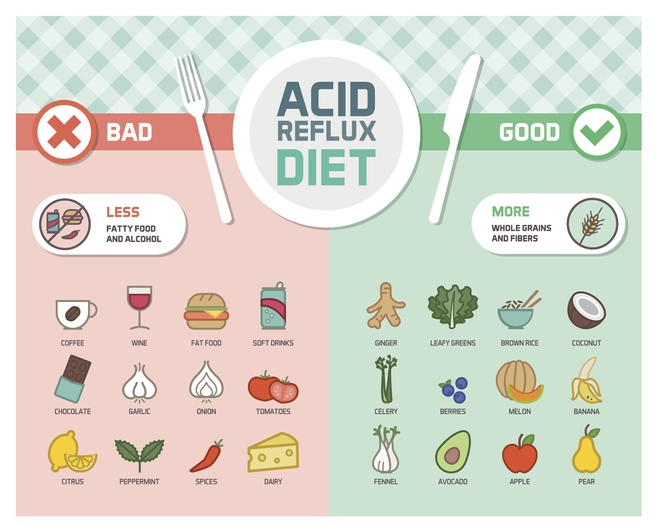
One of the biggest challenges in maintaining a reflux-friendly diet is the “food desert” moment—when the fridge is empty and the only option is greasy takeout. Smart refrigerators equipped with internal cameras and weight sensors can track the inventory of safe staples like ginger, melons, and oatmeal. Through API integrations with grocery delivery services, these systems can automatically reorder reflux-safe foods when supplies run low, ensuring that the user always has the right ingredients on hand to avoid a symptomatic flare-up.
Data-Driven Personalization: The Future of Digestive Health Apps
The app store is saturated with “calorie counters,” but a new niche of “Digestive Health Tech” is emerging. These platforms are moving away from simple logging and toward predictive analytics.
The Role of Microbiome Sequencing
Several startups now offer at-home DNA and microbiome testing kits. Users mail in a sample, and the company provides a comprehensive digital report of their gut bacteria. These tech companies then provide a digital “dietary roadmap” via an app. For someone with acid reflux, this might mean identifying a lack of specific bacteria that help process fats, leading to a recommendation for fermented foods or specific fiber types. This is the pinnacle of “What to Eat”—a diet based on your unique genetic and bacterial blueprint.
Community-Sourced Data and Algorithmic Rankings
Apps like Fig or Monash University Fodmap use massive databases to rank foods based on their acidity and likelihood of causing irritation. The tech trend here is “Crowdsourced Symptom Tracking.” When thousands of users log that a specific brand of oat milk caused zero symptoms, the algorithm promotes that product to other users with similar profiles. This “Search Engine for Food” approach allows reflux sufferers to navigate grocery store aisles with a digital expert in their pocket.
Telehealth and Remote Patient Monitoring (RPM) in Chronic Gastric Care
The final piece of the tech puzzle is how this data is shared with professionals. The rise of Telehealth has changed the frequency and quality of care for those with acid reflux.
Continuous Data Streams vs. Snapshots
In the traditional model, a doctor sees a patient for 15 minutes and asks, “What have you been eating?” The patient, suffering from recall bias, gives an incomplete answer. Remote Patient Monitoring (RPM) changes this. Patients can now share their digital food logs, wearable stress data, and symptom frequency directly with their physician’s dashboard. This allows for “data-driven consultations,” where the doctor can see exactly which tech-logged foods preceded a reflux event.
Digital Therapeutics (DTx)
We are seeing the emergence of “Digital Therapeutics”—software intended to treat a medical condition. For acid reflux, DTx might include app-based Cognitive Behavioral Therapy (CBT) to reduce mealtime anxiety or guided breathing exercises that strengthen the diaphragm and the LES. These are tech interventions that function like a drug but are delivered via a screen.
Conclusion: The Digital Transformation of Digestion
The question of “what to eat if I have acid reflux” is no longer a mystery to be solved by trial and error. Through the lens of modern technology, it is a solvable data problem. By combining AI-driven nutritional analysis, wearable biofeedback, IoT-enabled kitchens, and microbiome sequencing, we are entering an era of “Personalized Gastronomy.”
As these technologies continue to mature and integrate, the burden of managing chronic conditions like GERD will shift from the individual to the ecosystem. The future of health is not just about medicine; it is about the seamless integration of software and hardware into our daily lives, ensuring that every bite we take is optimized for our long-term wellbeing. In this tech-forward landscape, the “reflux-friendly diet” is no longer a restriction—it is a high-tech strategy for peak performance.
aViewFromTheCave is a participant in the Amazon Services LLC Associates Program, an affiliate advertising program designed to provide a means for sites to earn advertising fees by advertising and linking to Amazon.com. Amazon, the Amazon logo, AmazonSupply, and the AmazonSupply logo are trademarks of Amazon.com, Inc. or its affiliates. As an Amazon Associate we earn affiliate commissions from qualifying purchases.