
In the current economic climate, the search for high-margin, low-overhead business opportunities has led many entrepreneurs and investors back to the basics. Tallow—rendered animal fat, primarily from cattle—is experiencing a significant financial renaissance. Once relegated to the category of industrial waste or niche culinary use, tallow is now the centerpiece of a multi-billion dollar “ancestral” market that spans luxury skincare, high-performance nutrition, and renewable energy. For the savvy individual looking to diversify their income streams or invest in tangible commodities, understanding what to do with tallow is no longer a question of waste management, but a question of wealth management.
The Financial Landscape of Rendered Fats: Understanding the Tallow Arbitrage
The core appeal of tallow from a financial perspective lies in the concept of arbitrage: the ability to source a raw material at a low cost—or even a negative cost—and transform it into a high-demand consumer good. Historically, small-scale butchers and local processors viewed the suet (raw kidney fat) of the animal as a byproduct that incurred disposal fees. For a modern entrepreneur, this creates a significant opportunity for high-yield processing.
Commodity Pricing and Raw Material Sourcing
The price of tallow fluctuates based on its grade. At the industrial level, “Bleachable Fancy Tallow” (BFT) is a tracked commodity used in soap making and biofuels. However, the real profit potential for independent operators lies in “Grass-Fed/Finished” tallow. The market premium for grass-fed products is substantial; while industrial tallow might trade by the ton, artisanal grass-fed tallow can retail for $2.00 to $4.00 per ounce when purified.
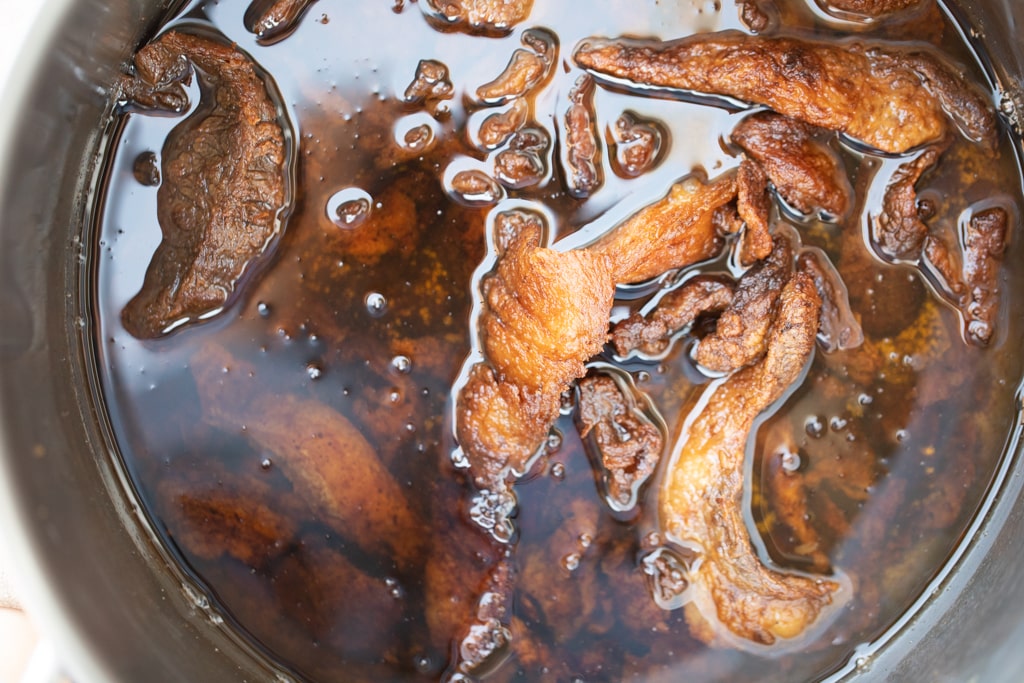
To maximize ROI, the sourcing strategy must be localized. Establishing direct contracts with regenerative farms or local abattoirs allows for the acquisition of suet at prices significantly below wholesale market rates. By internalizing the rendering process—the thermal extraction of fat from the protein matrix—the business captures the entire value chain from raw byproduct to shelf-ready commodity.
The Profit Margin of Value-Added Goods
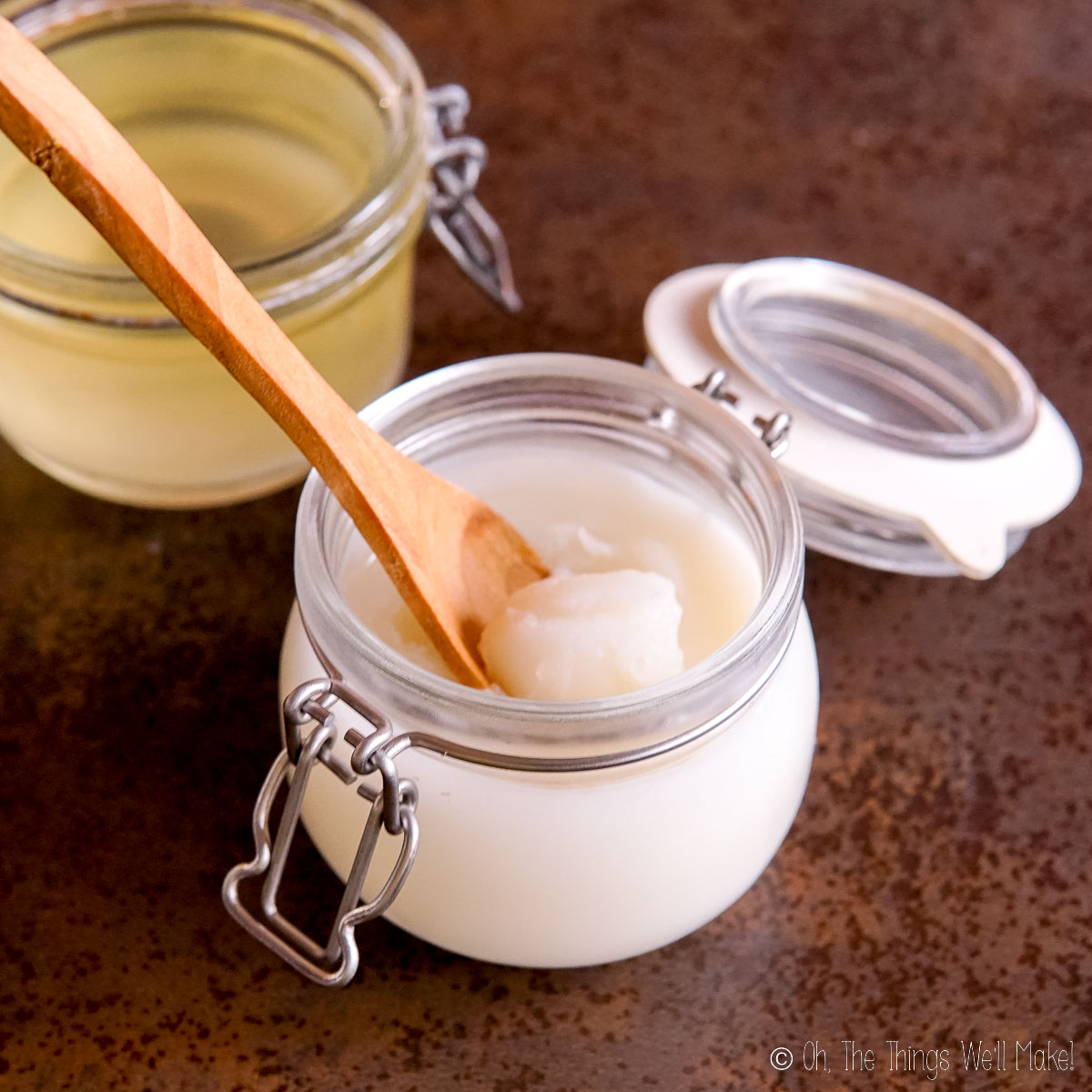
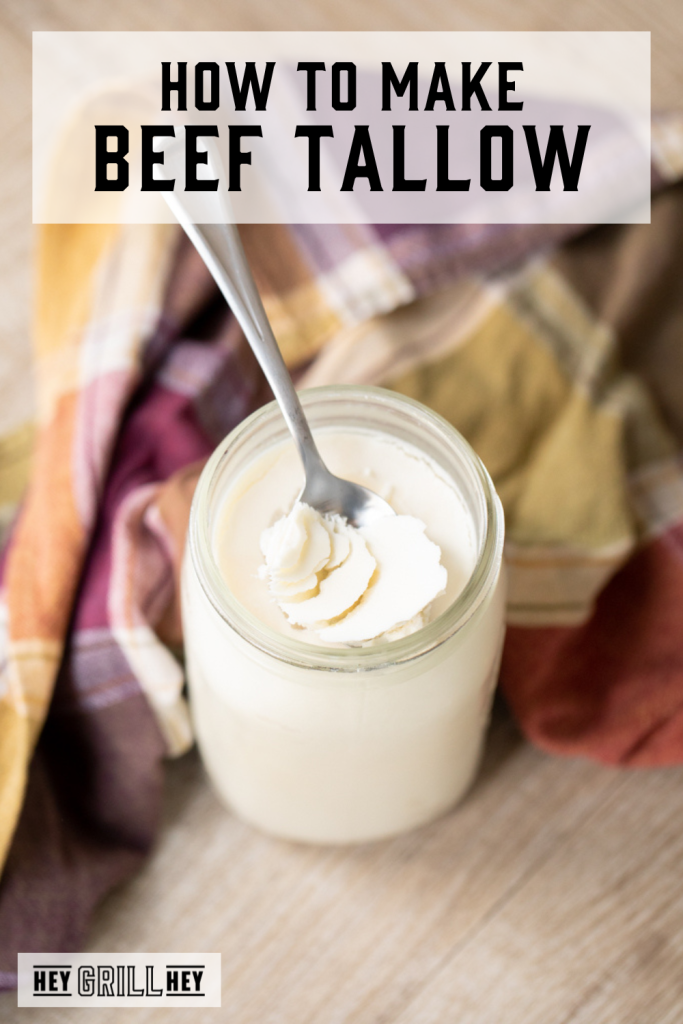
The “Money” in tallow is found in its versatility. Pure tallow is a stable asset with a long shelf life, making it an ideal inventory item. When considering what to do with tallow, one must look at the conversion ratios. A single pound of raw suet, purchased for approximately $1.00 to $3.00, can yield roughly 12 to 14 ounces of purified tallow. When processed into a whipped “Ancestral Balm” or a high-end moisturizer, those 14 ounces can be partitioned into four-ounce jars retailing for $35 to $50 each. This represents a gross margin often exceeding 800%, even after accounting for packaging and secondary ingredients like essential oils.
Launching a Tallow-Based Business: A Step-by-Step Financial Model
Transitioning from a hobbyist to a professional tallow processor requires a disciplined approach to financial modeling. The most successful ventures in this space focus on the “Clean Label” movement, leveraging the consumer’s willingness to pay a premium for chemical-free, nutrient-dense products.
Product Development and Cost of Goods Sold (COGS)
When building a tallow-based side hustle or full-scale brand, the Cost of Goods Sold (COGS) must be meticulously calculated. Beyond the tallow itself, your financial model should include:
- Purification Costs: The energy and labor required for the “wet rendering” or “dry rendering” process.
- Packaging: Glass jars are preferred for high-end positioning, which increases shipping weight and breakage risk, factors that must be priced into the final retail cost.
- Marketing and Acquisition: The cost to acquire a customer in the competitive “natural beauty” or “keto/carnivore” niches.
By focusing on “Tallow Balm” as a flagship product, a business can achieve a fast cash-flow cycle. Unlike aged soaps which require a six-week cure time (locking up capital in inventory), tallow balms are ready for sale as soon as they reach room temperature. This high inventory turnover rate is a critical metric for small business liquidity.
Scaling via E-commerce and Niche Marketplaces
The digital economy has made it easier to target the specific demographic interested in tallow. Platforms like Etsy, Shopify, and specialized health marketplaces allow for direct-to-consumer (DTC) sales, bypassing the thin margins associated with traditional retail distribution.
To scale effectively, an entrepreneur should focus on subscription models. Tallow skincare is a consumable product; by offering a “Subscribe and Save” option, a business can build a predictable Monthly Recurring Revenue (MRR), which significantly increases the valuation of the company should the founder choose to seek an exit or outside investment.
Industrial Applications and Institutional Investment Opportunities
Beyond the artisanal market, tallow represents a growing sector for institutional investors and those interested in the “Green Energy” transition. As the world moves away from petroleum-based products, the demand for biological feedstocks has surged.
Tallow as a Feedstock for Renewable Diesel
One of the most significant shifts in the tallow market is its role in the production of Renewable Diesel and Sustainable Aviation Fuel (SAF). Unlike traditional biodiesel, which is blended with petroleum, renewable diesel is a “drop-in” fuel that is chemically identical to its fossil-fuel counterpart.
Tallow is a preferred feedstock because it has a low carbon intensity (CI) score. For investors, this means looking at companies in the rendering industry (such as Darling Ingredients) or energy firms that are retrofitting refineries to process animal fats. The financial tailwinds provided by government subsidies for low-carbon fuels make tallow a strategic asset in the renewable energy portfolio.
Analyzing the Global Export Market
Tallow is a global commodity with significant trade flows between the Americas, Oceania, and Asia. China and Brazil are major players in the consumption and production of tallow for both oleochemicals (soaps and detergents) and animal feed. For traders, the spread between regional prices offers opportunities for profit.
In the United States, the export of edible-grade tallow is a regulated but lucrative market. As global food prices rise, the caloric density of tallow makes it an essential component of the global food security infrastructure. Diversifying an investment portfolio to include exposure to agricultural byproducts like tallow can serve as a hedge against inflation and traditional equity market volatility.
Risk Management and Long-Term Viability in the Bio-Asset Sector
Every investment carries risk, and the tallow market is no exception. To maintain long-term profitability, one must navigate regulatory landscapes and shifting consumer sentiments.
Regulatory Compliance and Certification Costs
For those entering the cosmetic or food-grade tallow space, compliance with the FDA (in the US) or the EFSA (in Europe) is non-negotiable. While tallow is generally recognized as safe, the “grass-fed” or “organic” claims require rigorous documentation. Investing in third-party certifications can be expensive—often costing several thousand dollars—but it serves as a “moat” for the business. These certifications justify a higher price point and protect the brand from competitors who may be cutting corners with lower-quality “grain-fed” fats.
Furthermore, the risk of “Bovine Spongiform Encephalopathy” (BSE) regulations must be factored in, especially for international trade. Ensuring that all tallow is sourced from certified BSE-free herds is a fundamental requirement for maintaining the asset’s value in the global market.
Market Volatility and Synthetic Alternatives
The primary financial threat to the tallow industry is the development of lab-grown or synthetic fats. While these technologies are currently in their infancy and have high production costs, they could eventually challenge tallow’s price dominance in the industrial sector.
However, the “Money” in tallow is currently protected by the “Lindy Effect”—the idea that the longer something has been used, the longer it is likely to persist. Tallow has been a cornerstone of human commerce for millennia. In the artisanal market, the “natural” and “traditional” branding acts as a safeguard against synthetic competitors. Consumers in this niche are explicitly looking for “real” products, not lab-grown alternatives.
In conclusion, when evaluating what to do with tallow, the answer lies in its multi-faceted financial utility. Whether it is exploited as a high-margin artisanal skincare base, a recurring revenue stream in the health food sector, or a strategic feedstock for the next generation of renewable fuels, tallow remains one of the most undervalued assets in the modern economy. By applying professional business strategies—meticulous COGS analysis, localized sourcing, and strategic brand positioning—the “waste” of yesterday becomes the significant profit of tomorrow.
aViewFromTheCave is a participant in the Amazon Services LLC Associates Program, an affiliate advertising program designed to provide a means for sites to earn advertising fees by advertising and linking to Amazon.com. Amazon, the Amazon logo, AmazonSupply, and the AmazonSupply logo are trademarks of Amazon.com, Inc. or its affiliates. As an Amazon Associate we earn affiliate commissions from qualifying purchases.