
Making money is a multifaceted endeavor, requiring a blend of strategic planning, active effort, and shrewd financial management. It’s not merely about earning a paycheck but about cultivating a comprehensive approach that encompasses income generation, intelligent saving, and wise investment. Understanding the various pathways and developing a disciplined mindset are crucial first steps toward building financial security and wealth.
Laying the Financial Foundation: Mindset and Planning
Before embarking on any specific income-generating activity, establishing a robust financial foundation is paramount. This involves cultivating the right mindset and implementing effective planning strategies that will serve as the bedrock for all your financial pursuits.

Shifting Your Financial Mindset
The way you think about money profoundly impacts your ability to earn and manage it. A scarcity mindset, characterized by fear and lack, can hinder opportunities, while an abundance mindset, focused on growth and possibility, can open doors. Cultivate a proactive and positive perspective. Recognize that money is a tool, not an end in itself, and that financial literacy is an ongoing journey. Embrace learning, be open to new ideas, and understand that setbacks are part of the process of growth. Overcoming limiting beliefs about wealth and personal earning potential is a critical precursor to sustained financial success. This shift involves viewing challenges as opportunities, understanding the value you bring to the market, and believing in your capacity to adapt and innovate.
The Power of Budgeting and Tracking
Budgeting is not about restriction; it’s about control and clarity. A well-constructed budget provides a clear roadmap of your income and expenses, allowing you to identify where your money goes and where adjustments can be made. Start by tracking every dollar in and out for at least a month. Use spreadsheets, budgeting apps, or even a simple notebook. Categorize your expenses into fixed (rent, loan payments) and variable (groceries, entertainment). Once you have a clear picture, you can allocate funds intentionally. The goal is to ensure your expenses do not exceed your income and, ideally, that you consistently have a surplus to save and invest. This proactive management prevents financial stress and directs resources towards your money-making goals. Regular review of your budget – monthly or quarterly – ensures it remains relevant to your evolving financial situation and goals, allowing for necessary recalibrations.
Setting Clear Financial Goals
Ambiguous goals yield ambiguous results. To effectively make money, you need specific, measurable, achievable, relevant, and time-bound (SMART) financial goals. Do you want to save for a down payment, pay off debt, build an emergency fund, or invest for retirement? Quantify these goals. Instead of “I want to save money,” say “I will save $10,000 for an emergency fund within 12 months.” Break larger goals into smaller, manageable milestones. This provides direction, motivates consistent action, and allows you to track progress, celebrating achievements along the way. Your financial goals should align with your broader life aspirations, creating a powerful incentive to earn and manage money effectively. Regularly revisiting and refining these goals helps maintain focus and ensures your efforts are always aligned with your ultimate financial vision.
Actively Generating Income: Diverse Avenues
With a solid financial foundation in place, the next step involves actively generating income through various channels. This isn’t limited to a traditional 9-to-5 job; it encompasses a broad spectrum of opportunities, from enhancing your current employment to leveraging the digital landscape.
Enhancing Your Primary Income Stream
For many, their primary job is the most significant source of income. Maximizing this stream is often the most straightforward path to increasing earnings. This can involve seeking promotions, negotiating salary increases, or acquiring new skills that make you more valuable to your employer. Invest in professional development, whether through online courses, certifications, or workshops, to stay competitive and relevant in your field. Proactively demonstrating initiative, solving problems, and taking on leadership roles can also position you for higher compensation. If your current role or industry has limited growth potential, consider a strategic career move to a sector with higher earning potential or where your skills are more in demand. Continuously assessing your market value and advocating for fair compensation is a critical part of increasing your primary income.
Exploring the Gig Economy and Freelancing
The rise of the gig economy has democratized income generation, offering flexible opportunities to leverage existing skills or develop new ones. Platforms like Upwork, Fiverr, and Freelancer connect individuals with clients seeking services in writing, design, programming, virtual assistance, and more. Consider driving for ride-sharing apps, delivering food, or offering specialized consulting. For those with unique talents, selling handmade goods on Etsy or teaching online courses can also be lucrative. The key here is to identify a skill you possess (or can quickly acquire) that is in demand and then market it effectively. Freelancing offers autonomy and the potential to set your own rates, providing an excellent way to supplement your primary income or even become your main source of earnings. Building a strong portfolio and positive client testimonials is crucial for sustained success in this space.
Building an Online Business
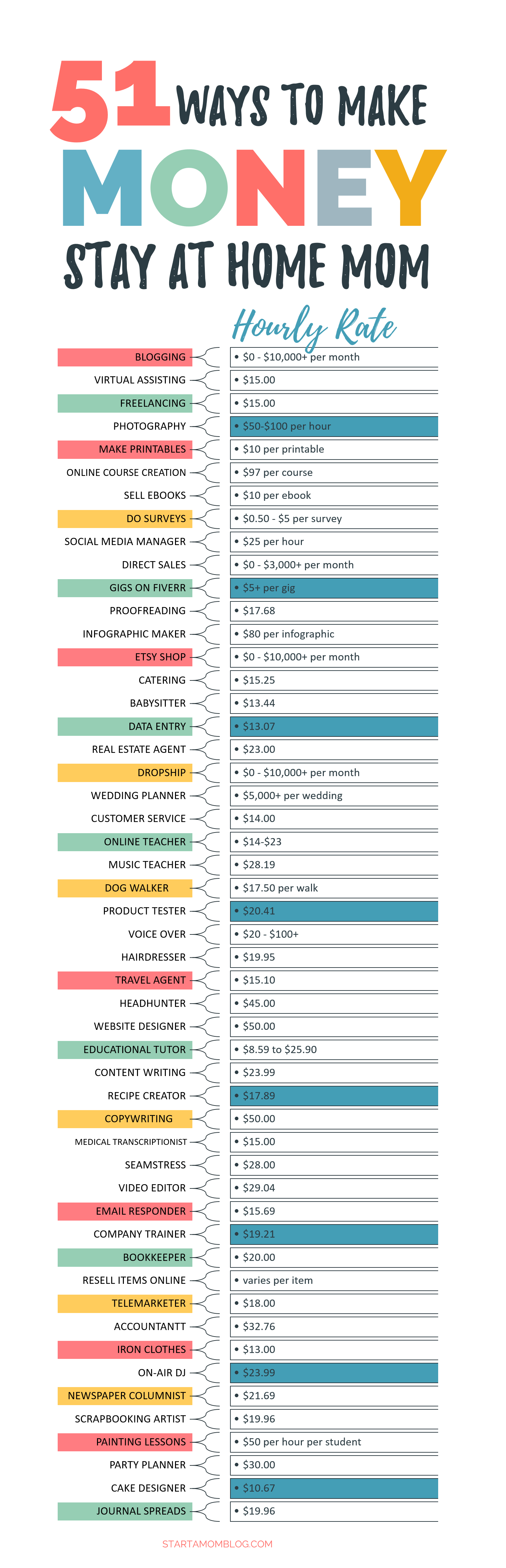
The internet presents unparalleled opportunities for entrepreneurship, often with lower startup costs than traditional brick-and-mortar businesses. Consider launching an e-commerce store (using platforms like Shopify or WooCommerce) selling physical products, or create and sell digital products such as e-books, online courses, or software. Affiliate marketing, where you earn commissions by promoting other companies’ products, is another viable option, as is creating content (blogs, YouTube channels, podcasts) that can be monetized through advertising, sponsorships, or direct sales. The success of an online business hinges on identifying a niche, understanding your target audience, and consistently providing value. While it requires dedication and patience, an online business can offer significant scalability and passive income potential over time. Strategic use of digital marketing, including SEO, social media, and email campaigns, is vital for reaching your audience and driving sales.
Making Your Money Work for You: Investing and Growth
Generating income is only half the battle; the other half is making that money work for you. Investing allows your capital to grow over time, harnessing the power of compounding to build wealth far beyond what active income alone can achieve.
Understanding Basic Investment Principles
Before diving into specific investments, grasp fundamental principles. The concept of compound interest—earning returns on your initial investment and on the accumulated interest—is the cornerstone of long-term wealth building. Understand the relationship between risk and return: generally, higher potential returns come with higher risk. Diversification, spreading your investments across various asset classes (stocks, bonds, real estate, etc.) and industries, is crucial to mitigate risk. Start with a clear investment strategy aligned with your financial goals, risk tolerance, and time horizon. Educate yourself through reputable financial resources, books, and courses before making any significant investment decisions.
Diversifying Your Investment Portfolio
A well-diversified portfolio is your shield against market volatility. Instead of putting all your eggs in one basket, allocate your capital across different types of investments.
- Stocks: Represent ownership in companies and offer potential for significant growth, but also carry higher risk.
- Bonds: Loans to governments or corporations, generally less risky than stocks and provide fixed income.
- Real Estate: Can provide rental income and appreciation, either through direct ownership or Real Estate Investment Trusts (REITs).
- Mutual Funds and ETFs (Exchange-Traded Funds): Offer instant diversification by pooling money from multiple investors to invest in a basket of stocks, bonds, or other assets. These are often excellent starting points for new investors due to their inherent diversification and professional management.
- Alternative Investments: Commodities, cryptocurrencies, or private equity, though often higher risk and require more specialized knowledge.
The appropriate mix depends on your individual circumstances, but the principle remains: spread your risk to stabilize returns over the long term.
Leveraging Financial Tools for Growth
Modern financial technology provides powerful tools to simplify and optimize your investment journey.
- Robo-Advisors: Automated, algorithm-driven financial advisors (e.g., Betterment, Schwab Intelligent Portfolios) that build and manage diversified portfolios based on your goals and risk tolerance, often at lower fees than traditional human advisors. They are ideal for beginners.
- Online Brokerages: Platforms like Fidelity, Vanguard, Charles Schwab, or Robinhood allow you to buy and sell stocks, ETFs, mutual funds, and other securities. Many offer extensive research tools and educational resources.
- Budgeting and Tracking Apps: While primarily for personal finance, many investment platforms integrate with these tools to provide a holistic view of your financial health, helping you identify more capital for investment.
- Retirement Accounts: Maximize tax-advantaged accounts like 401(k)s, IRAs (Roth or Traditional), and HSAs. These vehicles offer significant tax benefits that accelerate wealth accumulation for retirement.
Using these tools effectively can automate your saving and investing, reduce fees, and ensure your money is consistently working towards your financial goals.
Strategic Wealth Building: Beyond the Basics
True wealth building extends beyond simply earning and investing; it involves strategic financial management, continuous learning, and adapting to economic landscapes. This comprehensive approach ensures long-term financial resilience and prosperity.
Debt Management for Financial Freedom
High-interest debt, such as credit card balances or personal loans, acts as a significant drag on wealth accumulation. Every dollar spent on interest is a dollar that cannot be invested or saved. Prioritize paying off high-interest debt aggressively. Strategies like the “debt snowball” (paying off smallest debts first for motivational wins) or the “debt avalanche” (paying off highest-interest debts first to minimize total interest paid) can be highly effective. Once high-interest debt is eliminated, maintain a disciplined approach to borrowing, distinguishing between good debt (e.g., a mortgage that appreciates, student loans for career advancement) and bad debt (consumer debt for depreciating assets). Achieving debt freedom frees up substantial cash flow, accelerating your ability to save, invest, and make money.
Passive Income Streams
While active income requires your direct labor, passive income works for you, generating earnings with minimal ongoing effort after the initial setup. This is a powerful component of long-term wealth. Examples include:
- Rental Properties: Income from tenants after property acquisition and management.
- Dividend Stocks/ETFs: Regular payments from companies or funds to shareholders.
- Peer-to-Peer Lending: Earning interest by lending money to individuals or businesses through platforms.
- Royalties: From creative works (books, music, patents) or licensing intellectual property.
- Automated Online Businesses: Such as digital products or affiliate marketing websites that require initial setup but can run with minimal intervention.
Developing passive income streams provides financial stability, reduces reliance on a single income source, and offers greater flexibility in how you spend your time. It’s a key strategy for building lasting wealth and achieving financial independence.

Continuous Learning and Adaptation
The financial landscape is constantly evolving, with new technologies, market trends, and economic shifts. To consistently make money and grow your wealth, you must commit to continuous learning. Stay informed about personal finance best practices, investment strategies, and emerging income opportunities. Read financial news, follow reputable financial advisors, listen to podcasts, and take relevant courses. Be willing to adapt your strategies as circumstances change. A flexible and informed approach ensures you can capitalize on new opportunities and navigate challenges effectively, securing your financial future in an ever-changing world. The most successful individuals are those who view their financial journey as an ongoing process of education and refinement.
aViewFromTheCave is a participant in the Amazon Services LLC Associates Program, an affiliate advertising program designed to provide a means for sites to earn advertising fees by advertising and linking to Amazon.com. Amazon, the Amazon logo, AmazonSupply, and the AmazonSupply logo are trademarks of Amazon.com, Inc. or its affiliates. As an Amazon Associate we earn affiliate commissions from qualifying purchases.