
Achieving financial security and building significant wealth is rarely the result of a single lucky event. Instead, it is the cumulative outcome of specific behaviors, strategic planning, and a disciplined mindset. To “have money” in a meaningful sense—meaning the transition from living paycheck to paycheck to possessing true financial independence—one must master three distinct phases: the accumulation of income, the optimization of expenses, and the strategic deployment of capital.
This guide provides a blueprint for navigating these phases, moving beyond basic advice to explore the structural changes required to build a robust financial foundation.
Foundations of Wealth: Shifting from Consumption to Accumulation
The most fundamental shift required to have money is psychological. Most individuals view money as a tool for consumption—a means to purchase goods, services, and status. However, those who successfully build wealth view money as a tool for production. Every dollar is seen as a “worker” that can be deployed to earn more dollars.
Understanding the Net Worth Equation
At its core, wealth is a simple math problem: Net Worth = (Income + Asset Appreciation) – (Expenses + Liabilities). To increase the left side of the equation, you must either increase your income, increase the value of what you own, or decrease what flows out to expenses and debt. Many people focus solely on the income aspect, but without managing the “leakage” of expenses, even a high income will not result in having money in the long term.
The Power of Delayed Gratification
The primary barrier to wealth is the desire for immediate gratification. Society rewards visible consumption, yet wealth is often what you do not see—the cars not bought, the designer clothes left on the rack, and the expensive dinners traded for home-cooked meals. Choosing to defer a purchase today so that the capital can be invested for tomorrow is the cornerstone of financial growth.
Increasing Your Earning Potential through Skill Acquisition
While saving is essential, there is a floor to how much you can cut from a budget. Conversely, there is no theoretical ceiling to how much you can earn. To have more money, you must increase your value to the marketplace.
Developing High-Income Skills
High-income skills are specialized abilities that the market values at a high dollar-per-hour rate. These typically involve complex problem-solving, technical expertise, or the ability to generate revenue for a business. Examples include software development, data analysis, specialized sales, digital marketing, and financial management. By dedicating time to mastering a high-demand niche, you insulate yourself from economic downturns and create a higher baseline for your accumulation phase.
Leveraging the Digital Economy and Side Hustles
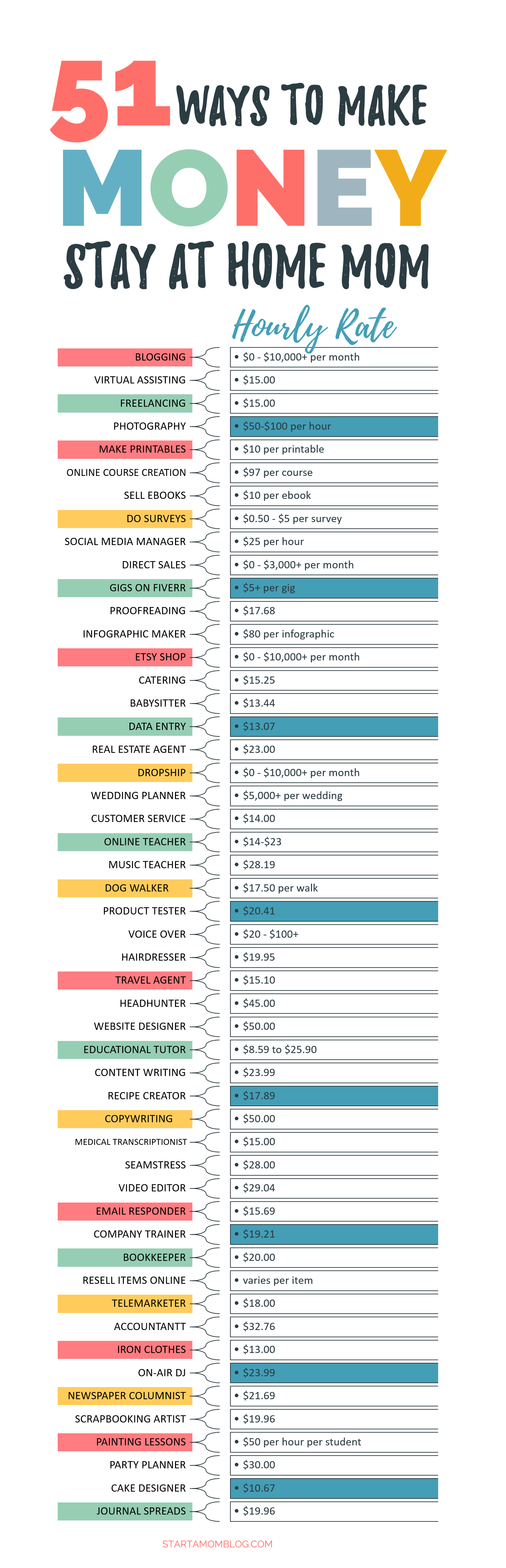
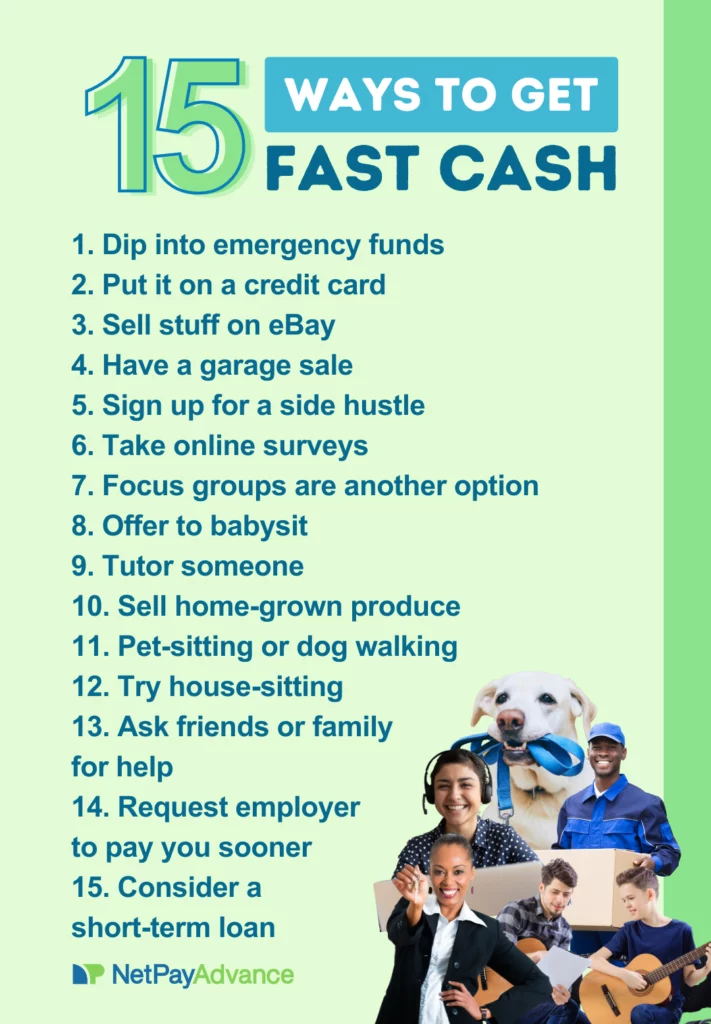
In the modern era, the barriers to entry for starting a secondary income stream have never been lower. To have more money, one should look beyond a single employer. Diversifying income through “side hustles” or micro-businesses provides both a safety net and additional capital to fuel investments. Whether it is consulting in your field of expertise, creating digital products, or participating in the creator economy, these secondary streams allow you to experiment with scalability without the risk of leaving a full-time role.
The Importance of Career Positioning
Often, the fastest way to increase income is not by working harder, but by positioning yourself more strategically within an industry. This involves networking, seeking mentorship, and being willing to pivot to higher-growth sectors. Staying in a stagnant industry or a role with no upward mobility is a hidden cost that prevents long-term wealth accumulation.
Financial Architecture: Mastering Budgeting and Debt
Having a high income is meaningless if your “burn rate” matches your earnings. To keep the money you earn, you must build a disciplined financial architecture.
Implementing the “Pay Yourself First” Strategy
The traditional way people save is to earn money, pay bills, spend on lifestyle, and save whatever is left. Usually, nothing is left. The “Pay Yourself First” model flips this. As soon as income arrives, a predetermined percentage is immediately moved to savings or investment accounts. By automating this process, you force your lifestyle to adapt to the remaining balance, ensuring that wealth accumulation happens by default rather than by willpower.
The 50/30/20 Rule of Thumb
For those seeking a structured framework, the 50/30/20 rule is an effective starting point. It suggests allocating 50% of your income to needs (housing, utilities, groceries), 30% to wants (entertainment, dining out), and 20% to savings and debt repayment. To accelerate wealth building, many strive to flip the “wants” and “savings” categories, aiming for a 30% or higher savings rate.
Eliminating High-Interest Liabilities
Debt is the ultimate enemy of wealth. High-interest debt, such as credit card balances, often carries interest rates that far exceed the returns of the stock market. Paying off a credit card with a 20% interest rate is functionally equivalent to getting a guaranteed 20% return on your money. Priority should be given to the “debt avalanche” method (paying off the highest interest rates first) or the “debt snowball” method (paying off the smallest balances first to gain psychological momentum) to clear the path for investing.
Strategic Asset Allocation and the Power of Compounding
Once you have created a surplus of capital, the goal shifts from “working for money” to “making money work for you.” This is where true wealth is generated through the power of compounding and asset appreciation.
Understanding Compound Interest
Compound interest has been famously called the eighth wonder of the world. It is the process where the interest you earn on your money begins to earn interest on itself. Over long horizons—10, 20, or 30 years—this effect becomes exponential. The key to leveraging compounding is time; the earlier you start investing, even with small amounts, the more dramatic the end result will be.
Diversification through Index Funds and ETFs
For the majority of people, the most effective way to have money in the long term is through broad-based index funds or Exchange-Traded Funds (ETFs). These financial instruments allow you to own a small piece of hundreds or thousands of companies simultaneously. This diversification mitigates the risk of any single company failing and allows you to capture the historical upward trajectory of the overall market.
Real Estate as a Wealth Multiplier
Real estate offers a different path to wealth through leverage, cash flow, and tax advantages. By using a mortgage, you can control a large asset with a relatively small down payment. If the property appreciates or generates rental income that exceeds the mortgage and maintenance costs, you build equity and monthly cash flow. Real estate provides a tangible hedge against inflation, as property values and rents typically rise alongside the cost of living.
Sustaining Wealth: Resilience and Long-Term Protection
Building wealth is one challenge; keeping it is another. To ensure you continue to have money throughout your life, you must protect your assets from taxes, inflation, and unforeseen risks.
Maximizing Tax Efficiency
Taxation is often the largest single expense a person will face over their lifetime. To have more money, you must understand how to minimize this burden legally. Utilizing tax-advantaged accounts—such as 401(k)s, IRAs, or Health Savings Accounts (HSAs)—allows your investments to grow tax-free or tax-deferred. Understanding the difference between capital gains and ordinary income can also significantly impact your take-home returns.
The Role of an Emergency Fund
Financial volatility is a certainty. Job losses, medical emergencies, or urgent home repairs can force an individual to liquidate investments at the wrong time, locking in losses. An emergency fund—typically three to six months of living expenses held in a liquid, high-yield savings account—acts as a buffer. This “sleep-well-at-night” fund ensures that your long-term wealth strategy remains uninterrupted during short-term crises.

Continual Education and Mindset Maintenance
The landscape of finance is constantly evolving. To have money, one must remain a student of the economy. This doesn’t mean chasing every new trend or “get-rich-quick” scheme, but rather understanding the fundamentals of inflation, interest rates, and geopolitical shifts.
Ultimately, having money is the result of a lifestyle characterized by intentionality. It is about making conscious choices today that provide for an expansive and secure tomorrow. By focusing on increasing your value, managing your flow of capital, and investing with a long-term perspective, you move beyond the pursuit of money and into the realm of true financial freedom.
aViewFromTheCave is a participant in the Amazon Services LLC Associates Program, an affiliate advertising program designed to provide a means for sites to earn advertising fees by advertising and linking to Amazon.com. Amazon, the Amazon logo, AmazonSupply, and the AmazonSupply logo are trademarks of Amazon.com, Inc. or its affiliates. As an Amazon Associate we earn affiliate commissions from qualifying purchases.