
Madeline Island, the largest of the Apostle Islands in Lake Superior, represents more than just a scenic retreat for Midwestern vacationers. For the astute investor and the wealth-conscious professional, it serves as a unique case study in scarcity-driven real estate, seasonal economic cycles, and the emerging “climate refuge” investment strategy. Navigating the financial landscape of this 14-mile-long island requires a departure from traditional mainland logic. To understand what to do on Madeline Island from a financial and business perspective, one must look past the shorelines and into the logistics of the ferry-dependent economy, the high-yield potential of short-term rentals, and the strategic acquisition of limited-supply land.
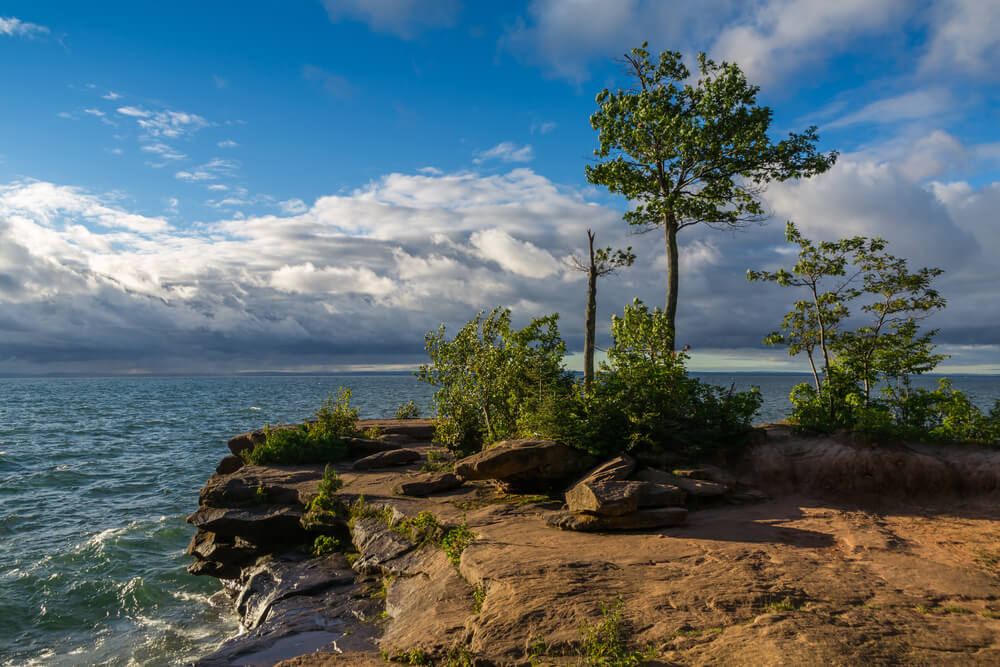
The Real Estate Landscape: Capitalizing on Scarcity and High-Yield Rentals
The primary financial driver on Madeline Island is its real estate market, which operates under a set of constraints that naturally inflate value over the long term. Unlike mainland developments, the island has a fixed perimeter and significant portions of land dedicated to state parks and environmental conservation. This creates a “moat” for investors—literally and figuratively.
Short-Term Rental Dynamics and ROI
For those looking to generate immediate cash flow, the short-term rental (STR) market is the island’s most lucrative sector. Because the island’s hotel capacity is limited, the vast majority of tourists rely on private home rentals. High-season rates—typically spanning from late June through Labor Day—can command a premium that rivals coastal markets in the Hamptons or the Pacific Northwest.
Investors focusing on STRs should prioritize properties with “Apostle Island views” or direct lake access. However, the true “pro tip” for maximizing ROI is the winterization of properties. While the island sees a massive influx of cash in the summer, there is a growing market for “silent sports” enthusiasts and remote workers during the winter months. A property equipped for year-round occupancy significantly reduces the carrying costs by capturing off-season revenue that many uninsulated “cabins” miss.
Long-Term Land Appreciation and Heritage Wealth
For the wealth-preservationist, Madeline Island offers a unique opportunity for land banking. Historically, the Apostle Islands region has shown resilient growth, insulated from the volatile swings of urban markets. Land on the island is a finite asset. As urban centers in the Midwest face increasing heat and density, “cool-climate” real estate is being identified by analysts as a long-term hedge against climate-related devaluation in the Southern and Western United States. Purchasing acreage on the northern, less-developed end of the island is less about immediate cash flow and more about a 20-to-30-year appreciation play within a “climate-resilient” portfolio.
Navigating the Seasonal Economy: Business Opportunities and Logistics
Operating a business on an island presents a unique set of financial hurdles and high-reward opportunities. The Madeline Island economy is defined by the “Ferry Factor.” Every piece of lumber, every gallon of milk, and every visitor must arrive via the Madeline Island Ferry Line. For the entrepreneur, this creates a high barrier to entry, which effectively eliminates casual competition.
Service Industry Gaps and Trade Premiums
One of the most profitable “to-do” items for an entrepreneur on Madeline Island is identifying service gaps. Because the cost of transporting labor and equipment from the mainland (Bayfield or Washburn) is high, local tradespeople command a significant premium. There is a persistent demand for specialized property management, marine services, and high-end construction.
Investors looking to diversify might consider the “pick and shovel” strategy: rather than competing for the tourist dollar directly, provide the services that the homeowners and tourists require. Developing a localized service business that handles winterizations, dock maintenance, or high-end landscaping can yield high margins due to the lack of local competition and the high price elasticity of the island’s affluent part-time residents.
Scaling the “Island Brand” in Retail
For those interested in the commercial sector, the town of La Pointe serves as the economic hub. The success of businesses like Tom’s Burned Down Cafe or the Madeline Island Ferry Line demonstrates the power of a localized monopoly. However, the modern opportunity lies in “Exporting the Island.” A brick-and-mortar retail presence on the island provides the “Brand Equity” necessary to launch a successful e-commerce brand. Whether it is locally sourced artisanal goods or island-branded apparel, the physical location acts as a marketing funnel for year-round digital sales, mitigating the risks of the short four-month tourist season.
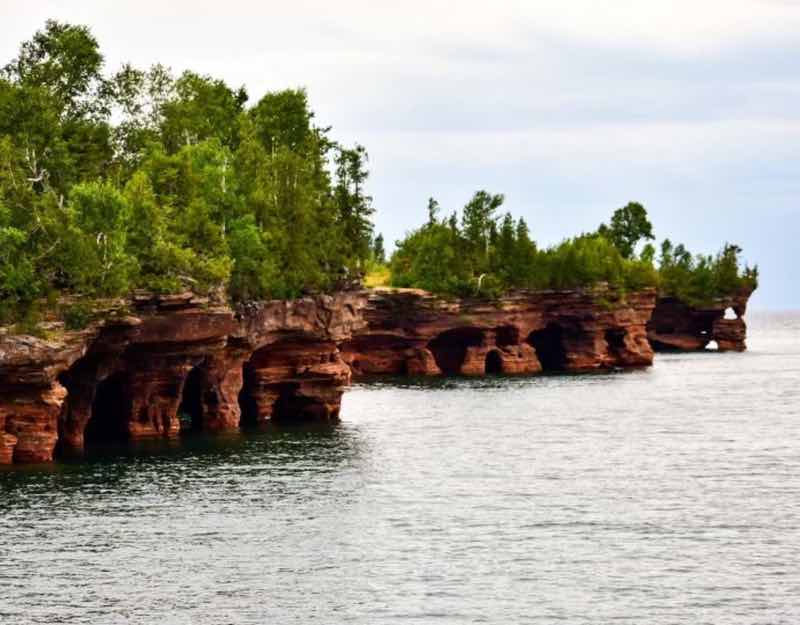
Infrastructure and the Digital Nomad Economy
The traditional view of Madeline Island was that of a “disconnect” destination—a place to leave the office behind. However, the financial reality has shifted with the advent of high-speed satellite internet and the normalization of remote work. This shift has transformed the island from a weekend getaway into a viable “secondary headquarters” for high-net-worth individuals and tech-enabled professionals.
The Rise of the Remote Executive Retreat
There is a growing market for high-end, tech-enabled rental properties specifically designed for the “work-from-anywhere” crowd. To capitalize on this, investors must focus on infrastructure. A property on the island with a dedicated home office, redundant power systems (back-up generators are a necessity due to island grid vulnerabilities), and Starlink connectivity can command a 20-30% premium over standard vacation rentals.
Professional groups and executive teams are increasingly looking for “deep work” environments. What to do on Madeline Island now includes hosting small-scale corporate retreats. By marketing a property as a professional sanctuary rather than just a beach house, owners can attract a higher tier of clientele who are less price-sensitive and more focused on the utility of the space.
Connectivity as a Value Add
The investment in digital infrastructure on the island is not just a luxury; it is a capital improvement that directly impacts property valuation. As more professionals flee the high-tax and high-cost environments of major metros, the ability to maintain a seamless digital workflow from a remote island in Lake Superior becomes a massive selling point. For those developing or renovating properties, the inclusion of integrated smart-home technology and top-tier networking is no longer optional—it is a prerequisite for high-end market positioning.
Tax Implications and Fiscal Management of Island Assets
Investing in an island environment requires a sophisticated approach to fiscal management. The costs of ownership are higher, but the tax benefits and strategic advantages can outweigh the overhead if managed correctly.
Maintenance Devaluation and Capital Expenditure
The harsh climate of Lake Superior is a significant factor in any financial model. The “weather tax” on Madeline Island is real. High humidity in the summer and extreme cold in the winter lead to accelerated depreciation of physical assets. An investor’s pro forma must account for a higher-than-average capital expenditure (CapEx) budget. Siding, roofing, and mechanical systems have shorter lifespans on the island. Smart investors mitigate this by choosing high-durability, low-maintenance materials—such as metal roofing and composite decking—which, while more expensive upfront, preserve the asset’s value and reduce long-term operational costs.
Tax Strategies for Seasonal Income
From a personal finance perspective, owning a property on Madeline Island offers various tax advantages under current US tax law. If a property is used as a primary or secondary residence for a portion of the year and rented out for the remainder, owners can often deduct mortgage interest, property taxes, and a portion of operating expenses. Furthermore, for those who use the property for business-related retreats or as a “home office” for a significant portion of their professional life, there are additional avenues for tax optimization.
It is also worth noting the role of conservation easements. Given the ecological sensitivity of the Apostle Islands, many large landholders on Madeline Island have utilized conservation easements to significantly reduce their property tax burden while contributing to the long-term preservation of the island’s character. This is a sophisticated financial move that aligns personal wealth management with environmental stewardship.
The Future of Madeline Island: A Strategic Outlook
The economic future of Madeline Island is inextricably linked to the broader trends of the “Great Lakes Renaissance.” As water scarcity and extreme heat become defining issues for the global economy, the value of the world’s largest freshwater system will only increase.
What to do on Madeline Island is no longer just a question of leisure; it is a question of strategic positioning. Whether you are acquiring real estate as a hedge against climate volatility, building a service-based business to capture the premium of an isolated market, or leveraging the island as a remote professional hub, the financial indicators point toward sustained growth. The island remains a microcosm of a scarcity-based economy—where those who can navigate the logistical hurdles and the seasonal cycles stand to gain the most from this unique Great Lakes asset. Investing here requires patience, a high tolerance for logistical complexity, and a long-term vision, but for those who understand the underlying economics, the “Island Premium” is a reward worth pursuing.
aViewFromTheCave is a participant in the Amazon Services LLC Associates Program, an affiliate advertising program designed to provide a means for sites to earn advertising fees by advertising and linking to Amazon.com. Amazon, the Amazon logo, AmazonSupply, and the AmazonSupply logo are trademarks of Amazon.com, Inc. or its affiliates. As an Amazon Associate we earn affiliate commissions from qualifying purchases.