
Page, Arizona, a vibrant hub nestled within the stunning landscapes of the American Southwest, beckons millions of travelers annually with its breathtaking natural wonders. While the allure of Antelope Canyon, Horseshoe Bend, and Lake Powell is undeniable, a truly enriching experience demands careful financial planning. Navigating this popular destination effectively, ensuring both enjoyment and fiscal prudence, is key for any savvy traveler. This guide delves into the financial considerations for exploring Page, offering insights into budgeting, cost-effective strategies, and maximizing value for every dollar spent.
Navigating Page’s Iconic Attractions on a Budget
The crown jewels of Page’s tourism industry come with varying price tags. Understanding the cost structure and identifying opportunities for savings can significantly impact your overall travel budget.
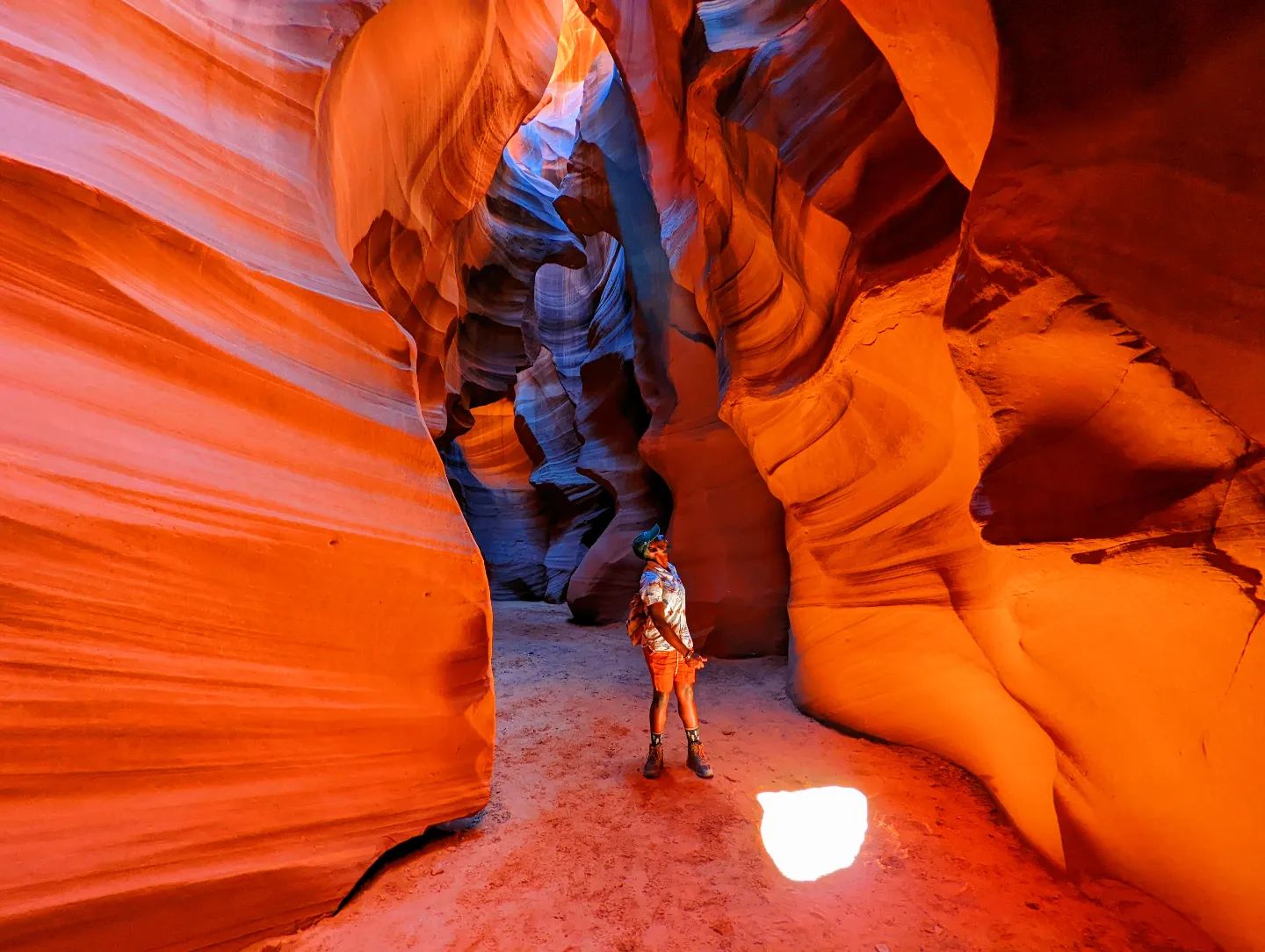
Antelope Canyon: Understanding Permit Costs and Tour Options
Antelope Canyon, a slot canyon renowned for its ethereal light beams and sandstone formations, is arguably Page’s most sought-after attraction. However, access is strictly regulated and requires booking a guided tour with an authorized Navajo tour operator. This is not merely an optional extra but a mandatory expense, as the canyon is on Navajo Nation land.
Tour prices vary significantly based on the specific section of Antelope Canyon (Upper, Lower, Canyon X, etc.), the time of day, and the operator. Upper Antelope Canyon, famous for its iconic light shafts, is often the most expensive, especially during peak midday hours (10 AM – 1 PM), when the light is optimal. Prices for a standard tour can range from $60 to over $100 per person, excluding potential booking fees or gratuities. Lower Antelope Canyon tours, while still spectacular, often come in at a slightly lower price point, typically ranging from $50-$80. Canyon X and other lesser-known sections might offer even more budget-friendly alternatives, often in the $35-$60 range, providing similar geological beauty without the premium crowd or price.
When budgeting for Antelope Canyon, consider the following financial levers:
- Off-Peak Timing: Opting for early morning or late afternoon tours often reduces the per-person cost, sometimes by $10-$20, and still provides excellent photographic opportunities, albeit with different lighting conditions.
- Shoulder Seasons: Traveling during spring or fall, outside of peak summer or holiday periods, can sometimes yield slightly lower prices and better availability, reducing the pressure to book last-minute at inflated rates.
- Comparison Shopping: Research multiple authorized tour operators. While prices for specific canyon sections are generally consistent among operators, promotional deals or bundle packages might occasionally be available. Always confirm the total cost, including any Navajo Nation park permit fees (which are typically an additional $8-$10 per person and non-negotiable).
- Group Discounts: If traveling with a larger group, inquire about potential group discounts. Some operators may offer a slight reduction for bookings exceeding a certain number of participants.
- Financial Foresight: Book well in advance, especially for peak times and popular sections. Last-minute bookings risk higher prices or complete unavailability, forcing expensive alternatives or missed opportunities. This proactive financial planning ensures you secure your desired experience without paying a premium for urgency.
Horseshoe Bend: Maximizing Value from a Free Spectacle
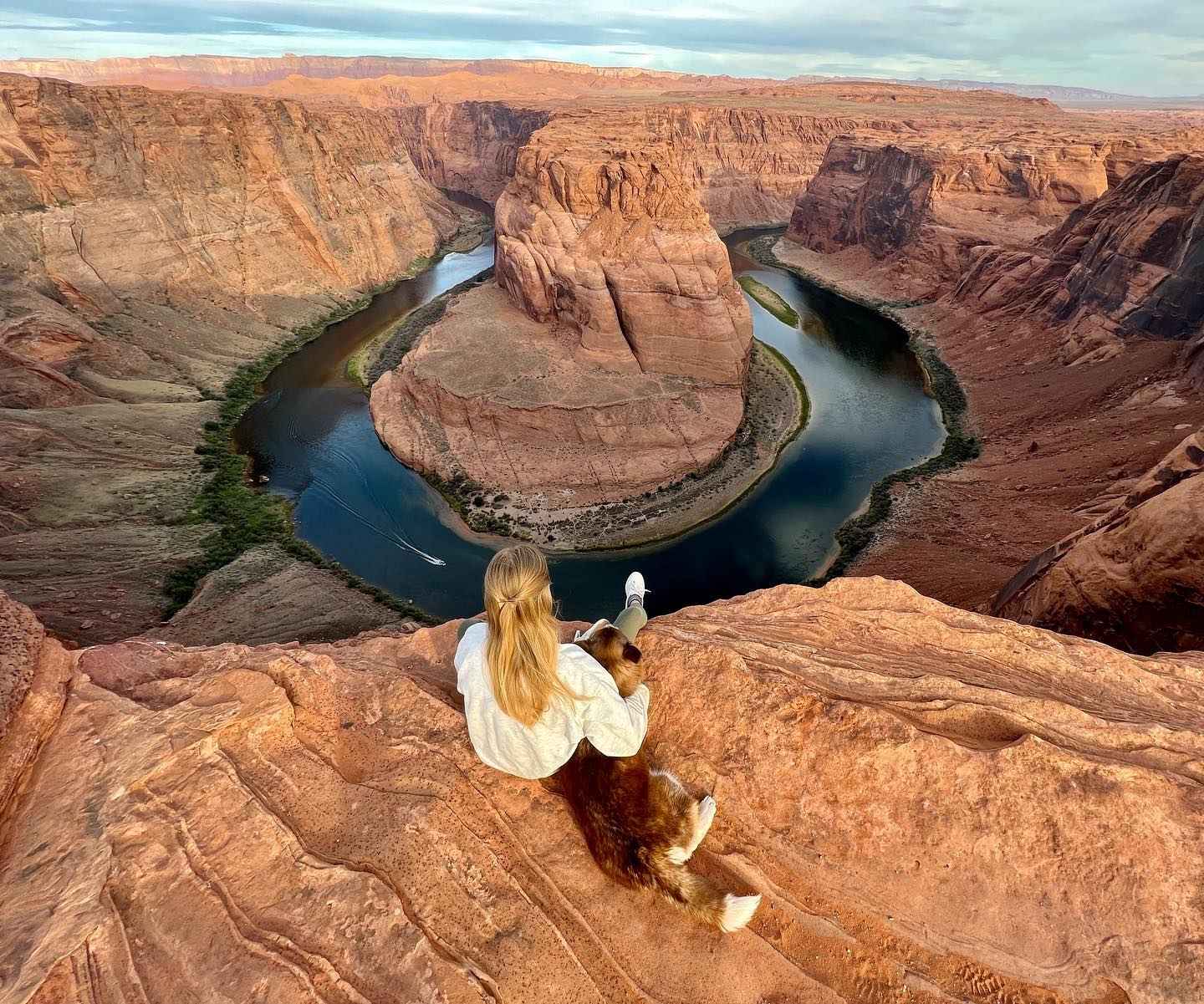
Horseshoe Bend offers an equally iconic, yet far more budget-friendly, experience. This dramatic U-shaped meander of the Colorado River is accessible via a short, well-maintained trail from a designated parking area. While entrance to the trail itself is free, the City of Page implemented a parking fee to manage traffic and support infrastructure maintenance.
The parking fee is typically around $10-$15 per vehicle, regardless of the number of occupants. For solo travelers or couples, this represents a relatively low per-person cost for such a magnificent view. Groups traveling together in a single vehicle maximize the value of this fixed cost, effectively reducing the per-person expense.
Financial strategies for Horseshoe Bend:
- Car-pooling: If you’re traveling with others, consolidate into one vehicle to split the parking fee, significantly reducing individual outlay.
- Timing for Photography: While sunrise and sunset are popular for dramatic lighting, they also mean peak parking demand. Visiting during off-peak hours can make parking less stressful and potentially save time, a valuable commodity when on a travel budget.
- Preparedness: Bring your own water and snacks. Concessions at the parking lot are limited and often priced higher due to convenience.
- Environmental Investment: Recognize that the parking fee directly contributes to the maintenance of the viewing area, including pathways, safety railings, and waste management, ensuring the longevity of this natural wonder for future visitors.
Lake Powell: Balancing Adventure with Expense
Lake Powell, a vast reservoir offering stunning blue waters against red rock canyons, provides a multitude of recreational opportunities, from boating and jet skiing to kayaking and paddleboarding. The financial commitment here can range from minimal to substantial, depending on your chosen activities.
- Entry Fees: Lake Powell is part of the Glen Canyon National Recreation Area, which requires an entrance fee. This is typically $30 per vehicle for a 7-day pass or can be covered by an America the Beautiful Annual Pass ($80), which grants access to all U.S. National Parks and Federal Recreational Lands for a year. For longer trips or those planning multiple national park visits, the annual pass is a sound financial investment, quickly paying for itself.
- Boat Rentals: Renting a powerboat or personal watercraft (jet ski) can be a significant expense, with daily rates ranging from $300 to over $1,000, plus fuel costs. For groups, this cost can be shared, making it more affordable per person. Booking in advance, especially during peak season, is crucial to secure availability and potentially better rates.
- Kayaking/Paddleboarding: A more budget-friendly option, kayak or paddleboard rentals typically range from $40-$80 for a half-day or full-day. Many local outfitters offer these, and sometimes package deals are available. Bringing your own equipment, if feasible, eliminates this rental cost entirely.
- Excursion Tours: Companies offer guided boat tours of Lake Powell, often including visits to specific geological formations. These typically cost $50-$150 per person, offering a guided experience without the responsibility or expense of renting your own vessel.
To optimize your Lake Powell budget:
- Assess Group Size: Larger groups can more easily justify and share the cost of boat rentals, significantly reducing the individual burden.
- Prioritize Activities: Decide what experiences are most important. Is it simply enjoying the scenic views from a public beach, or is exploring hidden coves by kayak a must-do? Tailor your spending accordingly.
- Fuel Efficiency: If renting a boat, be mindful of fuel consumption. Lake Powell is vast, and extensive cruising can lead to substantial fuel bills.
Strategic Spending on Accommodation and Dining
Beyond the attractions, accommodation and food are often the next largest components of a travel budget. Smart choices here can yield significant savings without compromising comfort or experience.
Lodging Logistics: Hotels vs. Vacation Rentals vs. Camping
Page offers a range of lodging options, each with distinct financial implications.
- Hotels/Motels: These are the most common, ranging from budget-friendly chains to slightly more upscale options. Prices fluctuate wildly with demand, often peaking during summer months and major holidays. Expect to pay anywhere from $100-$300+ per night. Booking several months in advance can often secure better rates, and checking multiple booking platforms can reveal competitive pricing. Loyalty programs can also offer savings or perks.
- Vacation Rentals (Airbnb/VRBO): For families or groups, vacation rentals can be a cost-effective option. They often provide more space, kitchen facilities (saving on dining out), and amenities like laundry. While the nightly rate might seem higher than a basic hotel room, the per-person cost for a group can be lower, especially considering food savings. Factor in cleaning fees and service charges, which can add 15-30% to the base rate.
- Camping: For the most budget-conscious, camping offers substantial savings. There are several campgrounds in and around Page, including National Park Service sites and private campgrounds. Prices typically range from $15-$40 per night for a tent site or RV hookup. This option also allows for self-catering, further reducing food expenses. Dispersed camping (free camping on public lands) might be available in certain areas, but requires research, self-sufficiency, and adherence to Leave No Trace principles.
Financial recommendations for lodging:
- Advance Booking: This is paramount in Page, especially during peak season, to avoid inflated last-minute prices or being forced into more expensive options.
- Consider “Shoulder Season” Travel: May, early June, September, and October often provide pleasant weather with slightly reduced accommodation costs compared to peak summer.
- Evaluate Amenities: A hotel with complimentary breakfast can save $15-$25 per person daily. A vacation rental with a full kitchen can cut hundreds from a multi-day trip’s food budget.
- Flexibility: If your itinerary allows, checking various dates can sometimes reveal significant price drops for specific nights.
Culinary Costs: Savvy Eating in a Tourist Town
Dining out in any tourist-centric town can quickly deplete a budget. Page offers a mix of local eateries and chain restaurants, with prices reflecting its status as a travel destination.
- Self-Catering: This is the most effective money-saving strategy. Utilize local grocery stores (e.g., Safeway, Walmart) to stock up on breakfast items, sandwich supplies for lunches, and ingredients for simple dinners, especially if your accommodation has kitchen facilities. Packing a cooler with drinks and snacks for day trips avoids impulse purchases at convenience stores or park vendors, where prices are invariably higher.
- Picnics: For Horseshoe Bend or Lake Powell outings, preparing a picnic lunch leverages savings and allows for scenic dining experiences.
- Value-Focused Restaurants: Research local diners or fast-casual restaurants that offer good value. Avoid establishments primarily catering to tourists with inflated prices. Review sites can be helpful in identifying local favorites that balance quality and cost.
- Happy Hour/Early Bird Deals: Some restaurants might offer specials during off-peak hours, providing an opportunity to enjoy a sit-down meal at a reduced cost.
- Water Bottles: Invest in a reusable water bottle. Page experiences hot, dry weather, making hydration crucial. Refilling from your accommodation or public water stations saves money and reduces plastic waste.
Beyond the Big Three: Discovering Affordable Experiences
While the main attractions draw the crowds, Page offers other experiences that can enrich your trip without heavily impacting your financial plan.
Hidden Gems and Low-Cost Exploration
- Glen Canyon Dam Overlook/Museum: The Glen Canyon Dam offers free access to its visitor center, providing insights into its construction and impact on the Colorado River. There’s an adjacent scenic overlook offering panoramic views of the dam and the river below, requiring minimal to no cost beyond transportation. Guided tours inside the dam might have a small fee, but the external views are free.
- Lake Powell Beaches: While boat rentals are costly, simply finding a public beach along Lake Powell (e.g., Lone Rock Beach, Wahweap Beach) allows for swimming, sunbathing, and enjoying the scenery without charge, beyond the Glen Canyon National Recreation Area entrance fee. Lone Rock Beach even allows for dispersed camping, offering an extremely low-cost overnight option.
- Hiking Trails: Numerous free hiking trails exist around Page, offering different perspectives of the unique geology. Trails like the Rim Trail provide views of Lake Powell and the surrounding canyons. Researching local hiking guides can uncover options suited to various fitness levels, requiring only the cost of appropriate footwear and water.
- Scenic Drives: Driving U.S. Route 89 or taking detours onto lesser-known roads can provide breathtaking views and photographic opportunities at virtually no cost other than fuel. This allows for spontaneous stops and exploration of the broader landscape.
Planning for Unexpected Expenses and Emergency Funds
Even the most meticulously planned budget can be derailed by unforeseen circumstances. A financially astute traveler always allocates a portion of their budget as an emergency fund.
- Vehicle Issues: Flat tires, minor mechanical problems, or even parking tickets can add unexpected costs. Having a contingency fund for such eventualities prevents them from derailing your entire trip’s financial plan.
- Medical Emergencies: While travel insurance can cover major medical costs, minor issues (e.g., over-the-counter medication, a doctor’s visit for a non-emergency) might require immediate cash.
- Weather Delays: Unexpected weather can cause activity cancellations or require extra nights of accommodation. A buffer budget helps absorb these shocks.
- Souvenirs/Spontaneous Purchases: It’s wise to set aside a small discretionary fund for souvenirs or an impromptu treat, preventing these from eating into funds allocated for essential expenses.
The Economic Ripple Effect: Supporting Local Through Thoughtful Spending
While focusing on personal savings is important, understanding the broader financial impact of tourism in Page provides valuable context. Every dollar spent, whether on tours, lodging, dining, or souvenirs, contributes to the local economy.
Understanding Tourism’s Financial Impact
Page, Arizona, exists primarily because of tourism. The influx of visitors directly supports:
- Local Businesses: Restaurants, hotels, tour operators, retail shops, and gas stations rely heavily on tourist spending.
- Employment: These businesses employ local residents, providing livelihoods and contributing to the community’s economic stability.
- Infrastructure: Taxes collected from tourism often fund local infrastructure improvements, such as road maintenance, public services, and visitor amenities.
- Conservation: A portion of tour fees and park entrance fees often goes towards the maintenance and preservation of the natural wonders themselves, ensuring their continued beauty and accessibility.

Choosing Businesses with Community Benefits
As a financially responsible traveler, you have the power to direct your spending in ways that maximize positive local impact.
- Prioritize Local Operators: When choosing tour companies for Antelope Canyon or Lake Powell, consider patronizing local, tribally-owned, or small businesses. These often keep more of their revenue within the community.
- Dine at Independent Restaurants: While chains offer consistency, supporting locally-owned restaurants means your money directly benefits local families and suppliers.
- Purchase from Local Artisans: Seek out authentic, locally made crafts or souvenirs rather than mass-produced items, contributing directly to local artists and their communities.
- Tip Generously: Service industry workers in tourist towns often rely on tips. Budgeting for gratuities for tour guides, restaurant staff, and hotel housekeepers is a direct way to support the individuals who make your trip enjoyable.
By consciously considering the financial aspects of “what to do in Page, Arizona,” travelers can craft an unforgettable experience that balances personal enjoyment with fiscal responsibility, all while positively contributing to the vibrant local economy that makes this desert oasis so special.
aViewFromTheCave is a participant in the Amazon Services LLC Associates Program, an affiliate advertising program designed to provide a means for sites to earn advertising fees by advertising and linking to Amazon.com. Amazon, the Amazon logo, AmazonSupply, and the AmazonSupply logo are trademarks of Amazon.com, Inc. or its affiliates. As an Amazon Associate we earn affiliate commissions from qualifying purchases.