
Manhattan has long been recognized as the financial and cultural epicenter of the world, but over the last decade, it has undergone a profound transformation. The rise of “Silicon Alley”—a term once confined to a small cluster of tech companies around the Flatiron District—has expanded to encompass the entire island. Today, Manhattan is a premier global tech hub, rivaling Silicon Valley in venture capital investment, software development, and AI innovation. For the technologist, the entrepreneur, or the digital enthusiast visiting the city, “what to do in Manhattan” is no longer about sightseeing in the traditional sense; it is about immersing oneself in one of the most sophisticated technological ecosystems on the planet.

This guide explores the essential activities for those looking to engage with Manhattan through the lens of technology, from exploring innovation hubs to networking with the vanguard of the AI revolution.
1. Immerse Yourself in the Silicon Alley Innovation Hub
The geographic heart of Manhattan’s tech scene has evolved from a few blocks in Midtown South to a sprawling network of innovation. To understand the pulse of the city’s tech industry, one must explore the physical spaces where software, hardware, and digital strategy converge.
Exploring the Chelsea and Flatiron Tech Corridor
The historic buildings of the Flatiron District and Chelsea now house some of the world’s most influential tech companies. Walking through these neighborhoods, one can witness the adaptive reuse of industrial architecture into high-tech workspaces. A visit to this area should include a stop near the Google Chelsea office—one of the largest technology footprints outside of Mountain View. While the office itself is private, the surrounding ecosystem, including the nearby Chelsea Market (which features various tech-integrated retail concepts), offers a glimpse into how digital giants integrate into urban fabrics.
The Rise of Vertical Campuses: Google and Meta’s Footprint
In recent years, Manhattan has seen the emergence of “vertical campuses.” Google’s massive development at Pier 57 and Meta’s expansive presence at the Farley Post Office building near Penn Station represent a multi-billion dollar bet on Manhattan’s tech talent. For a professional looking for what to do in Manhattan, touring the public-facing areas of these developments—such as the rooftop park at Pier 57—provides an insight into how tech infrastructure is being woven into the city’s public spaces, providing high-speed connectivity and digital-first amenities to the public.
Cornell Tech and the Roosevelt Island Bridge
While Roosevelt Island is technically its own entity, it is intrinsically linked to the Manhattan tech experience via the Roosevelt Island Tramway. The Cornell Tech campus is a masterpiece of sustainable tech architecture. Visiting the campus allows one to see the cutting edge of academic-industrial collaboration, where AI research and graduate-level software engineering are commercialized into the next generation of New York startups.
2. Experiencing Retail Tech and Digital Innovation Labs
Manhattan serves as a global testing ground for retail technology and “phygital” (physical plus digital) experiences. For those interested in how AI, IoT, and augmented reality are changing consumer behavior, the city offers several flagship experiences that are more laboratory than store.
Interactive Tech Showcases: Beyond Traditional Retail
A visit to Samsung 837 in the Meatpacking District is a prerequisite for anyone interested in consumer gadgets and immersive software. Unlike a traditional retail store, this “digital playground” focuses on experience. It features three-story digital screens, VR tunnels, and IoT-integrated home setups that demonstrate how the “Internet of Things” is moving from a buzzword to a functional reality. Similarly, the Apple Fifth Avenue store, with its iconic glass cube, remains a masterclass in minimalist design and high-traffic tech support infrastructure.
AR and VR: The New Frontier of Manhattan Tourism
Manhattan has embraced Augmented Reality (AR) to enhance its landmarks. When considering what to do in Manhattan, tech enthusiasts should look toward the “Summit One Vanderbilt” or the “Edge at Hudson Yards.” These observatories utilize sophisticated software and immersive digital displays to create a sensory experience that goes beyond a simple view. Furthermore, venues like Artechouse in Chelsea use high-resolution projections and spatial audio to turn code into art, showcasing how generative AI and creative software are redefining the gallery experience.
The Future of Automated Commerce
For those interested in the backend of retail tech, Manhattan is home to several “Just Walk Out” technology implementations. Visiting an Amazon Go or a tech-enabled convenience store provides a hands-on look at how computer vision and sensor fusion algorithms are eliminating the traditional point-of-sale friction, offering a glimpse into the future of urban commerce.
3. Networking Within the High-Stakes Tech and VC Ecosystem
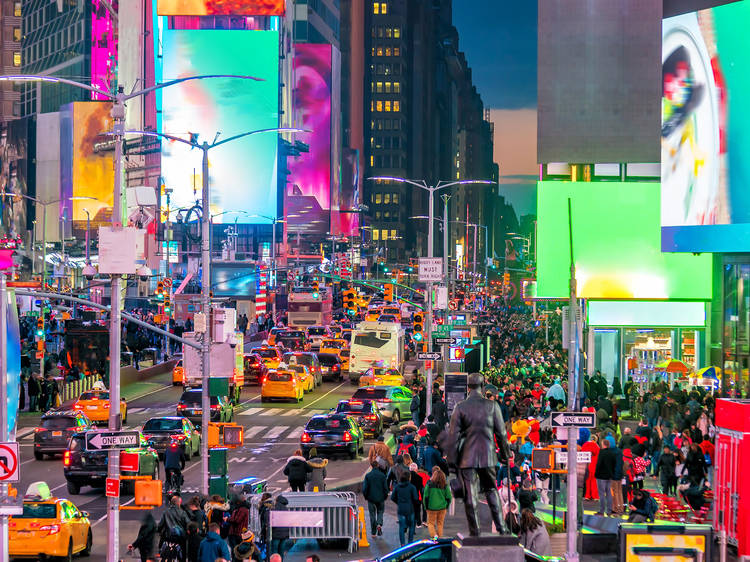
For the tech professional, Manhattan is less about where you go and more about who you meet. The city’s venture capital (VC) landscape is second only to the Bay Area, and the intersection of finance and tech—FinTech—is unrivaled.
Engaging with Manhattan’s Venture Capital Community
The area around Union Square and the Meatpacking District is home to some of the world’s most powerful VC firms, such as Union Square Ventures and First Round Capital. While you can’t simply walk into a partner meeting, attending public demo days at accelerators like Techstars or ERA (Entrepreneurs Roundtable Accelerator) is a vital “to-do” for anyone looking to understand the investment trends driving the Manhattan tech scene. These events offer a front-row seat to the pitches of AI, SaaS, and BioTech startups that are currently scaling.
Niche Tech Meetups: From FinTech to AI Ethics
Manhattan’s density makes it the perfect location for highly specialized tech meetups. Whether your interest lies in Python development, Blockchain architecture, or the ethical implications of AI, there is a community meeting nearly every night. Platforms like Meetup.com (which is headquartered in NYC) are essential tools for finding these gatherings. Attending a “NY Tech Meetup” event—the oldest and largest of its kind—is a foundational experience for anyone wanting to integrate into the local software community.
Coworking as a Tech Hub
The coworking model was perfected in Manhattan. Spaces like Industrious or the tech-focused LMHQ in Lower Manhattan serve as more than just offices; they are networking nodes. Spending a day working from one of these locations allows visiting professionals to rub shoulders with independent developers, digital security consultants, and startup founders who are building the city’s next big platforms.
4. Utilizing Manhattan’s Smart City Infrastructure
Manhattan is a living laboratory for “Smart City” technology. From how the subway operates to how citizens access the internet, the city’s infrastructure is a testament to large-scale digital integration.
Connectivity on the Go: LinkNYC and Public Wi-Fi 6
One of the most visible tech features of Manhattan is the LinkNYC kiosks. These pillars replaced old payphones and now provide some of the fastest free public Wi-Fi in the world, along with digital wayfinding and hardware charging stations. For a tech-savvy visitor, these kiosks represent a massive IoT deployment that gathers urban data to improve city services while keeping the mobile workforce connected.
Data-Driven Navigation: Mastering NYC’s Transit Tech
The MTA (Metropolitan Transportation Authority) has undergone a digital revolution. The implementation of OMNY—a contactless fare payment system—uses NFC (Near Field Communication) technology to streamline millions of daily commutes. Furthermore, using apps like Citymapper or the official MTA app allows users to see real-time data feeds from sensors located throughout the subway and bus systems. Understanding how this “Big Data” is managed and visualized is a fascinating study in urban logistics.
The Future of Urban Tech: Manhattan as a Living Lab
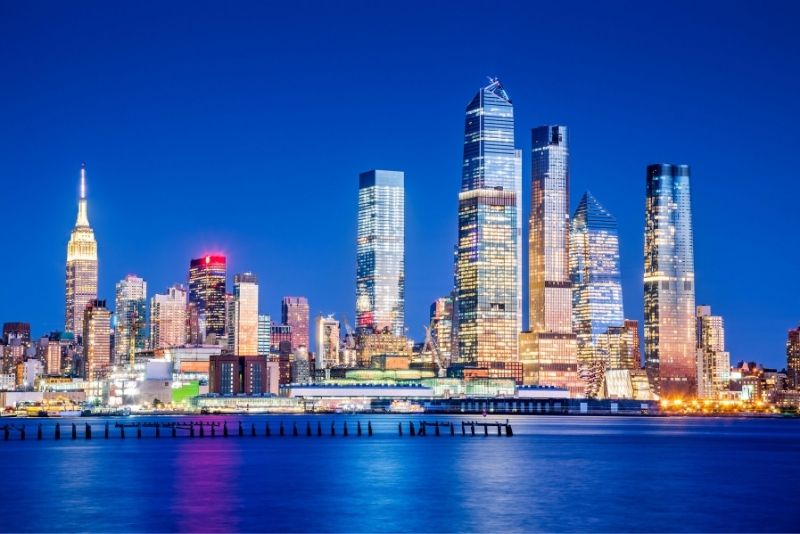
In neighborhoods like Hudson Yards, the “Smart City” concept is taken to the extreme. The entire development is built on a platform with sensors monitoring everything from air quality to pedestrian traffic patterns. For those researching urban tech or digital security, observing how these private-public data partnerships function in a high-density environment is a crucial “only-in-Manhattan” experience.
5. Securing the Digital Frontier: Tech Policy and Security Hubs
As the world’s financial capital, Manhattan is a primary target for cyber threats, making it a global leader in digital security and tech policy.
Cybersecurity Initiatives in the World’s Financial Capital
Lower Manhattan, particularly the area around Wall Street, is home to a high concentration of cybersecurity firms and “Blue Team” operations for major banks. While the operations centers are highly secure, the city frequently hosts major cybersecurity conferences (such as those organized by SC Media or CyberRisk Alliance). For tech professionals, these events are where the latest in encryption, threat detection, and AI-driven security protocols are debuted.
The Intersection of Tech and Policy
With the United Nations and numerous international consulates based in Midtown East, Manhattan is also a hub for global tech policy. Issues such as international data privacy, AI governance, and digital rights are frequently debated here. For those interested in the “why” behind the “how” of technology, attending public lectures at the New York Academy of Sciences or tech-policy forums at Columbia University or NYU provides a deeper understanding of the regulatory framework that will govern the next generation of software and hardware.
In conclusion, “what to do in Manhattan” for the tech-minded individual is a journey through a dense, high-speed, and deeply integrated digital landscape. By shifting the focus from traditional tourism to the exploration of Silicon Alley’s innovation hubs, retail laboratories, and networking ecosystems, one can truly appreciate Manhattan not just as a historic city, but as a primary engine of the global technological future. Whether you are analyzing the rollout of 5G infrastructure or networking with the next great AI founder, Manhattan offers an unparalleled vantage point into the digital age.
aViewFromTheCave is a participant in the Amazon Services LLC Associates Program, an affiliate advertising program designed to provide a means for sites to earn advertising fees by advertising and linking to Amazon.com. Amazon, the Amazon logo, AmazonSupply, and the AmazonSupply logo are trademarks of Amazon.com, Inc. or its affiliates. As an Amazon Associate we earn affiliate commissions from qualifying purchases.