
While many associate Grand Rapids, Michigan, with its storied history as “Furniture City” or its contemporary reputation as a craft brewery mecca, a deeper shift is occurring beneath the surface. For the technologist, the software engineer, or the digital strategist, the city has evolved into a vibrant ecosystem of innovation. If you are looking for what to do in Grand Rapids from a professional tech perspective, you will find a city that has successfully pivoted from traditional manufacturing to high-tech healthcare, smart manufacturing, and a robust startup culture.

This article explores the digital landscape of West Michigan, highlighting the key hubs, technological trends, and professional opportunities that define this burgeoning tech destination.
Navigating the “Medical Mile”: A Hub for HealthTech and Biotech
The most visible manifestation of Grand Rapids’ technological prowess is the “Medical Mile” located along Michigan Street. This billion-dollar corridor is not just a collection of hospitals; it is an epicentre for biotechnology, precision medicine, and healthcare software development.
The Intersection of Data and Diagnostics
At the heart of the Medical Mile lies the Van Andel Research Institute (VARI). For tech professionals, the work being done here represents the cutting edge of bioinformatics and genomic sequencing. The institute utilizes high-performance computing (HPC) and complex algorithms to map the human genome and identify markers for diseases like Parkinson’s and cancer. For those interested in data science, the “Medical Mile” offers a glimpse into how Big Data is being leveraged to transition from reactive medicine to proactive, personalized care.
Investment in Life Sciences and MedTech
The synergy between the Spectrum Health system (now Corewell Health) and the Michigan State University College of Human Medicine has created a fertile ground for MedTech startups. Digital health is a major focus here, with developers working on integrated patient portals, remote monitoring tools, and AI-driven diagnostic software. For a tech professional visiting the city, exploring the research facilities and attending regional HealthTech symposiums is a primary “to-do” to understand how legacy institutions are adopting agile, tech-first methodologies.
Tapping into the Startup Ecosystem and Coworking Culture
Grand Rapids has cultivated an environment where entrepreneurship is supported by both private capital and community-driven initiatives. The tech startup scene here is characterized by a “Midwest Work Ethic” combined with Silicon Valley ambition.
Incubators and Accelerators: The Start Garden Model
If you want to experience the pulse of the Grand Rapids tech scene, a visit to Start Garden is essential. Located in the heart of the city, Start Garden is more than a coworking space; it is a venture ecosystem that provides seed capital and mentorship. Their approach to tech development is unique, focusing on lowering the barriers to entry for software founders and hardware innovators alike.
Attending one of their “Demo Days” or networking events allows tech professionals to see how regional problems are being solved through software-as-a-service (SaaS) and mobile applications. It’s a prime example of how the city fosters an “invest-local” mindset that benefits the regional digital economy.
Managed IT Services and Software Engineering Hubs
Beyond the startup world, Grand Rapids is home to several major players in managed IT services and custom software development. Firms like OST (Open Systems Technologies) and Atomic Object have set the standard for agile development and human-centered design in the region.
For the visiting tech professional, these hubs represent the “what to do” in terms of networking. They frequently host “Software After Hours” events or tech-focused meetups covering everything from Python and React to the latest trends in DevOps and Cloud Architecture. Engaging with these communities provides insights into how the city is attracting talent from larger coastal hubs by offering a high quality of life paired with complex, high-stakes technical work.
Smart Manufacturing and the IoT Revolution
Grand Rapids has not abandoned its manufacturing roots; it has upgraded them. The city’s furniture and automotive supply chains have become some of the most technologically advanced in the world, integrating the Internet of Things (IoT) and robotics into every layer of production.
From Furniture to Tech-Driven Workspace Solutions
Industry giants like Steelcase and Herman Miller (now MillerKnoll) have transitioned from being “furniture companies” to becoming technology companies that happen to make furniture. Their research and development labs in the Grand Rapids area are focused on “Smart Spaces.”

This involves embedding sensors into office environments to collect data on occupancy, ergonomics, and employee wellness. For a tech enthusiast, exploring the showrooms and R&D centers of these companies is a lesson in how physical products are becoming data-generating nodes within a larger IoT ecosystem. They are utilizing machine learning to predict how work patterns evolve, making the “Smart Office” a reality.
Robotics and Automation in West Michigan
The manufacturing sector in West Michigan is a major consumer of robotics and automation technology. Local firms are increasingly implementing AI-driven computer vision systems for quality control and autonomous mobile robots (AMRs) for warehouse logistics.
Visiting the regional manufacturing tech expos or touring automated facilities reveals a sophisticated landscape of PLC programming, industrial cybersecurity, and hardware-software integration. This sector offers a unique niche for tech professionals who are interested in the “Physical Web”—where code meets carbon steel.
Digital Infrastructure and the Future of Work in Grand Rapids
As the “Remote Work” revolution took hold, Grand Rapids emerged as a top destination for digital nomads and tech companies looking to decentralize. This has led to a significant investment in the city’s digital infrastructure.
Connectivity and Smart City Initiatives
Grand Rapids has been proactive in implementing “Smart City” technologies to improve urban living. This includes smart traffic management systems, public Wi-Fi expansions, and data-driven public transit solutions. The city’s “Mobile GR” initiative uses data analytics to optimize parking and traffic flow, showcasing how a mid-sized city can use a “tech-first” approach to urban planning.
For IT professionals interested in infrastructure, the city’s roll-out of 5G and fiber-optic networks provides a case study in regional connectivity. The reliability of this infrastructure makes Grand Rapids a viable hub for decentralized tech teams and data-heavy industries.
Cybersecurity Trends in Regional Business
With the rise of the Medical Mile and advanced manufacturing, cybersecurity has become a paramount concern in the Grand Rapids business community. The city has seen a surge in specialized digital security firms and educational programs aimed at protecting the intellectual property of its manufacturers and the sensitive data of its healthcare providers.
Professional organizations in the area frequently host seminars on ransomware defense, zero-trust architecture, and compliance (such as HIPAA for the local medical tech sector). For the digital security professional, these events are the best way to engage with the local tech community and understand the specific threats facing Midwest industrial and clinical hubs.
The Cultural Intersection: Tech and the Arts
Even the city’s most famous cultural events are increasingly driven by technology. Grand Rapids demonstrates that tech is not an isolated silo but a tool that enhances other industries.
ArtPrize and Digital Logistics
ArtPrize, the world’s most radical open art competition, is a massive technological undertaking. The event relies on a complex digital platform for artist registration, venue matching, and a proprietary voting system that handles hundreds of thousands of entries. From a software perspective, the “ArtPrize” app and backend represent a sophisticated exercise in load balancing and user experience (UX) design.
For a developer or project manager, analyzing how the city handles the digital influx during this event is a fascinating study in scalable architecture and mobile engagement. It shows that “what to do” in Grand Rapids often involves seeing technology implemented in creative, public-facing ways.
The Growth of E-Sports and Gaming Tech
The gaming industry is also finding a foothold in West Michigan. With local colleges offering degrees in game design and digital media, a new generation of developers is building a gaming community in Grand Rapids. E-sports arenas and gaming lounges are popping up, serving as social hubs for those interested in graphics rendering, VR/AR development, and low-latency networking. This emerging niche adds another layer to the city’s diverse technological profile, proving that Grand Rapids is ready for the next wave of digital entertainment.
Conclusion: A City Defined by Innovation
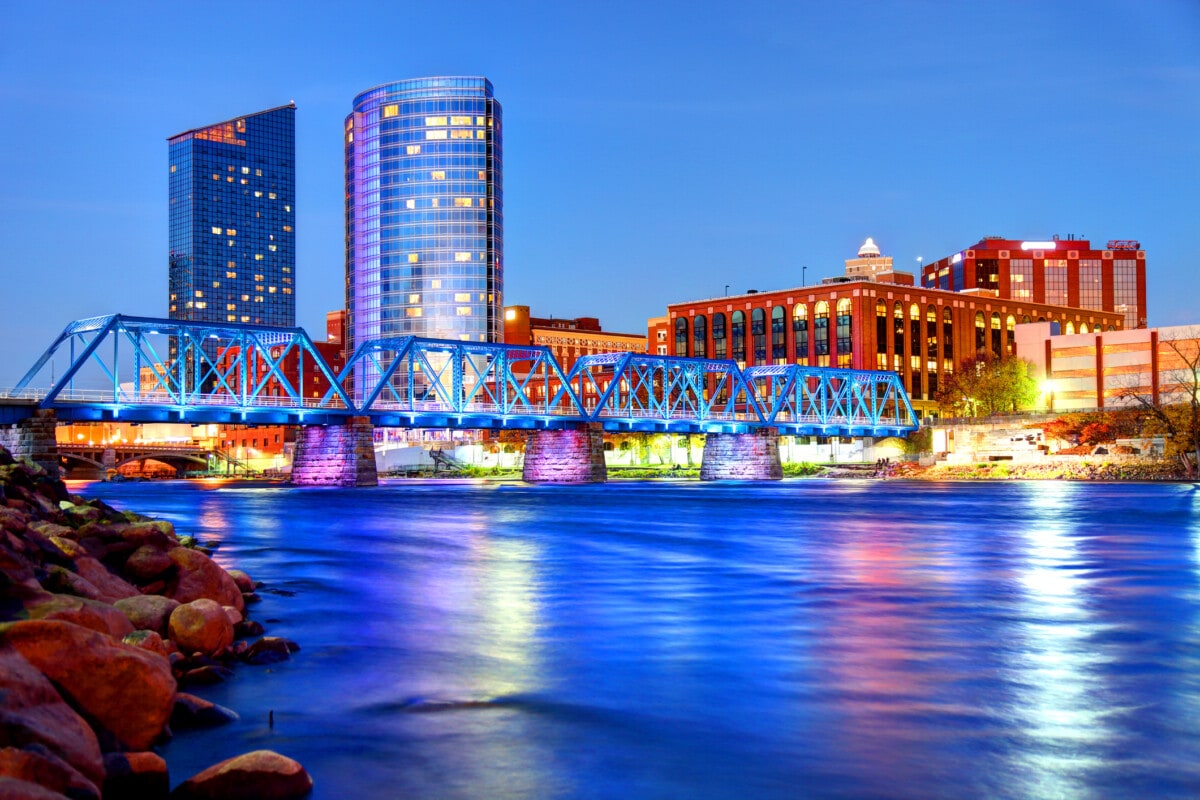
Grand Rapids, Michigan, offers a unique proposition for the tech-forward visitor or professional. It is a city where the legacy of craftsmanship has met the precision of code. Whether you are exploring the genomic breakthroughs on the Medical Mile, participating in the “Start Garden” ecosystem, or witnessing the IoT revolution in a smart factory, the “tech” version of Grand Rapids is one of high growth and deep intellectual curiosity.
If you are looking for what to do in Grand Rapids, look beyond the surface-level attractions. Engage with the software firms, attend a tech meetup, or tour a smart manufacturing facility. You will find a city that is not just participating in the digital age but is actively seeking to lead it through a blend of industrial expertise and innovative software solutions. Grand Rapids is no longer just “Furniture City”—it is a burgeoning tech hub of the Midwest.
aViewFromTheCave is a participant in the Amazon Services LLC Associates Program, an affiliate advertising program designed to provide a means for sites to earn advertising fees by advertising and linking to Amazon.com. Amazon, the Amazon logo, AmazonSupply, and the AmazonSupply logo are trademarks of Amazon.com, Inc. or its affiliates. As an Amazon Associate we earn affiliate commissions from qualifying purchases.