
For decades, the global perception of Orlando has been dominated by its world-class theme parks and the sprawling hospitality infrastructure of the tourism corridor. However, savvy investors and financial strategists have shifted their focus to a different epicenter of growth: Downtown Orlando. Known to locals as the Central Business District (CBD), this urban core has transformed into a high-yield environment for real estate, a fertile ground for venture-backed startups, and a primary destination for professional services expansion.
Understanding what to do in Downtown Orlando today requires a lens focused on capital allocation and market positioning. As the city continues to outpace national averages in population growth and job creation, the financial opportunities within the urban core have matured. From the development of the Creative Village to the expansion of the regional transit network, the following analysis outlines the strategic moves necessary to capitalize on Orlando’s burgeoning financial landscape.
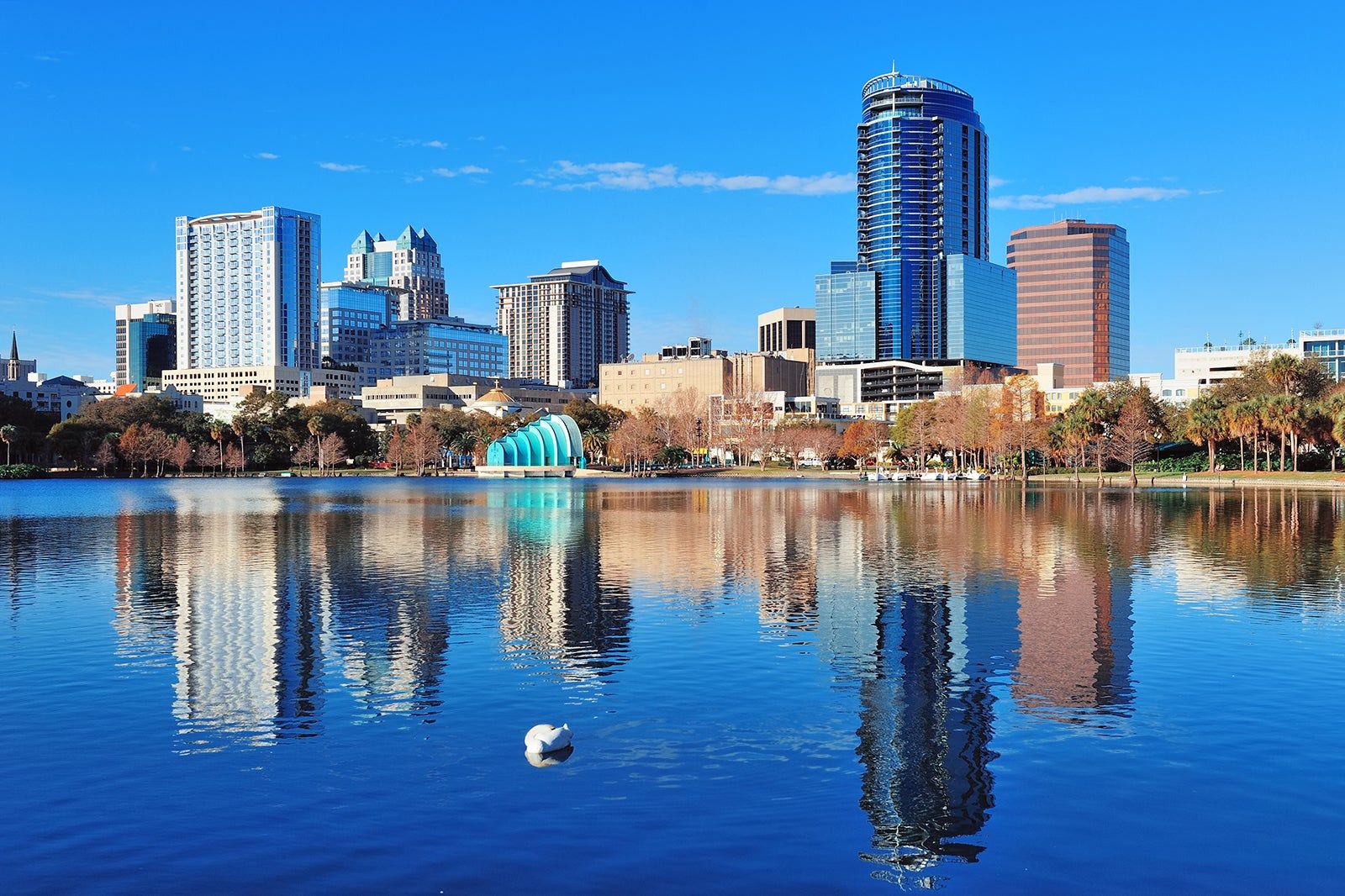
Navigating the Real Estate Landscape of the Central Business District
The most immediate answer to “what to do” in Downtown Orlando involves a deep dive into its real estate market. The city’s skyline has undergone a radical transformation, moving from a secondary market to a primary target for institutional investors. For those looking to deploy capital, the residential and commercial sectors offer distinct, high-growth profiles.
Residential Growth and High-Yield Multi-Family Opportunities
The demand for high-density living in the downtown core is driven by a demographic shift of young professionals and “digital nomads” seeking an urban lifestyle. Unlike the suburban sprawl of surrounding Orange County, Downtown Orlando offers walkability and proximity to high-wage employers.
Investors should focus on the “North Quarter” and the “Eola South” districts. These micro-markets have shown resilient rental growth and low vacancy rates. When evaluating multi-family assets or individual condo investments, the key metric is the “walk score” and proximity to the SunRail stations. As gas prices and transit costs fluctuate, properties with integrated transit access are commanding a significant premium. Furthermore, the short-term rental market, while strictly regulated, offers unique “side hustle” opportunities for property owners who can navigate the City of Orlando’s permitting process to capture the professional traveler market.
Commercial Infrastructure and the Creative Village
Perhaps the most significant financial development in recent history is the Creative Village. This 68-acre, $1.5 billion public-private partnership is reimagining the former site of the Amway Arena. For a business leader, “what to do” here is clear: establish a presence in a hub dedicated to digital media, life sciences, and educational technology.
The presence of the UCF/Valencia Downtown Campus ensures a steady pipeline of talent, making this area a prime location for corporate headquarters. Commercial real estate in this district is not just about square footage; it is about being embedded in an innovation cluster that attracts state and federal grants, as well as private equity interest.
Leveraging Orlando’s Entrepreneurial Ecosystem
Beyond physical assets, Downtown Orlando serves as the command center for Florida’s tech and innovation economy. For entrepreneurs and venture capitalists, the downtown core is less about leisure and more about networking, scaling, and accessing the capital necessary for Series A and B funding rounds.
Venture Capital and the Tech-Infused Economy
Downtown Orlando is home to a high concentration of accelerators and incubators, such as StarterStudio and the UCF Business Incubation Program. If you are looking for where to place “seed money” or “angel investments,” these organizations are the gatekeepers.
The city has carved out a niche in Modeling, Simulation, and Training (MS&T). While much of this is anchored near Research Park, the executive and financial operations often reside in the downtown high-rises. The synergy between the defense industry and the local tech scene creates a unique stability for investors—defense contracts provide a reliable floor for the local economy, while tech startups provide the high-growth ceiling.
Tax Incentives and Local Business Grants
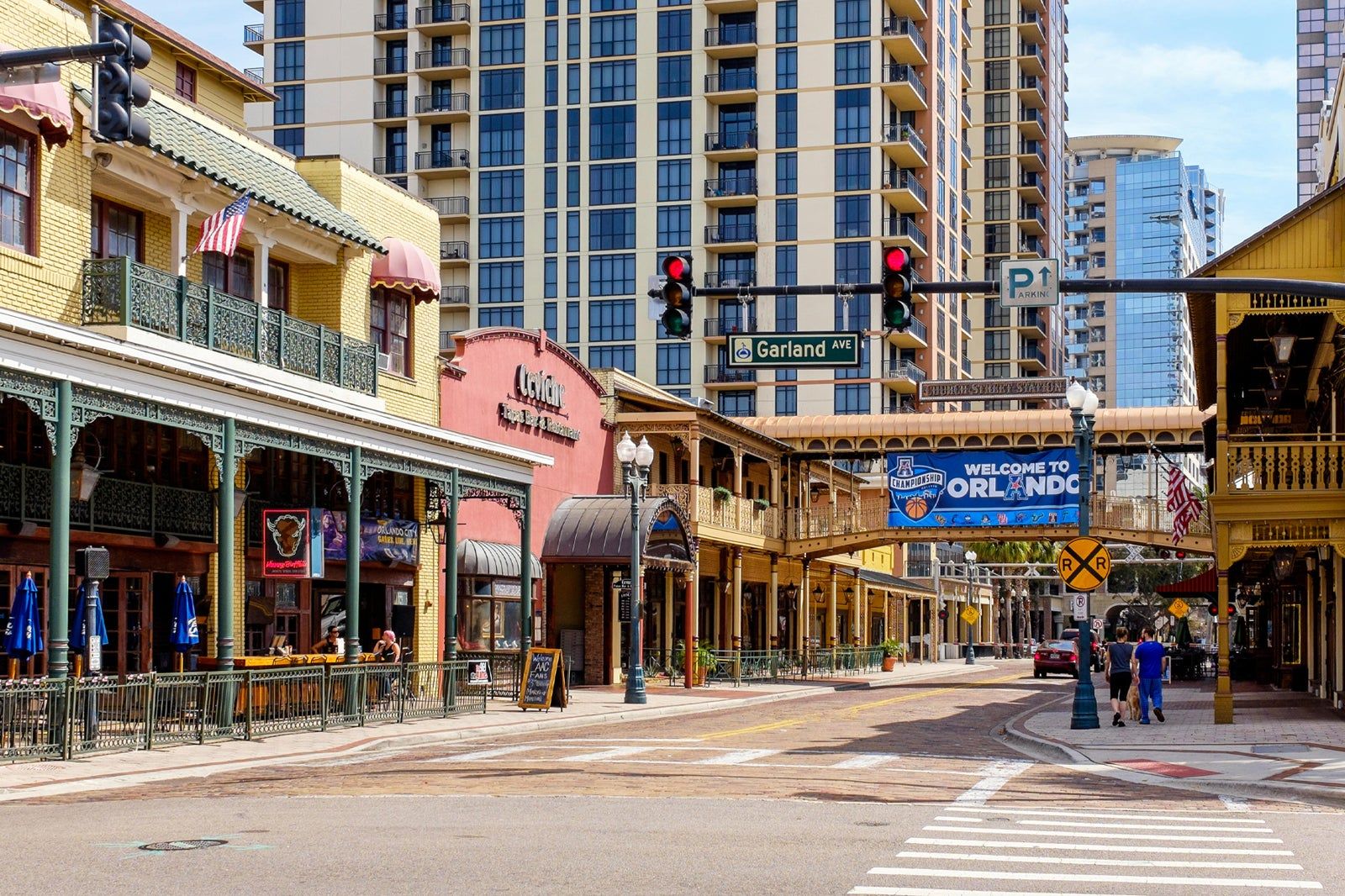
Strategic financial planning in Downtown Orlando involves leveraging the various incentive programs offered by the Downtown Development Board (DDB) and the Community Redevelopment Agency (CRA). These entities offer several programs designed to offset the costs of doing business:
-
Retail Stimulus Program: Provides financial assistance to high-quality retail tenants looking to occupy ground-floor space.
-
Small Business Façade, Signage, and Improvement Program: Offers matching grants for exterior improvements, which can significantly improve the valuation of a commercial asset.
-
High-Wage/High-Value Job Growth: For companies relocating or expanding in the downtown core, the city often provides per-job tax credits that can drastically reduce the effective tax rate of a new enterprise.
Engaging with these programs is a fundamental step for any business owner looking to optimize their balance sheet while contributing to the urban fabric.
Strategic Diversification: Beyond Tourism and into Professional Services
While the theme parks provide a macro-economic cushion for Central Florida, Downtown Orlando’s economy is increasingly decoupled from the volatility of the hospitality sector. For those interested in professional services and fintech, the downtown area offers a concentrated market of high-net-worth clients and corporate entities.
The Fintech and Defense Sector Synergy
One of the most overlooked aspects of the Orlando financial market is the crossover between financial technology and the simulation industry. As companies move toward blockchain-based logistics and AI-driven predictive modeling, Orlando has emerged as a testing ground.
Financial professionals should look toward the legal and financial services corridor along Orange Avenue. This area serves as the regional hub for the “Big Four” accounting firms and several national law firms. For a personal branding or corporate strategy perspective, establishing a “Center of Excellence” in Downtown Orlando allows a firm to tap into a labor market that is significantly more cost-effective than New York or San Francisco, yet equally skilled in digital transformation.
Scalable Side Hustles in a High-Growth Urban Core
For individuals looking to build online income or secondary revenue streams, Downtown Orlando provides the perfect “test market.” The high density of professionals creates a demand for high-end services, ranging from specialized consultancy to boutique fitness and luxury concierge services.
The “side hustle” economy here is robust. With the rise of the creator economy, downtown’s aesthetic—blending historic Lake Eola views with modern glass towers—provides a backdrop for content creators and brand strategists. However, the real money is in B2B services. Providing freelance digital security auditing, marketing automation, or corporate training to the hundreds of firms located in the CBD is a high-margin endeavor that requires little overhead.
The Long-Term Financial Outlook for Orlando’s Urban Center
A prudent investor always looks at the horizon. When determining what to do in Downtown Orlando, one must consider the infrastructure projects that will define the next decade of growth.
Infrastructure ROI and the SunRail Expansion
The fiscal health of a city is often tied to its transit efficiency. The ongoing expansion of the SunRail and the integration with Brightline (connecting Orlando to Miami) is a game-changer for regional commerce. Investing in “transit-oriented development” is one of the most reliable strategies for long-term capital appreciation.
The connectivity between the Orlando International Airport (MCO) and the downtown core is improving, which facilitates easier access for international investors and corporate executives. As the city becomes a multi-modal hub, property values within a half-mile radius of transit stations are projected to see outsized gains compared to the rest of the Florida market.

Risk Management in the Central Florida Market
No financial guide would be complete without a discussion of risk. When investing in Downtown Orlando, one must account for the specific geographic and economic risks associated with Florida. This includes rising insurance premiums and the necessity for climate-resilient construction.
Professional investors are increasingly looking for “hardened” assets—buildings that meet the highest standards of the Florida Building Code and utilize sustainable energy solutions to lower long-term operating costs. From a portfolio management perspective, diversifying across different asset classes—such as combining high-yield residential with stable, long-term commercial leases—is the best way to mitigate the cyclical nature of the real estate market.
In conclusion, Downtown Orlando is no longer just a backdrop for the region’s tourism industry; it is a sophisticated, diverse, and rapidly expanding financial ecosystem. For the investor, the entrepreneur, or the corporate strategist, the “what to do” is clear: move beyond the periphery and engage with the urban core. By focusing on high-growth real estate, tapping into the tech-driven labor pool, and leveraging local economic incentives, one can secure a high-performing position in one of the nation’s most dynamic metropolitan economies. The opportunity lies in the intersection of traditional professional services and the innovative spirit of the “City Beautiful.”
aViewFromTheCave is a participant in the Amazon Services LLC Associates Program, an affiliate advertising program designed to provide a means for sites to earn advertising fees by advertising and linking to Amazon.com. Amazon, the Amazon logo, AmazonSupply, and the AmazonSupply logo are trademarks of Amazon.com, Inc. or its affiliates. As an Amazon Associate we earn affiliate commissions from qualifying purchases.