
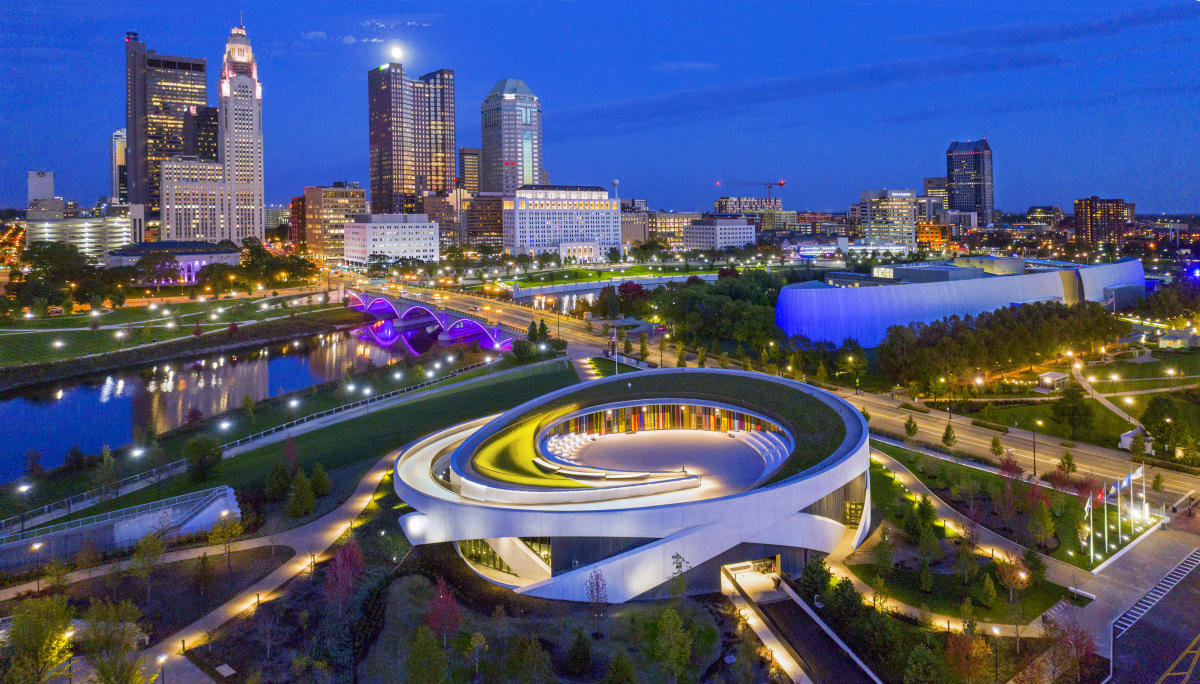
For decades, the American Midwest was characterized by its industrial prowess and agricultural output. However, a digital transformation is currently sweeping through the region, with Columbus, Ohio, emerging as the epicenter of this shift. Often referred to as the “Silicon Heartland,” Columbus has transitioned from a traditional state capital into a sophisticated hub for technology, software development, and artificial intelligence. Whether you are a tech professional scouting for the next innovation cluster or a digital enthusiast looking to see the future of urban tech, understanding what to do in Columbus requires a deep dive into its thriving technological landscape.
Exploring the “Silicon Heartland” Infrastructure
The physical landscape of Columbus is being reshaped by massive investments in hardware and physical tech infrastructure. This isn’t just about office buildings; it is about the foundational elements that power the global digital economy.
The Impact of Intel’s Mega-Site
Perhaps the most significant development in the region is Intel’s multi-billion-dollar semiconductor manufacturing project located just outside Columbus in New Albany. For those interested in the hardware side of tech, the scale of this project is a marvel. This “mega-site” is designed to be the most advanced semiconductor manufacturing location in the world. Its presence has triggered a “tech ripple effect,” attracting dozens of subsidiary suppliers and specialized software firms that support chip design and logistics. Navigating this area offers a glimpse into the sheer scale of the reshoring movement in American tech production.
Data Center Expansion: Why AWS and Google are Investing
While semiconductors are the “brains” of the tech world, data centers are the “nervous system.” Columbus has become one of the fastest-growing data center markets in North America. Major players like Amazon Web Services (AWS), Google, and Meta have established massive campuses here. The choice of Columbus is strategic, driven by the region’s stable power grid, low risk of natural disasters, and central geographic location. For tech enthusiasts, the presence of these facilities signifies the city’s critical role in global cloud computing and AI model training. The proximity to these data hubs provides local startups with low-latency access to the backbone of the internet, a competitive advantage that few other midwestern cities can claim.
Navigating the Startup and Innovation Ecosystem
Beyond the industrial titans, Columbus boasts a vibrant startup culture that has produced several “unicorns”—privately held startup companies valued at over $1 billion. Exploring the city’s tech scene means engaging with the specialized hubs where these companies are born.
Key Tech Hubs and Innovation Centers
A “must-visit” for anyone interested in Columbus tech is the SciTech Office Park and the various co-working spaces that dot the Short North and Franklinton neighborhoods. Rev1 Ventures, one of the most active seed investors in the United States, serves as a primary hub for innovation. They offer a unique “investor-startup” model that has helped launch hundreds of companies in the fields of software-as-a-service (SaaS), healthcare IT, and fintech. Walking through these spaces, one encounters a diverse array of developers working on everything from blockchain-based insurance platforms to AI-driven logistics software.
Venture Capital and the Funding Landscape
The financial engine behind Columbus’s tech boom is equally impressive. Drive Capital, founded by former Sequoia Capital partners, has been instrumental in keeping “flyover country” relevant in the eyes of investors. The presence of such significant venture capital means that the “to-do” list for a tech entrepreneur in Columbus often involves networking events where Silicon Valley expertise meets Midwestern work ethic. This infusion of capital has allowed local companies like Root Insurance and Beam Benefits to disrupt traditional industries using advanced data analytics and user-centric app design.
Smart City Initiatives and Urban Technology
Columbus gained international tech fame in 2016 when it won the U.S. Department of Transportation’s Smart City Challenge. Since then, the city has become a living laboratory for urban tech experiments.
The Legacy of the Smart City Challenge
The $40 million grant, combined with local matching funds, birthed “Smart Columbus.” This initiative focused on integrating technology into the very fabric of the city. Today, visitors can see the fruits of this labor in the form of an integrated operating system that aggregates data from traffic sensors, public transit, and weather stations to optimize city services in real-time. For a digital strategist, studying how Columbus manages “big data” at the municipal level provides a blueprint for the future of smart urbanism. The city’s Pivot app, which aggregates all modes of transport—from e-bikes to buses—into a single interface, is a prime example of software solving complex logistical problems.
Sustainable Energy and Clean-Tech Projects
As the tech sector grows, so does the demand for sustainable energy. Columbus is increasingly focused on “Green Tech” to power its digital ambitions. This includes the development of smart grids and the integration of electric vehicle (EV) charging infrastructure across the metropolitan area. There is a concerted effort to ensure that the “Silicon Heartland” is also a sustainable one. Large-scale solar installations and the testing of hydrogen fuel cell technologies are currently underway, often in partnership with local utility giants that are digitizing their operations to accommodate renewable energy inputs.
Educational Synergies and the Tech Talent Pipeline
No tech ecosystem can survive without a constant influx of talent. In Columbus, the intersection of academia and industry creates a robust pipeline that sustains the city’s growth.
The Ohio State University’s Role in R&D
The Ohio State University (OSU) is not just an athletic powerhouse; it is a research juggernaut. The university’s influence on the local tech scene is ubiquitous. From the Center for Automotive Research (CAR), which focuses on autonomous vehicle software, to the various AI labs, OSU serves as the R&D wing for much of the city’s private sector. For tech professionals, participating in university-led symposiums or visiting the Innovation District—a multi-billion dollar development focused on the intersection of healthcare and technology—is essential. This district is specifically designed to foster collaboration between researchers and tech companies, ensuring that academic breakthroughs are rapidly commercialized.
Coding Bootcamps and Non-Traditional Tech Pathways
Recognizing that the demand for software engineers and data scientists far outstrips the supply from traditional degree programs, Columbus has embraced non-traditional tech education. Programs like Tech Elevator and We Can Code IT have established a strong presence here. These “bootcamps” are critical for the local economy, helping professionals transition from legacy industries into modern tech roles. This focus on “upskilling” has created a unique tech culture in Columbus that is inclusive and practical, focusing on the immediate application of skills in high-demand areas like cybersecurity, full-stack development, and cloud architecture.
The Future of the Digital Landscape in Central Ohio
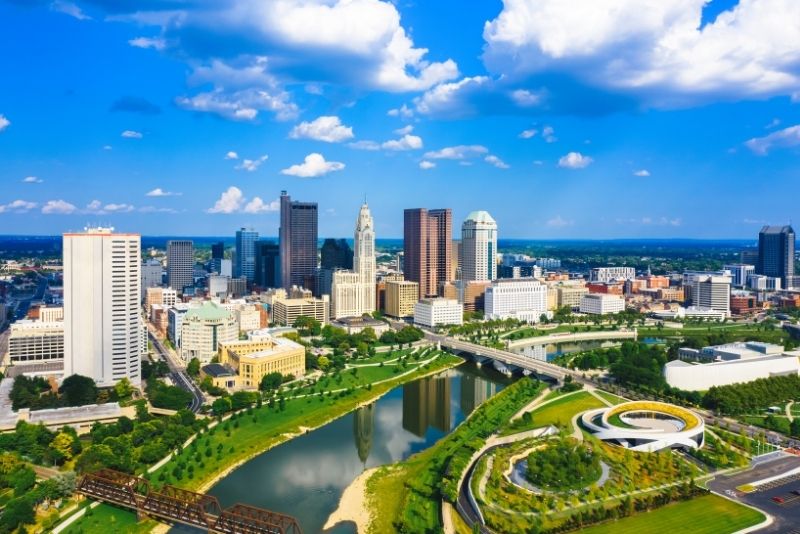
As we look toward the next decade, the trajectory for Columbus is clear: it is positioning itself to be a global leader in the Fourth Industrial Revolution. The convergence of physical manufacturing (semiconductors), data storage (data centers), and software innovation (startups) creates a resilient economic model that is less prone to the boom-and-bust cycles of more specialized tech hubs.
For those wondering what to do in Columbus, the answer lies in witnessing this evolution firsthand. It is about visiting the innovation districts where the next great AI application is being coded, exploring the logistics centers where autonomous drones are being tested, and engaging with a community that is fundamentally redefining what a “tech city” looks like. Columbus is no longer just a destination in the Midwest; it is a destination for the future of technology. Whether you are interested in the granular details of digital security or the high-level strategy of smart city integration, Columbus offers a comprehensive look at the digital world being built from the ground up.
aViewFromTheCave is a participant in the Amazon Services LLC Associates Program, an affiliate advertising program designed to provide a means for sites to earn advertising fees by advertising and linking to Amazon.com. Amazon, the Amazon logo, AmazonSupply, and the AmazonSupply logo are trademarks of Amazon.com, Inc. or its affiliates. As an Amazon Associate we earn affiliate commissions from qualifying purchases.