
A broken retainer isn’t just an inconvenience; it can quickly become an unexpected financial burden if you’re not prepared. While the immediate concern might be the structural integrity of your orthodontic results, the underlying financial implications for repair, replacement, or even subsequent orthodontic treatment can be substantial. Understanding the monetary aspects and having a strategic financial plan in place is crucial for navigating this common dental dilemma without derailing your budget.
The Immediate Financial Aftermath: Assessing the Damage and Cost
When your retainer breaks, the first step, after contacting your orthodontist, should be a swift financial assessment. The cost can vary significantly depending on the type of retainer (Hawley, Essix, fixed), the extent of the damage, and the urgency of replacement. Procrastination in addressing a broken retainer can lead to teeth shifting, which inevitably results in higher costs down the line for corrective measures.
Understanding Replacement and Repair Costs
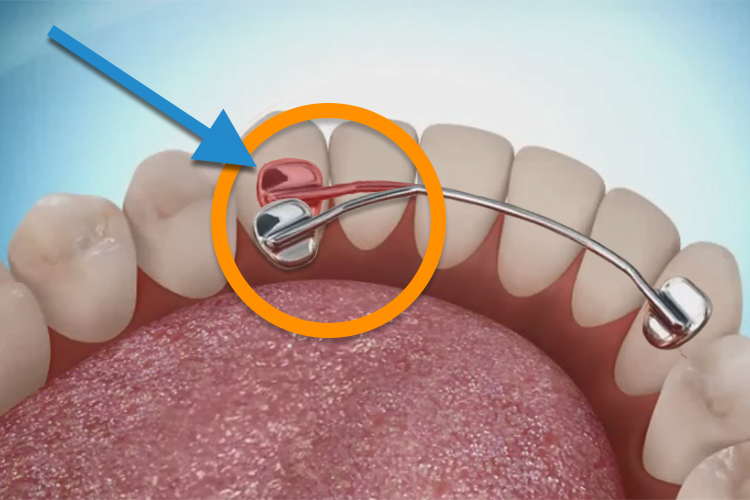
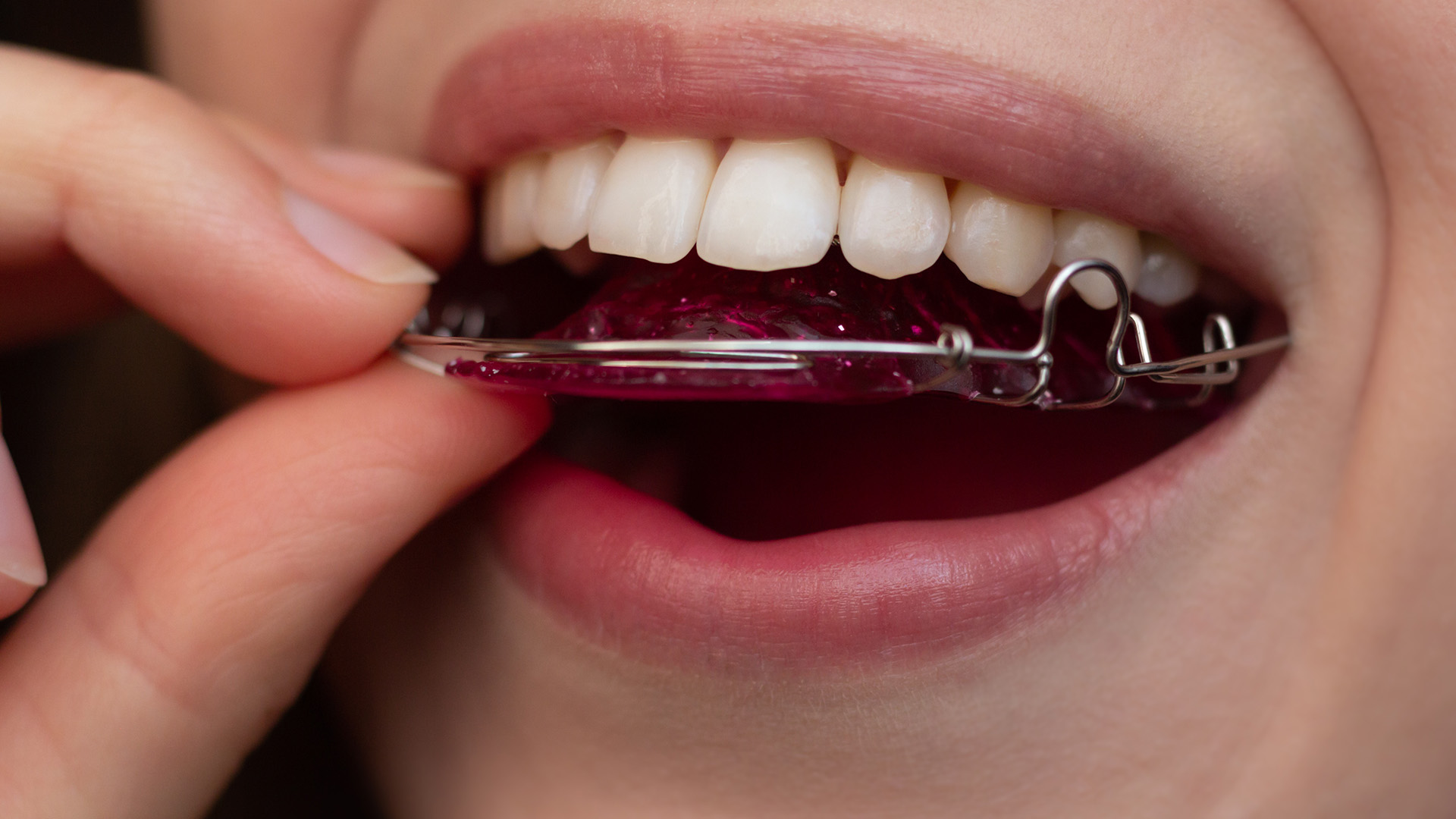
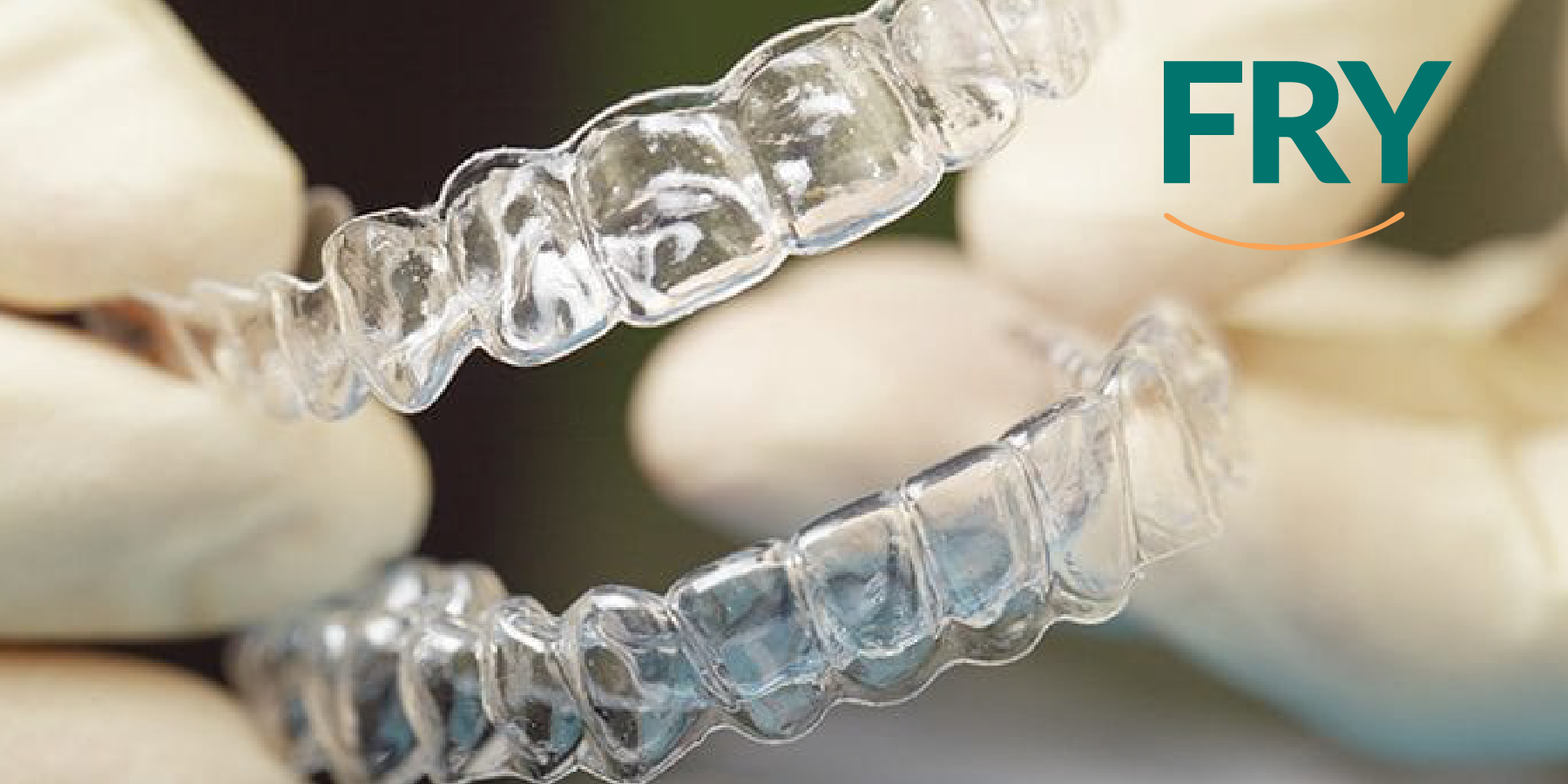
The cost of replacing a retainer typically ranges from a few hundred dollars to upwards of $500, depending on the clinic’s pricing, the type of retainer, and your geographic location. A Hawley retainer, with its acrylic and wire components, might fall on the higher end due to its custom fabrication, while clear Essix retainers are often less expensive to reproduce. If only a minor crack or bend is present in a removable retainer, a repair might be possible, which is usually significantly cheaper than a full replacement. Fixed retainers, which are bonded to the back of your teeth, can be more complex and costly to repair or re-bond if they detach or break, sometimes requiring a visit to an orthodontist specializing in these types of appliances.
It’s vital to obtain a clear estimate from your orthodontic provider as soon as possible. Ask for a breakdown of costs, including materials, labor, and any associated consultation fees. Sometimes, the initial visit to assess the damage might incur a separate charge, even if you decide not to proceed with their services immediately. Being informed about these potential expenses allows for better financial planning and comparison shopping, if feasible.
Emergency Consultation Fees and Hidden Costs
In some cases, a broken retainer might necessitate an emergency appointment, especially if it’s causing discomfort or if there’s a risk of rapid tooth movement. Emergency appointments often come with a premium charge compared to standard follow-up visits. Furthermore, consider potential “hidden” costs such as impressions or scans required for a new retainer, which may be billed separately. Factor in transportation costs to and from the clinic, especially if multiple visits are needed. If you’re traveling or away from your primary orthodontist, seeking care from a new provider might also introduce an initial patient examination fee. These seemingly minor expenses can accumulate, making a dent in your unplanned expenditures.
Leveraging Your Financial Tools: Insurance, FSAs, and HSAs
Navigating the financial landscape of a broken retainer becomes significantly less daunting when you understand how your existing financial tools can mitigate the burden. Dental insurance, Flexible Spending Accounts (FSAs), and Health Savings Accounts (HSAs) are designed precisely for these types of healthcare expenditures.
Decoding Dental Insurance Coverage for Orthodontic Maintenance
Dental insurance coverage for retainers can be highly variable. Many plans offer some level of coverage for orthodontic treatment, but the fine print often dictates how maintenance items like retainers are handled. Some policies may cover the initial set of retainers provided at the end of orthodontic treatment but exclude replacements. Other plans might offer partial coverage for a replacement retainer if it breaks within a certain timeframe, or if it’s deemed medically necessary due to a defect rather than user error.
It’s crucial to contact your dental insurance provider directly and inquire about your specific plan’s benefits regarding retainer replacement or repair. Ask explicit questions:
- “Is retainer replacement covered under my plan?”
- “What percentage is covered, and is there a deductible or co-pay?”
- “Are there any limitations regarding the frequency of replacement or the reason for breakage?”
- “Does my plan distinguish between fixed and removable retainers for coverage purposes?”
- “Will a repair be covered differently than a full replacement?”
Understanding these details beforehand can prevent unexpected bills and help you make an informed financial decision. Remember that even if your insurance doesn’t cover the full cost, it might still cover a portion, which can significantly reduce your out-of-pocket expense.
The Power of Health Savings Accounts (HSAs) and Flexible Spending Accounts (FSAs)
For those with high-deductible health plans, Health Savings Accounts (HSAs) are invaluable. Contributions to an HSA are tax-deductible, grow tax-free, and withdrawals for qualified medical expenses—which include most orthodontic costs, including retainers—are also tax-free. This triple tax advantage makes HSAs a highly efficient way to save for unexpected healthcare costs. If you have an HSA, utilizing these funds for a broken retainer is a smart financial move.
Similarly, Flexible Spending Accounts (FSAs) allow you to set aside pre-tax dollars from your paycheck for qualified medical expenses. While FSAs typically have a “use-it-or-lose-it” rule (meaning funds usually expire at the end of the plan year), they are excellent for covering immediate, anticipated expenses. If you have FSA funds available, a broken retainer provides a perfect opportunity to use those pre-tax dollars, effectively reducing the actual cost of the retainer by your tax bracket percentage. Always confirm that retainer replacement is a qualified expense under your specific FSA plan, though it generally is. Maximize these accounts to cover not only the retainer itself but also any associated consultation fees, molds, or adjustments.
Budgeting for the Unexpected: Building a Dental Emergency Fund
The best defense against the financial shock of a broken retainer is proactive planning. Incorporating potential orthodontic maintenance into your overall financial strategy can save you stress and money in the long run.
Allocating Funds for Orthodontic Maintenance
Even after orthodontic treatment concludes, the journey to maintaining a perfect smile isn’t entirely over. Retainers are a lifetime commitment, and like any frequently used item, they are susceptible to wear and tear, or accidental breakage. Therefore, it’s prudent to create a dedicated line item in your personal budget for “Dental & Orthodontic Maintenance.”
Consider setting aside a small, regular amount—perhaps $10-$20 per month—into a specific savings account or sub-account. Over time, these funds will accumulate, creating a buffer for retainer replacement, unexpected adjustments, or even routine dental cleanings not fully covered by insurance. This approach transforms a potential crisis into a manageable expense, avoiding the need to dip into emergency funds designated for more severe unforeseen events. Think of it as an “insurance premium” you pay to yourself for maintaining your smile.
Prioritizing Dental Health in Your Budget
Beyond just retainers, dental health is an integral part of overall well-being and deserves a dedicated place in your financial priorities. Neglecting dental issues due to financial constraints can lead to more severe, expensive problems down the line. A broken retainer, if not addressed, can result in orthodontic relapse, requiring a second round of braces or aligners, which can cost thousands of dollars.
Assess your monthly discretionary spending. Are there areas where you can trim back slightly to allocate more towards a dental health fund? This isn’t about deprivation, but about smart allocation to prevent much larger financial outlays later. Prioritizing consistent dental care, including retainer checks and replacements, is an investment in your long-term health and financial stability.
Long-Term Financial Implications of Neglect
Ignoring a broken retainer is a decision that almost invariably leads to significantly higher costs in the future. While it might seem like a way to save money in the short term, the long-term financial consequences far outweigh any immediate savings.
The Cost of Relapse: More Extensive Orthodontic Work
Without a functional retainer, teeth have a natural tendency to shift back to their original positions – a phenomenon known as orthodontic relapse. This can happen surprisingly quickly, sometimes within weeks or months. Once significant shifting occurs, simply replacing the retainer may no longer be sufficient. The financial implications can be severe:
- Minor Adjustments: If the shifting is minimal, you might need an adjusted retainer or a short course of clear aligners, which could still range from several hundred to a couple of thousand dollars.
- Full Retreatment: For more substantial relapse, a full course of orthodontic treatment (braces or clear aligners) might be necessary. This typically costs thousands of dollars, often comparable to the initial treatment, ranging from $3,000 to $8,000 or more, depending on the complexity and duration. This would involve new consultations, new appliances, and extended treatment periods.
- Compounding Issues: Severe relapse can also lead to other dental problems such as bite issues, increased wear on teeth, and difficulty cleaning, potentially necessitating further restorative dental work down the line.
The cumulative cost of neglecting a broken retainer can easily exceed ten times the cost of a simple replacement. This stark reality underscores the importance of immediate action.
Avoiding Future Financial Strain Through Proactive Care
Proactive financial management regarding your retainers can prevent this costly cycle. This means:
- Regular Check-ups: Adhering to your orthodontist’s recommended follow-up schedule allows for early detection of wear or minor damage to your retainer, enabling timely and less expensive repairs.
- Proper Care: Following instructions for cleaning and storing your retainer correctly extends its lifespan, reducing the frequency of replacement. Avoid situations that could damage it, such as wrapping it in a napkin (leading to accidental disposal) or exposing it to extreme heat.
- Budgetary Allocation: As discussed, a dedicated fund for orthodontic maintenance is your best financial buffer against unexpected breakages.
Investing in a new retainer promptly is a small expense compared to the potential financial burden of repeating years of orthodontic treatment and managing subsequent dental problems. It’s an act of financial foresight that protects your original investment in a healthy, straight smile.
Exploring Affordable Solutions and Payment Plans
Even with insurance and savings, the cost of a new retainer can be a stretch for some budgets. Fortunately, there are strategies to explore more affordable solutions and manage payments.
Comparing Provider Costs and Alternatives
Orthodontic practices often have varying price points for retainers. If you are no longer under the active care of your original orthodontist, or if their prices seem prohibitive, it might be worthwhile to call a few different local orthodontists or general dentists to inquire about their retainer replacement costs. Sometimes, general dentists who offer some orthodontic services might provide more competitive pricing for basic retainers.
For removable retainers, especially Essix-style clear retainers, some online services offer custom retainers at a lower price point, often requiring you to take your own impressions at home. While potentially more affordable, evaluate these options carefully, considering the accuracy of at-home impressions and the lack of direct professional oversight. Always consult with your original orthodontist or a trusted dental professional before opting for online alternatives to ensure they are suitable for your specific needs and won’t compromise your orthodontic results.
Negotiating Payment Options and Plans
Don’t hesitate to discuss your financial situation with your orthodontist’s office. Many practices are willing to work with patients to make necessary treatment more affordable. They might offer:
- In-house payment plans: Spreading the cost of a new retainer over a few months with no interest.
- Discount for upfront payment: Some offices offer a small discount if you can pay the full amount at the time of service.
- Third-party financing: Options like CareCredit allow you to finance healthcare expenses, often with promotional interest-free periods if paid within a certain timeframe. Be sure to understand the terms and conditions thoroughly to avoid high-interest rates if the balance isn’t paid off in time.
Considering Third-Party Financing
Third-party medical financing companies are specifically designed to help patients manage healthcare costs. These companies typically offer various plans, including interest-free options for a defined period (e.g., 6 or 12 months) or longer-term plans with competitive interest rates. Before committing to such a plan, carefully compare the interest rates, repayment terms, and any associated fees. Ensure that the monthly payments fit comfortably within your budget to avoid accumulating debt. A broken retainer, while an annoyance, can be managed effectively with careful financial planning and proactive engagement with your dental provider and financial tools.
aViewFromTheCave is a participant in the Amazon Services LLC Associates Program, an affiliate advertising program designed to provide a means for sites to earn advertising fees by advertising and linking to Amazon.com. Amazon, the Amazon logo, AmazonSupply, and the AmazonSupply logo are trademarks of Amazon.com, Inc. or its affiliates. As an Amazon Associate we earn affiliate commissions from qualifying purchases.