
Getting electrocuted from an electrical outlet is a terrifying and potentially life-threatening experience. While the immediate shock can be jarring, understanding the correct steps to take afterward is crucial for your safety and well-being. This guide, drawing from principles of technology, safety, and preparedness, will walk you through what to do in such an emergency, and how to mitigate future risks.
Immediate Actions and Safety First
The first few moments after an electrical shock are critical. Your priority is to ensure your own safety and the safety of anyone around you. This isn’t about understanding the intricacies of electrical current or the underlying technology; it’s about rapid, decisive action.
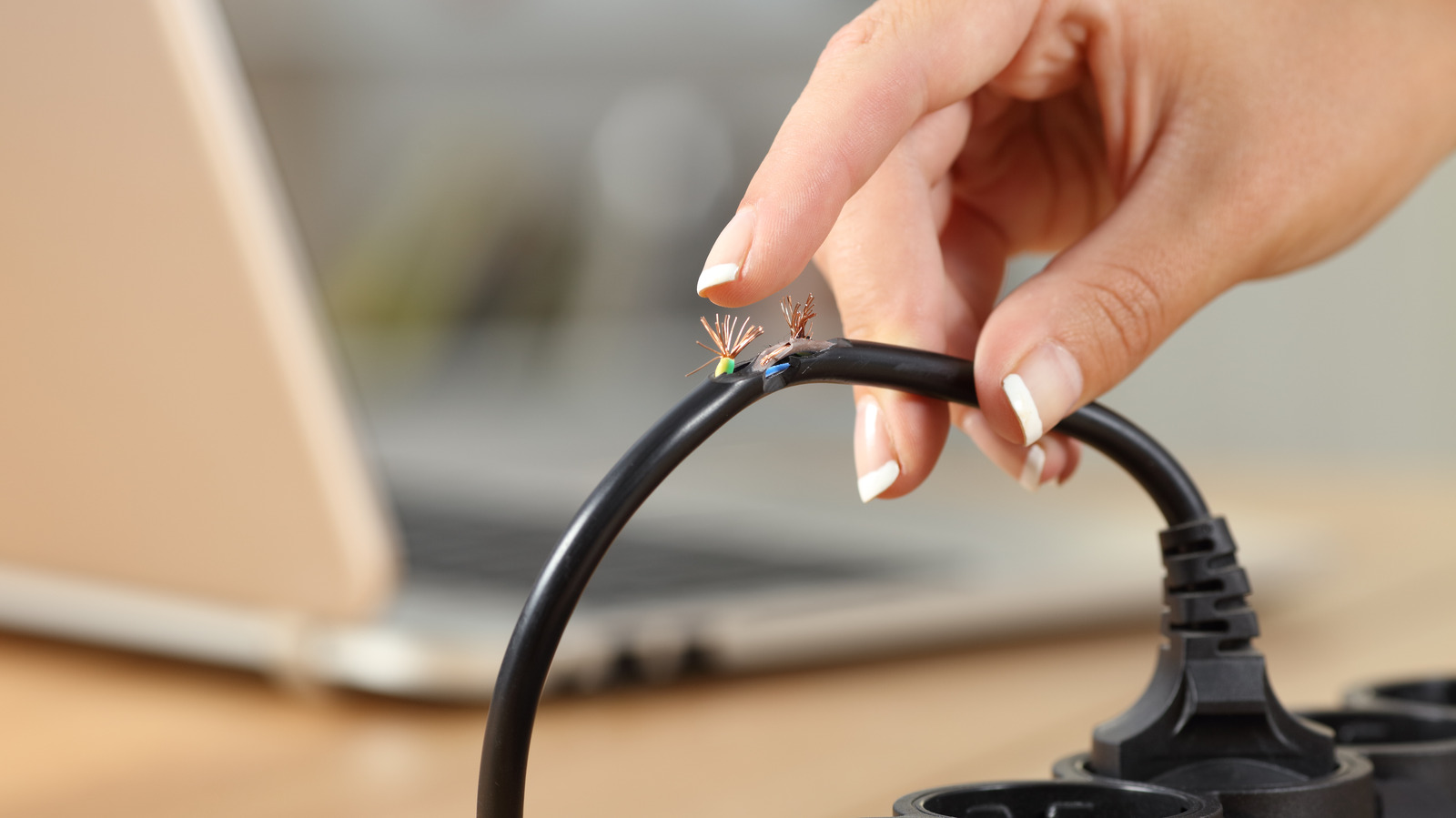
1. Break the Contact: Safely Disconnect the Power Source
This is the absolute, non-negotiable first step. DO NOT TOUCH THE PERSON if they are still in contact with the electrical source. Touching them could make you a second victim.
-
If Possible, Safely Turn Off the Power:
- Locate the circuit breaker or fuse box. This is usually found in a basement, garage, utility room, or a hallway closet.
- Identify the correct breaker. If labeled, look for circuits related to the room where the incident occurred. If not labeled, you may need to use a process of elimination.
- Flip the breaker to the “OFF” position. If it’s a fuse, unscrew it completely.
- If you can’t find the breaker or are unsure, do not waste time. Your next option is to create a barrier.
-
Create a Barrier (If Power Cannot Be Turned Off Immediately):
- Use a non-conductive material. Think thick rubber, dry wood, a sturdy plastic object, or a thick, dry rug.
- Carefully push or pull the person away from the electrical source using this barrier. The goal is to break the connection between their body and the electricity.
- Avoid using anything wet, metallic, or conductive. This includes metal poles, wet rags, or anything that could transmit electricity.
2. Assess the Victim and Call for Emergency Services
Once the person is no longer in contact with the electricity, your immediate focus shifts to their condition.
-
Check for Responsiveness:
- Gently tap the person and shout, “Are you okay?”
- Look for signs of breathing.
-
Call Emergency Services (911 or your local emergency number):
- Do this immediately after ensuring the power is off or the person is no longer in contact.
- Provide clear and concise information:
- Your location (address, nearest intersection, landmarks).
- That an electrocution has occurred.
- The condition of the victim (conscious/unconscious, breathing/not breathing, any visible injuries).
- Your name and callback number.
- Stay on the line until the dispatcher tells you to hang up. They may provide further instructions.
3. Administer First Aid (If Trained)
If you have received basic first aid and CPR training, and the victim is not breathing or has no pulse, you may need to perform CPR.
-
Begin CPR:
- Position the victim on their back on a firm surface.
- If you are unsure about rescue breaths, hands-only CPR (continuous chest compressions) is still effective.
- Push hard and fast in the center of the chest, about 100-120 compressions per minute.
- Do not start CPR if you suspect a spinal injury unless absolutely necessary to perform chest compressions.
- Continue CPR until emergency medical professionals arrive or the person starts breathing on their own.
-
Manage Other Injuries:
- Look for burns, especially at entry and exit points of the electrical current. These can be severe.
- If the victim has stopped breathing, prioritize CPR.
- If the victim is conscious, try to keep them still and comfortable.
- Do not move the victim unnecessarily, especially if you suspect a fall or spinal injury occurred as a result of the shock.
Understanding the Impact of Electrical Shock
While the immediate aftermath is about survival, it’s important to have a basic understanding of what electricity does to the body. This knowledge, though technical in nature, can inform your actions and help you recognize potential long-term effects.
The Science Behind Electrocution
Electricity follows the path of least resistance through the body. This path can cause significant damage to tissues, organs, and the nervous system.
- Electrical Burns:
- Entry and Exit Wounds: Current entering and exiting the body can cause deep, severe burns. These may not always be immediately visible on the skin’s surface but can affect underlying muscle and bone.
- Internal Heating: The electrical current can generate heat within the body, causing internal tissue damage.

- Cardiac and Neurological Effects:
- Cardiac Arrest: The heart’s electrical rhythm can be disrupted, leading to irregular heartbeats or complete cardiac arrest. This is a primary cause of death from electrocution.
- Nerve Damage: The nervous system relies on electrical signals. High voltage can disrupt these signals, leading to temporary or permanent nerve damage, paralysis, seizures, or loss of consciousness.
- Muscle Contractions: Intense muscle spasms can occur, making it difficult for the victim to release their grip on the electrical source. This is why the initial disconnection is so critical.
- Respiratory Arrest: The electrical current can affect the respiratory control center in the brain, leading to cessation of breathing.
Potential Complications and Long-Term Effects
Even if the immediate outcome is survival, electrocution can have serious and sometimes delayed consequences.
- Neurological Symptoms: Headaches, memory problems, difficulty concentrating, numbness, tingling, and chronic pain can persist.
- Psychological Effects: Anxiety, depression, and post-traumatic stress disorder (PTSD) are not uncommon after such a traumatic event.
- Organ Damage: Depending on the path of the current, damage to kidneys, liver, or other organs is possible.
- Cardiac Issues: Long-term heart rhythm disturbances may develop.
- Musculoskeletal Problems: Muscle damage, nerve damage, and even fractures from violent muscle contractions can lead to chronic pain and mobility issues.
It is imperative that anyone who has experienced an electrical shock, even if they feel fine afterward, seeks immediate medical attention. A thorough examination by healthcare professionals is essential to identify any hidden injuries or potential complications.
Preventing Future Electrical Hazards: A Proactive Approach
Understanding how to respond to an electrocution is vital, but the ultimate goal should be to prevent such incidents from happening in the first place. This involves a combination of technological awareness, smart practices, and maintaining a safe environment.
Ensuring Electrical Safety in Your Home and Workplace
Electrical safety isn’t just about avoiding direct contact; it’s about maintaining the integrity of your electrical system and being mindful of potential hazards.
-
Regular Inspections:
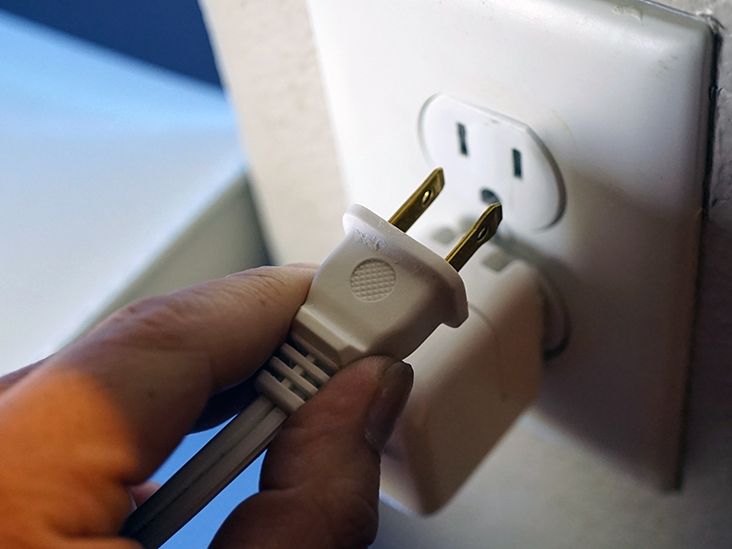
- Home: Periodically inspect outlets, cords, and appliances for any signs of wear and tear, fraying, or damage. Consider having a qualified electrician perform a thorough inspection of your home’s wiring, especially in older homes.
- Workplace: Similar inspections should be a routine part of workplace safety protocols.
-
GFCI and AFCI Protection:
- Ground Fault Circuit Interrupters (GFCIs): These are crucial for areas with moisture, such as bathrooms, kitchens, garages, and outdoor outlets. GFCIs detect imbalances in current and quickly shut off power, preventing shocks. Ensure they are installed and functioning correctly by testing them regularly.
- Arc Fault Circuit Interrupters (AFCIs): These protect against fires caused by electrical arcs, which can occur due to damaged wiring or loose connections. They are increasingly recommended for living areas.
-
Proper Use of Appliances and Cords:
- Never overload outlets or extension cords.
- Use extension cords only as a temporary solution. Permanently wired solutions are always safer.
- Ensure appliances are properly grounded.
- Keep electrical cords away from walkways to prevent tripping hazards.
- Do not run cords under carpets or rugs, as this can damage the insulation and create a fire hazard.
-
Childproofing:
- Use outlet covers or tamper-resistant outlets to prevent children from inserting objects into outlets.
- Keep electrical appliances and cords out of reach of young children.
Embracing Technology for Enhanced Safety
The world of technology offers innovative solutions to enhance electrical safety and monitor potential risks.
-
Smart Home Devices:
- Smart Plugs and Outlets: Some smart plugs offer surge protection and can be remotely monitored or shut off, providing an additional layer of control.
- Home Energy Monitors: These devices can help identify unusual power draws or fluctuations that might indicate a problem within your electrical system.
-
Electrical Testing Tools:
- Outlet Testers: Simple, inexpensive tools can quickly verify if an outlet is wired correctly and if the ground is functioning.
- Voltage Detectors: Non-contact voltage detectors can alert you to the presence of live electrical currents, a valuable tool for DIY electrical work or when dealing with potentially hazardous situations.
Developing a Safety-Conscious Mindset
Beyond tangible measures, cultivating a proactive safety mindset is paramount. This aligns with the principles of risk management and personal responsibility that are crucial in both technological adoption and financial planning.
- Educate Yourself and Your Family: Ensure everyone in your household understands basic electrical safety rules.
- Respect Electricity: Always treat electrical outlets, cords, and appliances with caution.
- Don’t Attempt Risky DIY: If you are not comfortable or experienced with electrical work, hire a qualified electrician. This is akin to seeking professional advice for complex financial investments.
- Stay Informed: Keep up-to-date with electrical safety recommendations and evolving building codes.
By understanding the immediate steps to take during an electrocution, appreciating the potential long-term impacts, and proactively implementing safety measures, you can significantly reduce the risk of such incidents and ensure a safer environment for yourself and your loved ones. Just as in managing personal finance or navigating new technologies, preparedness and informed action are your greatest assets.
aViewFromTheCave is a participant in the Amazon Services LLC Associates Program, an affiliate advertising program designed to provide a means for sites to earn advertising fees by advertising and linking to Amazon.com. Amazon, the Amazon logo, AmazonSupply, and the AmazonSupply logo are trademarks of Amazon.com, Inc. or its affiliates. As an Amazon Associate we earn affiliate commissions from qualifying purchases.