
Earthquakes, sudden and often devastating, are among the most feared natural disasters, capable of transforming landscapes and lives in mere seconds. While the raw power of seismic activity remains beyond human control, our ability to anticipate, respond to, and recover from these events has been profoundly enhanced by advancements in technology. In an increasingly interconnected world, understanding “what to do if an earthquake occurs” extends far beyond traditional safety drills; it now encompasses a strategic embrace of digital tools, resilient infrastructure, and smart systems designed to protect, inform, and rebuild. This guide delves into the crucial role technology plays across the entire lifecycle of an earthquake event, offering insights into leveraging innovation for survival, communication, and recovery.
The Digital Frontier of Early Warning and Proactive Preparedness
The most effective response to any disaster begins long before it strikes. For earthquakes, technology has opened unprecedented avenues for early warning, risk assessment, and preparedness that significantly mitigate potential harm.
Sensing the Unseen: Advanced Detection Systems
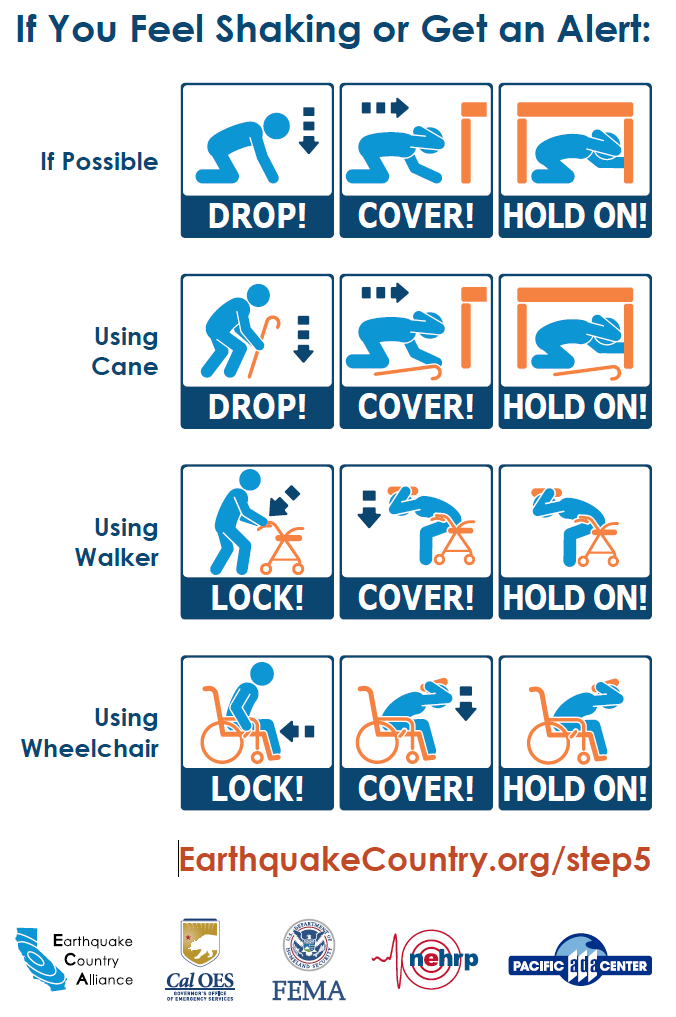
The bedrock of technological preparedness lies in sophisticated seismic detection networks. Modern seismographs, equipped with high-precision sensors and real-time data transmission capabilities, form vast global and regional grids. These instruments continuously monitor ground motion, feeding data into centralized systems that can detect the subtle P-waves (primary waves) that precede the more destructive S-waves (secondary waves) and surface waves. While the lead time is often mere seconds to a minute, these critical moments can be sufficient to trigger automated safety protocols and issue vital alerts. Technologies like the ShakeAlert system in the Western United States exemplify this, providing valuable seconds for people to drop, cover, and hold on, and for automated systems to shut down critical infrastructure, slow trains, and open fire station doors.
Real-Time Alerts and Emergency Notifications
Beyond raw detection, the effectiveness of early warning hinges on rapid dissemination. Emergency notification systems, leveraging cellular networks (SMS alerts, push notifications via apps), broadcast television and radio, and even smart devices, are pivotal. These systems are designed to bypass congested communication channels during a crisis, ensuring that alerts reach the maximum number of people in the shortest possible time. Apps developed by governmental agencies or third-party developers can transform smartphones into personal alert systems, often geo-fenced to provide localized warnings based on proximity to seismic activity. Furthermore, public address systems integrated with early warning technology can provide audible alerts in schools, workplaces, and public spaces, guiding immediate actions.
Leveraging AI and Machine Learning for Risk Assessment
The sheer volume of seismic data collected globally presents a monumental analytical challenge, one that Artificial Intelligence (AI) and Machine Learning (ML) are uniquely poised to address. AI algorithms can sift through historical seismic patterns, current sensor data, and even GPS deformation measurements to identify subtle precursors or predict regions of increased seismic stress with greater accuracy than traditional methods. ML models can refine hazard maps, identifying vulnerable infrastructure and high-risk areas based on geological data, building codes, and population density. This predictive capability moves beyond mere detection, enabling urban planners, emergency services, and individuals to make more informed decisions about construction, evacuation routes, and resource allocation long before an earthquake occurs, transforming reactive response into proactive resilience.
Immediate Response: Tech Tools for Safety and Survival During the Event
When an earthquake strikes, the immediate priority is personal safety. In these critical moments, technology can act as an invaluable aid, providing guidance, resources, and even automatic protective measures.
Survival Apps and Offline Resources
In the chaos of an earthquake, internet connectivity and cellular service can be unreliable or completely absent. This is where offline-capable survival apps become indispensable. These applications can store essential information such as first-aid guides, emergency contact numbers, maps of safe zones, and instructions on how to shut off utilities (gas, water, electricity). Some apps also feature compasses, flashlights, and even basic walkie-talkie functionalities using Wi-Fi Direct or Bluetooth, allowing communication within close proximity without cellular networks. Curated lists of emergency supplies, along with checklists for earthquake kits, are also common features, guiding individuals in constructing a comprehensive preparedness strategy. Educating oneself on these apps before an event is crucial, ensuring quick access and familiarity during a crisis.
Smart Home Integration for Enhanced Safety
The advent of smart home technology brings a new layer of automated safety to earthquake preparedness. Integrated systems can be programmed to respond to early earthquake warnings or direct seismic activity. This might include automatically unlocking doors for easier evacuation, shutting off gas lines to prevent fires, turning on emergency lighting, or even closing automatic blinds to prevent shattered glass from flying. Devices like smart smoke detectors and carbon monoxide detectors, often linked to central hubs, can continue to function on battery backup and alert residents to secondary hazards. While still evolving, the potential for smart homes to autonomously mitigate immediate dangers is significant, providing peace of mind and precious seconds when every moment counts.
Portable Power and Communication Gadgets
During and immediately after an earthquake, power outages are common, and critical communication infrastructure can be compromised. Equipping oneself with portable power solutions is paramount. Power banks, solar chargers, and hand-crank generators can keep smartphones, radios, and other essential gadgets operational. Satellite phones, though a significant investment, offer a robust communication lifeline independent of terrestrial networks, making them invaluable for remote areas or severe widespread damage. Two-way radios (walkie-talkies) are excellent for short-range communication within a family or group, especially where cellular service is down. Additionally, NOAA weather radios with alert functions are crucial for receiving official broadcasts about ongoing hazards and recovery efforts, even if other communication channels fail.
Bridging the Information Gap: Connectivity and Communication Post-Quake
After the ground stops shaking, the immediate aftermath often presents a chaotic information vacuum. Re-establishing communication and gaining situational awareness are vital for rescue efforts and personal well-being. Technology plays a critical role in bridging this gap.
Satellite Communications and Mesh Networks

When terrestrial communication infrastructure fails, satellite technology becomes the primary conduit for information. Satellite phones and internet terminals can connect directly to orbiting satellites, bypassing damaged ground networks. While expensive, these tools are indispensable for first responders, government agencies, and critical infrastructure operators. For the general public, community-based mesh networks offer a promising, more accessible alternative. These ad-hoc networks, built from interconnected portable devices (like GoTenna Mesh or similar solutions), allow users to send messages and location data to each other over several miles without relying on cell towers or Wi-Fi. In an earthquake-devastated area, these localized networks can facilitate critical communication between neighbors, aid workers, and survivors, helping to coordinate immediate assistance and locate missing persons.
Social Media and Crowdsourcing for Situational Awareness
In the age of digital connectivity, social media platforms have emerged as powerful tools for situational awareness during and after disasters. Platforms like Twitter, Facebook, and Instagram, if accessible, become real-time information hubs where individuals share observations, seek help, and relay news. Crowdsourcing platforms and apps specifically designed for disaster response allow citizens to report damage, identify areas needing assistance, or mark themselves safe, creating a dynamic, granular map of the affected region. Emergency services often monitor these channels for critical intelligence, and designated hashtags can help organize and filter information. However, users must exercise caution and critical thinking, as misinformation can also spread rapidly during such events. Relying on verified accounts and official sources is paramount.
Battery Management and Power Conservation Strategies
With limited power resources, intelligent battery management becomes crucial. Smartphones and other devices, while vital, are power-hungry. Users should be educated on aggressive power-saving techniques: disabling Wi-Fi, Bluetooth, and location services when not needed; lowering screen brightness; putting phones in airplane mode; and closing unnecessary background apps. Text messaging consumes far less battery than voice calls or data usage. Having multiple charged power banks, solar chargers, and even car chargers can extend device life. For critical communication, prioritize sending concise text messages over calls, reserving voice for absolute emergencies. Understanding these strategies ensures that vital communication devices remain functional for as long as possible, maintaining a lifeline to the outside world.
Beyond Survival: Technology for Recovery and Rebuilding
The challenges don’t end when the shaking stops. The path to recovery and rebuilding is long and complex, and here too, technology offers transformative solutions, from assessing damage to restoring livelihoods.
Geospatial Data and Drone Technology for Damage Assessment
Assessing the extent of damage post-earthquake is a monumental task that traditionally relied on dangerous ground inspections. Drones equipped with high-resolution cameras, LiDAR (Light Detection and Ranging) sensors, and thermal imaging capabilities have revolutionized this process. They can quickly survey vast affected areas, providing real-time imagery and 3D models of damaged infrastructure, collapsed buildings, and impassable roads, often in environments too hazardous for human entry. This geospatial data, when integrated with GIS (Geographic Information Systems) platforms, allows emergency managers, engineers, and urban planners to accurately quantify damage, prioritize rescue efforts, and allocate resources efficiently. Satellite imagery also plays a crucial role in providing large-scale overviews, identifying changes to the landscape, and tracking the movement of debris or landslides.
Digital Identity and Document Preservation
An earthquake can obliterate physical homes and with them, irreplaceable personal documents such as birth certificates, property deeds, insurance policies, and medical records. Technology offers a robust solution through digital identity and secure cloud storage. Encouraging individuals to digitize and securely back up critical documents to multiple cloud platforms (e.g., encrypted drives, cloud storage services) before a disaster can prevent immense logistical and financial hurdles during recovery. Blockchain technology is also being explored for secure and immutable digital identity solutions, ensuring that individuals can prove their identity and access aid even without physical documentation. Easy access to these digital copies can expedite insurance claims, aid applications, and the process of rebuilding one’s life.
Community-Driven Tech Solutions for Aid Coordination
The spirit of community often shines brightest in the face of adversity, and technology can amplify these efforts. Online platforms and apps can facilitate peer-to-peer aid, allowing survivors to list specific needs (e.g., food, water, medical supplies, temporary shelter) and volunteers to offer resources or assistance. These platforms can connect individuals with localized support networks, help coordinate volunteer efforts, and track the distribution of aid, ensuring resources reach those most in need. Crowdfunding platforms can also be quickly deployed to raise funds for affected communities or specific families, bypassing traditional bureaucratic channels. By empowering communities to self-organize and coordinate through digital means, aid can be delivered more responsively and efficiently, fostering a stronger, more resilient recovery.
Cultivating a Resilient Tech Ecosystem for Future Earthquakes
The lessons learned from each earthquake refine our approach to preparedness and response. Building a truly resilient future requires continuous investment, collaboration, and innovation in our technological ecosystems.
Investing in Robust Infrastructure
A technologically advanced earthquake response hinges on resilient infrastructure. This means constructing earthquake-resistant data centers, hardening communication networks (e.g., burying fiber optic cables, using resilient materials for cell towers), and ensuring robust, decentralized power grids that can quickly isolate and restore affected areas. Investment in next-generation early warning systems, including ocean-bottom sensors and satellite-based monitoring, is critical for extending lead times and improving accuracy. Furthermore, developing mobile, rapidly deployable communication infrastructure (e.g., cellular-on-wheels units, portable satellite dishes) ensures that connectivity can be restored quickly even in heavily damaged regions.
Fostering Public-Private Partnerships in Disaster Tech
Innovation often flourishes at the intersection of public need and private ingenuity. Governments and emergency management agencies should actively foster partnerships with tech companies, startups, and research institutions. This collaboration can accelerate the development of new detection technologies, improve data analytics for risk modeling, create user-friendly emergency apps, and enhance communication solutions. Public-private partnerships can also facilitate the rapid deployment of emerging technologies during a crisis and ensure that these tools are integrated into existing emergency protocols, maximizing their effectiveness and reach.

Continuous Innovation and User Education
The landscape of technology is ever-evolving, and so too must our approach to earthquake preparedness. Continuous research and development into areas like AI for seismic prediction, advanced robotics for search and rescue, and resilient distributed communication networks are essential. However, the most sophisticated technology is useless if people don’t know how to use it. Therefore, comprehensive public education campaigns are paramount. These initiatives must teach citizens not only traditional “drop, cover, and hold on” techniques but also how to utilize emergency apps, conserve device battery life, interpret digital alerts, and leverage social media responsibly during a crisis. Empowering individuals with both the tools and the knowledge to use them effectively is the ultimate goal of a tech-driven approach to earthquake preparedness.
In conclusion, “what to do if an earthquake occurs” is no longer a question solely about physical actions; it’s a dynamic interplay with technology that enhances our safety, informs our decisions, and accelerates our recovery. From the critical seconds of early warning to the long road of rebuilding, digital innovations are transforming our capacity to face seismic events with greater resilience and hope.
aViewFromTheCave is a participant in the Amazon Services LLC Associates Program, an affiliate advertising program designed to provide a means for sites to earn advertising fees by advertising and linking to Amazon.com. Amazon, the Amazon logo, AmazonSupply, and the AmazonSupply logo are trademarks of Amazon.com, Inc. or its affiliates. As an Amazon Associate we earn affiliate commissions from qualifying purchases.