
The intersection of healthcare and technology has shifted the paradigm of how we respond to cardiovascular emergencies. When considering what to do for a heart attack, the traditional advice—calling emergency services and administering aspirin—remains the gold standard. However, the modern digital landscape has introduced a sophisticated layer of technological intervention that begins long before a patient reaches the emergency room. From wearable biosensors and artificial intelligence (AI) diagnostics to specialized software that streamlines emergency response, technology is now an integral part of the cardiac survival chain.
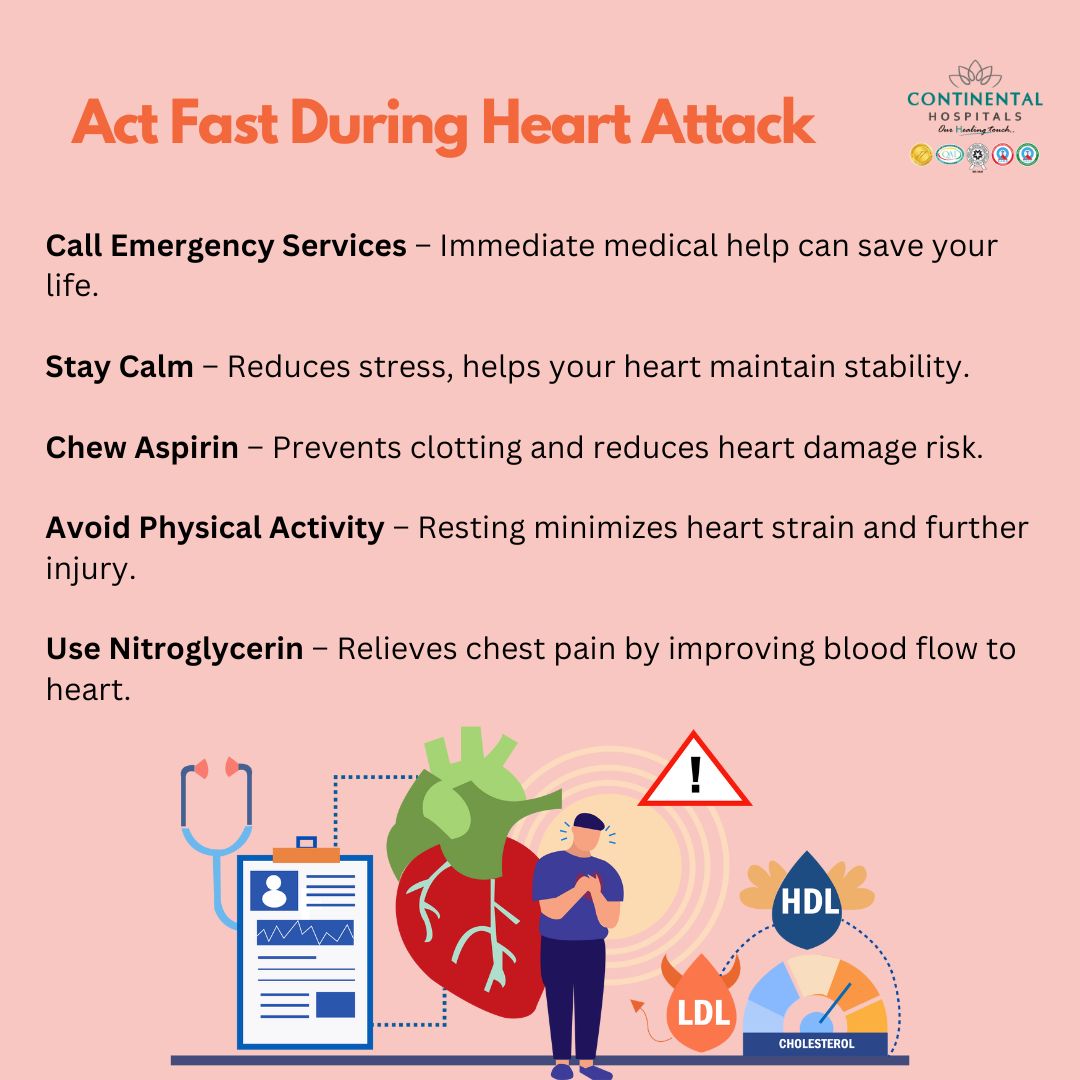
The evolution of these tools has transformed the “what to do” into a high-tech workflow. By leveraging the power of data, connectivity, and real-time monitoring, individuals and medical professionals can now detect, respond to, and manage heart attacks with unprecedented precision.
Wearable Technology: Your First Line of Defense
The first step in responding to a heart attack is often detection. In many cases, the symptoms can be subtle or misinterpreted. This is where wearable technology—specifically smartwatches and fitness trackers—has revolutionized the field. Devices from manufacturers like Apple, Samsung, and Withings have moved beyond simple step counting to become FDA-cleared medical monitors capable of identifying potential cardiac distress.
The Evolution of Smartwatch ECGs
Most modern high-end wearables now include an Electrocardiogram (ECG) feature. By creating a closed circuit between the back of the watch and the user’s finger, these devices can generate a single-lead ECG. While a single-lead ECG is not a substitute for the 12-lead diagnostic tools found in hospitals, it is remarkably effective at detecting Atrial Fibrillation (AFib) and other irregularities that could signal an impending or occurring cardiac event. When a user feels chest discomfort or palpitations, the digital prompt to “take an ECG” provides immediate data that can be shared instantly with a physician via a PDF export, bridging the gap between symptoms and professional consultation.
Fall Detection and Emergency SOS Integration
A critical component of “what to do” during a heart attack involves getting help when you are incapacitated. Advanced wearables utilize accelerometers and gyroscopes to detect “hard falls.” If a user suffers a heart attack and collapses, the device can sense the impact and the subsequent lack of movement. If the user does not dismiss the alert within a set timeframe, the device automatically triggers an Emergency SOS. This feature uses cellular or satellite connectivity to contact local emergency services, providing them with precise GPS coordinates. This automated response is a life-saving technological intervention for individuals who may be alone during an emergency.
Predictive Analytics through Continuous Monitoring
Beyond reactive measures, the tech industry is focusing on predictive analytics. By monitoring Heart Rate Variability (HRV) and Resting Heart Rate (RHR) over time, software algorithms can identify trends that deviate from a user’s baseline. Sudden spikes in RHR or significant drops in HRV are often physiological precursors to cardiac strain. Modern health apps now send “High Heart Rate” or “Low Heart Rate” notifications, prompting the user to seek medical advice before a full-scale heart attack occurs.
The AI Revolution in Early Detection and Diagnosis
Artificial Intelligence is the engine driving the next generation of cardiac care. When a patient enters the healthcare system during a heart attack, the “what to do” is increasingly guided by machine learning algorithms that can process data faster and more accurately than the human eye.
Algorithmic Interpretation of Heart Data
AI is now being used to interpret complex 12-lead ECGs in the emergency room. Specialized software can scan thousands of heart cycles in seconds to identify the “ST-Elevation Myocardial Infarction” (STEMI)—the most serious type of heart attack. These AI tools act as a “second pair of eyes” for emergency physicians, reducing the “door-to-balloon” time (the time between hospital arrival and the opening of a blocked artery). By automating the identification of subtle patterns in the ECG waveform, AI ensures that life-saving interventions start as quickly as possible.
Machine Learning in Emergency Dispatch
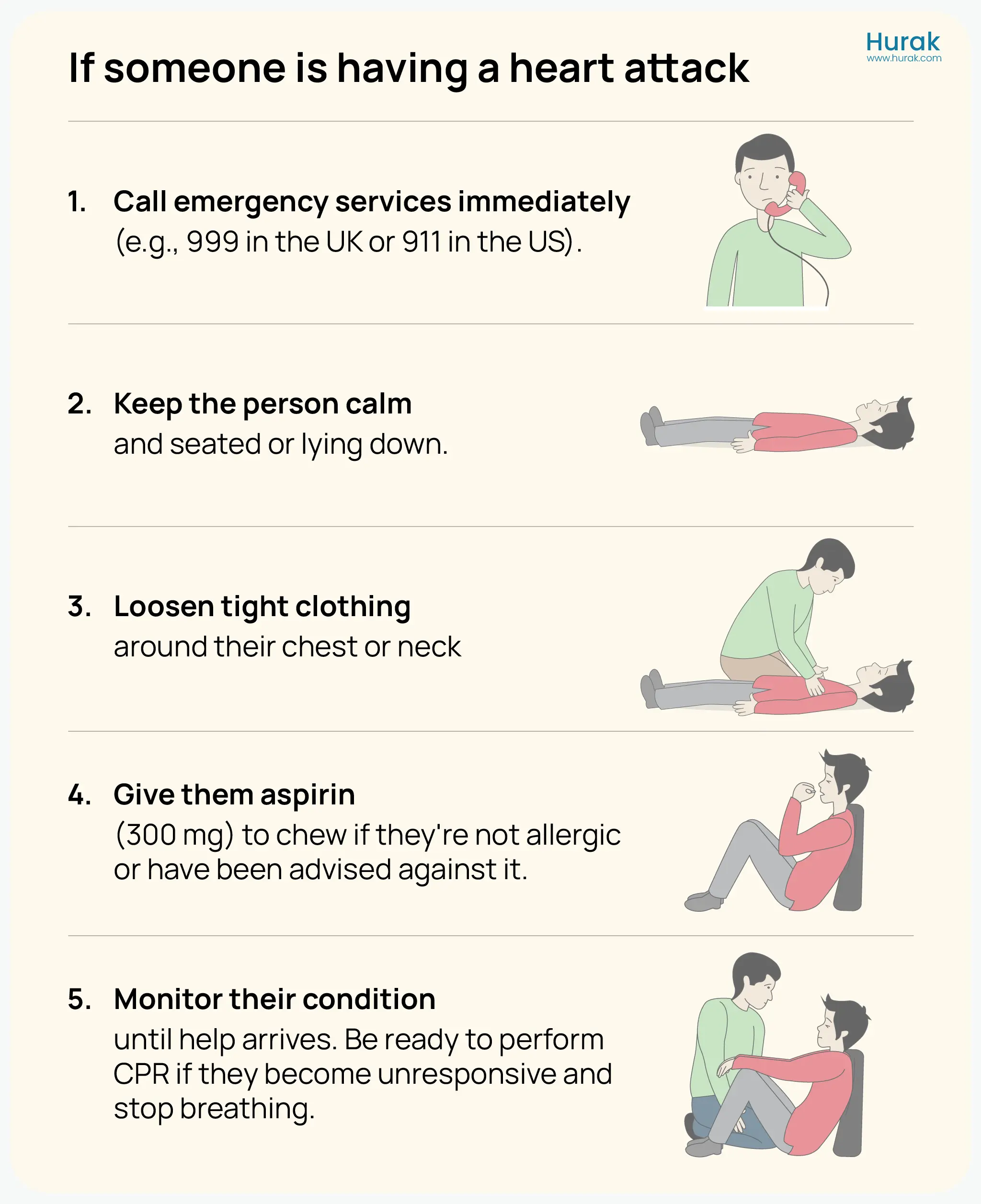
The role of AI starts even before the hospital. In some innovative jurisdictions, emergency dispatch centers use AI software to analyze the voice patterns and breathing sounds of callers. These algorithms are trained to recognize the specific verbal cues and gasps associated with cardiac arrest, which can be difficult for a human dispatcher to distinguish from other types of distress over the phone. When the AI identifies a high probability of a heart attack, it prompts the dispatcher to provide immediate CPR instructions and upgrades the priority of the ambulance response.
Hospital-Grade Software for Rapid Intervention
Once at the hospital, the management of a heart attack involves a complex coordination of cardiology teams, lab technicians, and nursing staff. Enterprise-level healthcare software now uses automated “activation” protocols. When a paramedic in the field uploads a digital ECG to the hospital’s cloud-based system, the software automatically alerts the catheterization lab (Cath Lab) team via their mobile devices. This eliminates the need for manual paging and ensures that the surgical suite is prepped and the specialists are scrubbed in before the patient even arrives at the hospital doors.
Mobile Health (mHealth) and Digital Security
In a cardiac emergency, information is as valuable as medication. Mobile Health (mHealth) apps and digital security protocols play a silent but vital role in what to do for a heart attack, ensuring that the right data reaches the right people securely.
Emergency Medical ID and App Integration
Both iOS and Android platforms offer built-in Medical ID features. These digital profiles allow users to list their medications, allergies, blood type, and emergency contacts. Crucially, this information is accessible from the lock screen, allowing first responders to view vital health data even if the patient is unconscious. Furthermore, apps like “PulsePoint” have gamified the emergency response. PulsePoint connects to the local 911 dispatch system and alerts CPR-trained citizens if someone nearby is having a cardiac emergency in a public place, directing them to the nearest Automated External Defibrillator (AED).
The Role of Telemedicine in Post-Event Management
The “what to do” phase extends into recovery. Telemedicine platforms and remote patient monitoring (RPM) gadgets allow cardiologists to track a patient’s recovery from their own home. Bluetooth-enabled blood pressure cuffs and weight scales sync data directly to a clinic’s electronic health record (EHR) system. If the software detects a sudden weight gain—a sign of fluid retention and potential heart failure post-attack—it triggers a red flag for the medical team to intervene pharmacologically, preventing a re-hospitalization.
Protecting Sensitive Health Data
As cardiac care becomes more digitized, digital security becomes paramount. The transmission of an ECG from a smartwatch to a doctor must comply with HIPAA (Health Insurance Portability and Accountability Act) in the US and GDPR (General Data Protection Regulation) in Europe. Tech companies are investing heavily in end-to-end encryption to ensure that while heart data is accessible for emergency response, it remains protected from cyber threats. Secure API (Application Programming Interface) integrations allow different software systems—such as a wearable app and a hospital’s EHR—to communicate without exposing the patient’s sensitive identity or history to the open web.
The Future of Telemedicine and the Internet of Medical Things (IoMT)
We are entering an era where the “what to do” for a heart attack will be almost entirely tech-driven, moving toward a proactive “Internet of Medical Things” (IoMT). This ecosystem consists of interconnected devices that communicate autonomously to maintain heart health.
5G and Real-Time Data Transmission
The rollout of 5G technology is a game-changer for cardiac emergencies. The high bandwidth and low latency of 5G allow ambulances to transmit high-definition, real-time video feeds and massive diagnostic data sets to hospital specialists. This means a cardiologist can virtually “enter” the ambulance, viewing the patient and their vitals in real-time to provide expert guidance to paramedics. This level of connectivity effectively moves the hospital’s expertise to the curb, significantly improving the chances of survival.
Smart Implantables and Bio-Sensors
The future of cardiac tech lies in what we can place inside the body. Smart pacemakers and implantable cardioverter-defibrillators (ICDs) are now equipped with Bluetooth connectivity. These devices can automatically transmit a daily report of the heart’s electrical activity to a secure cloud platform. If the device detects a life-threatening arrhythmia or delivers a shock to the heart, it can automatically notify the patient’s clinic. Researchers are even working on “bio-stickers”—thin, flexible sensors that adhere to the skin for weeks at a time, providing hospital-grade monitoring without the bulk of a traditional Holter monitor.
The Integration of Smart Home Technology
In the near future, the “what to do” response may even involve your smart home. Integration between health wearables and smart home hubs (like Amazon Alexa or Google Home) could allow for automated home adjustments during an emergency. For example, if a wearable detects a heart attack, the smart home could automatically unlock the front door for paramedics, turn on all interior and exterior lights to assist rescuers, and shut off the stove or other appliances to prevent secondary hazards.
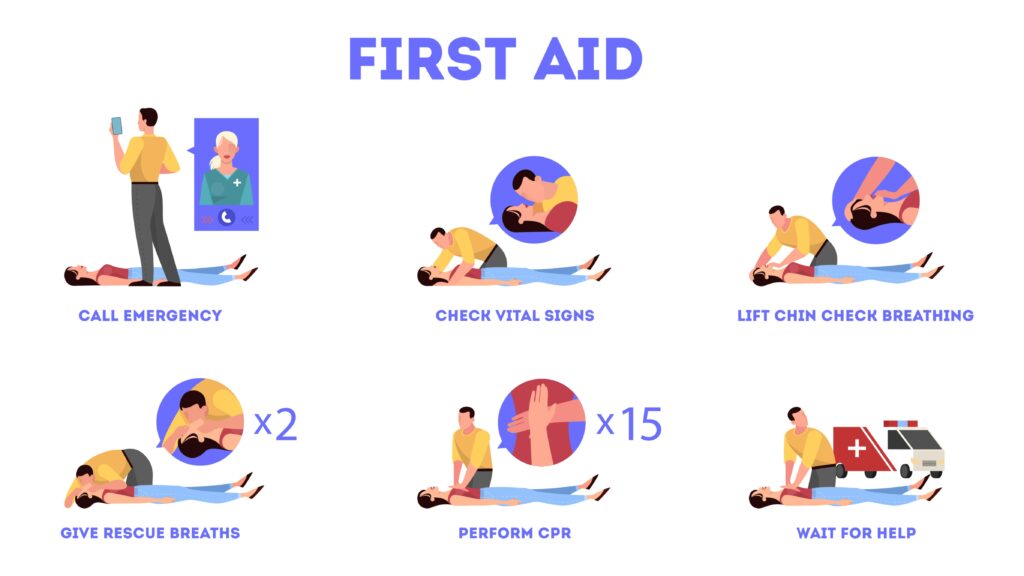
As technology continues to advance, the response to a heart attack becomes faster, smarter, and more integrated. While the human element—the skill of the surgeon and the care of the nurse—remains central, the digital tools at our disposal have fundamentally changed the timeline of intervention. In the modern age, knowing what to do for a heart attack involves embracing the gadgets, software, and AI that turn a few critical minutes into a lifetime of recovery.
aViewFromTheCave is a participant in the Amazon Services LLC Associates Program, an affiliate advertising program designed to provide a means for sites to earn advertising fees by advertising and linking to Amazon.com. Amazon, the Amazon logo, AmazonSupply, and the AmazonSupply logo are trademarks of Amazon.com, Inc. or its affiliates. As an Amazon Associate we earn affiliate commissions from qualifying purchases.