
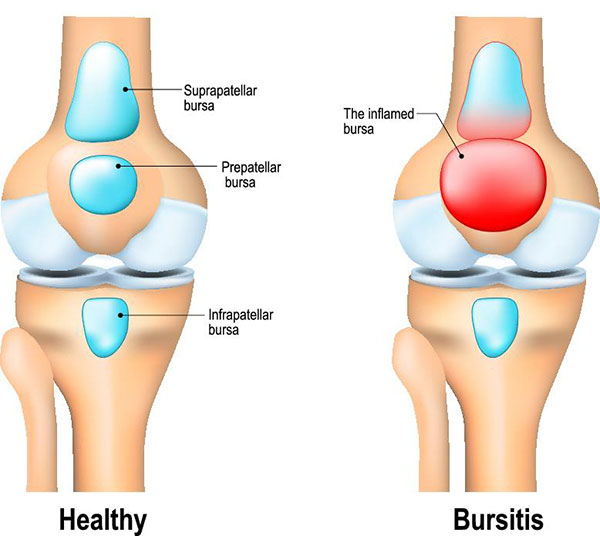
Bursitis, the inflammation of the bursae—small, fluid-filled sacs that cushion bones, tendons, and muscles near joints—can be a debilitating condition. While traditional medical approaches like rest, ice, medication, and physical therapy remain foundational, the rapid evolution of technology offers a powerful suite of new tools for prevention, diagnosis, treatment, and long-term management. Far from just a medical ailment, bursitis is increasingly becoming a domain where digital innovation and advanced engineering are providing more precise, personalized, and proactive solutions. This article explores how technology is revolutionizing “what to do about bursitis,” transforming patient care from the clinic to the comfort of one’s home.
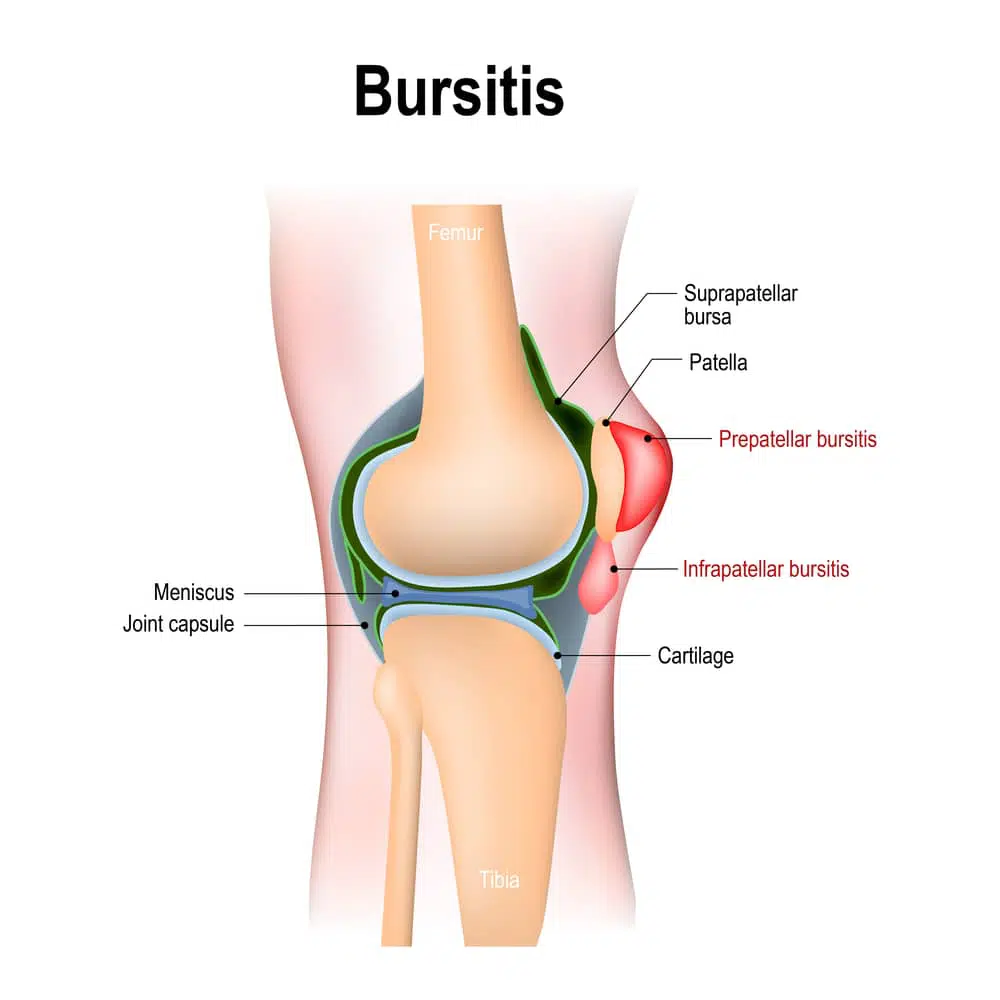
Understanding Bursitis Through a Digital Lens: Diagnostics and Prediction
The first step in effectively managing bursitis is accurate diagnosis and understanding its underlying causes. Technology is enhancing our ability to see beyond the surface, offering unparalleled insights into joint health and potential risk factors.
Diagnostic Innovations: Beyond the X-ray
While traditional imaging like X-rays can rule out bone issues, they don’t visualize soft tissues well. Modern diagnostic technology fills this gap with superior clarity:
- High-Resolution Ultrasound: Portable and non-invasive, ultrasound technology provides real-time images of bursae, tendons, and surrounding tissues. This allows clinicians to quickly identify inflammation, fluid accumulation, and other structural changes indicative of bursitis. Its dynamic nature means clinicians can observe joint movement and pain triggers in real-time, aiding in precise diagnosis and guided injections. Advanced ultrasound machines now integrate AI-driven image enhancement, improving clarity and reducing diagnostic time.
- Magnetic Resonance Imaging (MRI): For more complex cases or when pinpointing the exact cause is challenging, MRI offers detailed cross-sectional images of soft tissues, bones, and cartilage. This technology helps differentiate bursitis from other conditions like tendonitis or arthritis and can identify underlying issues like rotator cuff tears that might predispose an individual to shoulder bursitis. Recent advancements in MRI, such as 3T MRI systems, offer even higher resolution and faster scan times, making the diagnostic process more efficient and less stressful for patients.
- Thermal Imaging (Thermography): Though less common for routine diagnosis, thermal imaging can detect subtle changes in skin temperature, which can indicate inflammation. While not specific to bursitis, it can highlight areas of concern and guide further diagnostic investigation, especially in monitoring treatment effectiveness or identifying flares.
Predictive Analytics and Risk Assessment
Beyond immediate diagnosis, technology is moving towards predicting and preventing bursitis. Data science and AI are beginning to analyze vast datasets of patient demographics, lifestyle factors, activity levels, and medical history to identify individuals at higher risk.
- AI-Powered Health Platforms: These platforms can analyze patterns from electronic health records (EHRs), wearable device data, and self-reported symptoms to flag individuals who might be developing bursitis or are prone to recurrence. For example, an AI could identify a correlation between a specific occupation, repetitive motion patterns (tracked by wearables), and a higher incidence of elbow bursitis.
- Biomechanical Analysis Software: Used in sports medicine and rehabilitation, advanced motion capture systems (often involving high-speed cameras and sensor suits) can precisely analyze an individual’s gait, posture, and movement mechanics. This technology can identify biomechanical inefficiencies or repetitive strain patterns that contribute to bursitis, allowing for targeted preventative interventions or ergonomic adjustments.
Digital Solutions for Treatment and Management
Once diagnosed, the journey of treating and managing bursitis is increasingly supported by innovative digital tools, offering convenience, personalization, and enhanced efficacy.
Telehealth and Remote Physiotherapy Platforms
The rise of telehealth has fundamentally reshaped access to care, particularly for chronic conditions like bursitis that often require ongoing management and physical therapy.
- Virtual Consultations: Patients can consult with specialists, receive diagnoses, and get prescriptions without needing to travel, removing geographical barriers and reducing the burden of clinic visits. This is particularly beneficial for initial assessments or follow-up appointments.
- Remote Physical Therapy (PT) Platforms: These platforms offer guided exercise programs, often incorporating video demonstrations, progress tracking, and direct communication with a physical therapist. Some advanced systems use computer vision or motion sensors (like those found in gaming consoles or specialized rehabilitation devices) to provide real-time feedback on exercise form, ensuring patients perform movements correctly and safely. This not only enhances adherence but also provides therapists with objective data on patient progress.
- Gamified Rehabilitation Apps: To make the often tedious process of rehabilitation more engaging, developers are creating gamified apps that turn exercises into interactive challenges. This boosts patient motivation and consistency, crucial for long-term recovery and preventing recurrence.
Wearable Technology for Monitoring and Prevention
Wearable devices, initially popular for fitness tracking, are now powerful allies in bursitis management, offering continuous, real-time data.
- Smart Activity Trackers: Beyond step counting, advanced wearables can monitor joint movement, posture, and even detect subtle inflammatory markers (though this is still an emerging field). By tracking activity patterns, they can alert users to overexertion or repetitive movements that might aggravate bursitis, prompting them to adjust their activity or take a break.
- Posture Correction Devices: Small, discreet sensors worn on the body or clothing can monitor spinal alignment and joint positions. When detecting poor posture or risky movement patterns, these devices provide haptic feedback (vibration) or audible alerts, retraining users to maintain ergonomic positions and reduce strain on bursae.
- Biofeedback Devices: These devices measure physiological responses (e.g., muscle tension, skin temperature) and provide real-time feedback, helping patients learn to control these responses. For bursitis, biofeedback can help individuals reduce muscle guarding, manage pain perception, and improve relaxation techniques.

AI-Powered Rehabilitation Programs and Personalized Care
Artificial intelligence is driving a new era of personalized medicine, tailoring treatment plans to individual needs and responses.
- Dynamic Exercise Prescription: AI algorithms can analyze a patient’s progress, pain levels, and adherence data to dynamically adjust their rehabilitation exercises, increasing intensity or modifying movements as needed. This ensures the program is always optimized for the individual’s current condition, preventing plateaus or exacerbations.
- Predictive Pain Management: By integrating data from wearables, self-reported symptoms, and medical records, AI can predict potential pain flares, allowing patients to take proactive measures (e.g., rest, medication, gentle stretches) before severe symptoms emerge.
- Virtual Reality (VR) for Pain Management and Rehabilitation: VR environments can distract patients from pain during exercises, making therapy more tolerable. They can also create immersive scenarios for practicing functional movements in a safe, controlled setting, improving proprioception and coordination without putting undue stress on affected joints.
Ergonomics and Assistive Technology in Prevention
Prevention is key in bursitis management, especially for conditions caused or exacerbated by repetitive strain or poor biomechanics. Technology offers intelligent solutions to optimize our environments and habits.
Smart Workstation Setups
Modern workplaces often contribute to musculoskeletal issues, but smart technology can transform them into healthier environments.
- Sensor-Enabled Office Furniture: Desks and chairs with integrated sensors can monitor an individual’s posture and movement throughout the workday, providing gentle reminders to stand, stretch, or adjust their position. Some smart desks automatically adjust height based on pre-programmed sit-stand intervals.
- Ergonomic Software for Digital Devices: Software tools can analyze typing speed, mouse usage patterns, and screen time, prompting users to take micro-breaks or suggesting ergonomic adjustments to their input devices. These tools can identify repetitive strain patterns that might lead to wrist or elbow bursitis.
Posture Correction Devices and Apps
Beyond the workstation, technology helps maintain good posture and body mechanics in daily life.
- Wearable Posture Correctors: These small, often adhesive devices vibrate or send alerts to a companion app when the user slouches or adopts poor postures, helping to build muscle memory for healthier alignment.
- Smartphone Apps with AI Posture Analysis: Using the phone’s camera, these apps can analyze a user’s posture during various activities (e.g., sitting, standing, exercising) and provide real-time feedback or generate personalized improvement plans.
The Future of Bursitis Management: AI and Robotics
The horizon of bursitis management is exciting, with advanced technologies promising even more revolutionary approaches.
Robotic-Assisted Surgery
While most bursitis cases don’t require surgery, persistent or severe inflammation might necessitate bursectomy. Robotic-assisted surgical systems offer enhanced precision, minimally invasive techniques, and faster recovery times. Robots provide surgeons with greater dexterity, magnified 3D visualization, and tremor reduction, leading to more accurate tissue removal and less collateral damage.
Personalized Treatment Paths with AI
The ultimate goal of AI in healthcare is to create truly personalized medical interventions. For bursitis, this means:
- “Digital Twins”: The creation of a virtual model of a patient’s body, populated with their unique anatomical, physiological, and genetic data. This “digital twin” can be used to simulate different treatment approaches and predict their efficacy before applying them to the real patient, optimizing outcomes and minimizing trial-and-error.
- Genomic-Informed Therapies: As our understanding of genomics grows, AI can analyze a patient’s genetic profile to predict their inflammatory response, metabolic rate, and even their susceptibility to certain types of bursitis. This could lead to highly targeted pharmacological interventions or lifestyle recommendations.
- Closed-Loop Systems: Imagine a future where wearable sensors continuously monitor inflammatory markers, joint movement, and pain levels, feeding this data to an AI. This AI could then automatically trigger a personalized intervention—perhaps a subtle haptic reminder to adjust posture, a personalized exercise prompt, or even a precisely timed release of medication from a smart patch—all without direct human intervention, providing continuous, adaptive management.
In conclusion, “what to do about bursitis” is no longer solely about traditional medicine; it’s increasingly about embracing the technological revolution. From advanced diagnostics and remote therapy to smart wearables and AI-driven personalized care, technology is empowering both patients and practitioners to manage bursitis more effectively, leading to faster recovery, better long-term outcomes, and a significantly improved quality of life. The future of musculoskeletal health is undeniably digital.
aViewFromTheCave is a participant in the Amazon Services LLC Associates Program, an affiliate advertising program designed to provide a means for sites to earn advertising fees by advertising and linking to Amazon.com. Amazon, the Amazon logo, AmazonSupply, and the AmazonSupply logo are trademarks of Amazon.com, Inc. or its affiliates. As an Amazon Associate we earn affiliate commissions from qualifying purchases.