
Silver, whether in the form of heirloom jewelry, collectible coins, valuable flatware, or investment bullion, represents a tangible asset that requires diligent care to maintain its intrinsic and market value. Tarnish, a natural chemical reaction, can significantly diminish silver’s luster and, consequently, its financial appeal. Understanding the correct methods for cleaning silver is not merely about aesthetics; it is a critical component of asset preservation and wealth management. Improper cleaning can lead to irreparable damage, devaluing your cherished possessions or investments. This guide explores effective and safe strategies to clean silver, framed within the imperative of safeguarding its long-term worth.
The Financial Imperative of Silver Care: Protecting Your Investment
For investors, collectors, and inheritors alike, silver is more than just a metal; it’s a store of value, an artistic legacy, or a part of one’s financial portfolio. The condition of silver directly impacts its marketability and appreciation potential. Tarnish, primarily silver sulfide, formed from exposure to sulfur compounds in the air, not only detracts from the item’s beauty but can also erode its surface over time if left untreated. This physical degradation translates directly into financial depreciation. Regular, appropriate cleaning ensures that your silver assets retain their brilliance, detail, and ultimately, their value, whether for future sale, inheritance, or simply as a well-maintained personal asset.
Understanding Silver’s Vulnerability and Value Retention
Silver’s inherent softness makes it susceptible to scratches and abrasions, which can significantly reduce its aesthetic and monetary value, especially for antique pieces or collectible items where condition is paramount. Furthermore, exposure to certain chemicals, high humidity, and prolonged air contact accelerates tarnishing. For investment-grade silver like bullion or numismatic coins, maintaining a pristine condition (or the specific grade assigned by professional graders) is directly linked to its premium and resale value. A tarnished coin, for example, might fetch a lower price than a clean, well-preserved one, even if its silver content is identical. Similarly, an intricately designed sterling silver heirloom can lose substantial value if its delicate details are obscured by heavy tarnish or damaged by abrasive cleaning.
Effective and Safe Cleaning Methods for Preserving Silver’s Worth
Choosing the right cleaning method is crucial for maximizing silver’s longevity and value. The goal is to remove tarnish without causing physical damage or chemical alterations that could diminish its quality. From gentle home remedies to specialized products, each approach has its place, dependent on the item’s value, level of tarnish, and historical significance.
Gentle Cleaning for Minor Tarnish and Regular Maintenance
For items with light tarnish or those requiring routine maintenance, less aggressive methods are often best. These approaches minimize the risk of scratching or removing the patina that can be desirable on antique pieces.
Mild Soap and Water
One of the safest and most basic methods involves warm water and a few drops of mild, phosphate-free dish soap. Gently wash the silver item using a soft cloth or a non-abrasive sponge. Avoid harsh detergents or those containing lemon or citrus, as these can be too acidic. After washing, rinse thoroughly under warm water and immediately dry with a soft, lint-free cloth. This prevents water spots, which can be hard to remove and detract from the item’s finish. This method is ideal for general cleaning and preserving the surface of items frequently handled, like silverware, reducing the need for more intensive tarnish removal later.
Baking Soda Paste (Caution Advised)
For slightly heavier tarnish, a paste made from baking soda and water can be effective. Mix three parts baking soda with one part water to form a thick paste. Apply the paste to the silver with a soft cloth or sponge, rubbing gently in small sections. Rinse thoroughly and dry immediately. While generally safe, this method requires care as baking soda is a mild abrasive. Excessive rubbing or using it on highly polished or delicate items can cause micro-scratches, potentially reducing the item’s value, especially for high-grade collectibles. Always test on an inconspicuous area first.
Chemical Dips and Polishes: Strategic Use for Heavier Tarnish

When tarnish is significant, commercial silver polishes or chemical dips may be necessary. However, their use requires a deeper understanding of their potential impact on the item’s value.
Silver Polishes
Commercial silver polishes typically contain mild abrasives and chemical agents that help remove tarnish. Apply a small amount of polish to a soft cloth and rub gently, following the grain of the silver if applicable. Buff with a clean, soft cloth until the tarnish is gone and the silver shines. Always choose polishes specifically designed for silver, avoiding general metal polishes that may be too harsh. For items with intricate details or engravings, opt for a paste or cream polish rather than a liquid, as liquids can leave residue in crevices. While effective, abrasive polishes can remove a tiny layer of silver with each use. Over-polishing can, over time, wear down details, reduce weight, and diminish the item’s originality, which can significantly impact the value of antique or historical pieces.
Chemical Silver Dips
Chemical dips offer a quick solution for heavily tarnished silver, working by chemically converting the silver sulfide back into silver. Simply immerse the item for a short period as directed, then rinse and dry. While effective, these dips can be aggressive. They remove all tarnish, including the desired patina on antique silver that collectors often value. Excessive or frequent use can also leave silver looking unnaturally bright or create a dull, etched appearance over time, potentially devaluing vintage items. They are generally not recommended for sterling silver with an oxidized finish or pieces with dark accents designed to highlight details, as the dip will remove these. For high-value items, especially those with sentimental or historical significance, chemical dips should be approached with extreme caution or avoided entirely.
The Aluminum Foil Method: A Science-Backed, Non-Abrasive Alternative
One highly regarded and non-abrasive method utilizes a chemical reaction to remove tarnish without scrubbing. This is often recommended for more delicate or heavily tarnished pieces where abrasion is a concern.
The Process
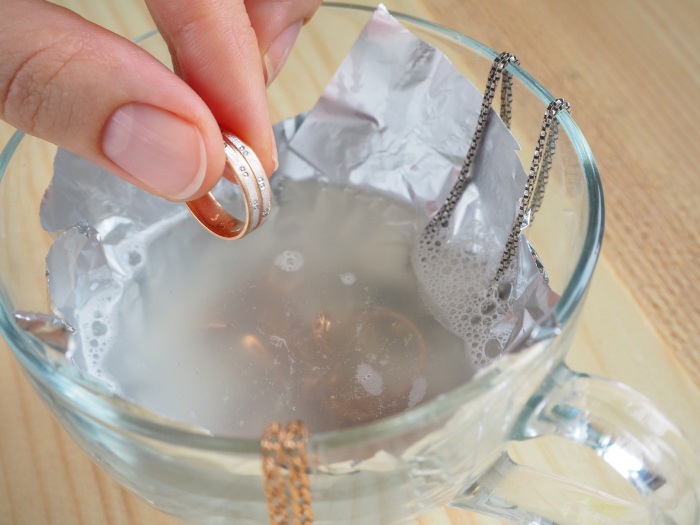
Line a heat-safe bowl or sink with aluminum foil, shiny side up. Place the silver items on the foil, ensuring they touch the foil. Add enough hot (not boiling) water to cover the silver. For every cup of water, add 1-2 tablespoons of baking soda and a tablespoon of salt. The chemical reaction between the aluminum, baking soda, salt, and hot water converts the silver sulfide (tarnish) back into silver metal, transferring the sulfur compounds to the aluminum foil. Let the items soak for 5-10 minutes, or longer for very heavy tarnish, observing the tarnish dissolving. Remove the silver, rinse thoroughly, and dry immediately with a soft cloth. This method is excellent because it doesn’t remove any silver and is gentle on delicate details, making it ideal for preserving the integrity and value of intricate or antique pieces.
Preventing Tarnish: Proactive Strategies for Long-Term Asset Protection
The best cleaning strategy is prevention. Minimizing exposure to elements that cause tarnish helps maintain your silver’s condition, reduces the need for frequent cleaning, and thus protects its long-term value.
Proper Storage Techniques
Storing silver correctly is paramount to preventing tarnish. Use airtight bags or containers specifically designed for silver storage, often lined with tarnish-inhibiting cloth. Alternatively, place anti-tarnish strips or silica gel packets with your silver items in sealed environments. These absorb sulfur compounds and moisture, slowing down the tarnishing process. Avoid storing silver in direct contact with wood, especially oak, or rubber bands, as these materials can accelerate tarnish. Keeping silver in a cool, dry place away from direct sunlight and humidity is also vital for preserving its condition.
Handling and Display Considerations
When handling silver, especially high-value items like coins or delicate jewelry, always wear cotton gloves to prevent transferring oils and acids from your skin, which can cause tarnishing and fingerprints. For displayed silver, consider enclosed display cases with humidity control and anti-tarnish linings. Regular dusting with a soft, dry cloth can also help prevent dust accumulation that can trap moisture and contribute to tarnish.
When to Seek Professional Expertise: Maximizing Return on Your Silver Investment
For highly valuable pieces, complex items, or silver with significant historical or sentimental value, consulting a professional silver conservator or restorer is a prudent financial decision. Professionals possess the specialized knowledge, tools, and experience to clean and restore silver without risking damage. They can assess the silver’s specific alloy, construction, and level of tarnish, recommending the safest and most effective treatment. While professional services incur a cost, this investment can be invaluable for preserving or even enhancing the market value of rare coins, intricate antique silver, or family heirlooms where a DIY mistake could lead to irreversible depreciation. A conservator can also advise on proper long-term storage and maintenance plans, providing a comprehensive approach to asset protection.
Maintaining the pristine condition of your silver assets is a tangible act of wealth management. By understanding the causes of tarnish, employing appropriate cleaning techniques, and prioritizing preventative measures, you ensure that your silver continues to shine, reflecting not only its inherent beauty but also its enduring financial worth.
aViewFromTheCave is a participant in the Amazon Services LLC Associates Program, an affiliate advertising program designed to provide a means for sites to earn advertising fees by advertising and linking to Amazon.com. Amazon, the Amazon logo, AmazonSupply, and the AmazonSupply logo are trademarks of Amazon.com, Inc. or its affiliates. As an Amazon Associate we earn affiliate commissions from qualifying purchases.