
The Financial Sense of Proper Leather Care
Leather items, from luxurious handbags and finely crafted furniture to durable jackets and automotive interiors, represent a significant financial outlay. Treating these possessions as investments rather than mere purchases is key to understanding the profound financial benefits of proper care. The question of “what to clean leather with” isn’t just about aesthetics; it’s about safeguarding assets, preserving equity, and optimizing long-term value. Neglecting leather care is akin to neglecting routine maintenance on a car – it inevitably leads to accelerated depreciation and expensive problems down the line.
Extending Lifespan, Avoiding Replacement Costs
One of the most immediate financial advantages of appropriate leather cleaning and maintenance is the extension of an item’s lifespan. High-quality leather is renowned for its durability, but only when cared for correctly. Dirt, grime, body oils, and environmental pollutants can degrade the leather fibers, leading to cracking, discoloration, and eventual breakdown. Regular cleaning removes these harmful elements, preventing premature wear and tear. By extending the functional and aesthetic life of a leather couch for another 5-10 years, or a designer handbag for decades, consumers can defer the substantial cost of replacement. This translates directly into savings, freeing up capital that would otherwise be allocated to new purchases. Think of the hundreds, even thousands, saved by maintaining an item instead of prematurely replacing it.
Preserving Resale Value
The market for pre-owned luxury goods, including leather items, is robust and growing. Maintaining leather in excellent condition is paramount for preserving its resale value. A well-kept leather jacket or bag, free from stains, cracks, or excessive wear, will command a significantly higher price on the secondary market compared to a neglected counterpart. Potential buyers are willing to pay a premium for items that show minimal signs of use and have been properly cared for. This preservation of equity means that when it’s time to upgrade or divest, a greater portion of the original investment can be recouped, effectively reducing the net cost of ownership over time. For investors in luxury items, diligent care is a direct contributor to their portfolio’s health.
The Hidden Costs of Neglect
While the immediate cost of a cleaning solution might seem like an expense, it pales in comparison to the hidden costs of neglect. Beyond premature replacement, neglected leather can lead to irreversible damage requiring costly professional restoration. Severe staining, deep cracks, or extensive color fading often necessitate expert intervention, which can run into hundreds, or even thousands, of dollars depending on the item and the extent of the damage. In some cases, the cost of professional repair may even approach the cost of a new item, rendering the original investment largely worthless. Furthermore, damaged leather can detract from the overall aesthetic of a home or wardrobe, subtly impacting personal or business perception, an intangible but real cost for those whose image relies on polished presentation.
Essential Cleaning Agents and Their Economic Impact
Understanding what to clean leather with is crucial, as the wrong products can cause more harm than good, leading to costly repairs or irreversible damage. The choice of cleaning agent has a direct financial implication, balancing immediate cost with long-term preservation benefits.
Mild Soaps and Distilled Water: The Budget-Friendly Basics
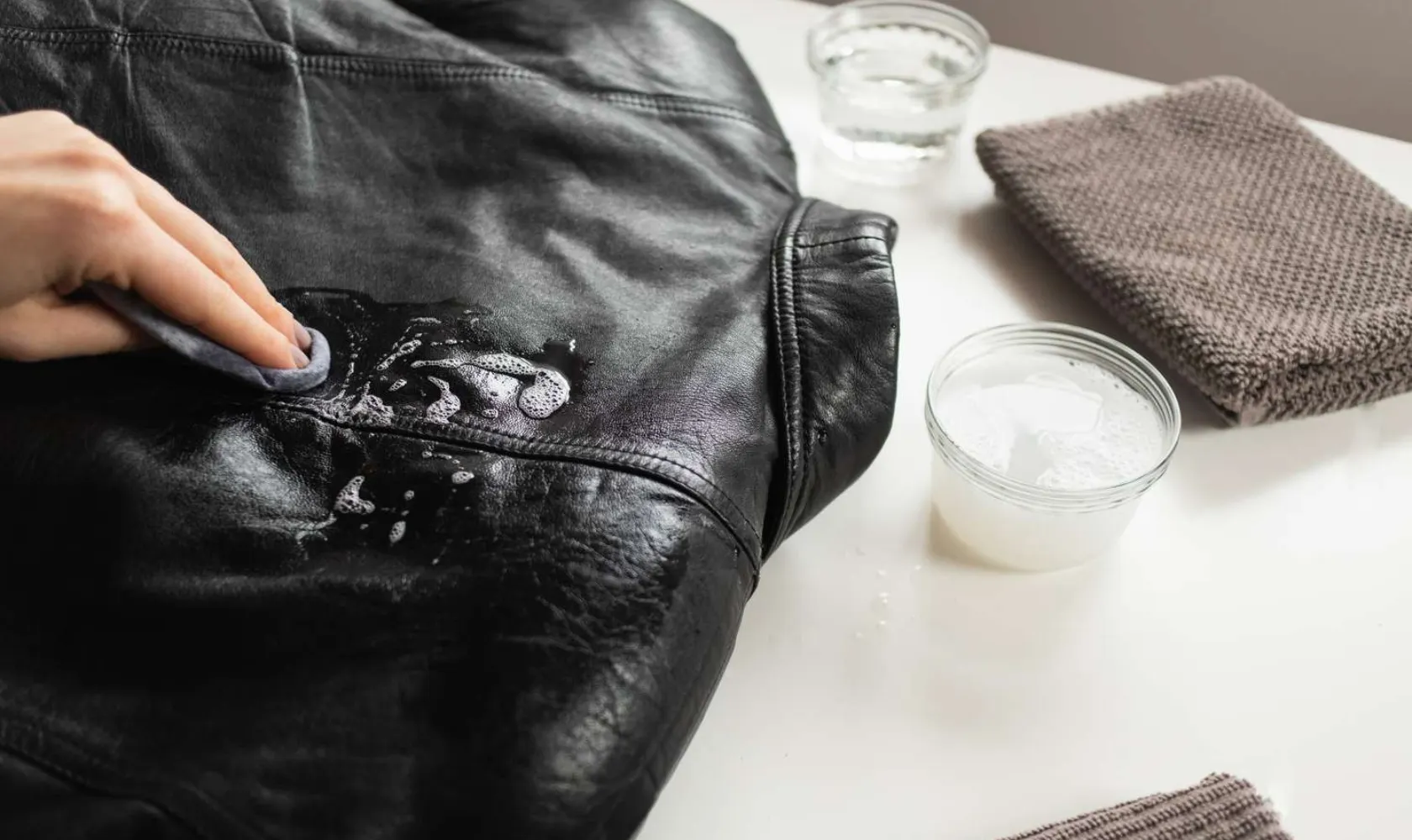
For general cleaning of most finished leathers, a simple solution of mild, pH-neutral soap (like saddle soap or a very dilute baby soap) and distilled water is often the most cost-effective and safest option. Distilled water is important as it prevents mineral deposits that can be left by tap water, potentially staining or drying out the leather. This method effectively removes surface dirt and oils without stripping the leather’s natural oils or damaging its finish. The cost of these basic supplies is minimal, making it an excellent budget-friendly approach for routine maintenance. By regularly employing this inexpensive technique, owners can prevent the buildup of grime that necessitates more aggressive (and potentially more damaging or costly) cleaning methods later.
Specialized Leather Cleaners: An Investment in Longevity
While mild soap and water are suitable for light cleaning, specialized leather cleaners are often a worthwhile investment for deeper cleaning, specific stain removal, or for delicate leather types. These products are formulated to be pH-balanced for leather, containing conditioning agents that help maintain the leather’s suppleness while cleaning. Although they come at a higher initial price point than household soaps, their efficacy and safety profile make them an economically sound choice. Using a product specifically designed for leather reduces the risk of damage, thereby avoiding potential repair costs. For high-value items or sensitive leather finishes (like aniline or nubuck), a specialized cleaner is not an indulgence but a prudent part of an asset protection strategy, ensuring the material receives the precise care it needs without compromise.
Avoiding Harmful Products: Saving Money in the Long Run
Perhaps the most critical financial advice regarding leather cleaning is knowing what not to use. Harsh chemical cleaners, abrasive scrubbers, all-purpose household detergents, ammonia-based products, and excessive amounts of water are common culprits that can cause irreversible damage to leather. These substances can strip natural oils, dry out the material, cause discoloration, or degrade the finish, leading to cracking, stiffness, and permanent stains. The cost of such damage is substantial, often requiring professional restoration or, worse, rendering the item irreparable. An initial attempt to save a few dollars by using a common household cleaner can easily lead to hundreds or thousands in repair bills, making informed product selection a vital component of financial prudence when owning leather goods. Investing in the correct, albeit sometimes pricier, product is a small preventative cost compared to potential repair or replacement.
Conditioning and Protection: Furthering Your Financial Investment
Beyond cleaning, the ongoing maintenance of leather through conditioning and protection forms an integral part of its financial stewardship. These steps are preventative measures that significantly extend the life and appearance of leather, thereby sustaining its value.
Why Conditioning Matters for Durability
Leather, like skin, can dry out over time, especially when exposed to direct sunlight, dry air, or heating elements. This drying leads to stiffness, cracking, and a loss of suppleness, fundamentally compromising the material’s durability and aesthetic appeal. Leather conditioners replenish the natural oils that keep the leather soft, flexible, and resistant to damage. Regular conditioning not only restores the leather’s luxurious feel but also creates a barrier against environmental stressors and wear. By maintaining the leather’s structural integrity, conditioning directly prolongs its useful life, delaying the need for costly repairs or replacements. It’s a small, recurring expense that pays dividends by keeping high-value items looking and feeling new for much longer, protecting the initial capital outlay.
Protective Treatments: A Shield Against Depreciation
For maximum financial protection, certain leather items can benefit from specialized protective treatments. These treatments, often silicone or polymer-based, create an invisible barrier on the leather’s surface that repels water, stains, and even UV radiation. While they represent an added cost upfront, their value lies in preventing future damage. Spills bead up instead of soaking in, making them easier to wipe away before they can stain. UV protection minimizes fading and degradation from sun exposure, a common issue for furniture and car interiors. By guarding against these common sources of damage, protective treatments act as an insurance policy, significantly reducing the likelihood of expensive professional cleaning, stain removal, or premature replacement. This proactive approach ensures the leather retains its pristine condition and thus its maximum financial value over its lifetime.
DIY vs. Professional Cleaning: When to Spend and When to Save
The decision to clean leather oneself or to hire a professional is a financial one, weighing the cost of service against the risks and potential rewards of DIY. Understanding when to save and when to spend is key to intelligent asset management.
Cost-Effective Home Care for Minor Issues
For routine cleaning, light dirt, and minor spills on well-maintained leather, DIY cleaning is almost always the most cost-effective option. As discussed, simple tools like mild soap, distilled water, and specialized leather cleaners are relatively inexpensive. With a bit of research and careful application, most individuals can safely and effectively clean their leather items at home. This approach saves the significant labor costs associated with professional services. Moreover, frequent, gentle home cleaning prevents the accumulation of dirt and grime that can necessitate more intensive and expensive professional intervention later on. For everyday maintenance and minor blemishes, embracing DIY is a smart financial move that keeps more money in your pocket.
When Professional Services Pay Off
There are specific scenarios where investing in professional leather cleaning and restoration is not just justified, but financially prudent. This includes:
- Deep-seated stains: For old, stubborn stains that DIY methods can’t remove, or for stains on delicate leather types (like aniline or nubuck) where incorrect treatment could cause irreversible damage, a professional has the expertise, tools, and specialized solvents to safely tackle the problem. Attempting to remove such stains without proper knowledge can often worsen them, leading to more expensive remediation or total loss.
- Extensive wear and tear: If leather is showing significant signs of wear, such as widespread cracking, color loss, or deep scratches, professionals can often restore it to a near-original condition. Services like re-dyeing, re-finishing, or repairing tears can add years to the life of an item, preserving its functionality and aesthetic appeal, and thus its financial value, for a fraction of the replacement cost.
- High-value or heirloom items: For very expensive furniture, luxury automotive interiors, or irreplaceable heirloom leather goods, the risk of DIY damage is too high. A professional service provides peace of mind and the assurance that the item will be handled with the utmost care, protecting a substantial investment.
- Time and expertise limitations: If an individual lacks the time, patience, or confidence to properly clean a large or complex leather item, hiring a professional can save potential headaches and costly mistakes.
In these instances, the upfront cost of professional services should be viewed as an investment in preserving the item’s financial and sentimental value, avoiding greater losses down the line. It’s about weighing the risk of improper DIY against the guaranteed expertise of a professional, ensuring that your leather investments continue to appreciate or at least maintain their significant value.
aViewFromTheCave is a participant in the Amazon Services LLC Associates Program, an affiliate advertising program designed to provide a means for sites to earn advertising fees by advertising and linking to Amazon.com. Amazon, the Amazon logo, AmazonSupply, and the AmazonSupply logo are trademarks of Amazon.com, Inc. or its affiliates. As an Amazon Associate we earn affiliate commissions from qualifying purchases.