
A leather sofa represents a significant financial outlay for most households or businesses, often serving as a focal point of comfort and aesthetic appeal. Protecting this investment through proper maintenance is not merely about cleanliness; it’s a critical component of personal and business finance, ensuring longevity, preserving resale value, and avoiding costly premature replacements. Understanding the correct cleaning agents and techniques for your specific type of leather is paramount to maximizing its utility and financial return over time.
Protecting Your Investment: Understanding Leather Types
Before any cleaning agent touches your leather sofa, discerning its specific type is the first, most crucial step in financially prudent maintenance. Using the wrong product can lead to irreversible damage, instantly depreciating your asset and necessitating expensive professional repairs or, worse, full replacement. Each leather type demands a unique approach to cleaning, directly impacting its lifespan and appearance.
Aniline and Semi-Aniline Leather
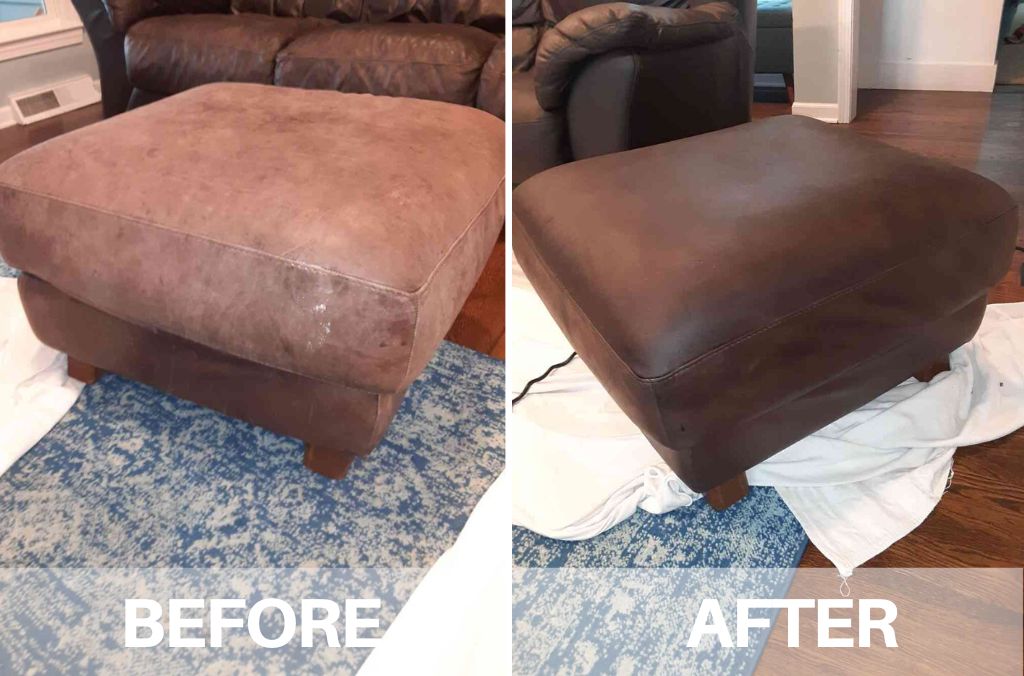
These leathers are celebrated for their natural look and soft feel, as they retain much of the hide’s original surface markings. Aniline leather has no protective surface coating, making it highly susceptible to stains and spills. Semi-aniline offers a thin protective layer, providing slightly more stain resistance without sacrificing too much of its natural aesthetic. Financially, these leathers demand the most delicate care. Harsh chemicals or excessive moisture can cause permanent discoloration, water spots, and damage to the natural oils, leading to cracking and accelerated wear. For these types, the goal is gentle, immediate action and specialized, pH-neutral cleaners designed specifically for their porous nature. Investing in these specialized products, though seemingly more expensive upfront, is a small price to pay to avoid the substantial cost of damage repair or replacement.
Pigmented Leather
Also known as protected or finished leather, pigmented leather is the most common type used in sofas due to its durability and ease of maintenance. It features a polymer surface coating with pigments, which offers excellent resistance to spills, stains, and fading. From a financial perspective, this type offers the best return on investment in terms of longevity and reduced maintenance costs. Its robust surface means it can withstand a broader range of cleaning solutions compared to aniline leathers. However, even with pigmented leather, vigilance is key. Abrasive cleaners or solvents can still degrade the protective topcoat over time, leading to peeling, cracking, and exposure of the more vulnerable layers beneath. Maintaining the integrity of this coating is essential to preserving the sofa’s protective qualities and visual appeal, thereby safeguarding its market value.
Nubuck and Suede
While less common for entire sofas, nubuck and suede are occasionally found on accent pieces or specific sections. These leathers are characterized by their velvety, buffed surface. They are incredibly porous and delicate, similar to aniline leather but with an even more pronounced vulnerability to liquids and oils. Cleaning these materials requires specialized brushes and dry cleaning kits, as wet cleaners can cause matting, discoloration, and irreparable damage to the delicate nap. The financial implications here are clear: improper cleaning techniques can render these sections unsalvageable, significantly diminishing the overall value of the furniture piece. When investing in furniture with these materials, factor in the cost of specialized care products and the meticulous attention required to maintain their pristine condition.
Cost-Effective Cleaning Solutions for Everyday Care
Effective daily maintenance is the cornerstone of preserving your leather sofa’s value and extending its lifespan, ultimately saving you money on deep cleaning services or replacements. The key is finding a balance between efficacy and cost-efficiency, opting for solutions that clean without causing long-term damage.
The DIY Approach: Gentle Soap and Distilled Water
For many common spills and surface dirt on pigmented leather, a simple, homemade solution can be surprisingly effective and incredibly budget-friendly. A mixture of mild, pH-neutral soap (such as castile soap or a gentle dish soap, ensuring it’s dye-free and contains no harsh detergents or moisturizers) and distilled water is often recommended. Distilled water is crucial here because tap water, especially in hard water areas, contains minerals that can leave streaks or mineral deposits on leather surfaces, which can be difficult to remove and potentially damaging over time.
To prepare, mix a few drops of mild soap into a cup of distilled water. Dampen a soft, lint-free microfiber cloth with the solution, ensuring it’s not saturated. Gently wipe the affected area in small sections, then immediately follow with a clean cloth dampened with only distilled water to rinse, and finally, dry with another clean, dry cloth. This method, when performed correctly and frequently, can prevent dirt buildup and maintain the leather’s appearance without the recurring cost of commercial cleaners. It’s a classic example of financial prudence: preventative care costing pennies can save hundreds or thousands in remedial action.
Commercial Leather Cleaners: A Prudent Purchase
While DIY solutions are excellent for minor issues, investing in a high-quality, reputable commercial leather cleaner is a financially wise decision for periodic deep cleaning or for leathers that require more specialized care (like aniline). These products are formulated with the specific chemical composition of leather in mind, often containing pH balancers and non-damaging surfactants that lift dirt without stripping the leather’s natural oils or damaging its finish.
When selecting a commercial cleaner, look for products that are explicitly labeled for your type of leather (e.g., “for protected leather,” “for aniline leather”). Read reviews and consider brands known for their expertise in leather care. Although these products have an upfront cost, their effectiveness in preserving the leather’s integrity and appearance far outweighs the potential cost of damage from inappropriate alternatives. Think of it as an insurance policy for your asset: a small, regular premium (the cost of the cleaner) protects a much larger investment (your sofa). Always patch test any new cleaner in an inconspicuous area first to ensure there are no adverse reactions.
Avoiding Costly Damage: What Not to Use
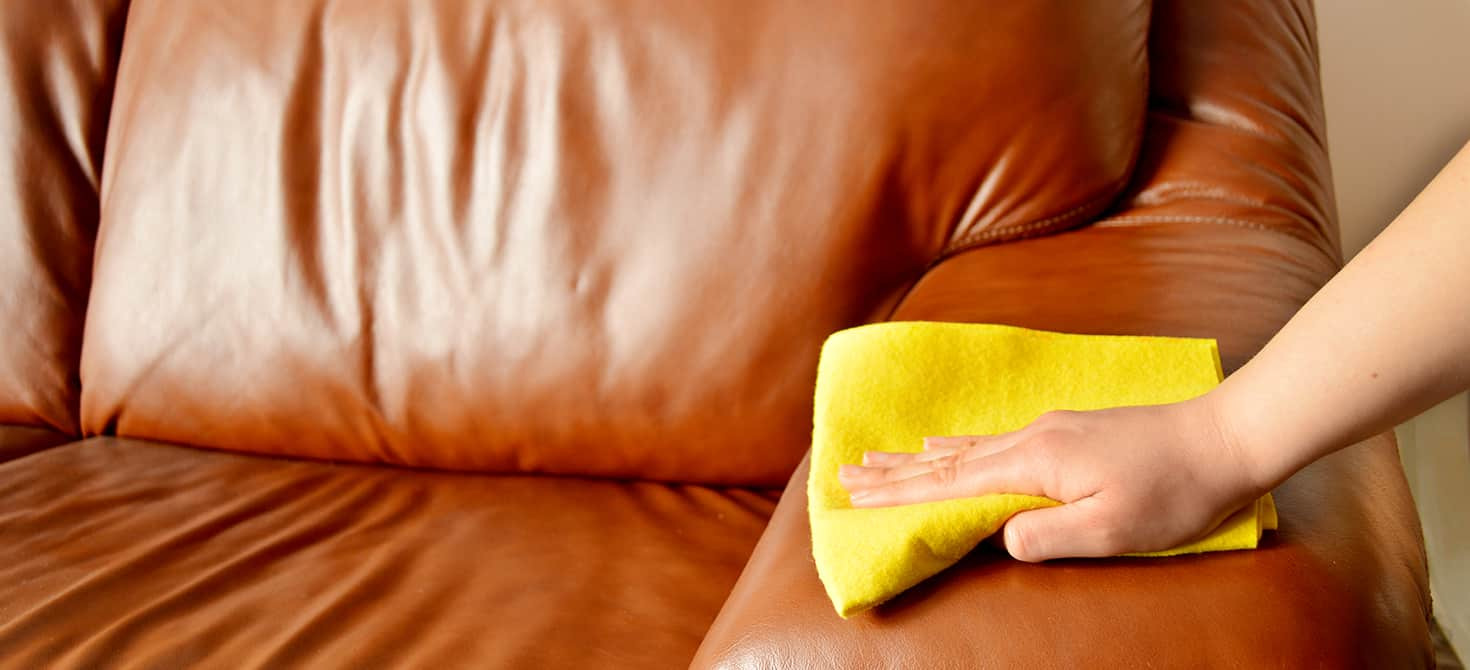
Just as important as knowing what to clean leather with is understanding what absolutely not to use. This knowledge is crucial for financial protection, as using inappropriate substances can lead to irreversible damage that voids warranties, necessitates expensive professional intervention, or renders the sofa beyond repair.
Never use:
- Harsh household cleaners: Products like all-purpose sprays, window cleaners, bleach, or abrasive cleaners are far too harsh for leather. They can strip natural oils, degrade protective coatings, cause permanent discoloration, and lead to cracking or peeling. The immediate saving of using a product already on hand pales in comparison to the cost of a damaged sofa.
- Oil-based polishes or furniture waxes: These can clog the pores of the leather, attract more dirt, and leave a sticky residue. Over time, they can lead to a dull finish and can be extremely difficult and costly to remove.
- Alcohol-based products (e.g., rubbing alcohol, hand sanitizers): Alcohol is a solvent that will dry out and strip the finish from leather, leading to cracking and fading.
- Strong solvents (e.g., nail polish remover, paint thinner): These are highly destructive and will melt or permanently stain leather.
- Excessive water: While some leathers can tolerate light damp wiping, soaking leather with water can lead to permanent water spots, swelling, shrinking, and mold growth, particularly for aniline types.
- Abrasive materials: Scrub brushes, sponges with abrasive sides, or rough cloths can scratch and damage the leather’s surface. Always opt for soft microfiber cloths.
Understanding these prohibitions is fundamental to maintaining your sofa’s value and avoiding unnecessary expenditure. The “penny wise, pound foolish” adage applies perfectly here; attempting to save a few dollars by using the wrong cleaning agent can result in a loss of thousands.
Deep Cleaning and Long-Term Value Preservation
While routine cleaning addresses surface dirt and spills, a comprehensive strategy for leather sofa maintenance includes periodic deep cleaning and conditioning. These practices are not just about aesthetics; they are vital components of extending the asset’s useful life and preserving its market value, reflecting sound financial stewardship.
The Role of Professional Cleaning: When to Invest
There comes a point where even the most diligent DIY efforts may not suffice, particularly for deeply embedded grime, stubborn stains, or general signs of wear that require specialized tools and expertise. This is when investing in professional leather cleaning services becomes a financially sound decision. Professional cleaners possess the knowledge to identify specific leather types, understand their unique vulnerabilities, and apply appropriate, often proprietary, cleaning solutions and techniques that are unavailable or unsafe for a layperson to use.
Consider professional cleaning every 1-3 years, depending on usage and traffic. The cost of a professional cleaning service, typically a few hundred dollars, should be viewed as a periodic maintenance expense that safeguards an investment worth thousands. It helps prevent irreversible damage from accumulated dirt and oils, restores the leather’s appearance, and can significantly extend its life. Neglecting deep cleaning can lead to premature deterioration, forcing a much larger expense for replacement. Moreover, a well-maintained sofa holds better resale value should you decide to upgrade or relocate, turning a recurring expense into an investment in future liquidity.
Conditioning for Longevity and Resale Value
Beyond cleaning, conditioning is arguably the most important step in preserving the long-term health and value of your leather sofa. Leather is a natural material that can dry out, crack, and become brittle over time, especially when exposed to direct sunlight, dry air, or heating vents. A quality leather conditioner replenishes the natural oils, keeps the leather supple, prevents cracking, and maintains its protective qualities.
Conditioning should ideally follow every deep clean, whether DIY or professional, and perhaps semi-annually or annually depending on environmental factors and leather type. Look for conditioners that are specifically formulated for your type of leather, are non-greasy, and allow the leather to breathe. Application is typically a gentle massage into the leather with a soft cloth, allowing it to absorb before buffing off any excess.
The financial benefit of conditioning is substantial. A well-conditioned sofa resists wear and tear more effectively, retains its luxurious feel and appearance for longer, and prevents the costly repairs associated with dry, cracked leather. Furthermore, furniture that has been consistently cleaned and conditioned looks and feels significantly better than neglected pieces. This enhanced aesthetic and structural integrity directly translates into a higher appraisal or resale value, making regular conditioning a critical part of your asset management strategy.
Financial Prudence in Sofa Maintenance
Approaching leather sofa maintenance with a financially savvy mindset transforms it from a chore into an essential aspect of asset management. Every decision, from product selection to cleaning frequency, carries a financial implication.
Calculating the Long-Term Savings
Consider the initial cost of a quality leather sofa, which can range from a few thousand to well over ten thousand dollars. Without proper maintenance, its lifespan might be drastically cut from 15-20 years to perhaps 5-7 years. The cost difference of replacing a sofa three times in 20 years versus once is monumental.
By investing in appropriate cleaning supplies (a few tens of dollars annually) and professional cleaning services (a few hundred dollars every few years), you extend the sofa’s life, potentially saving thousands in replacement costs. For instance, if a sofa costs $5,000 and lasts 5 years without maintenance ($1,000/year depreciation), but lasts 15 years with maintenance costing $100/year (including DIY supplies and pro cleaning contributions), your annual depreciation drops to $333, plus maintenance. The net savings are substantial over the asset’s lifetime. This long-term perspective is fundamental to sound financial planning for household assets.

Insurance and Warranty Considerations
Finally, understanding the interplay between your maintenance efforts, product warranties, and home insurance policies is vital. Many leather sofa warranties explicitly state that improper cleaning methods or the use of unapproved products will void the warranty. This means that if damage occurs due to your cleaning choices, you might be solely responsible for the full repair or replacement cost, bypassing the protection you thought you had. Always review your sofa’s warranty documentation carefully for specific care instructions and recommended products.
Similarly, while home insurance might cover damage from specific perils (e.g., fire, flood), it typically does not cover damage resulting from neglect or improper maintenance. By adhering to best practices in cleaning and conditioning, you not only extend the life of your sofa but also ensure that any potential claim under warranty or insurance is not jeopardized by your actions. This dual protection of maintaining the asset physically and financially is the ultimate goal of intelligent leather sofa care.
aViewFromTheCave is a participant in the Amazon Services LLC Associates Program, an affiliate advertising program designed to provide a means for sites to earn advertising fees by advertising and linking to Amazon.com. Amazon, the Amazon logo, AmazonSupply, and the AmazonSupply logo are trademarks of Amazon.com, Inc. or its affiliates. As an Amazon Associate we earn affiliate commissions from qualifying purchases.