
Protecting Your Home Investment: The Financial Imperative of Proper Laminate Care
Laminate flooring represents a substantial financial investment in a home’s aesthetic appeal, functionality, and overall market value. Often chosen for its durability and cost-effectiveness compared to solid hardwood, laminate still requires diligent and specific care to maximize its lifespan and prevent costly damage. Overlooking the nuances of laminate cleaning is not merely a matter of cleanliness; it’s a critical financial decision that directly impacts the longevity of your asset, the potential for expensive repairs, and ultimately, your home’s resale value. Treating your laminate floors correctly is an exercise in asset protection, ensuring that the money you’ve invested continues to yield returns rather than accrue unexpected liabilities.
Understanding the Composition: Why Specific Cleaning Matters for Your Wallet
To truly grasp the financial implications of laminate cleaning, one must understand its layered construction. Laminate flooring is a composite product, typically consisting of a backing layer, a high-density fiberboard (HDF) core, a photographic design layer, and a clear, protective wear layer on top. Each layer plays a crucial role, and the integrity of this entire system hinges on appropriate maintenance.
The clear wear layer, usually made from melamine resin impregnated with aluminum oxide, is designed to resist scratches, dents, and fading. However, it is not impervious. Using abrasive cleaners or tools can degrade this protective barrier, exposing the delicate design layer beneath. Once the wear layer is compromised, the floor’s aesthetic appeal diminishes, and its vulnerability to further damage, such as moisture penetration, increases exponentially. Replacing damaged planks or an entire floor is a significant financial outlay, often avoidable with proper cleaning practices.
The HDF core is particularly susceptible to moisture. Unlike solid wood, laminate planks are not designed to be saturated. Water, if allowed to seep through gaps or compromised wear layers, will cause the HDF core to swell, warp, and buckle. This damage is often irreversible, leading to unsightly bumps, lifted edges, and an eventual need for partial or complete floor replacement – an unbudgeted expense that can run into thousands of dollars. Therefore, understanding the financial risk associated with moisture on laminate floors is paramount, underscoring the need for specific, low-moisture cleaning techniques.
Cost-Effective Cleaning Solutions: Maximizing Longevity Without Breaking the Bank
Effective laminate floor cleaning does not demand a treasury of expensive, specialized products. In fact, many highly effective and financially prudent solutions can be found in your pantry or require only a modest initial investment, ultimately saving you money by extending the life of your flooring and avoiding the need for costly repairs or replacements. The key is to choose methods that are gentle on the laminate’s protective wear layer and minimize moisture exposure, thereby preserving your initial investment.
The DIY Diligence: Saving Pennies, Preserving Value
For routine cleaning, some of the most budget-friendly and safest options are often overlooked:
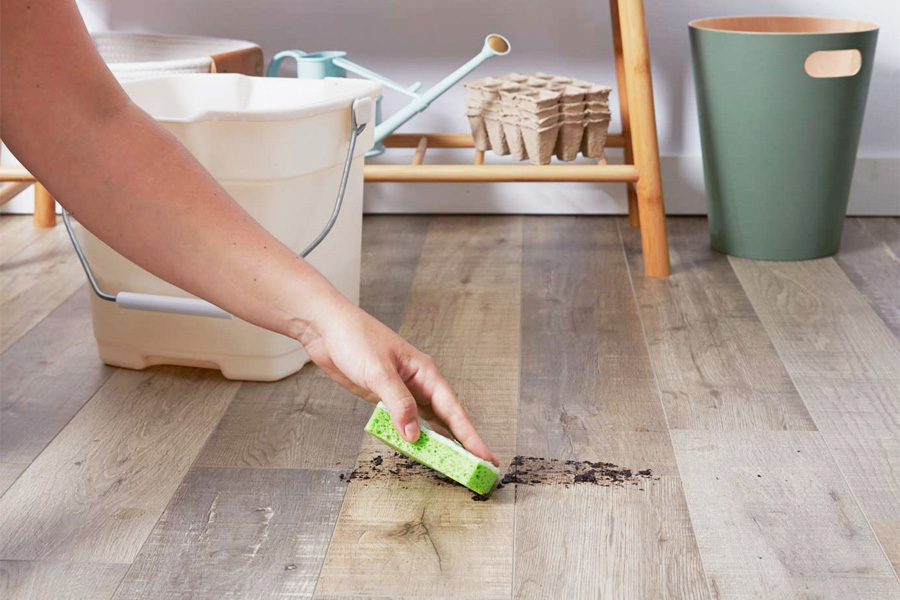
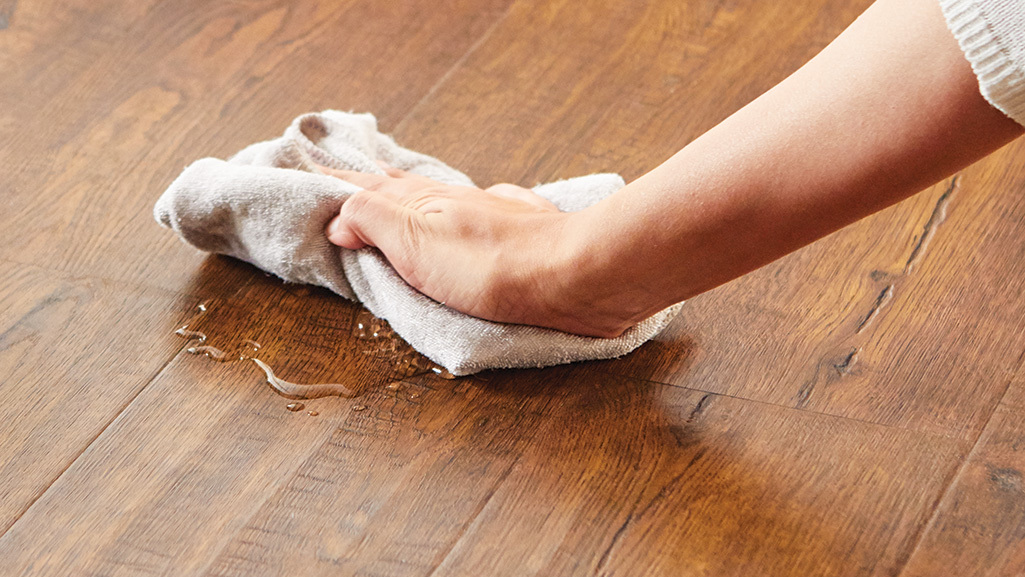
- Warm Water and Mild Dish Soap (or White Vinegar): A simple solution of a few drops of mild dish soap (pH-neutral) in a bucket of warm water, or a 1:1 mixture of white vinegar and water, can clean laminate effectively without leaving streaks or damaging the finish. Dish soap helps break down grease and grime, while vinegar acts as a natural disinfectant and cuts through residue. The financial benefit is obvious: these are inexpensive household staples. When using either, ensure the mop or cloth is thoroughly wrung out to be barely damp. Excessive moisture is the enemy of laminate and a harbinger of costly damage.
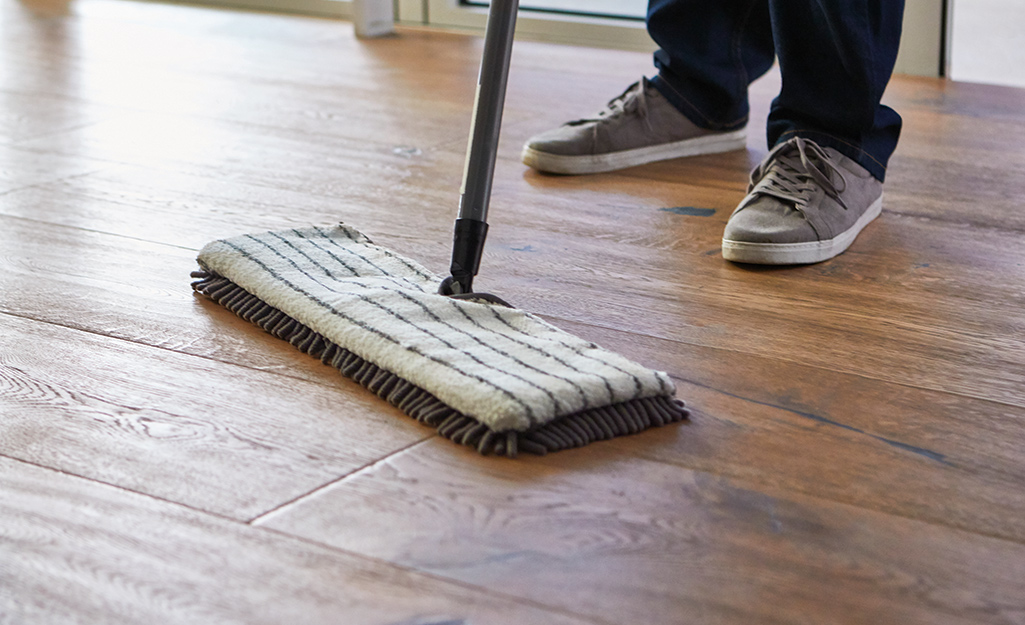
- Microfiber Mops and Cloths: Investing in good quality microfiber mop pads or cloths is a one-time expense that pays dividends. Microfiber is highly effective at trapping dust, dirt, and pet hair without the need for harsh chemicals. They are reusable, washable, and durable, eliminating the recurring cost of disposable cleaning pads. This sustainable choice is not only environmentally friendly but also a smart financial move, reducing ongoing cleaning supply expenses.
- The Power of Prevention: The most cost-effective cleaning is often preventative. Implementing simple, no-cost or low-cost habits can drastically reduce the need for deep cleaning and mitigate future damage:
- Entry Mats: Placing mats at all exterior entrances traps dirt, grit, and moisture before it reaches your laminate, preventing abrasive scratches and water spots. This small investment protects a much larger one.
- Furniture Pads: Affixing felt or rubber pads to the legs of all furniture prevents scratches and gouges that would otherwise be permanent and visually diminish your floor’s value.
- Regular Sweeping/Vacuuming: Daily sweeping with a soft-bristle broom or vacuuming with a hard-floor attachment (never a beater bar, which can scratch the surface) removes abrasive particles that can wear down the protective layer over time. This consistent, low-effort routine is a fundamental aspect of financial prudence in home maintenance.
Smart Spending on Specialized Cleaners: When to Invest
While DIY solutions are excellent for routine cleaning, there are instances where a specialized laminate floor cleaner might be a worthwhile investment, particularly if you’re concerned about streak-free results or specific grime. When purchasing, look for products explicitly labeled “for laminate floors.” These are typically pH-neutral and formulated to clean without leaving residue, dulling the finish, or causing damage.
When considering a specialized cleaner, view it as an investment in maintaining the aesthetic integrity and longevity of your floor. A good quality, purpose-designed cleaner can enhance the floor’s appearance without the financial risk associated with general-purpose cleaners. Avoid products that contain waxes, oils, harsh abrasives, or ammonia, as these can leave a dull film, attract more dirt, or strip the protective layer, leading to expensive restoration efforts down the line. Steer clear of steam cleaners; their high heat and moisture combination is a guaranteed pathway to permanent laminate damage and subsequent financial burden.
The Hidden Costs of Improper Cleaning: Avoiding Financial Pitfalls
The allure of quick fixes or the temptation to use general-purpose cleaners on laminate floors can lead to a cascade of financial consequences far exceeding any initial savings. Ignoring the specific needs of laminate flooring doesn’t just result in a less-than-sparkling finish; it actively erodes the value of your asset and necessitates unbudgeted expenditures for repairs or even full replacement. Understanding these hidden costs is crucial for any financially savvy homeowner.
Damage and Depreciation: The Expensive Truth
- Water Damage and Its Ripple Effect: This is perhaps the most significant financial pitfall. As discussed, laminate’s HDF core is highly susceptible to moisture. Using too much water, a soaking wet mop, or a steam cleaner can cause the edges of the planks to swell, buckle, or warp. This damage is often irreversible. Once the core expands, the planks will not return to their original state, creating unsightly raised areas or gaps. The financial implications are severe:
- Repair Costs: Attempting to repair localized water damage often involves removing and replacing affected planks. This requires finding matching planks (which can be difficult or impossible for older flooring), professional labor, and potentially underlayment replacement, incurring significant costs.
- Mold Remediation: Moisture penetration can also foster mold growth beneath the flooring, posing health risks and requiring extensive, costly mold remediation services, including floor removal and structural drying.
- Complete Replacement: In severe cases, particularly if water damage is widespread or has been allowed to fester, the entire floor may need to be ripped out and replaced. This is a major renovation project, involving material costs, demolition, waste disposal, and installation labor – a financial blow that can easily reach thousands of dollars.
- Abrasive Scratches and Wear Layer Degradation: Using abrasive cleaners, scouring pads, or vacuum cleaners with beater bars can scratch and degrade the laminate’s protective wear layer. Once this layer is compromised, the floor loses its luster, becomes dull, and is more vulnerable to stains and further damage. Unlike solid wood, laminate cannot be sanded down and refinished. A scratched wear layer is a permanent aesthetic flaw that significantly depreciates the floor’s appearance and, by extension, your home’s value. The only remedy is replacement.
- Chemical Stains and Residue Build-up: Harsh chemical cleaners, oil-based soaps, or waxing products can leave behind a sticky, dull film or cause irreversible discoloration on laminate. This residue attracts more dirt, making the floor appear constantly dirty and sticky. Attempting to remove this build-up often requires specialized professional cleaning, which is an added expense, and sometimes the damage is permanent, leading back to replacement considerations.
- Warranty Voidance: Most laminate manufacturers provide warranties that cover defects but explicitly state that damage caused by improper cleaning methods or products will void the warranty. This means that if your floor develops issues due to incorrect care, you lose the financial protection of the warranty and bear the full cost of repairs or replacement yourself.
Maintaining Resale Value: A Long-Term Financial Strategy
Beyond immediate cost avoidance, proper laminate floor care is an integral component of a long-term financial strategy for homeowners. The condition of your flooring directly influences your home’s appeal, perceived value, and ultimate marketability. Well-maintained floors signal a well-cared-for home to potential buyers, justifying a higher asking price and facilitating a quicker sale. Conversely, damaged or neglected floors can be a significant turn-off, requiring price reductions or costly pre-sale renovations.
Regular Maintenance as an Investment Shield
Think of your regular cleaning routine not as a chore, but as an ongoing investment shield for one of your home’s most prominent features. Consistent, correct care protects the financial value embodied in your laminate flooring:
- Preserving Aesthetic Appeal: Clean, shiny, and undamaged floors contribute significantly to a home’s overall aesthetic and perceived quality. They create a positive first impression and enhance the ambiance of living spaces, which directly correlates with buyer interest and offer prices.
- Avoiding Buyer Objections: When selling a home, potential buyers meticulously scrutinize every detail. Visible floor damage (scratches, warping, dullness) becomes an immediate point of concern, leading to demands for price reductions, repair credits, or simply causing buyers to look elsewhere. Proactive maintenance eliminates these objections, streamlining the sales process and protecting your equity.
- Extending Life Cycle: By adhering to recommended cleaning practices, you significantly extend the functional lifespan of your laminate floors. This means you won’t face the capital expenditure of replacing them prematurely, allowing that capital to be allocated to other investments or savings goals.
In essence, the choice of what to clean your laminate wood floors with is a strategic financial decision. It’s about choosing methods and products that safeguard your initial investment, mitigate the risk of expensive repairs, preserve your home’s aesthetic and market value, and ultimately, protect your long-term financial interests as a homeowner.
aViewFromTheCave is a participant in the Amazon Services LLC Associates Program, an affiliate advertising program designed to provide a means for sites to earn advertising fees by advertising and linking to Amazon.com. Amazon, the Amazon logo, AmazonSupply, and the AmazonSupply logo are trademarks of Amazon.com, Inc. or its affiliates. As an Amazon Associate we earn affiliate commissions from qualifying purchases.